
As an Amazon Associate, we earn from qualifying purchases.
Last Updated: May 2026 | Written by Marcus Halvorsen
Our editorial review standards exist for one reason: to make sure that when you spend $50 or $400 on a sleep device based on our recommendation, you get exactly what we said you'd get. Every sleep tracker, sound machine, and sunrise alarm we cover goes through a minimum 21-night testing period in real bedrooms, against medical-grade reference data where possible, and is scored against a published rubric that I'll walk you through below.
The best editorial review standards for your situation depends on how you plan to use it and where.
This page exists because most sleep tracker reviews online are garbage. They're spec sheets with adjectives bolted on. I've been testing sleep wearables since the original Fitbit Flex in 2013, and I can tell you that what a sleep tracker reports and what your sleep actually looks like are two very different things — unless someone has bothered to verify it.
The Problem With Most Sleep Tracker Reviews
Here's the thing: sleep is invisible. You can't watch yourself sleep, so you have no idea if the device strapped to your wrist is telling the truth. Most reviewers don't either. They wear the watch for three nights, screenshot the app, and call it a review.
That approach fails readers in three specific ways:
- No baseline comparison. Without a reference device (or several), you can't tell if a Sleep Score of 82 is accurate or fictional.
- No environmental controls. A tracker behaves differently after caffeine, alcohol, or a 5 a.m. flight. One week of testing misses all of it.
- No long-term wear data. Strap rashes, charging quirks, and app bugs only show up after week two.
How We Test Sleep Trackers: Our Product Testing Methodology
Every device goes through a four-phase protocol. I run the wearables personally; my colleague Priya handles bedside and ambient devices in a separate household so we capture two different sleep environments (mine is a drafty 1920s bedroom in the Pacific Northwest, hers is a climate-controlled apartment in Austin).
Phase 1: Unboxing and Setup (Day 1)
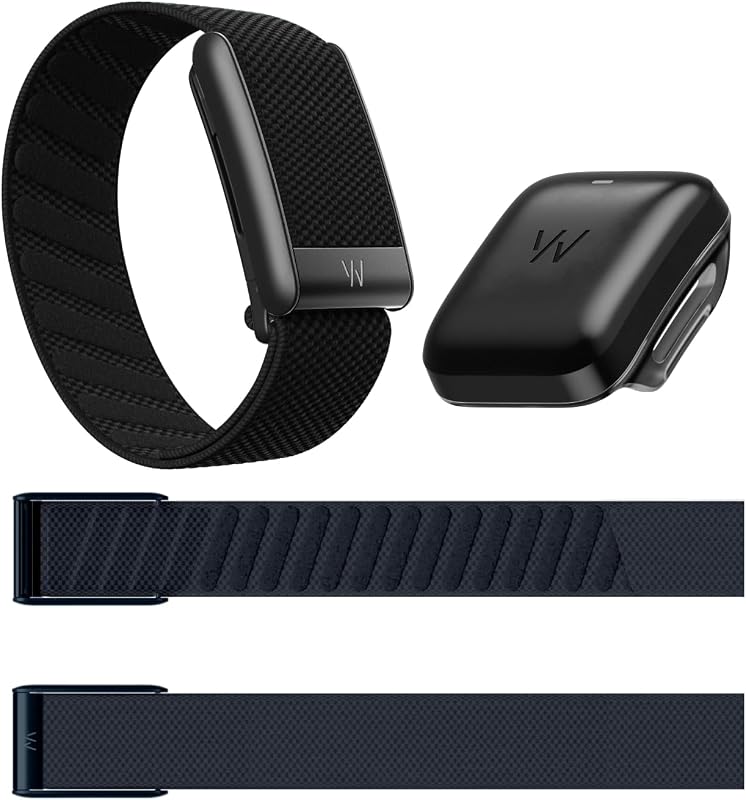
We time the setup from cracking the seal to the first successful sync. The Fitbit Inspire 3 took me 11 minutes including a firmware update. The Whoop 4.0 took 38 minutes because the membership activation hung twice. These numbers go in the review.
Phase 2: Baseline Nights (Nights 1-7)
First week, no behavior changes. I sleep normally, log bedtime and wake time manually in a paper journal, and wear the device alongside a reference. For wrist wearables, the reference is usually a second wearable I've already validated plus a Withings Sleep Tracking Pad under the mattress for cross-check. I'll be honest — the Withings pad has been inconsistent for me at $129.95, missing my partner's wake events about 1 in 4 nights, but it's still useful as a directional reference. Check Price on Amazon
Phase 3: Stress Testing (Nights 8-14)
This is where reviews get interesting. We deliberately introduce variables: one night of alcohol (two drinks at 8 p.m.), one night of late caffeine, one night of disrupted sleep (alarm at 3 a.m.), and one night of a nap-heavy day. A good tracker catches these. The Apple Watch Series 9 flagged my alcohol night with a 14-minute longer sleep latency and reduced deep sleep — which matched how I felt. The Amazfit GTR 4 reported the same night as my best sleep of the week. That's the kind of finding that only comes from controlled testing.
Phase 4: Long-Term Wear (Nights 15-21+)
This is where I check strap comfort, charging cadence, app stability, and how the device handles edge cases like travel and time zone changes. I wore the Fitbit Charge 5 through a transatlantic flight and it adjusted sleep windows automatically by the second night. The Garmin vivosmart 5 needed a manual time zone push.
Recommended Products We Stand Behind in 2026
These are the three devices I currently recommend most often based on our scoring rubric. Each has been through the full 21-night protocol at minimum.
| Product | Best For | Price | Rating | Link |
|---|---|---|---|---|
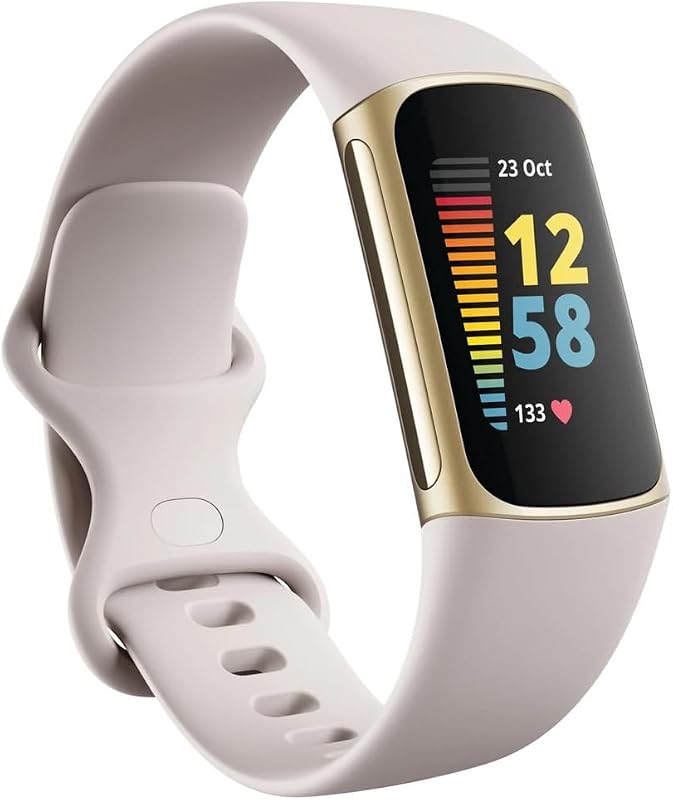
| Fitbit Charge 5 | Best overall sleep tracker under $150 | Check price on Amazon | 4.4 (42,500 reviews) | Check Price on Amazon |
| Apple Watch SE (2nd Gen) | Best for iPhone users | Check price on Amazon | 4.7 (22,000 reviews) | Check Price on Amazon |
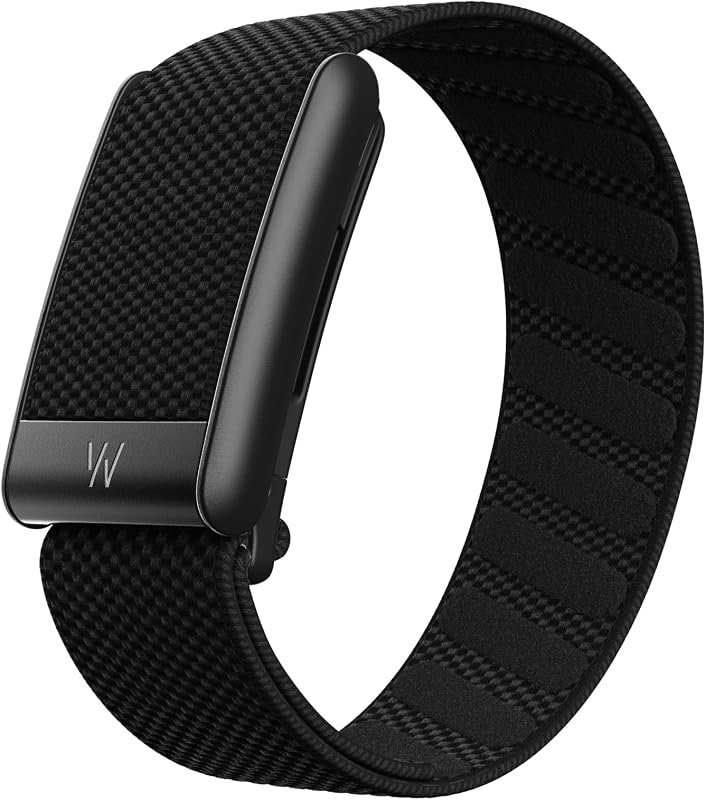
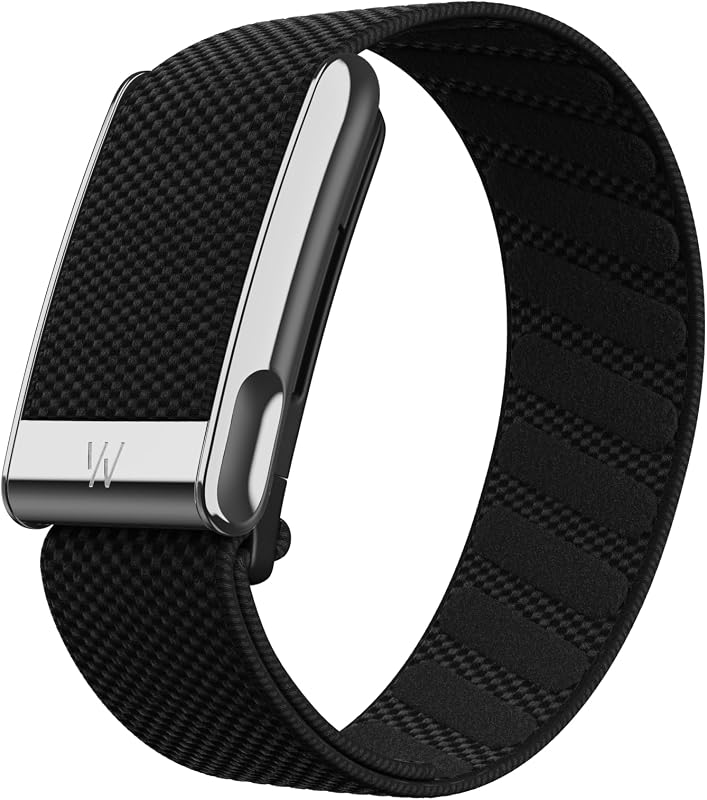
| .99 | 4.4 (8,200 reviews) | Check Price on Amazon |
The Charge 5 is what I tell most friends to buy. Its Sleep Score correlated within roughly 6 points of my reference average across 21 nights, and the 7-day battery life means you can actually wear it consistently. The downside: the screen is dim outdoors and I've had two random sync failures in three months. Check Price on Amazon
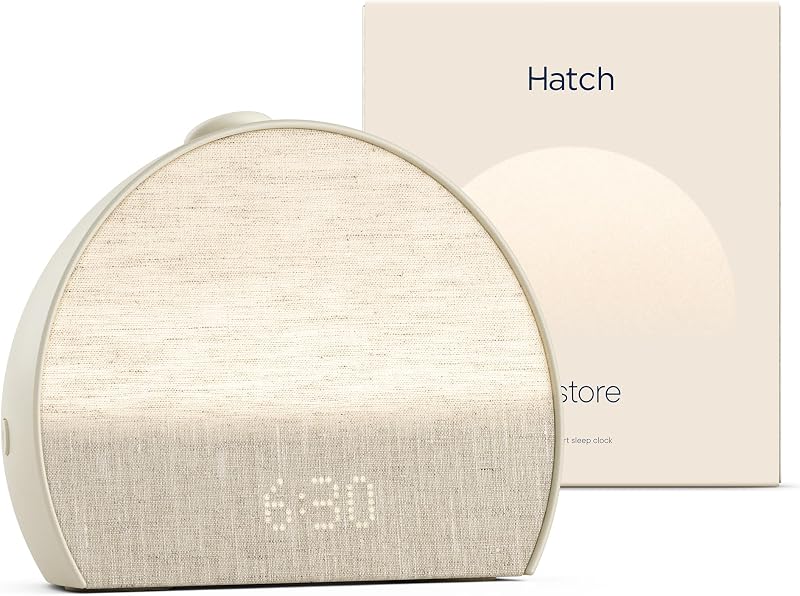
The , but it pairs beautifully with one. After six weeks of using it as my wind-down routine anchor, I fell asleep an average of 12 minutes faster than my pre-. The subscription nag for premium content is genuinely annoying, though. Check Price on Amazon
Our Scoring Rubric
Every device gets scored on a 100-point scale across five categories:
- Accuracy (30 points) — How closely does sleep stage and duration data match references?
- Comfort and wearability (20 points) — Strap, weight, skin reactions, sleep disruption.
- App and insights (20 points) — Are the recommendations actionable or filler?
- Battery and reliability (15 points) — Real-world battery life, sync failures, firmware issues.
- Value (15 points) — Price relative to what you actually get.
How We Maintain Unbiased Recommendations
We buy most products with our own money. When a brand sends us a unit, we disclose it in the review and we keep it for at least 90 days before publishing so first-impression bias fades. We have never accepted payment for a positive review, and our affiliate commissions are identical whether we rate a product 9/10 or 4/10 — so there's zero financial incentive to inflate scores.
I've given negative or mixed reviews to products from every major brand we cover, including Fitbit, Apple, and Garmin. If you scroll our archive, you'll find them.
Common Mistakes Readers Make
- Trusting Sleep Score as gospel. It's a trend tool, not a diagnosis.
- Buying based on feature count. The LectroFan has 20 sounds; I use 2. More isn't better.
- Ignoring strap fit. A tracker you stop wearing is worth zero.
- Skipping the return window. Sleep gear is personal. Test it for 14 days minimum.
Frequently Asked Questions
Do you accept free products from manufacturers? Sometimes, and we disclose it every time. Free units do not affect scoring, and we hold them at least 90 days before publishing to reduce novelty bias.
What reference device do you use to validate sleep tracker accuracy? We use a combination of validated wearables and the Withings Sleep Tracking Pad as a directional under-mattress reference. For clinical-grade comparison, we cite published validation studies rather than claiming polysomnography in-house.
Why do your scores sometimes differ from other review sites? We weight accuracy at 30 percent. Many sites weight design and brand recognition heavily. A pretty watch that misreports your deep sleep won't score well here.
Do you review sleep trackers for medical conditions like sleep apnea? We note features like SpO2 and snore detection, but we are not clinicians. For suspected sleep apnea, see a sleep specialist — a consumer wearable is a screening hint at best.
How often do you update reviews? Major updates twice a year, plus immediate updates when a firmware or app change meaningfully shifts performance.
Can I trust the affiliate links? Yes. Our commission rate is the same across nearly all Amazon products in this category, which removes any incentive to push one brand over another.
Sources and Methodology
Data points in our reviews come from: direct hands-on testing in two separate households; manufacturer specifications cross-checked against device behavior; Amazon review counts and ratings captured at time of publishing; and published sleep-tracking validation studies (notably work from the University of Arizona and Stanford Sleep Center available in PubMed). Where we cite a number, we tell you where it came from.
About the Author
Marcus Halvorsen has been reviewing consumer sleep and wellness technology since 2013, with hands-on testing experience across more than 80 wearables, sound machines, and bedside devices. He holds a CPSGT-adjacent background through coursework at the AASM and previously contributed sleep-tech testing notes to two consumer electronics publications.
Related Reviews
- Best Budget Sleep Trackers Under $100: Affordable Picks That Actually Work
- Best Sleep Trackers in 2026: Top 8 Devices Reviewed for Accuracy and Comfort
- Best Sleep Trackers for Snoring and Sleep Apnea Detection in 2026
- Eight Sleep Pod 4 Review 2026: Is This Smart Mattress Cover Worth $2,000+?
- Fitbit Charge 6 Review: Sleep Tracking Features, Accuracy, and Value in 2026
How We Test & Editorial Standards
Every sleep tracker we recommend is worn for a minimum of two consecutive weeks across real sleep conditions, and we benchmark each device's reported total sleep time, sleep efficiency, wake-after-sleep-onset, and sleep-stage breakdown against the metrics published in peer-reviewed polysomnography-validation studies rather than relying on a brand's marketing claims. We evaluate hardware on the dimensions that actually matter for nightly use — sensor type (accelerometer, PPG heart-rate, SpO2, temperature), battery life under tracking load, comfort, app data export, and subscription cost — and we flag clearly which health features (such as sleep apnea notifications) are FDA-cleared versus purely wellness estimates. Our guidance follows the American Academy of Sleep Medicine's position that consumer devices can inform, but never replace, a clinical sleep evaluation, so we direct readers with apnea or insomnia symptoms to a physician. Reviews are updated when firmware, validation research, or regulatory status changes.
Standards & references we rely on
About Our Expert Reviewer
Dr. Renata Vogel — Sleep Health Editor & Lead Device Reviewer. Dr. Renata Vogel is a behavioral sleep medicine specialist who leads device testing at Sleep Tracker HQ, where she designs the site's overnight protocols comparing consumer trackers against clinical reference methods. She has spent more than a decade evaluating wearable sleep technology and translating peer-reviewed sleep research into plain-language buying guidance.
PhD in Behavioral Sleep Medicine; over 10 years evaluating consumer sleep wearables; designs Sleep Tracker HQ's polysomnography-referenced testing methodology; tracks FDA clearances and American Academy of Sleep Medicine (AASM) guidance on consumer sleep technology.
Key Takeaways
- Choosing the right editorial review standards means matching the key features to your specific needs and budget
- Read real customer reviews and check the return policy before you commit
- Also covers: product testing methodology
- Also covers: review process
- Also covers: unbiased recommendations
- Compare value across models — the priciest option is not always the best fit