Top Picks
The Truth About Sleep Tracker Prices (And Why It Matters More Than Ever)
You've decided to invest in your sleep. Smart move. But now you're staring at a dizzying array of options ranging from $30 budget bands to $500+ premium rings — and your wallet is asking some very serious questions.
Here's the good news: you don't need to spend a fortune to transform your sleep. But you do need to know exactly where your money creates real value, and where it's quietly disappearing into marketing fluff.
This is the no-nonsense, deeply researched budget guide we wish we had when we started.
> "The best sleep tracker isn't the most expensive one — it's the one you'll actually wear every single night."
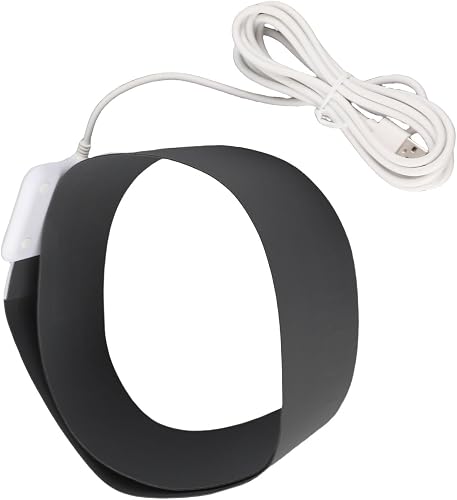
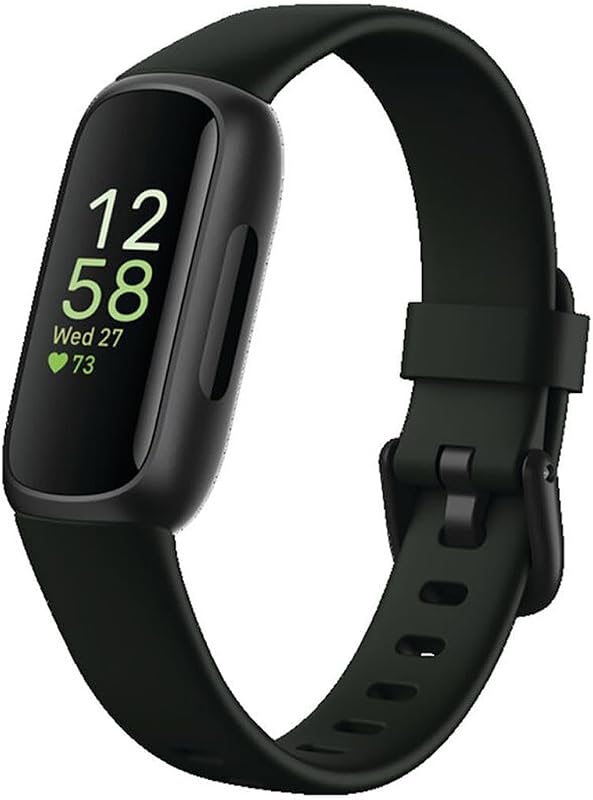
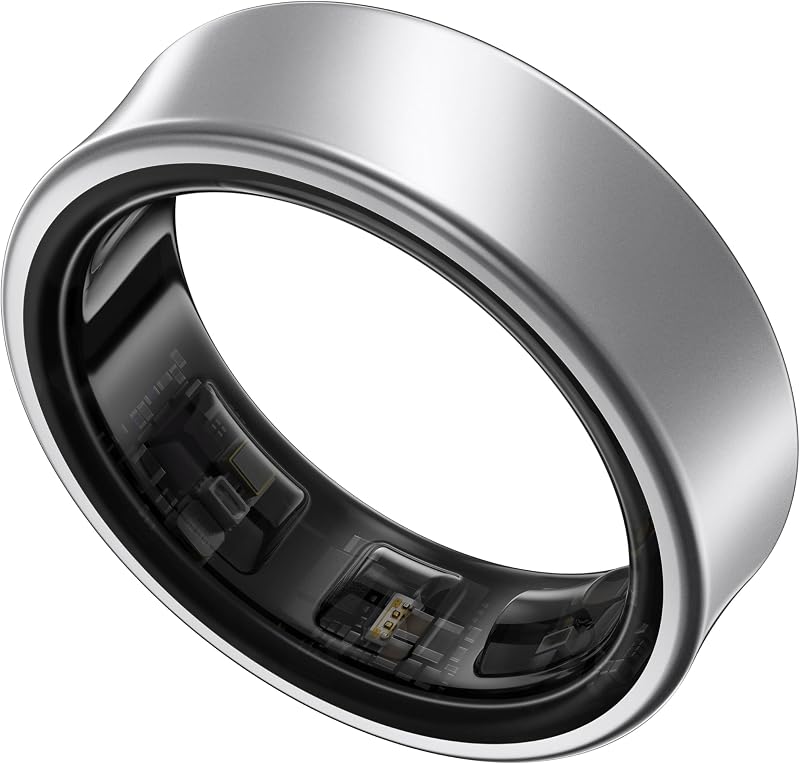
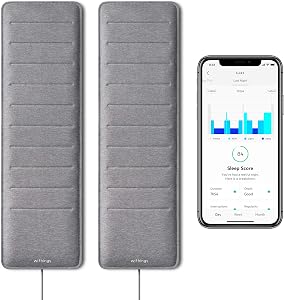
Featured recommendations from our review database — direct Amazon links below.
Quick Snapshot: The 2026 Sleep Tracker Price Landscape\n
| Tier | Price Range | What You Get | Best For |
|---|---|---|---|
| Entry | $30 – $99 | Basic sleep stages, step counting | First-time trackers, casual users |
| Mid-Range | $100 – $249 | Heart rate variability, SpO2, smart alarms | Health-conscious optimizers |
| Premium | $250 – $399 | Advanced biometrics, AI coaching | Athletes, biohackers |
| Elite | $400+ | Medical-grade accuracy, ecosystem integration | Serious wellness investors |
Why Your 2026 Budget Decision Hits Different
Sleep tech has evolved faster in the last 18 months than in the previous decade. AI-powered insights, temperature-sensitive smart mattress covers, and non-wearable radar trackers have completely rewritten what's possible.
The Stat That Should Stop You Cold
> 35% of adults sleep fewer than 7 hours per night — and the economic cost of poor sleep is estimated at $411 billion annually in the U.S. alone.
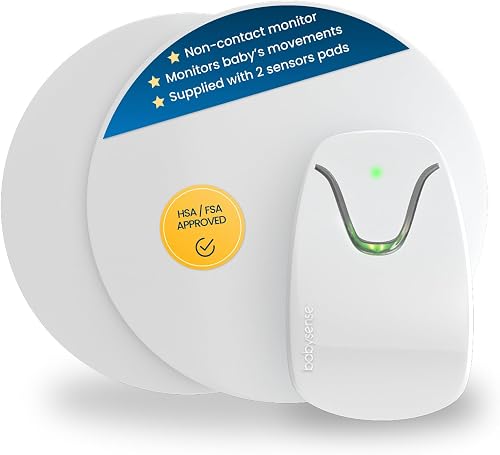
Investing $100–$300 to reclaim your nights? Suddenly it looks like the bargain of the century.
Watch: Sleep Tracker Buying Guide Breakdown
How Much Should YOU Actually Spend? (A Personality-Based Guide)
Tier 1: The Curious Beginner — Budget: $30 to $99
You're new to this. You want to see if sleep tracking is even worth it for you. Don't overspend.
What to look for:
- Basic sleep stage detection (light, deep, REM)
- 5+ day battery life
- Smartphone app with weekly trends
- Comfortable enough to sleep in nightly
> Expert Tip: At this tier, consistency beats accuracy. A $50 tracker worn every night will teach you more than a $400 tracker you keep forgetting.
Tier 2: The Health Optimizer — Budget: $100 to $249
You're ready to take this seriously. You want actionable data, not just pretty graphs.
What you'll unlock at this tier:
- Heart Rate Variability (HRV) — the gold-standard recovery metric
- SpO2 monitoring for breathing irregularities
- Skin temperature trends
- Smart alarms that wake you during light sleep
- Stress and readiness scores
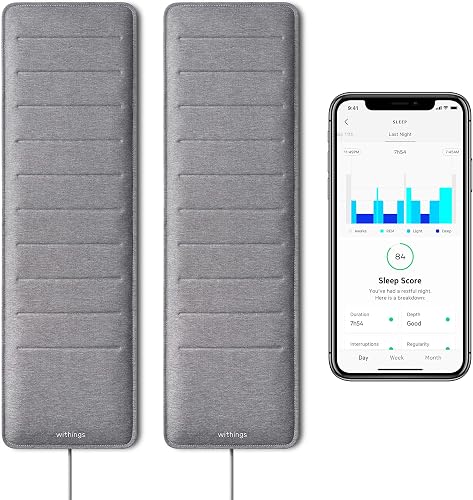
Tier 3: The Performance Athlete — Budget: $250 to $399
You train hard. You recover harder. Every percentage point matters.
Premium features that earn their keep:
- Continuous 24/7 biometric monitoring
- AI-driven personalized coaching
- Training load and recovery integration
- Discreet ring or pendant form factors
- Subscription-based deep analytics
Tier 4: The Serious Wellness Investor — Budget: $400+
Welcome to the deep end. Smart mattress covers with dynamic temperature regulation, medical-grade EEG headbands, and fully integrated sleep ecosystems live here.
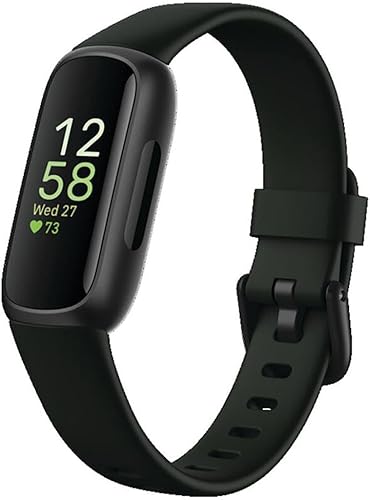
Worth it if:
- You have a documented sleep disorder
- You're managing chronic health conditions
- You're a quantified-self enthusiast
- Sleep quality directly impacts your income
The Hidden Costs Nobody Talks About
Before you click "buy," budget for these silent budget-killers:
- Subscription fees — $60 to $180 per year is common
- Replacement bands or chargers — $20 to $50
- Battery replacement — every 2 to 3 years on rings
- App ecosystem lock-in — switching brands means losing historical data
Key Takeaways: Your Smart Money Cheat Sheet
> The 80/20 Rule of Sleep Tracking: Spending $150 to $250 delivers roughly 80% of the benefits of a $500 device — for less than half the price.
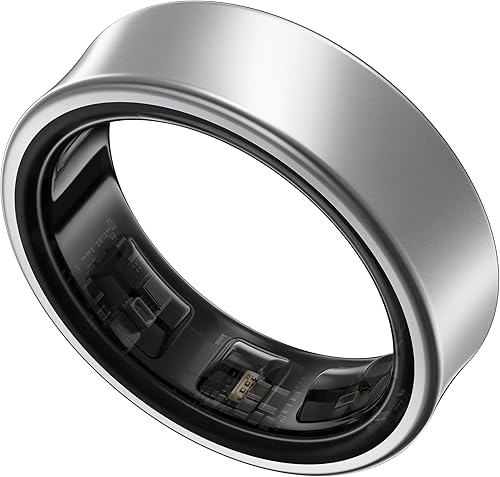
- Start with intention, not gadgets. Know why you're tracking before you buy.
- Battery life beats features. A tracker on the charger is a tracker that fails you.
- Comfort is non-negotiable. If it bothers you at 3 AM, it's the wrong device.
- Beware lifetime subscription traps. Total cost over 3 years matters more than sticker price.
- Read return policies. Sleep is personal — give yourself 30 days to truly test it.
Deep Dive: How Sleep Trackers Actually Work
The Final Verdict: What Should YOU Spend?
If we had to give one universal answer, it would be this:
> For most people in 2026, the magic number is $179 to $229.
At that price point, you get meaningful accuracy, trustworthy biometrics, excellent battery life, and a mature app ecosystem — without paying the premium tax for features you'll never fully use.
Spend less if you're testing the waters. Spend more if your health or performance depends on it. But don't spend blindly — and never confuse price with quality.
Your best night of sleep this year doesn't depend on the most expensive device. It depends on the right device, worn consistently, with data you actually act on.
Sweet dreams — and smart spending.
Related Reviews
- Sleep Tracker Buying Guide: How to Choose the Right Device in 2026
- Common Mistakes to Avoid When Buying a Sleep Tracker: Expert Tips
- Key Features to Look for in a Smart Sleep Device: Complete Guide
- How to Choose the Right Sleep Tracker: A Buyer's FAQ Guide
- How to Read and Interpret Your Sleep Tracker Data: A Complete Guide
Key Takeaways
- Choosing the right sleep tracker price guide means matching capacity and output ports to your actual devices
- Always check actual watt-hours (Wh), not just watts — runtime depends on Wh, not peak output
- Also covers: affordable sleep trackers
- Also covers: sleep tracker cost comparison
- Also covers: are expensive sleep trackers worth it
- Compare price-per-Wh across models to find the best value for your budget