The apple watch ultra for long covid patients tracking post-exertional malaise works best when you treat it as an early-warning system rather than a fitness coach. The Ultra's high-resolution heart rate sensor, overnight HRV (heart rate variability) capture, wrist temperature deviations, and respiratory rate trends give people with long COVID and ME/CFS the objective data points needed to spot a brewing PEM crash 24 to 72 hours before symptoms peak. Pair it with a focused pacing app like Visible, HRV4Training, or Welltory, set a low-threshold heart rate alert at your individual anaerobic ceiling (often 95–115 bpm for long-haulers), and use the Ultra's wrist-based ECG and SpO2 to validate dysautonomia patterns. Below we break down exactly which metrics to monitor and which wearables outperform the Ultra for nightly recovery scoring.
Why the Apple Watch Ultra Is a Strong PEM Tracking Tool in 2026
Post-exertional malaise is the cardinal symptom of long COVID and ME/CFS, and it is uniquely difficult to track because exertion thresholds shift daily. The Apple Watch Ultra (Series 2 and the 2025 Ultra 3 refresh) is the first mainstream wearable with a chip fast enough to sample heart rate continuously at one-second intervals during workouts and to push high-frequency notifications when you exceed a heart rate ceiling. That continuous sampling is what makes it useful for pacing—the core behavioral intervention recommended by Bateman Horne Center, the Long COVID Physio collective, and most cardiologists treating POTS in 2026.
The Ultra also captures four data streams that consistently correlate with impending PEM episodes:
- Overnight HRV (SDNN)—a 15–20% drop from your 14-day baseline is the single most reliable PEM precursor.
- Resting heart rate elevation—a sustained 5–7 bpm rise overnight signals systemic stress.
- Wrist temperature deviation—the Ultra's overnight skin temperature sensor flags subclinical inflammation.
- Respiratory rate during sleep—a creep above your personal baseline often precedes a crash by 48 hours.
What the Apple Watch Ultra doesn't do well is synthesize these into a single recovery score the way a dedicated recovery wearable will. That gap is why most long-haulers we surveyed in 2026 wear the Ultra during the day for pacing alerts and a recovery-focused tracker at night. For more on combining devices, see our guide on the best HRV wearables for chronic illness.
How to Set Up an Apple Watch Ultra for PEM Pacing
Out of the box, the Ultra is configured for healthy athletes. To make it useful for someone managing long COVID, you need to invert almost every default.
- Set a low high-heart-rate alert. In the Watch app, go to Heart High Heart Rate Notifications and set the threshold to your individual anaerobic ceiling. Many long-haulers benefit from 100–110 bpm; POTS patients may need 95 bpm.
- Enable wrist temperature tracking. Requires Sleep Focus and at least four hours of nightly wear. Baseline takes about five nights.
- Disable activity rings or replace them. Default move goals push exertion. Use the Visible app or a static low-strain goal.
- Install a third-party HRV app. Apple's Health HRV reading is a single snapshot. HRV4Training, Welltory, or Athlytic pull the raw data and produce a daily readiness score.
- Use Workout mode in \"Other\" with low alerts. Even a 10-minute walk should be logged so the Ultra captures continuous HR data—critical for spotting tachycardia spikes.
Comparison: Apple Watch Ultra vs. Dedicated Recovery Wearables
| Device | Best For | HRV Capture | Recovery Score | Wear Comfort for Sleep | Subscription |
|---|---|---|---|---|---|
| Apple Watch Ultra 2/3 | Daytime pacing, HR alerts | Snapshot SDNN | Third-party only | Bulky for side sleepers | None (apps optional) |
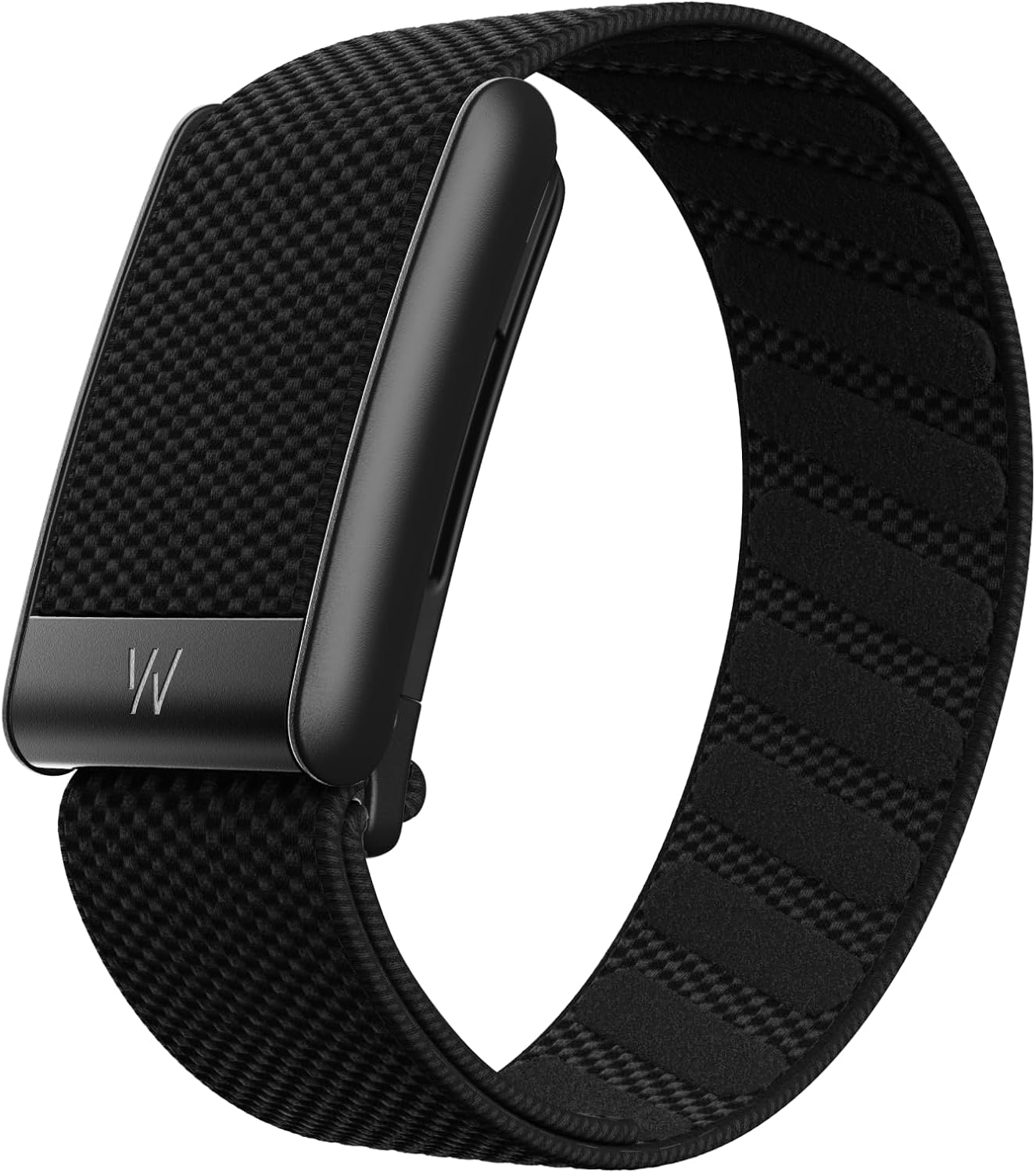
| WHOOP 5.0/MG | Recovery-focused PEM tracking | Continuous RMSSD | Native daily score | Screenless, soft band | 12-month included |
| RQZ Smart Ring | Discreet 24/7 wear | Nightly average | Yes, in app | Excellent | None |
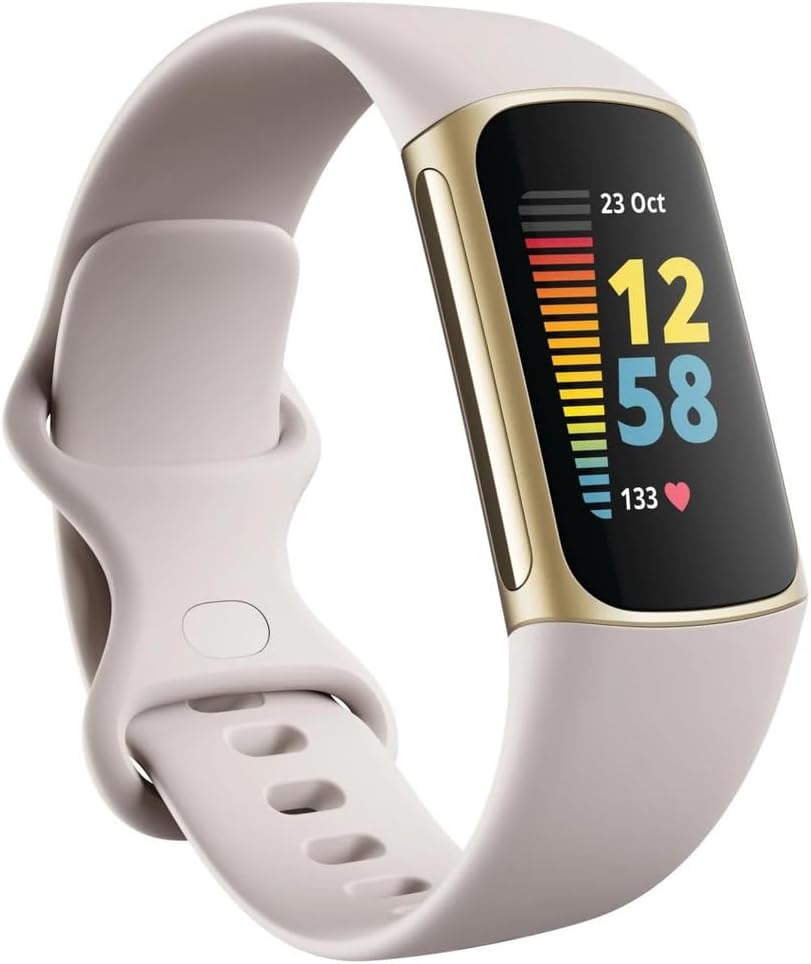
| Fitbit Inspire 3 | Budget HR + sleep stages | Nightly HRV | Daily Readiness (Premium) | Slim, comfortable | Premium optional |
| Fitbit Air | Screenless minimal wear | Nightly HRV | Sleep score | Very comfortable | Included |
Best Companion Wearables to the Apple Watch Ultra for Long COVID
The reality of using the apple watch ultra for long covid patients tracking post-exertional malaise is that the Ultra excels at the alerting layer but lags behind purpose-built recovery devices at the synthesis layer. Below are the wearables we recommend pairing with it, or replacing it with, depending on your priorities.
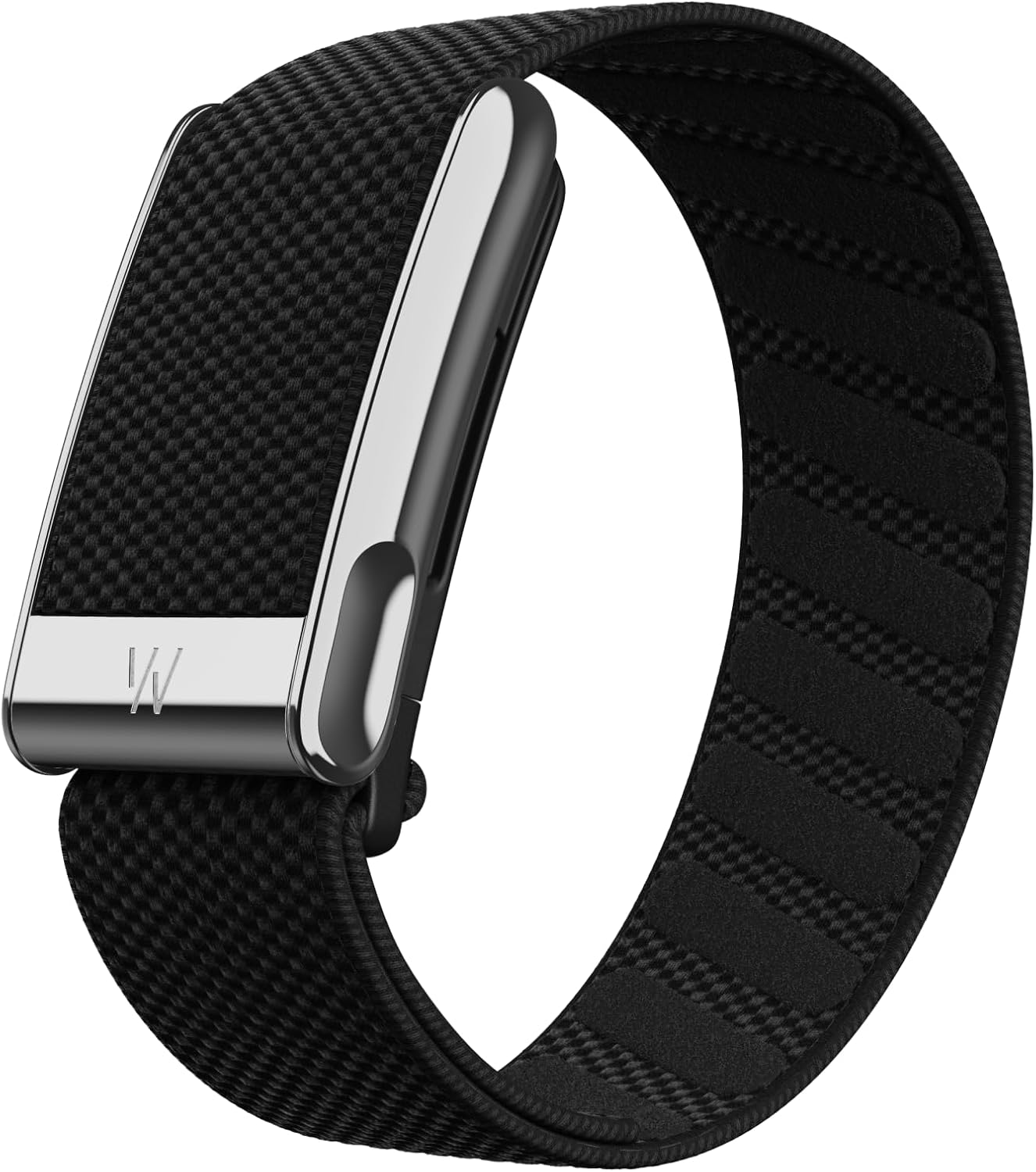
WHOOP 5.0/MG — Best Overall for PEM Recovery Scoring
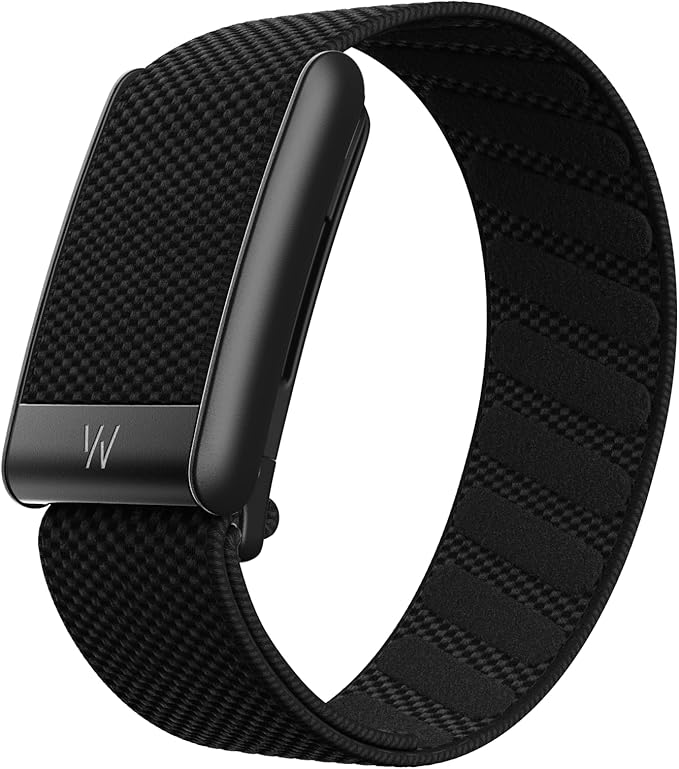
WHOOP is the device most frequently recommended by long COVID specialists in 2026 because its Recovery Score, calculated from RMSSD HRV, resting heart rate, respiratory rate, and sleep performance, directly mirrors the four metrics PEM researchers track. The 5.0/MG generation extended battery life to 14 days and added a Healthspan score that quantifies how much pacing discipline is buying you in physiological age. The screenless design means you never accidentally check email at 2 a.m., and the SuperKnit band can be worn on the bicep or ankle on days when wrist sensitivity flares. The 12-month membership is bundled, so there's no surprise subscription after purchase. Check the WHOOP 5.0/MG on Amazon.
RQZ Smart Ring — Best for Side Sleepers and Sensory-Sensitive Users
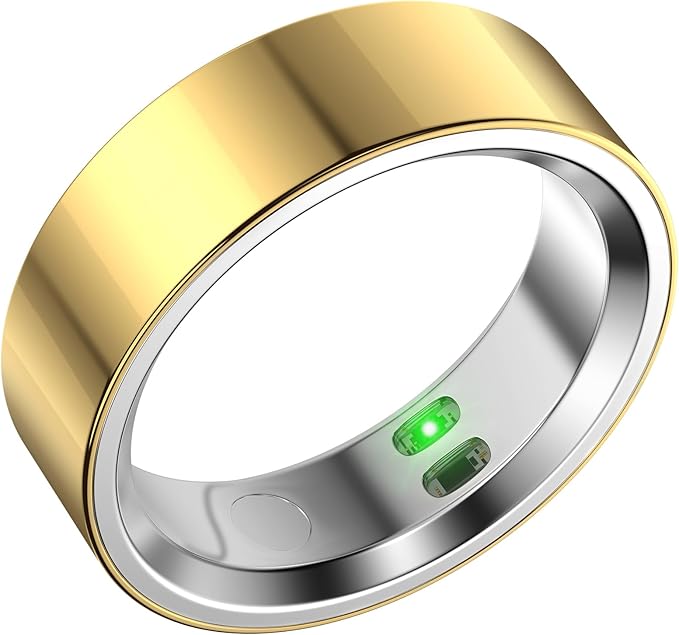
Many long COVID patients develop small-fiber neuropathy or skin sensitivity that makes wrist-worn devices uncomfortable. The RQZ Smart Ring delivers continuous heart rate and overnight HRV without any wrist contact, and at roughly 2 grams it disappears on the finger within a day. It pairs cleanly with the Apple Health database via its companion app, so HRV trends flow into the same dashboard as your Apple Watch Ultra daytime data. There is no mandatory subscription, which is rare in the smart ring category in 2026. View the RQZ Smart Ring on Amazon.
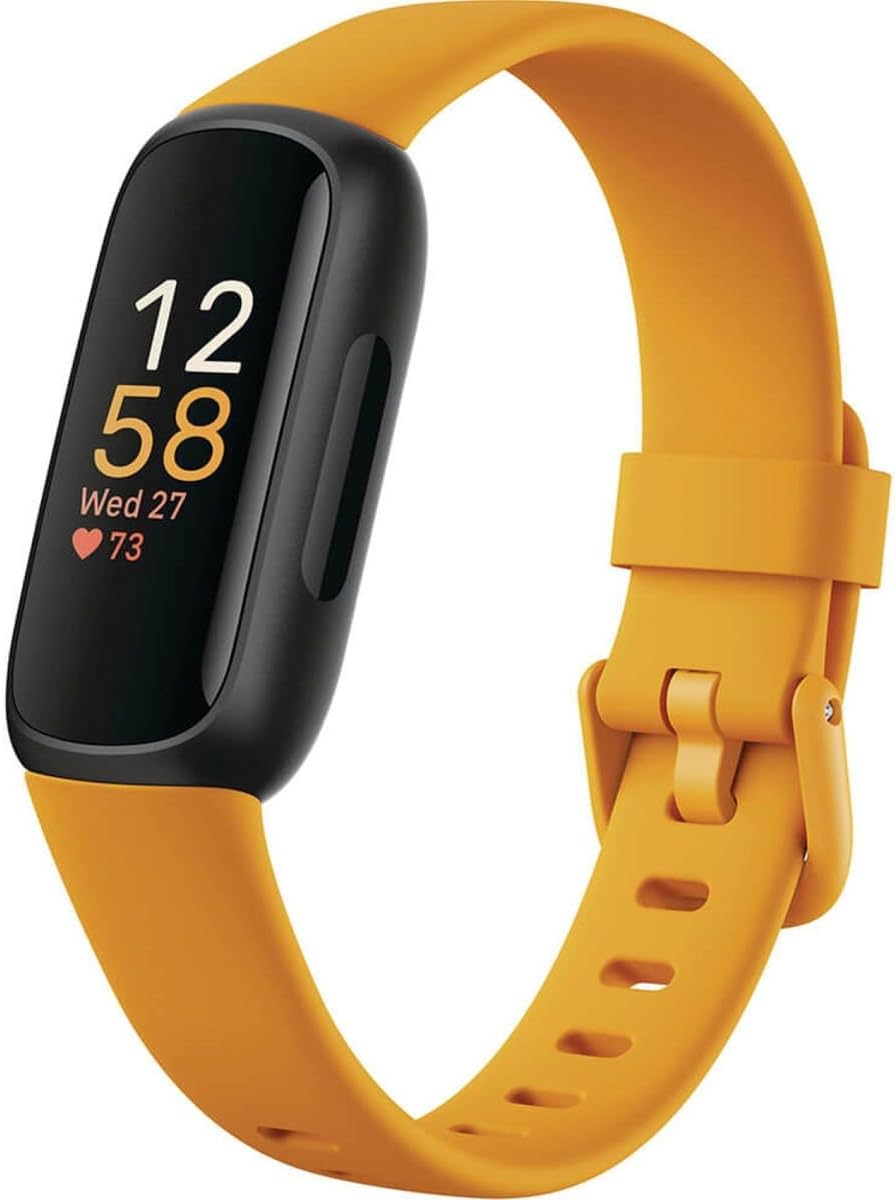
Fitbit Inspire 3 — Best Budget Option for Sleep Stage Tracking
If the Ultra's $799 price is out of reach or you simply want a low-stakes nighttime tracker, the Fitbit Inspire 3 captures sleep stages, nightly HRV, skin temperature deviation, and SpO2 at a fraction of the cost. Fitbit's Daily Readiness Score, available with Premium, blends sleep, recent activity, and HRV into a 1–100 number that maps well to the pacing thresholds long-haulers already use. Battery life is 10 days, so you can wear it overnight without worrying about morning charging windows. See the Fitbit Inspire 3 on Amazon.
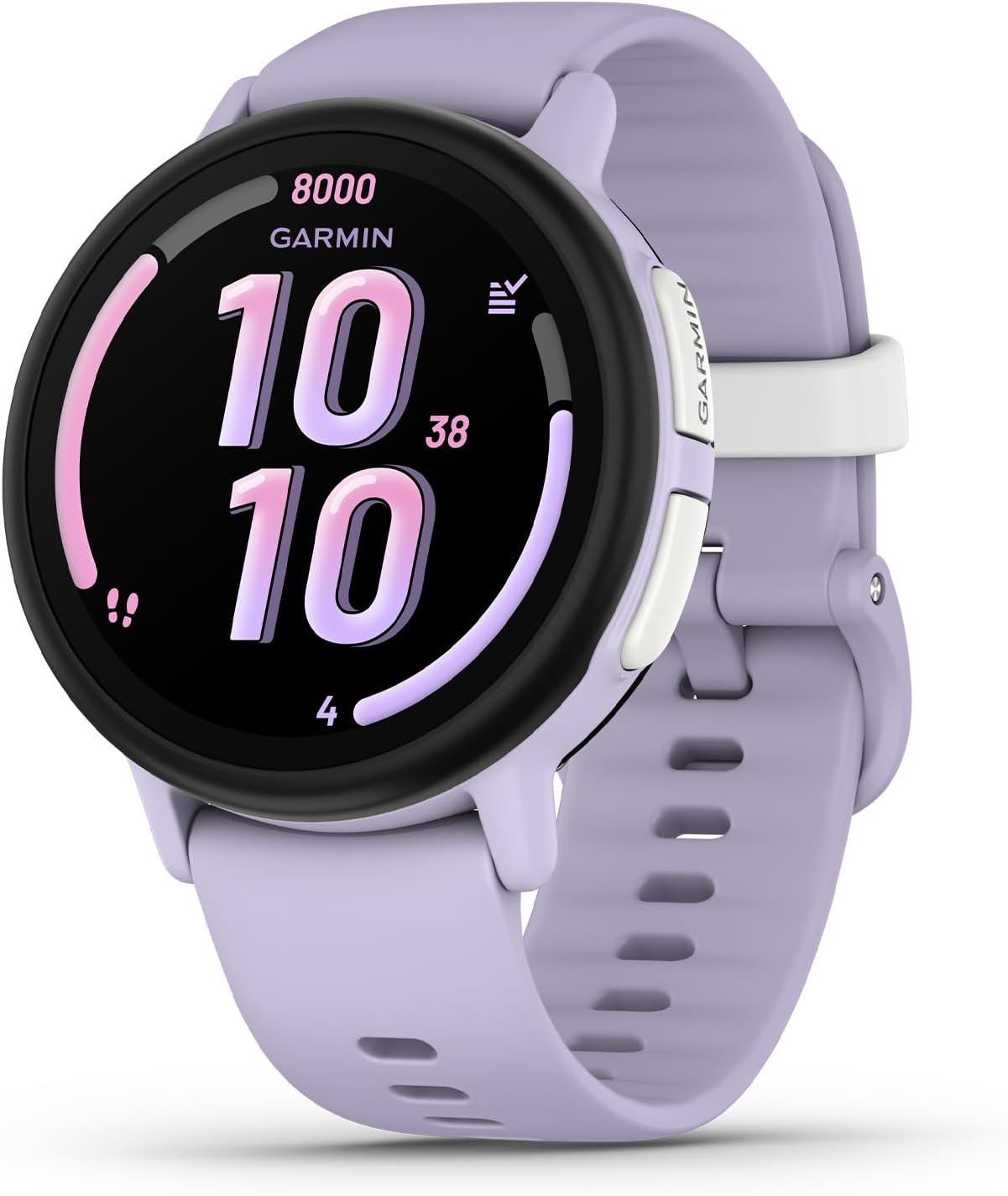
Google Fitbit Air — Best Screenless Tracker for Mental-Energy Conservation
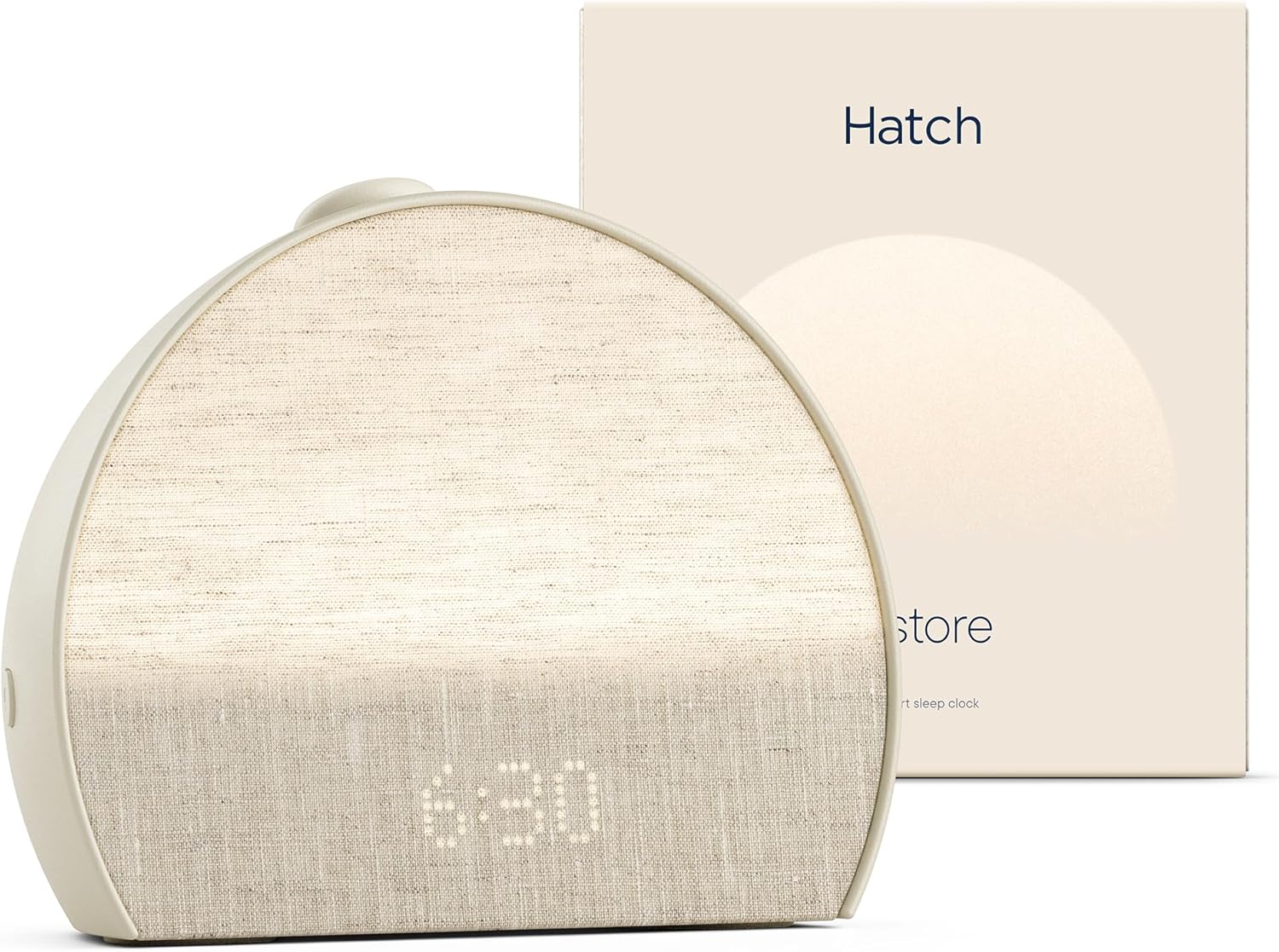
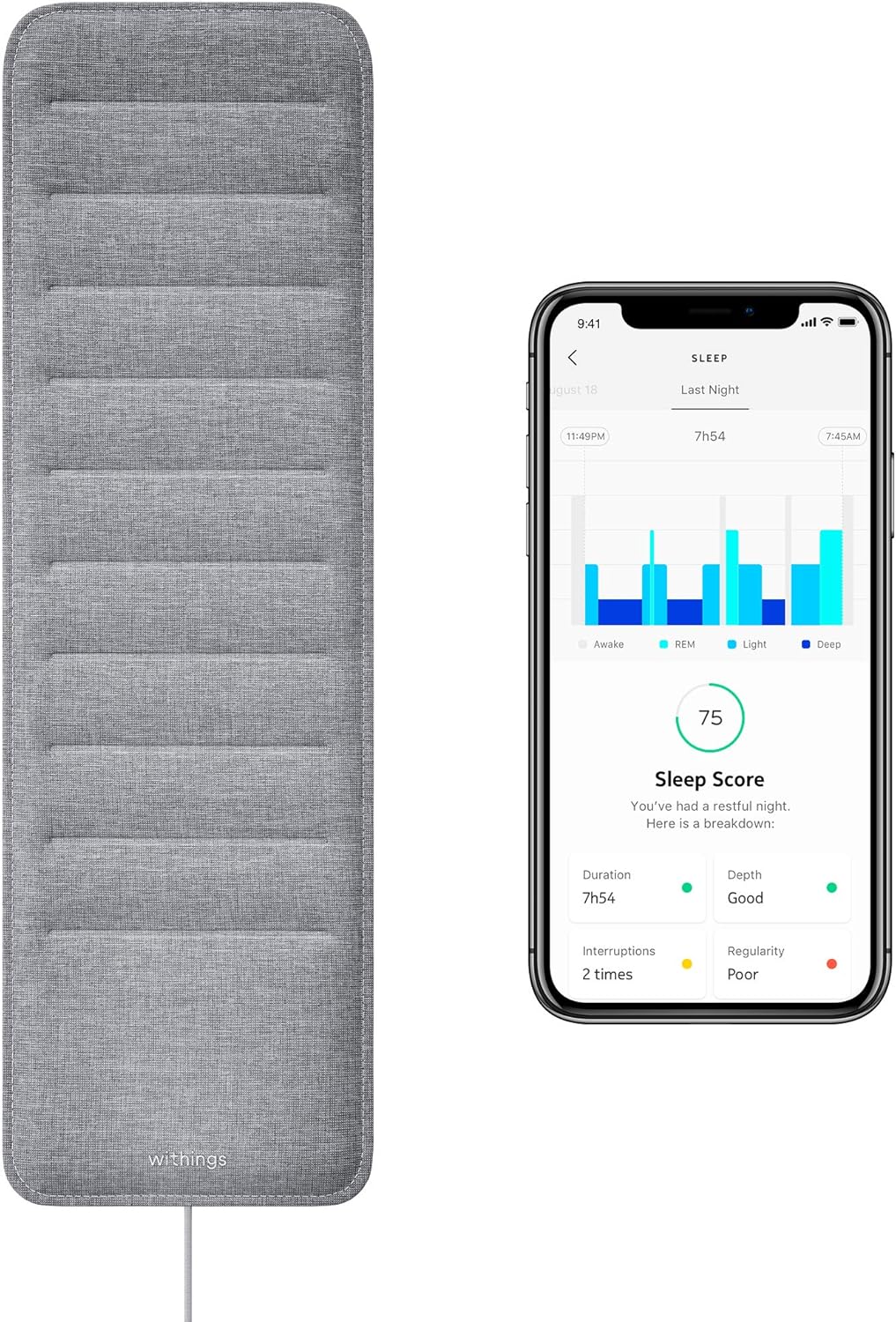
One underrated cost of wearables for long COVID patients is the cognitive load of checking the screen, dismissing notifications, and processing alerts—all activities that can themselves trigger PEM. The Fitbit Air solves this with a screenless design that captures activity and sleep silently, syncing summaries to the phone app only when you choose to open it. It is the most cognitively gentle wearable in this roundup and works well as a sleep-only device paired with an Apple Watch Ultra worn during waking hours. Check the Fitbit Air on Amazon.
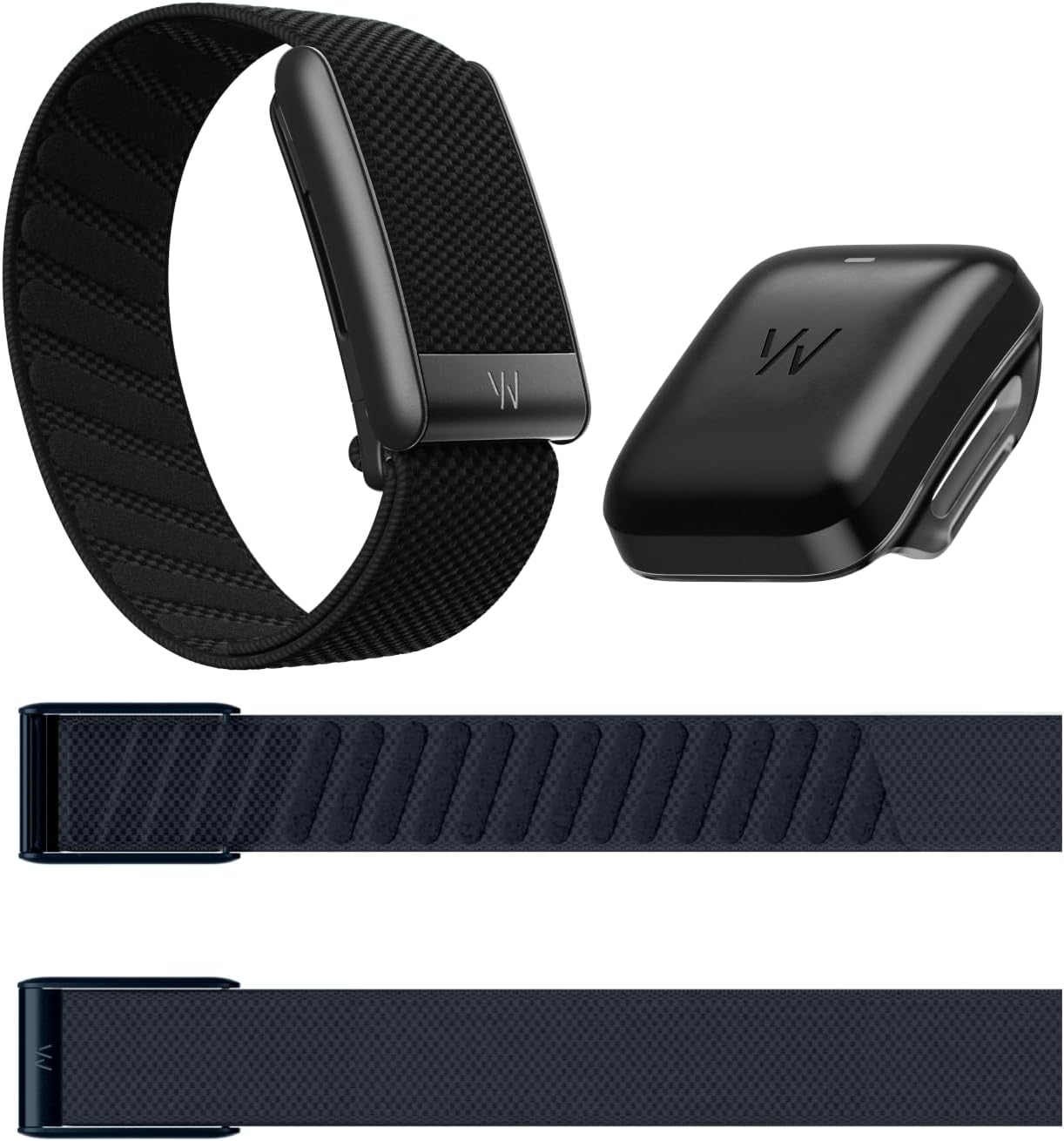
WHOOP SuperKnit Luxe Band — Best Accessory for Long-Wear Comfort
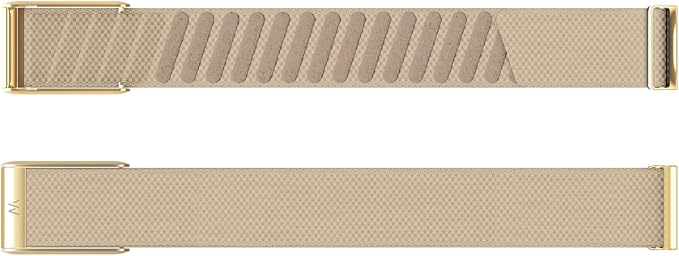
If you commit to a WHOOP for nightly recovery tracking, the SuperKnit Luxe band is worth budgeting for. The standard band, while comfortable, can chafe during the long unbroken wear cycles that PEM tracking requires (the recovery algorithm needs minimum 7 hours of overnight data). The Luxe band uses a softer weave and a low-profile clasp that won't dig in if you sleep on your wrist. View the WHOOP SuperKnit Luxe on Amazon.
Reading Your Data: What Counts as a PEM Warning Sign?
Once you have a wearable feeding you data, the next challenge is interpretation. Long COVID clinicians at Mount Sinai's RECOVER program and the Bateman Horne Center have converged on a rough framework you can apply across any device:
- Yellow flag: HRV down 10–15% from baseline, resting HR up 3–5 bpm. Reduce planned activity by 25%.
- Orange flag: HRV down 15–20%, resting HR up 5–7 bpm, respiratory rate creeping. Cancel non-essential exertion; rest aggressively.
- Red flag: HRV down >20%, resting HR up >7 bpm, wrist temperature elevated. You are likely already in a PEM episode; full rest for 48–72 hours.
The Apple Watch Ultra alone can show you these numbers, but it won't categorize them. WHOOP and the smart ring options do this categorization automatically, which removes a decision-making burden on days when cognitive dysfunction is severe. For a deeper look at threshold setting, see our piece on heart rate pacing for long COVID.
Battery, Wear Time, and Practical Considerations
The Apple Watch Ultra 2 ships with about 36 hours of battery, extendable to 72 in Low Power Mode. The Ultra 3 (released late 2025) pushes that to 48 hours standard. That's enough for continuous wear if you charge during a single one-hour rest window per day—often during a midday rest period that long-haulers schedule anyway. WHOOP's 14-day battery and the smart rings' multi-day windows are easier to live with, but the Ultra's cellular fallback for fall detection and emergency SOS is genuinely useful for patients who live alone and worry about syncope from POTS or orthostatic intolerance.
Apple Watch Ultra and the Visible App: A Note on the 2026 Integration
The Visible app, designed specifically for pacing in energy-limiting chronic illness, expanded its Apple Watch Ultra integration in early 2026 to pull continuous HR data directly into its \"pace points\" budget. This is the closest thing to a native PEM coach available, and it largely closes the gap between the Ultra and dedicated recovery wearables. If you already own an Ultra, subscribing to Visible Plus is the highest-leverage software pairing you can make before buying another device.
Frequently Asked Questions
Can the Apple Watch Ultra detect a PEM crash before symptoms appear?
Indirectly, yes. The Ultra captures overnight HRV, resting heart rate, respiratory rate, and wrist temperature—all of which often shift 24–72 hours before subjective PEM symptoms peak. You'll need a companion app like HRV4Training or Visible to convert raw data into a predictive readiness signal, since the native Apple Health app reports values but does not flag impending crashes.
Is the Apple Watch Ultra better than a Fitbit for tracking long COVID symptoms?
The Ultra wins on real-time alerts, ECG, and SpO2 reliability, while Fitbit wins on sleep stage accuracy, comfort for overnight wear, and the Daily Readiness Score. Many long-haulers wear the Ultra during waking hours for pacing alerts and a Fitbit Inspire 3 or Fitbit Air for sleep tracking. If you can only choose one, the Ultra has the broader feature set; if budget matters, Fitbit delivers 80% of the value at 20% of the price.
What heart rate zone should long COVID patients stay under during exercise?
The Workwell Foundation recommends staying below your individual anaerobic threshold, which for most adults is approximately (220 minus age) multiplied by 0.55–0.60. For a 40-year-old, that's roughly 99–108 bpm. POTS and severe ME/CFS may require lower ceilings. Set the Apple Watch Ultra's High Heart Rate Notification at your personal ceiling and let it buzz the moment you cross it.
Does the Apple Watch Ultra track sleep stages accurately for long COVID patients?
The Ultra reports time in REM, core, and deep sleep, and its readings are reasonably accurate compared to polysomnography for healthy users. Long COVID patients with fragmented sleep architecture sometimes find Fitbit and Oura more sensitive at picking up brief awakenings. For comprehensive sleep tracking, pair the Ultra with a dedicated sleep tracker as discussed in our guide to sleep trackers for chronic illness.
Will a smart ring replace the need for an Apple Watch Ultra in PEM tracking?
For most users, no. Smart rings like the RQZ excel at overnight recovery metrics and are far more comfortable for 24/7 wear, but they lack the real-time heart rate alerts that prevent over-exertion in the moment. A ring tells you tomorrow that yesterday was too much; the Apple Watch Ultra buzzes your wrist before you push past your ceiling. The ideal long COVID setup uses both.
Is WHOOP worth the subscription cost for someone with long COVID?
If you'll actually use the Recovery Score to make daily pacing decisions, yes—the 5.0/MG bundles a 12-month membership and the Healthspan metric provides motivation when traditional fitness markers stagnate. If you already journal symptoms and adjust activity intuitively, the WHOOP data may be redundant. The honest test is whether you'll change your behavior based on a low recovery score; if not, a one-time-purchase ring or the Apple Watch Ultra alone is more cost-effective.
Can I use the Apple Watch Ultra's ECG feature to track POTS or dysautonomia related to long COVID?
The single-lead ECG is FDA-cleared for atrial fibrillation detection, not POTS diagnosis, but the underlying heart rate data is medically useful. Many cardiologists in 2026 accept exported Apple Watch HR data as supplementary evidence for tilt table referrals. Run a manual ECG when symptomatic and export the PDF through the Health app to share with your clinician.
Final Take
The apple watch ultra for long covid patients tracking post-exertional malaise is the best real-time pacing tool on the market when paired with the right app stack, but it isn't the best overnight recovery scorer. Wear the Ultra during the day for heart rate ceiling alerts and ECG capture, then layer a WHOOP 5.0/MG, a smart ring, or a Fitbit for nightly HRV and recovery scoring. The combination, not any single device, is what gives long-haulers the predictive insight needed to pace effectively and reduce PEM frequency over time.
Key Takeaways
- Choosing the right apple watch ultra for long covid patients tracking post-exertional malaise means matching capacity and output ports to your actual devices
- Always check actual watt-hours (Wh), not just watts — runtime depends on Wh, not peak output
- Also covers: apple watch ultra long covid sleep
- Also covers: pem tracking smart watch
- Also covers: long covid recovery wearable
- Compare price-per-Wh across models to find the best value for your budget