If you're searching for the best non wearable sleep tracker amputees prosthetic limb users can actually live with, you already know the problem: wristbands tangle in liners, finger rings bump against socket edges, and chest straps slip off residual limbs. In 2026, the good news is that under-mattress sensors, bedside radar units, and smart bed pads have matured enough to deliver clinical-grade sleep stage data without touching your skin. This guide walks through what to prioritize when residual limb sensitivity, phantom pain, and overnight prosthetic removal all factor into the equation, then covers the contactless picks plus a couple of low-profile wearables for amputees whose intact limb tolerates a discreet sensor.
Why amputees need non-wearable sleep tracking
Standard sleep trackers are built around a single assumption: you can clip, strap, or wrap them onto a limb every night without consequences. For people living with limb loss, that assumption fails in predictable ways.
- Residual limb sensitivity. Compression from a wristband or biceps strap can aggravate neuromas, scar tissue, and skin grafts—particularly within the first 18 months after amputation.
- Asymmetric placement. Wearing a heart-rate tracker on your only remaining wrist concentrates wear and skin contact, accelerating irritation in a limb you can't afford to lose function in.
- Prosthetic socket interference. Lower-limb amputees who track sleep don't take their socket to bed. Wrist trackers still capture movement, but mid-night phantom limb twitches and socket-removal rituals confuse most algorithms.
- Sweat and liner moisture. Even on the intact limb, gel-and-sleeve sweat overnight can corrode optical heart-rate sensors faster than the manufacturer's warranty assumes.
Non-wearable options sidestep all of this. Sensors live under your mattress, on your nightstand, or inside a thin pad above your fitted sheet. You sleep, data syncs, and nothing touches the skin you're trying to protect.
What to look for in a non-wearable sleep tracker for amputees
Asymmetric body weight detection
Under-mattress sensors infer sleep stages from ballistocardiography—tiny vibrations from your heartbeat and breathing transmitted through the mattress. If you're a lower-limb amputee, your weight distribution is asymmetric, and cheaper sensors with single-zone pads can misread tossing as wake events. Look for multi-zone strips or pads that span at least 30 inches across the bed.
Phantom limb movement filtering
Phantom pain spikes and involuntary residual-limb jerks register as movement on every sleep tracker. The better 2026 systems let you mark a custom "movement profile" so the algorithm doesn't dock your sleep score every time a phantom limb fires at 3 a.m.
Prosthetic removal compatibility
Some bedside radar trackers expect a consistent silhouette. If you remove your prosthesis before bed (most users do), the radar should adapt automatically rather than flagging "user not in bed" when your leg length changes by 18 inches between the bathroom and the bedroom.
Quiet, low-stimulation operation
Any pump, fan, or relay click is intolerable when you're already managing phantom sensations. Stick to passive sensors under 25 dB and avoid trackers that vibrate or pulse light during the night.
Top picks for 2026
The contactless category leader: under-mattress strip sensors
If you can only buy one device, buy an under-mattress strip. Sensors like the Withings Sleep Analyzer and Emfit QS slide flat under the topper, draw no power from your body, and now carry FDA clearance in some configurations for tracking sleep apnea—a known comorbidity for sedentary amputees in the first post-surgical year. You get full sleep stages, heart rate, breathing disturbances, and snore detection without lifting a finger off the mattress. No wearable, no charging, no skin contact ever.
Bedside radar: the prosthetic-friendly runner-up
Google Nest Hub (2nd gen) and Sleep Number's bedside monitors use Soli radar or millimeter-wave sensing to track breathing, movement, and sleep stages from up to three feet away. Because they're contactless, prosthetic removal is invisible to the algorithm. The trade-off: they only track the person closest to the unit, so couples need careful placement.
Discreet finger-only option: RQZ Smart Ring
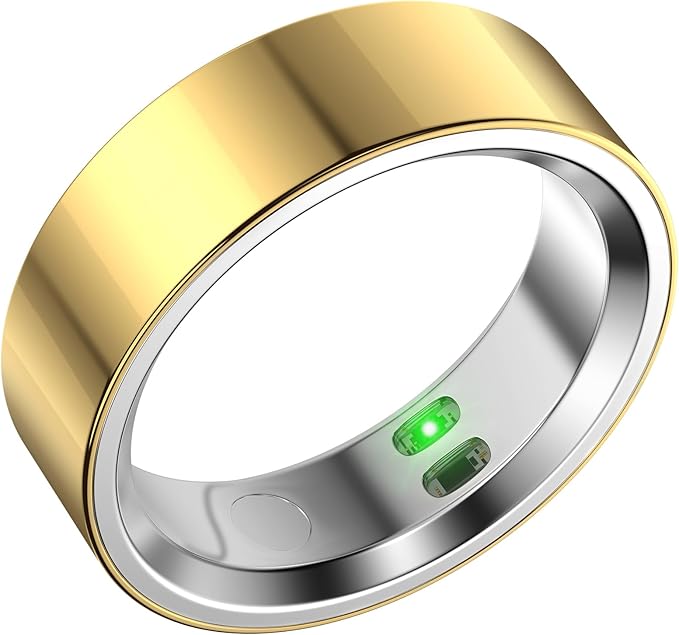
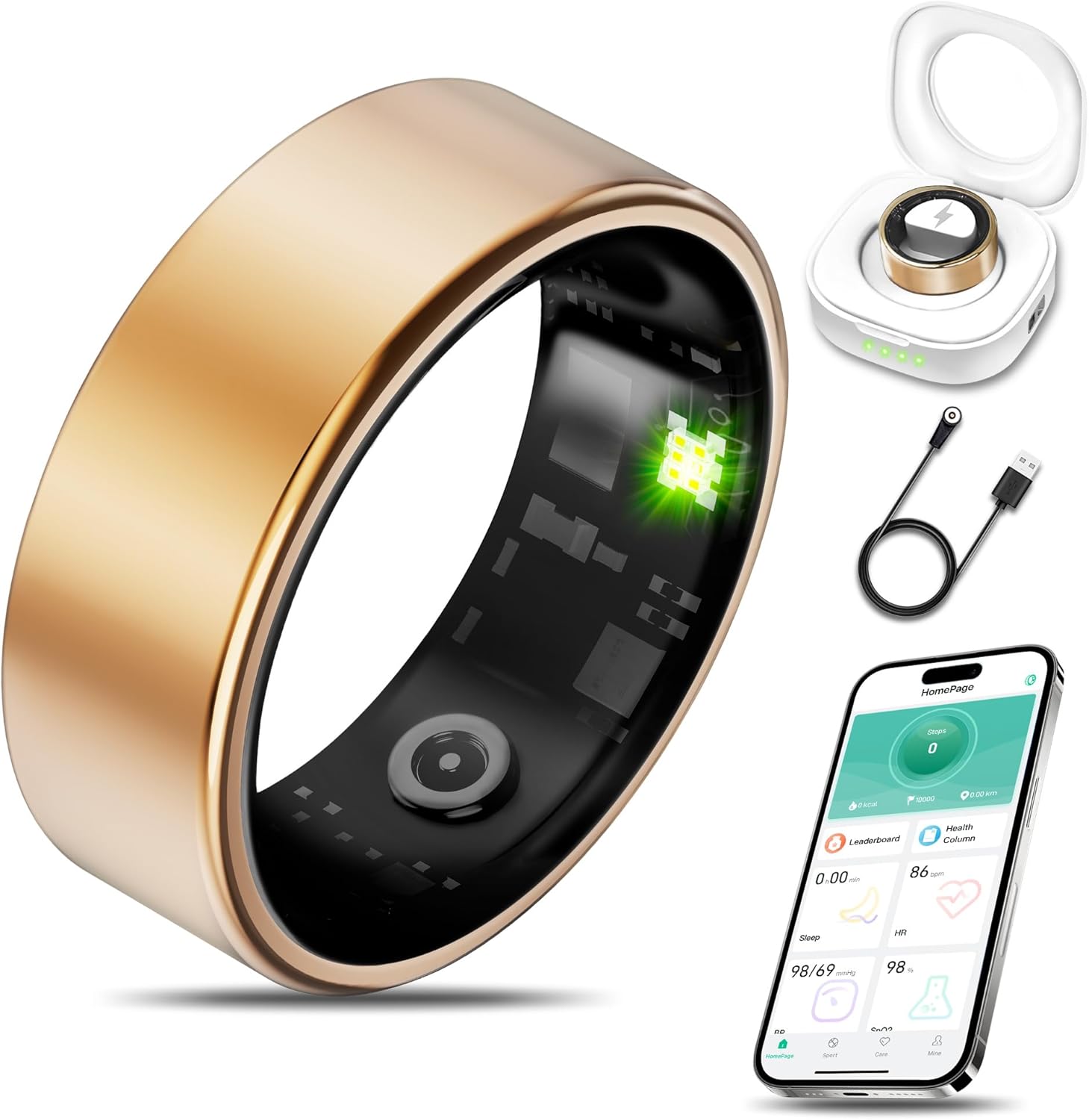
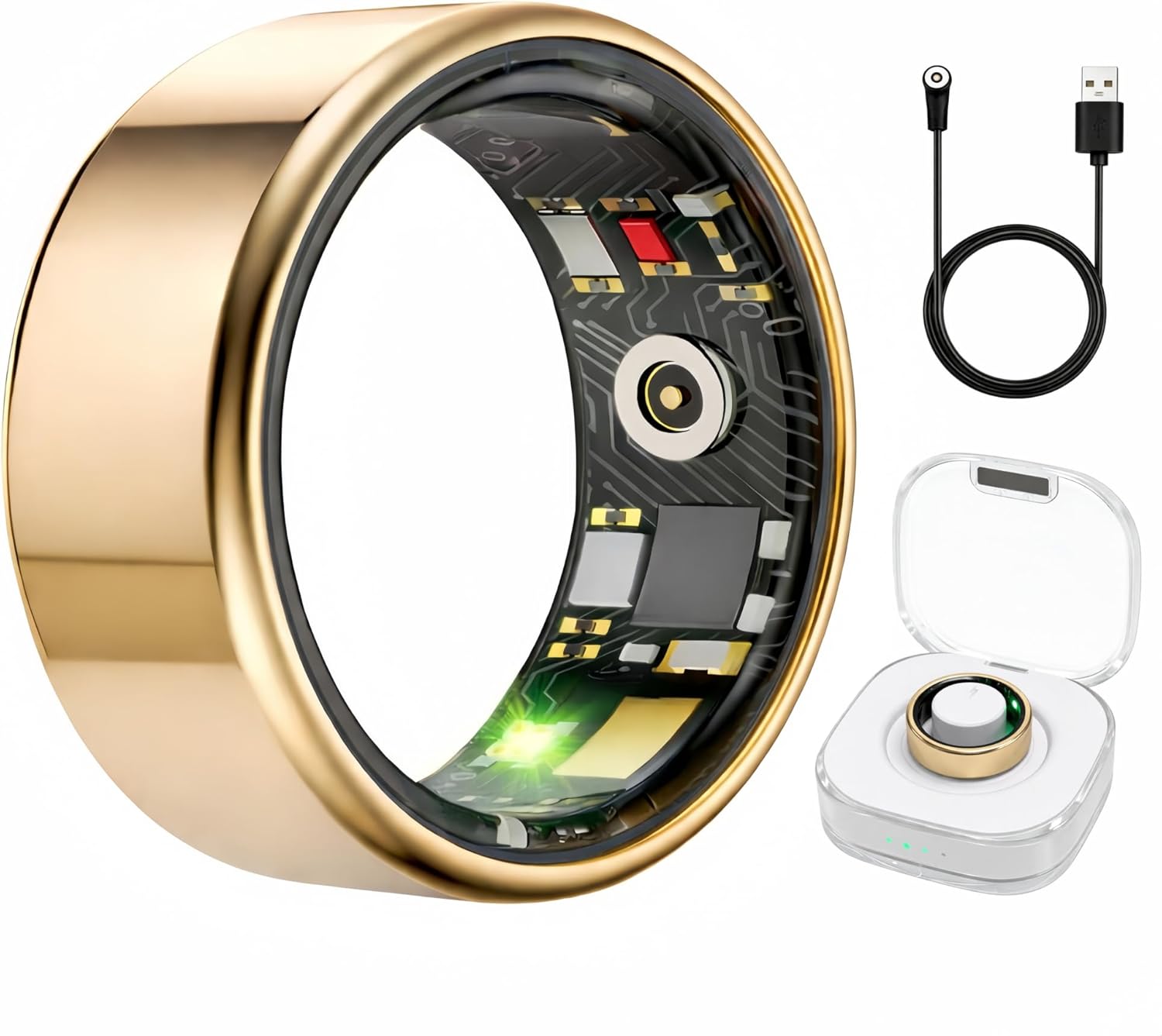
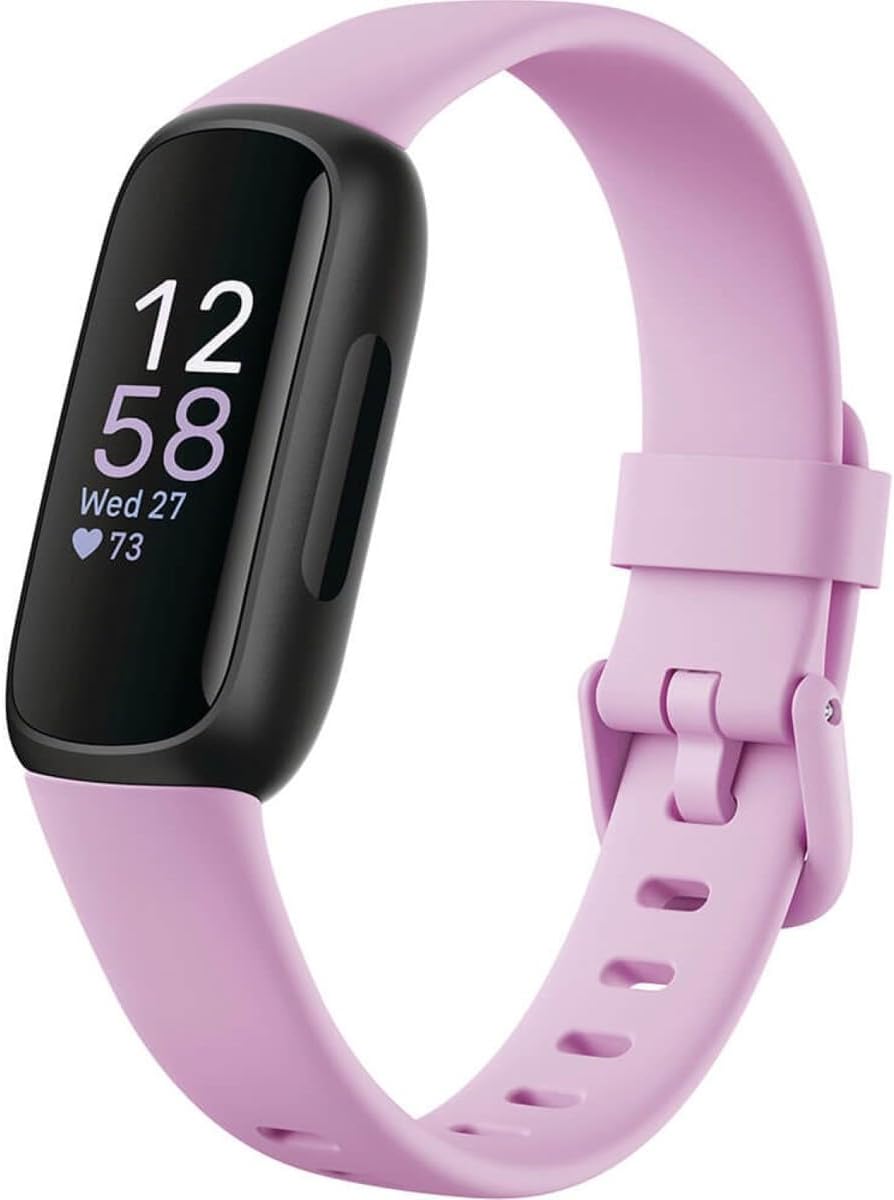
If your remaining hand can comfortably wear a ring, the modern smart ring sidesteps wristband irritation altogether. The RQZ Smart Ring Fitness Tracker (view on Amazon) puts heart rate, SpO2, and sleep stage detection on a single finger, drawing nothing across the residual limb area. Battery life runs four to six days, so you can pair it with your non-wearable bedroom setup for cross-validation without nightly charging. Several upper-limb amputees report it as the most tolerable wearable they've tried because the ring profile won't snag liners or sleeves.
Screenless and low-stimulation: Fitbit Air
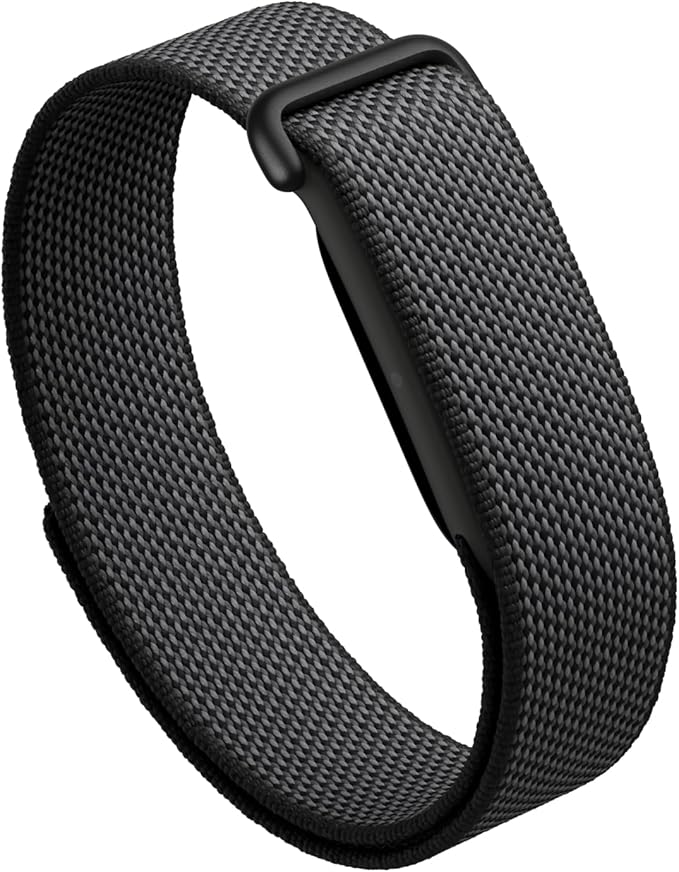
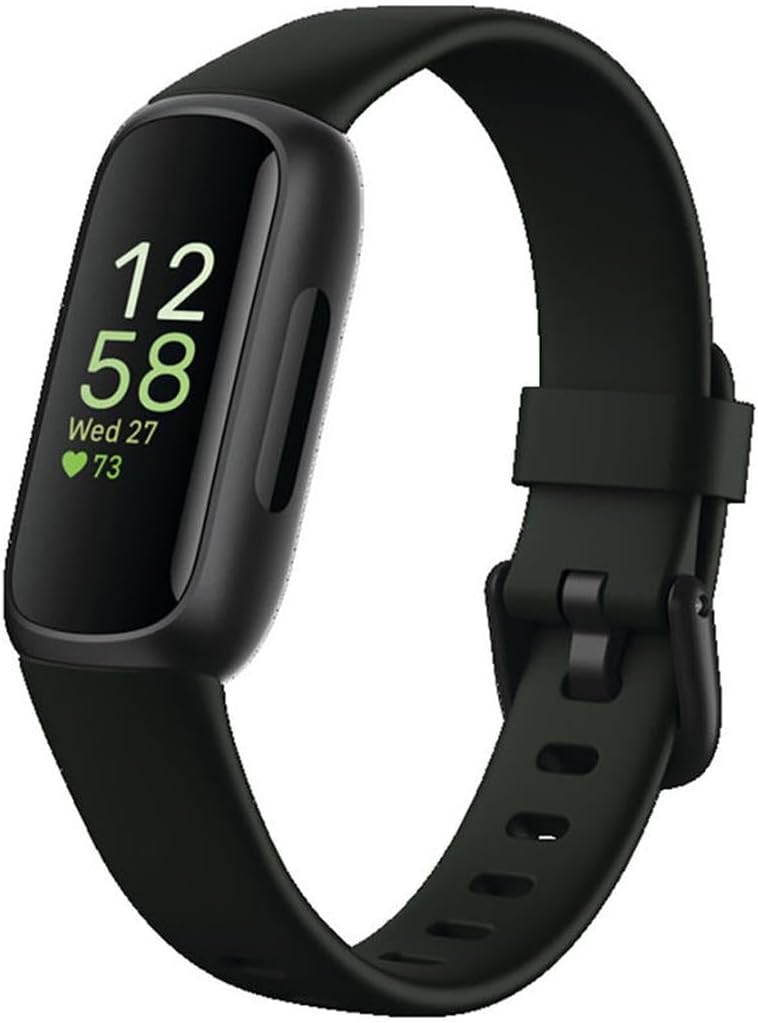
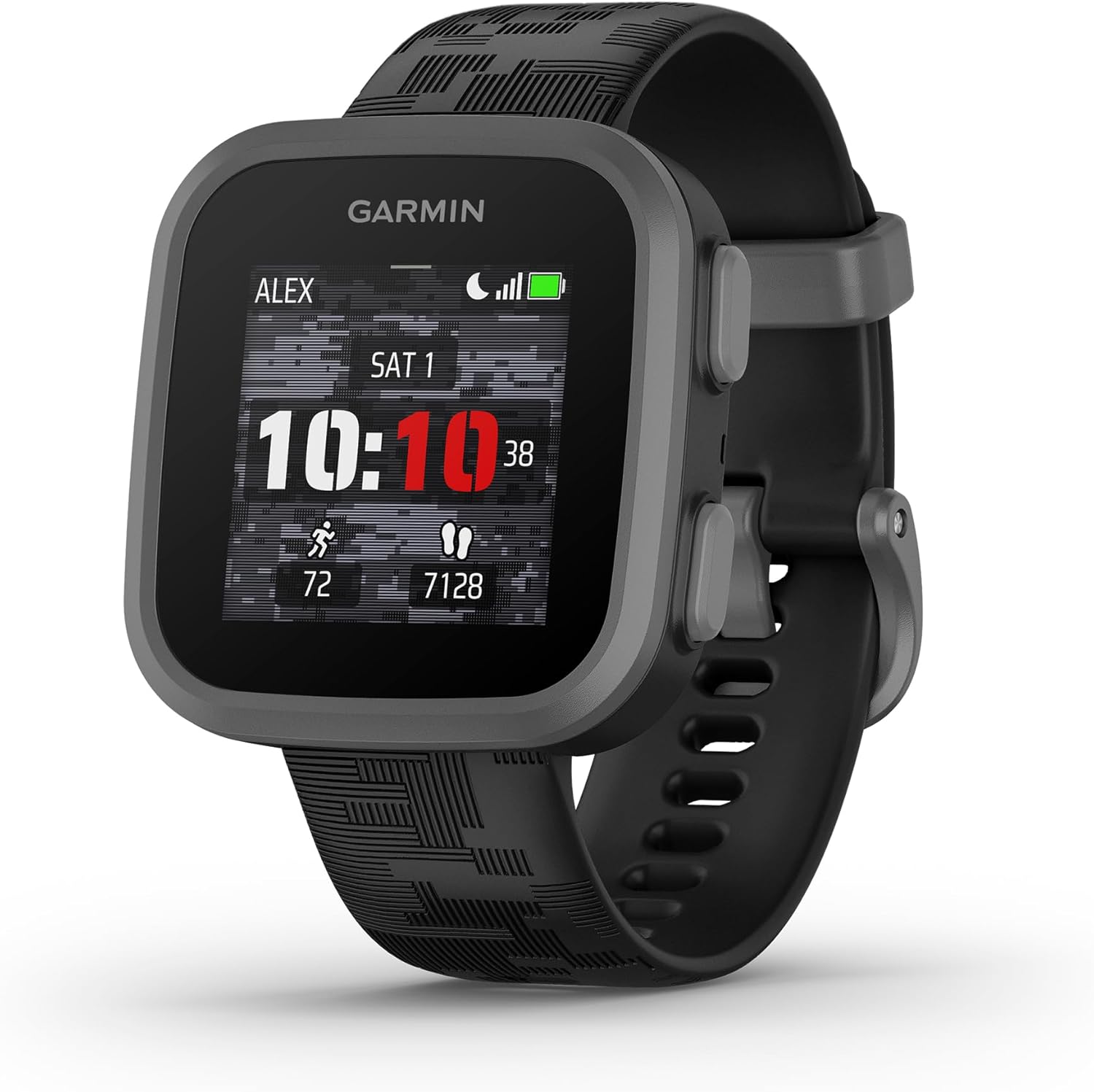
For amputees who hate notification screens flashing during phantom pain flares, the Google Fitbit Air Screenless Activity & Sleep Tracker (view on Amazon) is the lowest-stimulus device in this list. It can be clipped to a waistband or kept on the nightstand within proximity-sensing range. It is technically wearable, but its screenless nature means zero light pollution and zero haptic interruptions during the night—a meaningful difference if you're already coping with restless sleep.
Comparison table: lowest-profile picks
| Device | Skin contact? | Charging | Best for | Approx. price |
|---|---|---|---|---|
| RQZ Smart Ring | Finger only | Every 4–6 days | Upper-limb amputees with intact hands | $60–$90 |
| Fitbit Air Screenless | Optional clip | Every 7 days | Stimulation-sensitive users | $70–$100 |
| Under-mattress strip (category) | None | Plug-in, no charging | The best non wearable sleep tracker amputees prosthetic limb users can adopt long-term | $130–$300 |
| Bedside radar hub | None | Plug-in | Solo sleepers who remove prosthesis nightly | $80–$250 |
Setup tips specific to amputees
Position the sensor under your dominant sleep side
Most amputees develop a preferred side after surgery to avoid pressure on the residual limb. Place under-mattress strips directly under your chest on that side rather than dead-center—the ballistocardiogram signal is stronger and accommodates asymmetric weight distribution.
Recalibrate after a change in phantom-pain medication
Gabapentin, pregabalin, and similar phantom pain medications can subtly suppress heart rate variability. Run a fresh seven-day calibration whenever your dose changes so the baseline doesn't drift and trip false alarms.
Account for prosthesis storage location
If you store your prosthesis on a chair within three feet of a radar tracker, the silhouette can confuse motion algorithms. Move it to a closet, under the bed, or behind the headboard so the radar only sees you.
Pair contactless with a single discreet wearable
The most resilient setup is an under-mattress strip for sleep architecture and a finger ring for daytime activity—each filling the other's blind spots without ever adding pressure to the residual limb.
Related buying guides
If you're refining your sleep setup beyond the tracker itself, you may also want to read our roundups of the best under-mattress sleep sensors of 2026, our sleep tracker no-bracelet-required guide, and the best bedside sleep radar monitors for couples.
The verdict
For most amputees in 2026, the best non wearable sleep tracker amputees prosthetic limb users should consider is an under-mattress strip sensor paired with one optional, low-profile wearable like a finger ring for redundancy. Contactless first, wearable second, and never anything that interacts with the residual limb itself. Whichever combination you choose, prioritize the device's ability to ignore phantom limb movement and tolerate the asymmetric weight distribution that comes with limb loss.
Frequently Asked Questions
What is the best non wearable sleep tracker amputees prosthetic limb users can install without help?
Under-mattress strip sensors like the Withings Sleep Analyzer are the easiest install. They slide under the topper, plug into a wall outlet, and pair with a phone app—no two-handed manipulation required after the initial unboxing. Bedside radar hubs are a close second since they only need to be placed on a nightstand and powered on.
Can a lower-limb amputee use a smart ring instead of a non-wearable tracker?
Yes, with caveats. A smart ring worn on the intact hand avoids the residual limb entirely and matches non-wearable data accuracy for heart rate and SpO2. The downside is that you still have to charge it, which can be cumbersome if you also charge a prosthesis liner or assistive device on the same nightstand.
Do under-mattress sleep trackers work on adjustable beds used for prosthetic recovery?
Most modern strip sensors are validated for adjustable bases, but check the manufacturer's mattress thickness ceiling (typically 14 inches). If you sleep with the head of the bed raised more than 20 degrees for phantom pain relief, look for a strip that explicitly mentions inclined-base support to avoid signal drift.
Will a non-wearable sleep tracker detect sleep apnea linked to weight gain after amputation?
Several 2026 under-mattress trackers carry FDA clearance for nocturnal breathing disturbance detection, which is a strong screening proxy for apnea. They aren't substitutes for a polysomnogram, but they're sensitive enough to flag worsening events—useful since reduced mobility after amputation correlates with higher apnea risk.
How do I track sleep without anything touching my residual limb or remaining limb?
Combine an under-mattress strip with a bedside radar hub. The strip captures heart rate and movement through the mattress; the radar handles breathing rate and presence detection from the nightstand. Neither touches your skin, and they cross-validate each other when sleep stage estimates disagree.
Is there a sleep tracker that ignores phantom limb movement at night?
No tracker fully ignores motion, but newer firmware on under-mattress strips lets you tag a "movement profile" so brief, sub-second jerks aren't logged as wake events. Bedside radars handle this better than wrist wearables because they distinguish gross body movement from minor limb twitches at the sensor level.
Should I use a smart ring on my intact hand or commit to a fully non-wearable system?
If you're newly post-amputation and still negotiating residual limb tolerance, go fully non-wearable. Once your routine is stable, adding a finger ring like the RQZ for cross-validation is a low-cost upgrade that doesn't compromise the contactless setup you've built around the bed.
Key Takeaways
- Choosing the right best non wearable sleep tracker amputees prosthetic limb means matching capacity and output ports to your actual devices
- Always check actual watt-hours (Wh), not just watts — runtime depends on Wh, not peak output
- Also covers: sleep tracker single arm amputee
- Also covers: non wearable sleep monitor amputation
- Also covers: sleep tracking after limb loss
- Compare price-per-Wh across models to find the best value for your budget