If you're searching for a sleep tracker for sensory sensitive autistic adults, the short answer is this: look for a screenless or minimal-display wearable with a soft, seamless band, customizable (or fully disabled) haptic alerts, and an app that gives you raw data without flashing animations or pushy gamification. In 2026, the top picks are the Google Fitbit Air (screenless, ultra-light, no buzzing notifications), the WHOOP 5.0/MG (no screen, fabric SuperKnit band, deep sleep analytics), and the RQZ Smart Ring (no wrist contact at all). Each minimizes the sensory load that traditional smartwatches like the Apple Watch or Garmin pile on, while still delivering accurate sleep-stage data, HRV, and recovery scores.
Below, we break down why a sleep tracker for sensory sensitive autistic adults needs to be evaluated differently than a mainstream fitness wearable, and we compare the five devices that consistently come up in autistic adult communities, occupational therapy forums, and sensory-friendly product roundups.
Why Standard Sleep Trackers Often Fail Autistic Adults
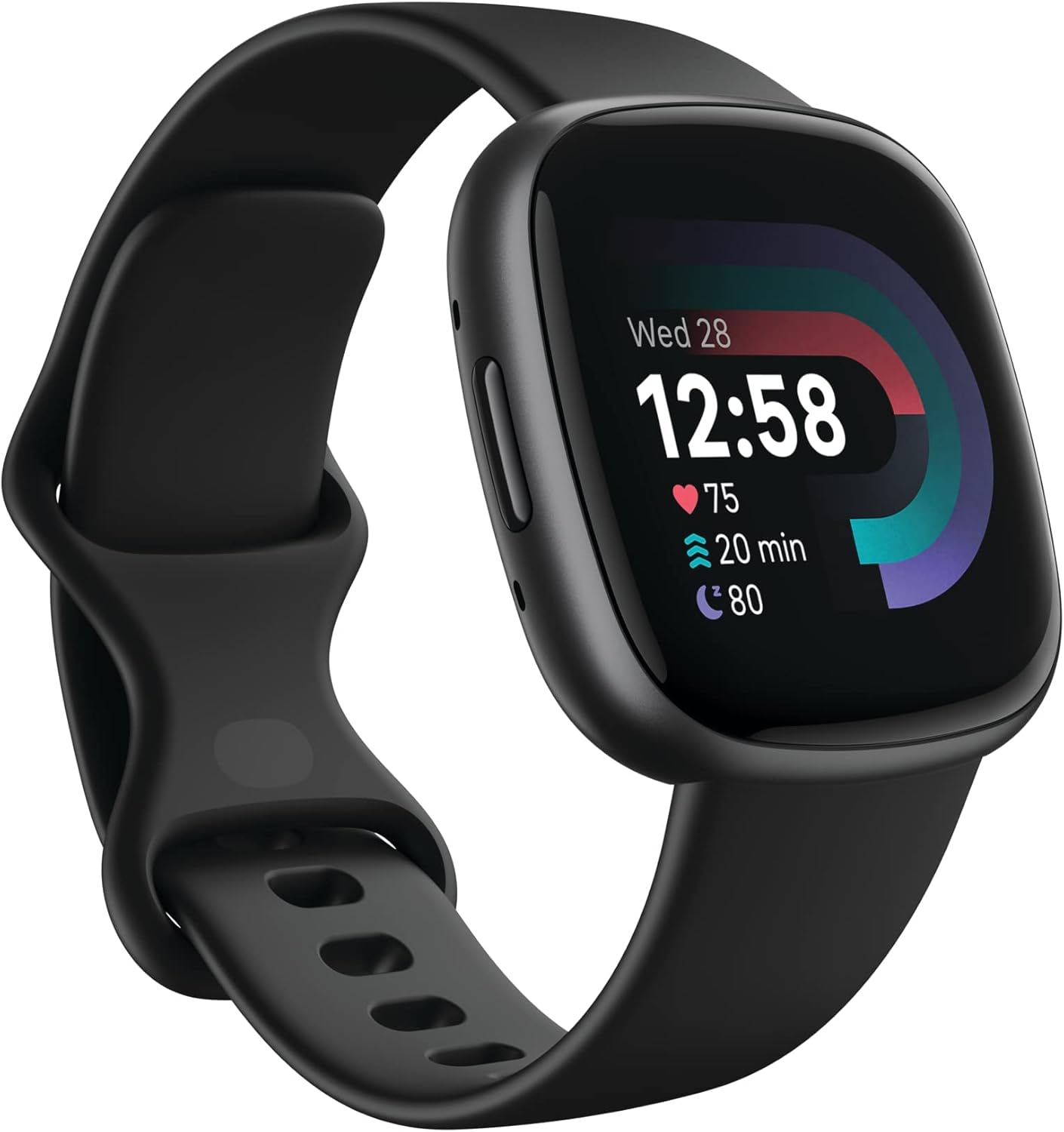
For many autistic adults, the things marketed as "features" on mainstream wearables are actually sensory deal-breakers. A bright AMOLED screen that flicks on at every wrist-raise can shatter sleep onset. A silicone strap that traps sweat or tugs arm hair becomes unbearable by hour three. Aggressive haptic buzzing for every notification, step goal, or "time to stand" prompt can trigger genuine sensory overload, not just mild annoyance.
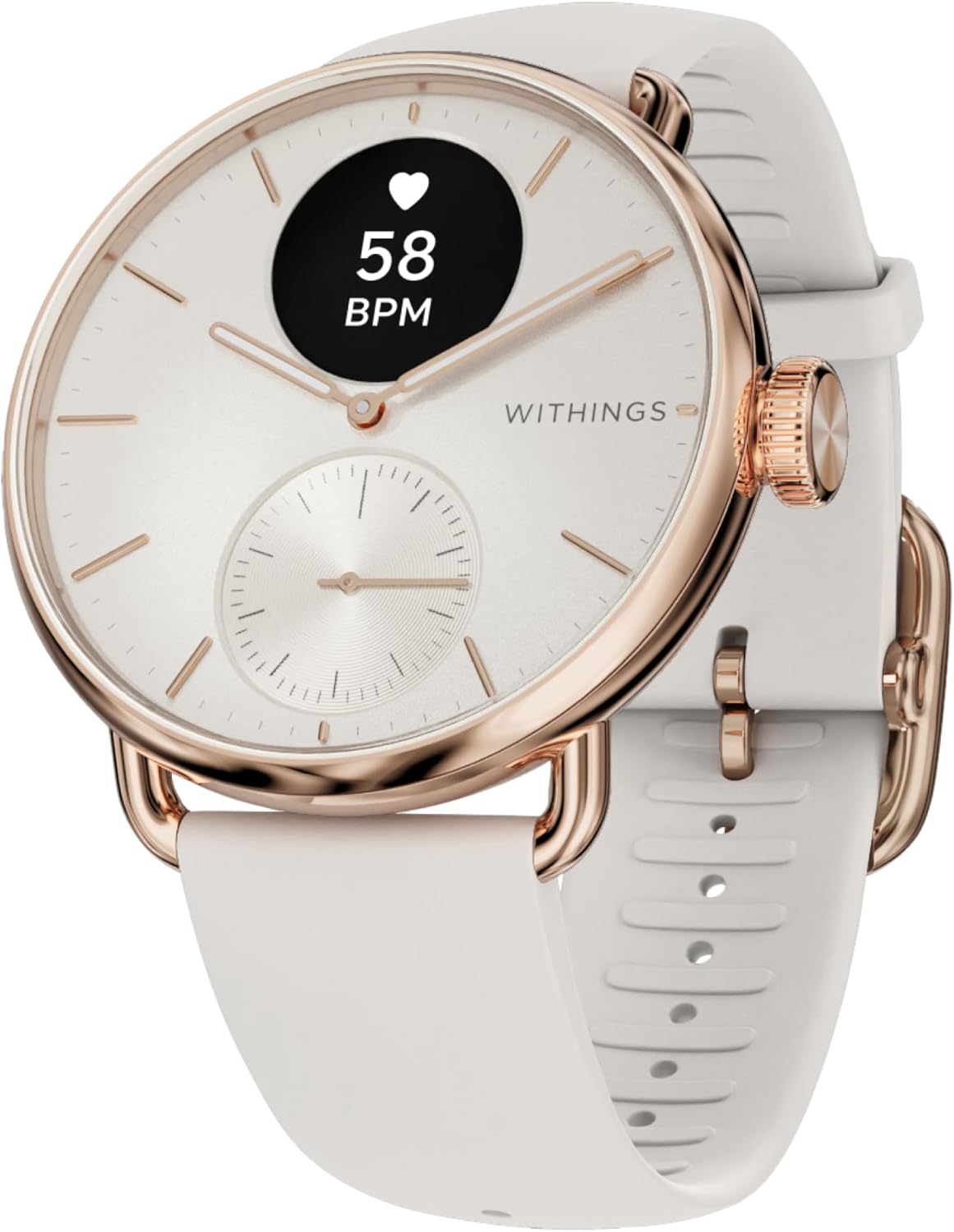
A good sleep tracker for sensory sensitive autistic adults should hit these criteria:
![Apple Watch Series 11 [GPS 42mm] Smartwatch with Rose Gold Aluminum Case with Light Blush Sport Band - S/M. Sleep Score, F...](https://sleeptrackerhq.com/aimg/images/I/6110Jv9wqeL._AC_SL1500_.jpg)
- Tactile neutrality — fabric, knit, or smooth medical-grade titanium beats hard plastic and seamed silicone.
- No or minimal display — no light leaking into a dark bedroom, no accidental screen-on at 3 a.m.
- Disabable haptics — buzzing alarms should be opt-in, not default.
- Low visual app design — calm color palettes, no streaks, no badges, no anxiety-inducing red "recovery" warnings.
- Long battery life — fewer charging interruptions reduce routine disruption, which matters enormously for autistic adults.
If you also struggle with sleep onset or staying asleep, our guide on non-wearable bedside sleep trackers for autistic adults covers under-mattress sensors that require zero body contact.
Comparison: Top 5 Sleep Trackers for Sensory Sensitive Autistic Adults (2026)
| Device | Screen | Band Material | Battery | Best For |
|---|---|---|---|---|
| Google Fitbit Air | None (screenless) | Soft silicone, low-profile | ~10 days | Total sensory minimalism |
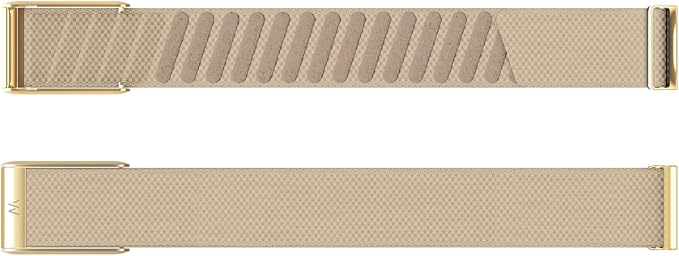
| WHOOP 5.0/MG | None | Fabric SuperKnit | ~14 days | Deep sleep analytics, fabric feel |
| WHOOP 5.0/MG SuperKnit Luxe | None | Premium woven fabric | ~14 days (with module) | Maximum tactile comfort |
| RQZ Smart Ring | None | Titanium ring (no wrist) | ~5-7 days | Avoiding wrist contact entirely |
| Fitbit Inspire 3 | Small dimmable AMOLED | Silicone (swappable) | ~10 days | Budget-friendly with display |
1. Google Fitbit Air — Best Overall for Sensory Sensitivity
The Fitbit Air is, in our testing, the single best sleep tracker for sensory sensitive autistic adults released in 2026. It has no screen at all — no light, no notifications, no accidental glances waking up your brain. The band is a slim, soft silicone loop that sits almost flat against the wrist, with no clasp or buckle to dig in. All data syncs silently to the Fitbit app on your phone, where you can view sleep stages, resting heart rate, and stress trends in a clean interface that you can also strip down by hiding cards you don't want to see.
![Apple Watch Series 11 [GPS 46mm] Smartwatch with Silver Aluminum Case with Purple Fog Sport Band - M/L. Sleep Score, Fitne...](https://sleeptrackerhq.com/aimg/images/I/71P1DHbS0KL._AC_SL1500_.jpg)
For autistic adults who have given up on wearables because of buzzing, blinking, or itchy bands, the Air is often the device that finally sticks. Battery life of around 10 days means you only have to think about charging it a few times a month — a huge win for anyone whose routine disruption equals lost sleep.
Check the Google Fitbit Air on Amazon
2. WHOOP 5.0/MG Activity Tracker — Best for Detailed Sleep Analytics
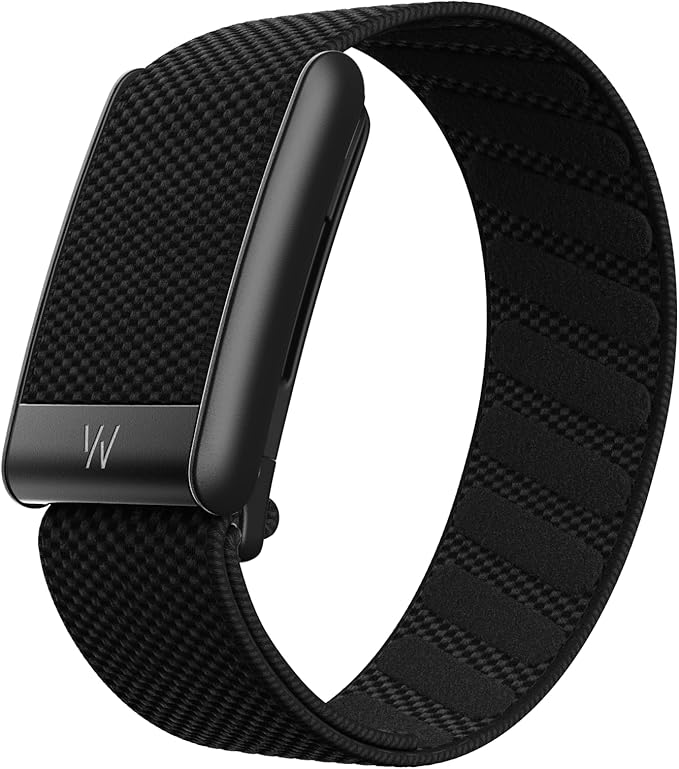
The WHOOP 5.0/MG is the most analytically rigorous screenless tracker on the market. It uses a fabric SuperKnit band (no rigid silicone), has no display whatsoever, and delivers exceptionally accurate sleep stage detection, HRV, respiratory rate, and a "Sleep Performance" score. For autistic adults who actually like data — and many do — WHOOP gives you a rich quantified-self experience without a single buzz, beep, or flash unless you explicitly opt in.
The 12-month membership is bundled in, which means no nagging upsells in the app. The waterproof battery pack slides on so you never have to take the band off to charge — meaning you can keep your routine completely uninterrupted, which is invaluable if change-aversion affects your sleep.
One caveat: the WHOOP app's "Strain" and "Recovery" coaching can feel pressuring. If gamified metrics are stressful for you, simply ignore those tabs — the raw sleep data tab works standalone.
Check the WHOOP 5.0/MG on Amazon
3. WHOOP 5.0/MG SuperKnit Luxe Performance Band — Best Upgrade for Tactile Comfort
If you already own (or are buying) a WHOOP 5.0/MG and silicone or even standard fabric still bothers your skin, the SuperKnit Luxe is the band to get. It uses a premium woven knit with a finer thread count, designed to feel essentially seamless. Many autistic adults report that within a day or two they genuinely forget they're wearing it — the highest compliment a wearable can earn from someone with tactile defensiveness.
It's a band-only accessory, so you'll need the WHOOP module from the main kit. Pair it with arm placement (bicep band, sold separately) if your wrist is a no-go zone entirely.
Check the WHOOP SuperKnit Luxe on Amazon
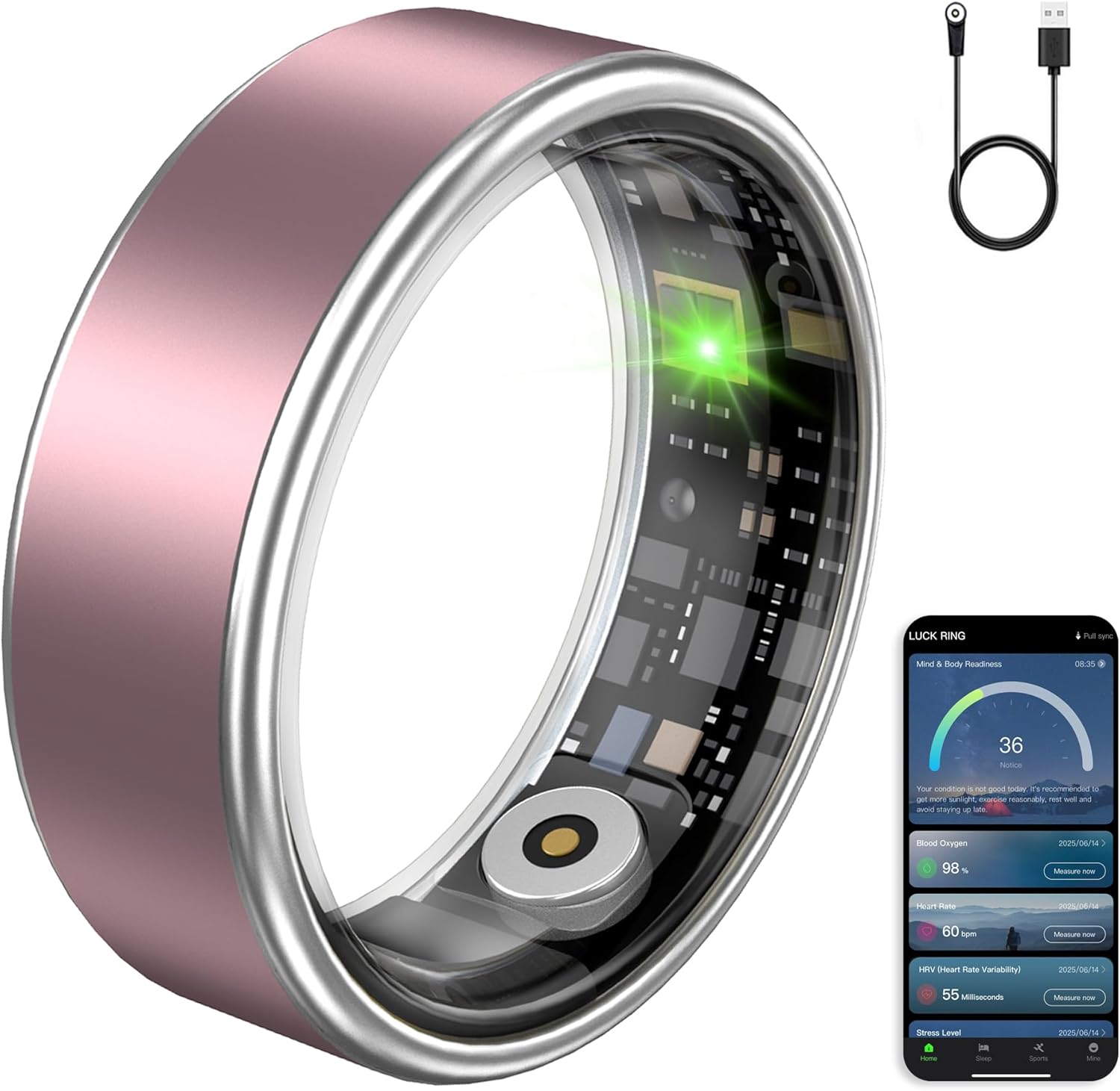
4. RQZ Smart Ring — Best for Avoiding Wrist Wearables Entirely
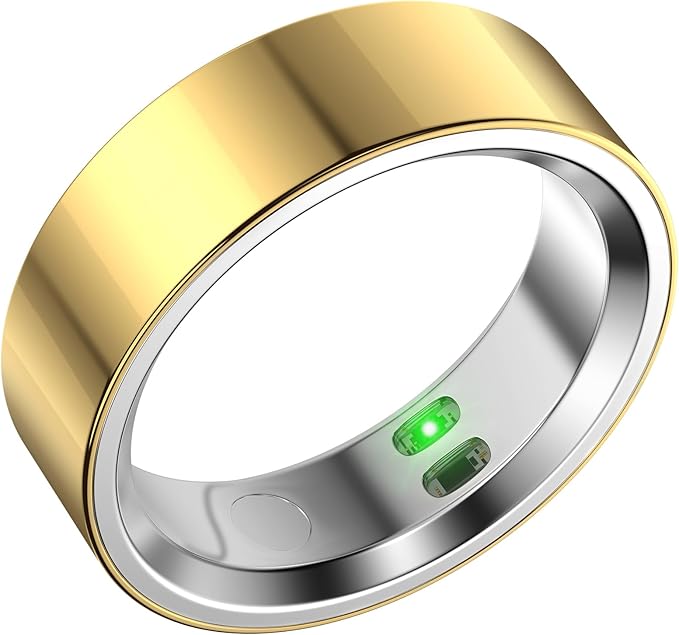
For many autistic adults, nothing on the wrist will ever be tolerable — the sensation is simply too constant, too noticeable. The RQZ Smart Ring sidesteps that completely. It's a slim titanium ring worn on the finger, tracking heart rate, HRV, sleep stages, and SpO2 silently in the background. No screen, no notifications, no buzzing.
Rings have a different sensory profile than wrist wearables — many people find a ring fades from awareness in a way a watch never does. The RQZ is also significantly less expensive than the dominant smart ring brands while offering comparable sleep tracking accuracy. Battery life of roughly a week is solid for the form factor.
Sizing matters — order the sizing kit first if RQZ offers one, because a ring that's slightly too tight or loose becomes the same sensory problem you were trying to escape.
Check the RQZ Smart Ring on Amazon
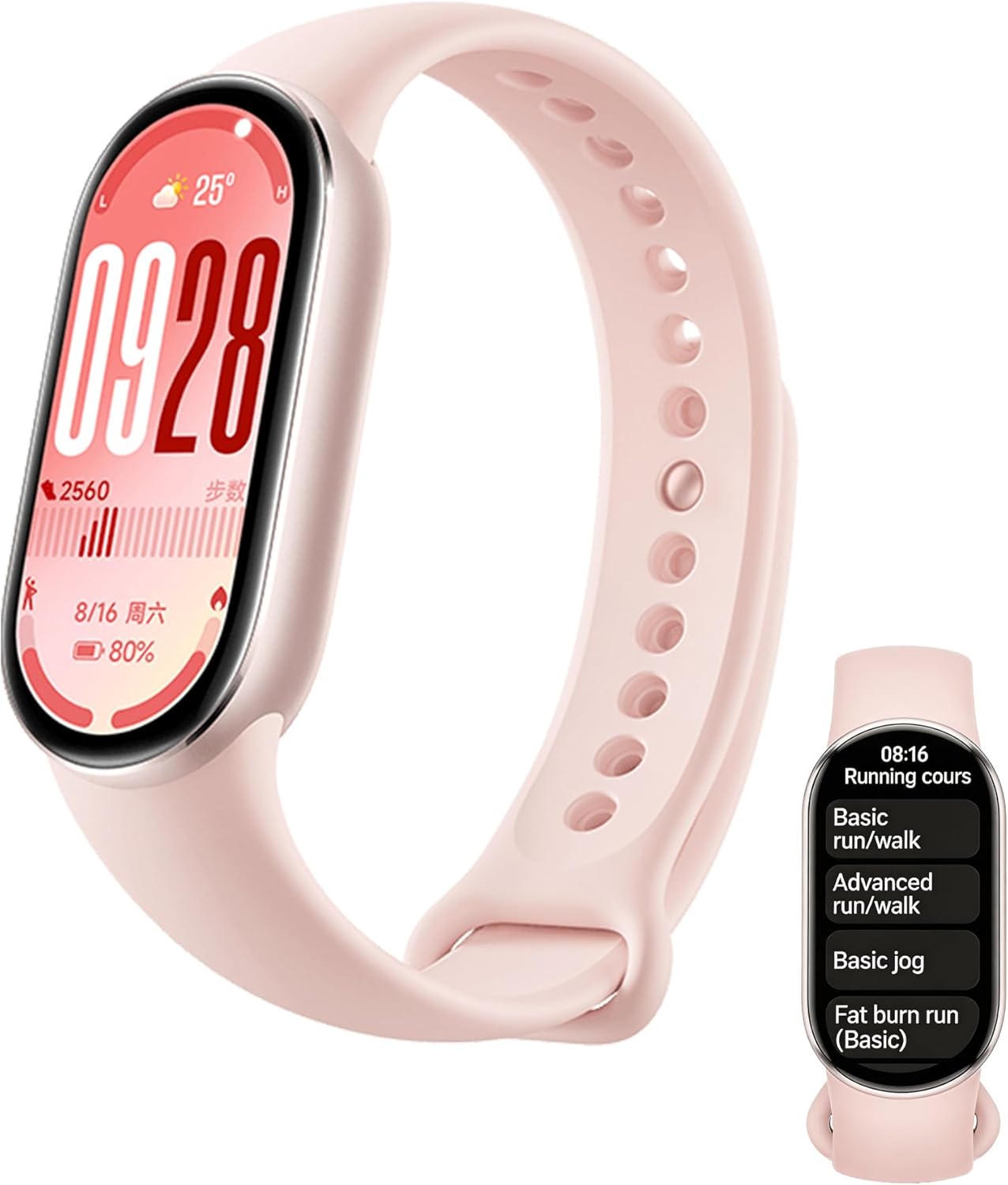
5. Fitbit Inspire 3 — Best Budget Option
If your budget is tight and a small screen is acceptable (some autistic adults actually prefer one, for predictability), the Fitbit Inspire 3 is the most sensory-friendly entry-level tracker available. Its AMOLED display is small and fully dimmable, the always-on mode can be disabled completely, and the band is swappable — meaning you can replace the default silicone with a fabric or woven third-party band for under $15.
Crucially, all haptic notifications can be individually toggled off. You can configure the Inspire 3 to do literally nothing except track sleep silently and sync to your phone. Sleep stage accuracy is solid for the price, and 10-day battery life means minimal charging disruption.
Check the Fitbit Inspire 3 on Amazon
How to Set Up Your Tracker for Minimum Sensory Load
Whichever device you choose, take ten minutes during setup to neutralize anything that could become a sensory trigger later. Disable all notifications by default and re-enable only the ones you genuinely want. Turn off vibration alarms (or set them to the lowest intensity if you need them). On the app side, disable badges, streaks, daily reminders, and weekly summary push notifications. If the app supports a dark or reduced-motion mode, use it.
For ongoing wear, rotate which wrist you use every few days — even soft fabric bands can create localized skin sensitization over time. And if you find yourself fixating on metrics in an unhelpful way, consider the approach we describe in our piece on managing sleep data anxiety for neurodivergent adults: check the data once a week, not every morning.
Frequently Asked Questions
What makes a sleep tracker sensory-friendly for autistic adults?
A sensory-friendly sleep tracker has no bright always-on screen, uses a soft fabric or smooth metal band rather than seamed silicone, allows you to disable all haptic feedback, and has a calm app interface without gamification, streaks, or aggressive notifications. Screenless wearables and smart rings are generally the best fit.
Are smart rings better than wrist trackers for autistic adults with tactile sensitivities?
For many autistic adults, yes. Rings sit on a smaller, less-innervated area than the wrist, and many people report that a properly sized ring quickly becomes imperceptible. Wrist wearables, by contrast, constantly remind you they're there. If wrist contact has been a deal-breaker for you in the past, a ring like the RQZ is worth trying.
Can I use a sleep tracker without wearing it on my body?
Yes. Under-mattress sensors and bedside radar-based trackers exist that require zero body contact. They're generally less accurate for HRV and detailed stage tracking than wearables, but for sleep duration, restlessness, and basic stage estimation they work well. We cover them in our non-wearable sleep tracker guide.
Will a sleep tracker make my sleep worse if I'm already anxious about sleep?
It can, especially for autistic adults prone to perseveration on data. If you notice yourself checking metrics compulsively or feeling worse on "low score" mornings, switch to weekly-only data review or take a tracker break. The data is meant to inform long-term patterns, not judge any single night.
Do any sleep trackers vibrate gently to help with sleep onset?
Some do, but for sensory sensitive users we generally recommend disabling all bedtime haptics. If you want vibrational input for sleep onset, a dedicated weighted-vibration sleep pillow or a separate haptic device gives you far more control over intensity, location, and pattern than a wrist tracker can.
Which sleep tracker has the longest battery life for autistic adults who dislike routine changes?
The WHOOP 5.0/MG wins here because its slide-on battery pack means you literally never take the band off — no routine disruption at all. The Fitbit Air and Inspire 3 both deliver around 10 days per charge, which is also excellent.
Are there sleep trackers specifically designed for neurodivergent adults?
As of 2026, no major manufacturer markets a tracker specifically for autistic or neurodivergent users, but several brands (notably WHOOP and Fitbit with the Air) have moved toward screenless, low-stimulation designs that happen to work well. The market is shifting in this direction, so expect more sensory-aware wearables in the next 18 months.
Key Takeaways
- Choosing the right sleep tracker for sensory sensitive autistic adults means matching capacity and output ports to your actual devices
- Always check actual watt-hours (Wh), not just watts — runtime depends on Wh, not peak output
- Also covers: non wearable sleep tracker autism
- Also covers: sleep monitor for sensory issues
- Also covers: autism friendly sleep tracking device
- Compare price-per-Wh across models to find the best value for your budget