If you are searching for the best sleep tracker for chemotherapy fatigue, the short answer in 2026 is this: oncology patients do best with a lightweight, screenless or low-glare wearable that measures resting heart rate, heart rate variability (HRV), respiratory rate, blood oxygen, and sleep stages without forcing daily charging during treatment weeks. Our top overall pick is the WHOOP 5.0/MG for its detailed recovery score, with the Fitbit Inspire 3 as the best budget choice, the Google Fitbit Air for screen-sensitive users, and the RQZ Smart Ring for patients who cannot tolerate a wristband due to IV lines, port access, or neuropathy.
Why chemotherapy patients need a different kind of sleep tracker
Cancer-related fatigue (CRF) is reported by 80–100% of patients undergoing chemotherapy, and it does not behave like ordinary tiredness. It persists despite rest, fluctuates with infusion cycles, and is often worsened by steroid-induced insomnia, nausea, hot flashes, and night sweats. A clinical-grade polysomnography study is rarely practical between infusions, which is why a consumer sleep tracker for chemotherapy fatigue has become a useful self-monitoring tool that oncology nurses and integrative medicine teams increasingly suggest patients bring to appointments.
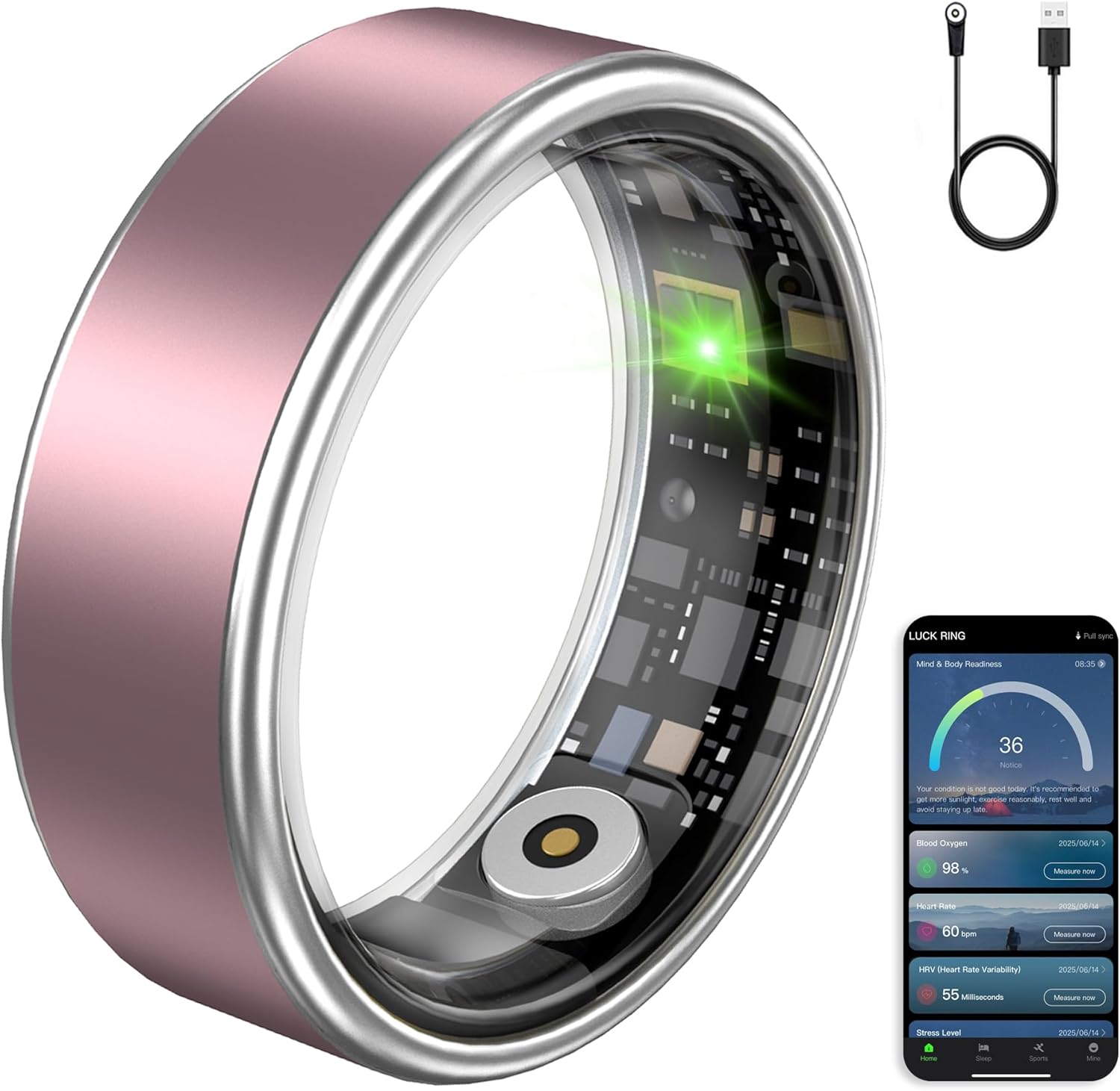
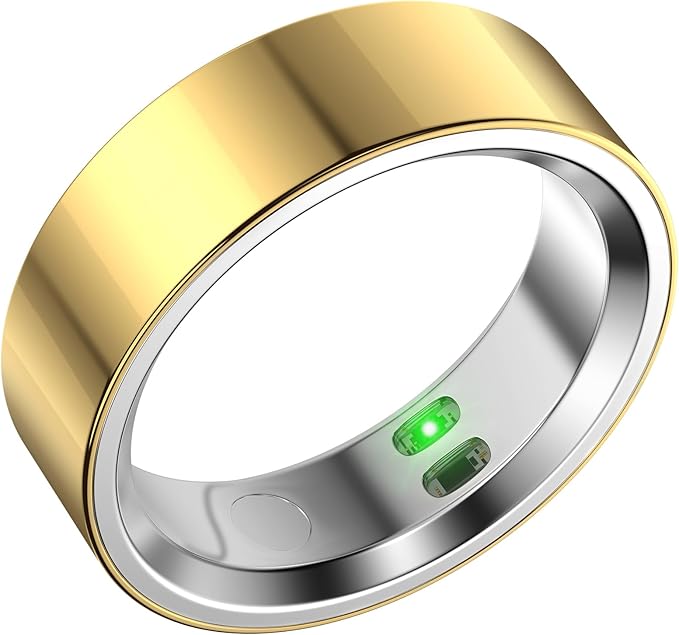
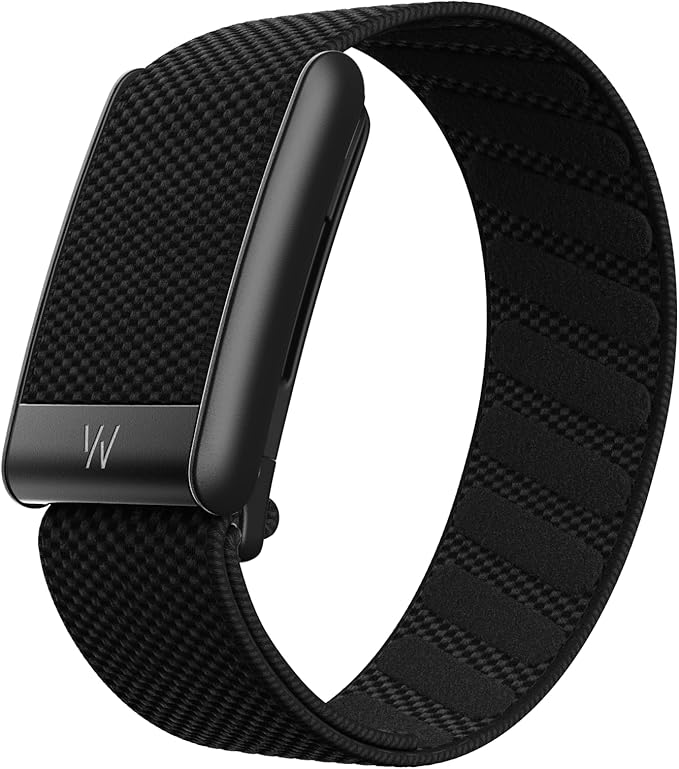
The right device does four things well: (1) it measures sleep duration and quality without requiring you to remember to log anything, (2) it tracks HRV and resting heart rate so you can see physiological recovery between cycles, (3) it monitors blood oxygen because anemia and certain agents can cause nocturnal desaturation, and (4) it stays out of the way of PICC lines, ports, and IV sites. Standard fitness watches frequently fail on point four, which is why we narrowed the field to the five wearables below.
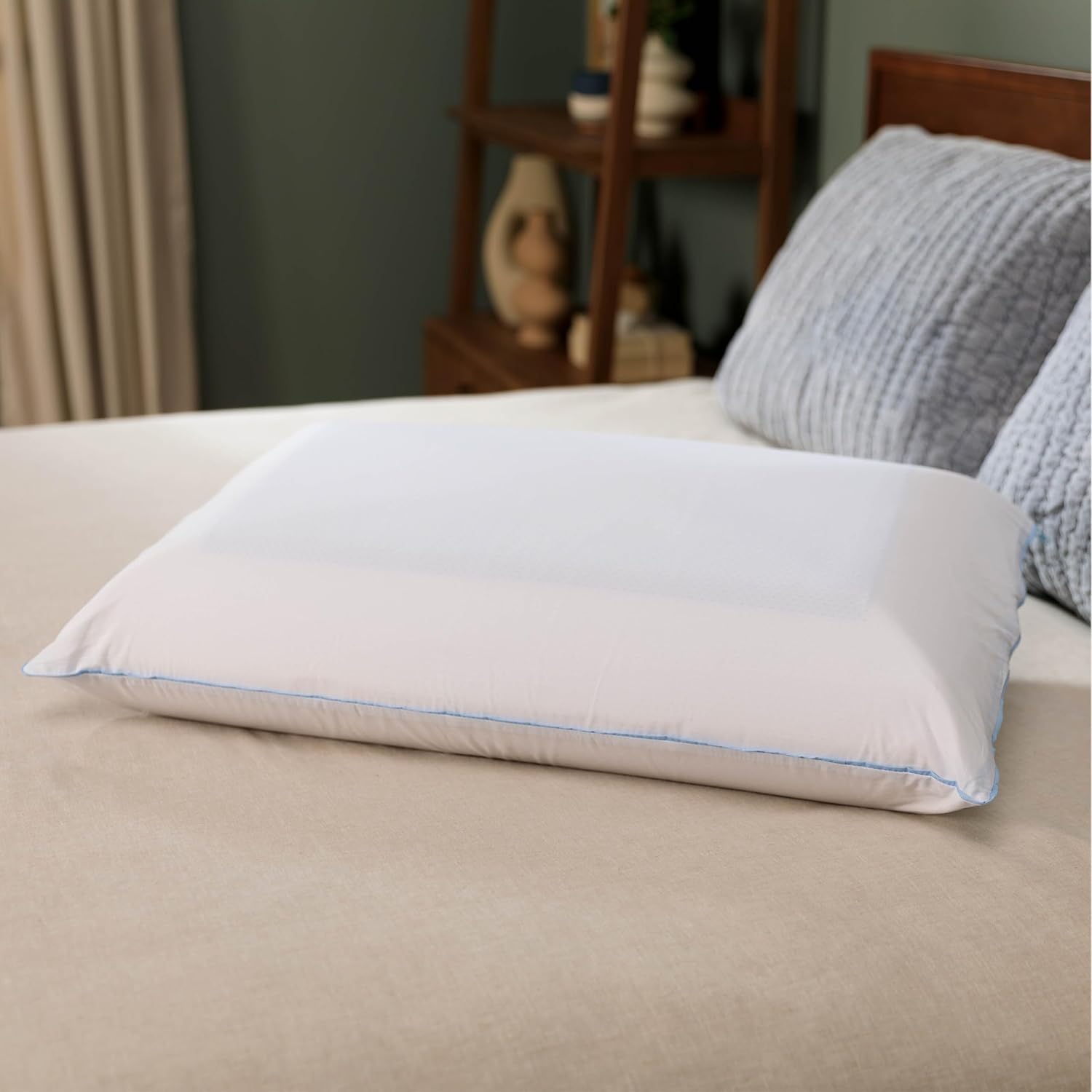
Comparison: best sleep trackers for chemo patients in 2026
| Device | Form factor | Battery life | HRV & recovery | SpO2 | Best for |
|---|---|---|---|---|---|
| WHOOP 5.0/MG | Screenless band | ~14 days | Yes (Recovery score) | Yes | Detailed cycle-by-cycle data |
| Fitbit Inspire 3 | Slim wristband | ~10 days | Yes (Daily Readiness) | Yes | Budget & ease of use |
| Google Fitbit Air | Screenless band | ~7 days | Yes | Yes | Light-sensitive patients |
| RQZ Smart Ring | Ring | ~5–7 days | Yes | Yes | Port/PICC patients, neuropathy |
| WHOOP SuperKnit Luxe | Band accessory | n/a (band) | Pairs with WHOOP 5.0 | n/a | Sensitive skin upgrade |
Our top sleep tracker picks for chemotherapy fatigue
1. Best overall: WHOOP 5.0/MG Activity Tracker (12-Month Membership)
The WHOOP 5.0/MG is the most informative wearable we tested for chemotherapy patients because its core metric — the daily Recovery score — is built on HRV, resting heart rate, respiratory rate, and sleep performance, all of which shift predictably across an infusion cycle. Patients who wear it through several cycles can usually see a measurable HRV dip 24–72 hours post-infusion and a slow climb back toward baseline before the next session, which helps with pacing activity, work, and family commitments. The band is screenless (no blue light waking you up), it is showerable, and the 14-day battery means you can swap the slide-on charger without removing the band, which matters when an IV site or bandage covers your wrist. The included 12-month membership unlocks the Sleep Coach, which flags sleep debt and recommends bedtimes based on your strain that day — useful when steroid-driven 3 a.m. wakeups become routine. Check the WHOOP 5.0/MG on Amazon.
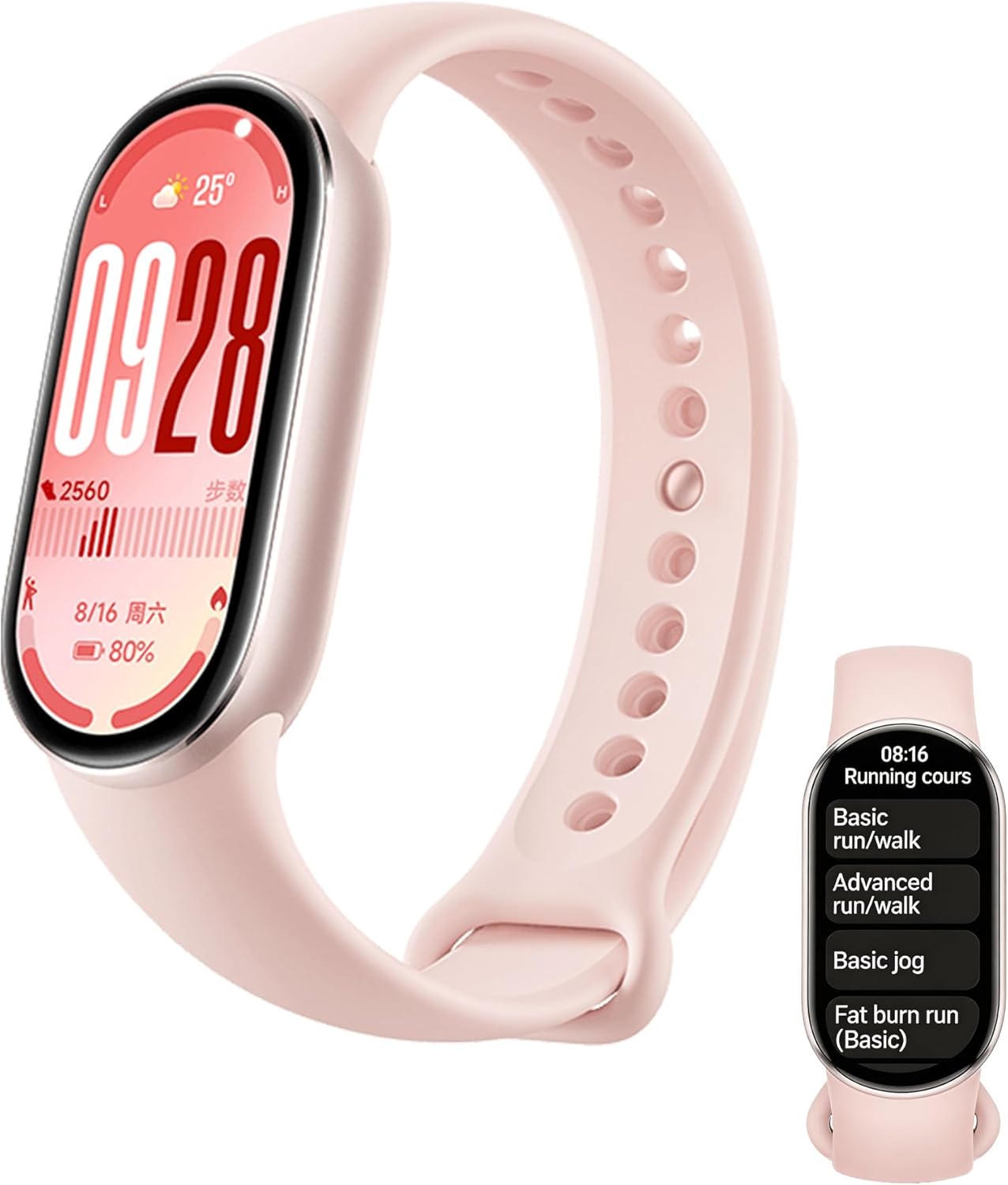
2. Best budget: Fitbit Inspire 3 Health & Fitness Tracker
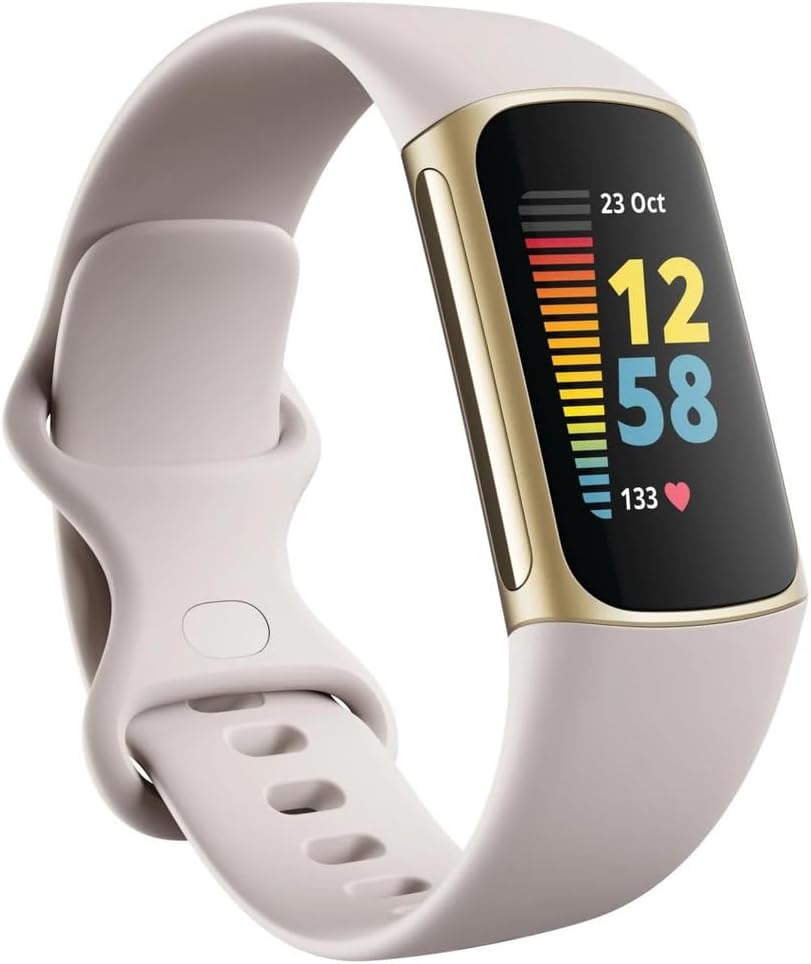
If you want clear sleep data without a subscription as the central feature, the Fitbit Inspire 3 is the most chemo-friendly mainstream tracker under $100. It tracks light, deep, and REM sleep stages, gives a nightly Sleep Score, and the SpO2 reading is helpful for patients on regimens (such as bleomycin or certain anti-angiogenics) where oxygenation matters. The display is small and dimmable, the silicone band is hypoallergenic, and battery life of roughly 10 days fits neatly between three-week chemo cycles. Many patients also appreciate the silent vibrating alarm, which can wake them for anti-nausea medication without disturbing a partner or caregiver. See the Fitbit Inspire 3 on Amazon.
3. Best screenless wristband: Google Fitbit Air
The Google Fitbit Air is a brand-new screenless activity and sleep tracker from Google's Fitbit line, and it is the device we recommend for patients who find any screen distracting at night — particularly those with chemo-induced visual sensitivity, dry-eye, or migraine flare-ups. Because there is no display, there is nothing to glance at when you wake at 4 a.m. with nausea; you simply check the app the next morning. It captures sleep stages, resting heart rate, and SpO2, and the band sits flat under a sleeve, which is helpful for patients with peripheral IVs in the forearm. View the Google Fitbit Air on Amazon.
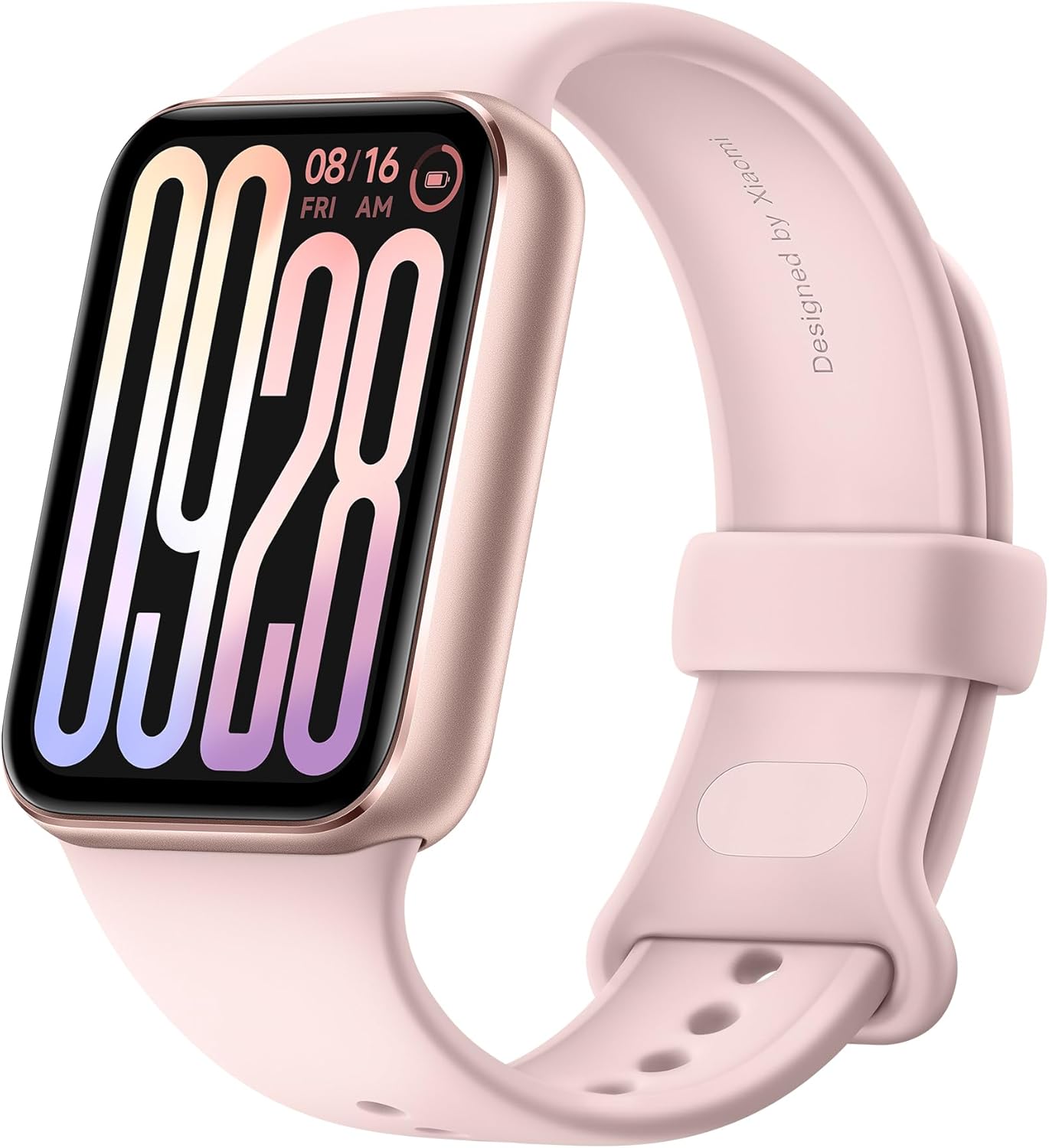
4. Best for port and PICC-line patients: RQZ Smart Ring
A ring-form tracker is often the only wearable that works for patients with a chest port, a PICC line in one arm, lymphedema risk on the other, or significant peripheral neuropathy that makes wristbands uncomfortable. The RQZ Smart Ring delivers continuous heart rate, sleep staging, and HRV from a finger sensor, weighs only a few grams, and can be worn 24/7 including through MRI prep removal (it slides off in seconds). It is also a good option for patients receiving taxanes who develop nail changes — the ring sits on the proximal finger, away from the nail bed. Check the RQZ Smart Ring on Amazon.
5. Comfort upgrade: WHOOP 5.0/MG SuperKnit Luxe Band
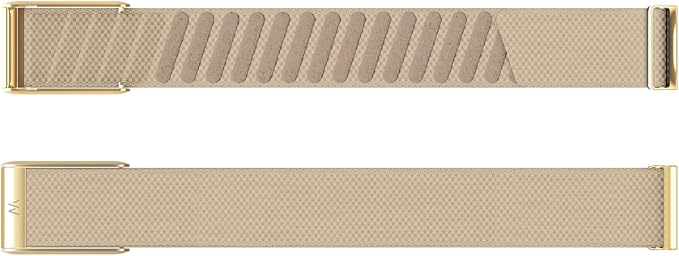
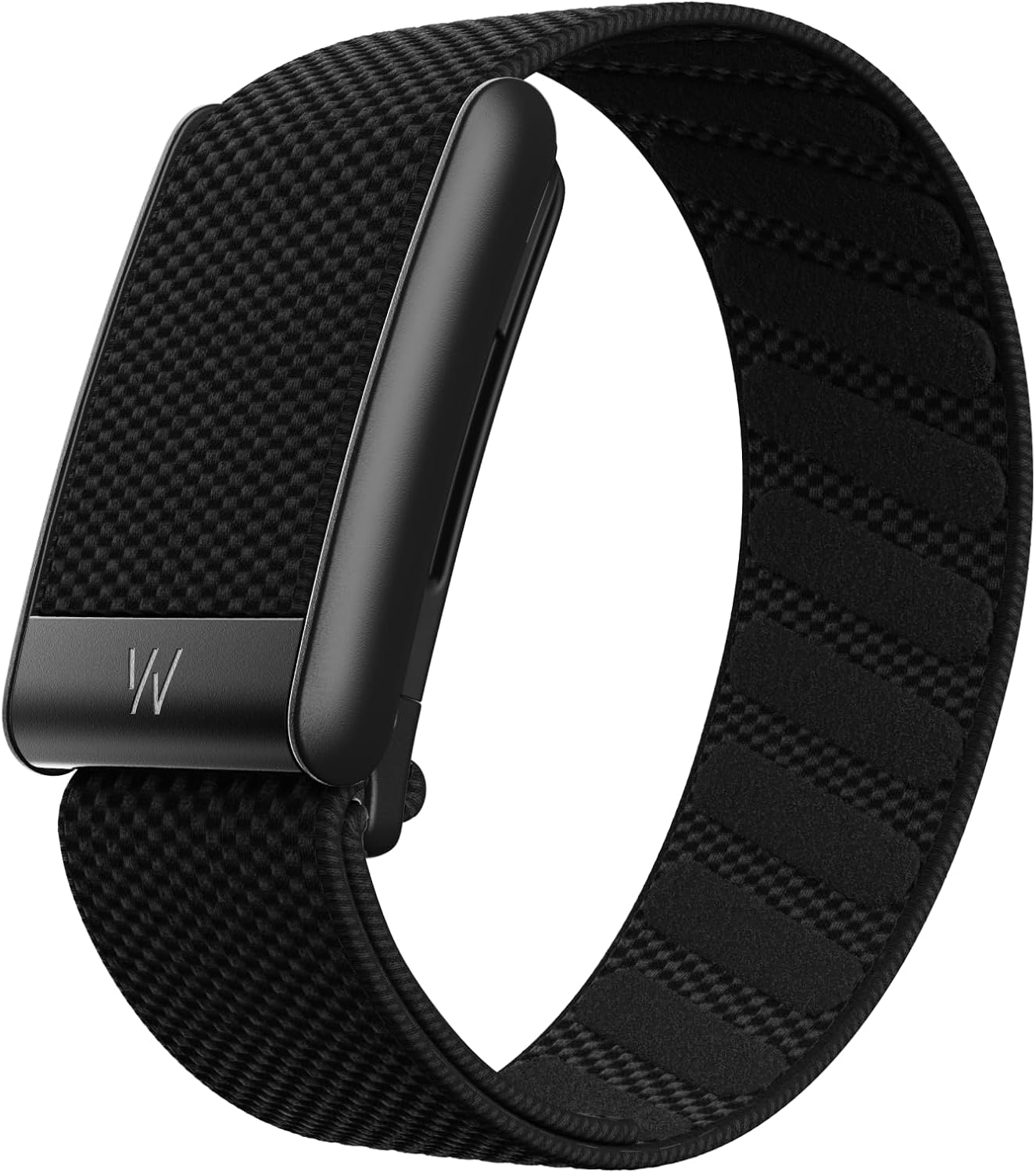
If you choose the WHOOP 5.0 and have sensitive skin — common during chemotherapy and especially with EGFR-inhibitor rashes — consider swapping the default band for the SuperKnit Luxe. The knit construction breathes better than silicone, reduces friction over irritated skin, and dries faster after showers. It is not a tracker on its own, but as an accessory it makes the WHOOP genuinely wearable for patients whose skin reactions would otherwise rule out a band. See the WHOOP SuperKnit Luxe band.
How to use a sleep tracker during chemotherapy
Buying the device is the easy part — using it well during treatment is where most patients give up. A few practical guidelines from oncology nurses and sleep-medicine clinicians:
- Start two weeks before cycle 1 if possible. Baseline data makes every later reading meaningful. If you are already mid-treatment, three solid weeks of wear establishes a usable baseline.
- Watch HRV trends, not single nights. A bad night after dexamethasone is expected. A seven-day HRV downtrend that does not recover before the next cycle is worth mentioning to your oncology team.
- Note infusion days in the app. Most trackers let you tag days with journal entries. Logging "infusion," "Neulasta shot," or "steroids" lets the app correlate sleep disruption with treatment events.
- Share the export with your care team. WHOOP and Fitbit both export weekly summaries as PDF or CSV — bring them to your next appointment alongside any fatigue-scale questionnaire (like the Brief Fatigue Inventory).
For more on building a treatment-week routine around your tracker, see our guide to sleep hygiene during cancer treatment and our breakdown of HRV tracking for chronic illness.
What the data can — and cannot — tell you
A consumer sleep tracker for chemotherapy fatigue is not a medical device, and no wearable in this guide is FDA-cleared to diagnose insomnia, sleep apnea, or cancer-related fatigue. What these devices can do reliably is detect trends: declining HRV, rising resting heart rate, fragmented sleep architecture, and reduced SpO2 nadir. Those trends are exactly the data points an oncologist, palliative-care physician, or integrative-medicine specialist can use to adjust supportive care — whether that means a referral to a sleep clinic, a medication review (some antiemetics worsen sleep), or a structured exercise prescription, which remains the single most evidence-backed intervention for CRF.
If your tracker flags possible sleep apnea signals (frequent SpO2 drops, very high heart rate during sleep), do not self-diagnose — share the data with your team. Untreated apnea during chemotherapy meaningfully worsens daytime fatigue and is treatable.
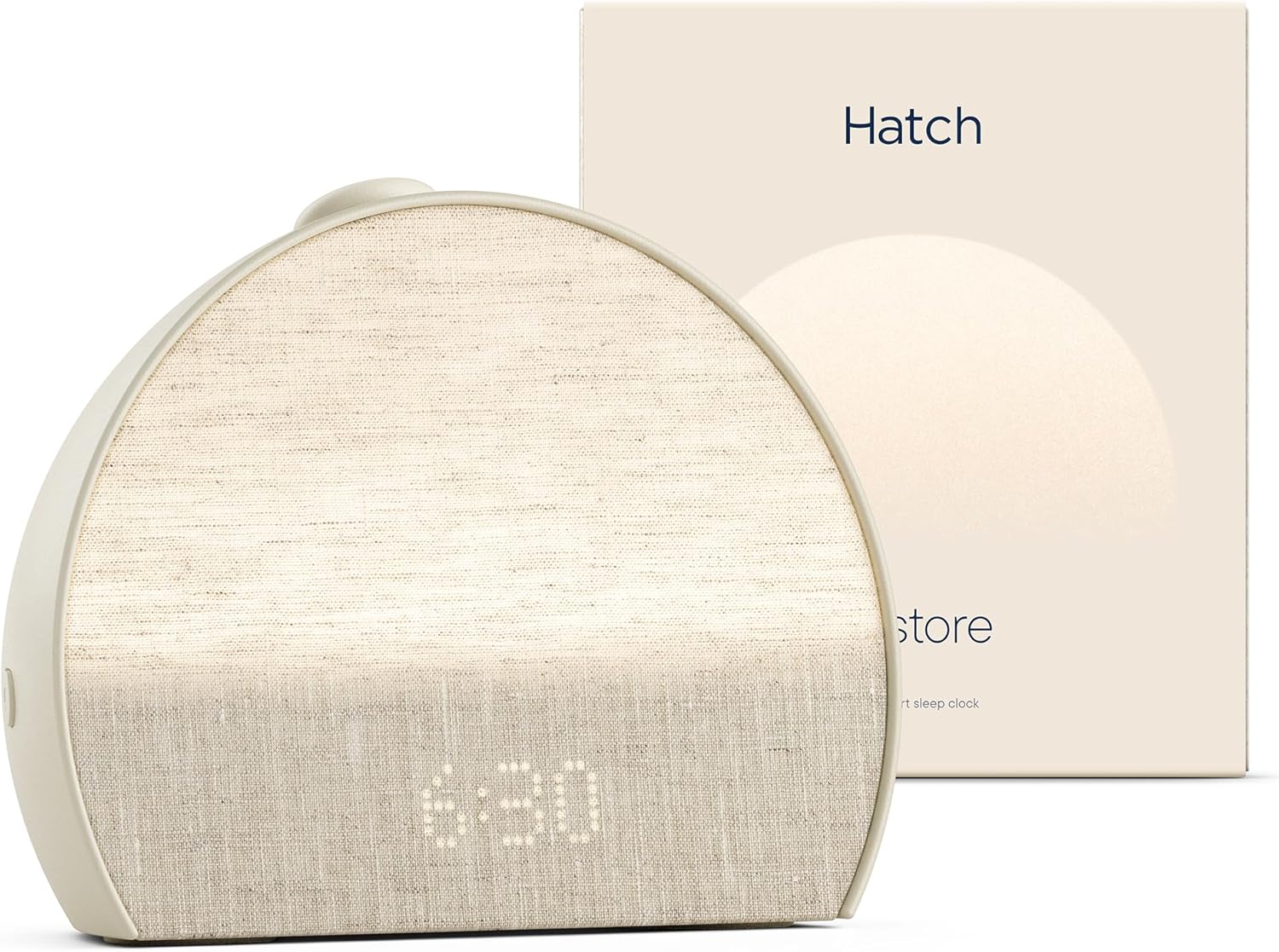
For complementary device options, see our roundup of the best smart sleep masks of 2026, which pairs well with any of the trackers above.
Frequently Asked Questions
What is the best sleep tracker for cancer patients with a chest port?
The RQZ Smart Ring is usually the best choice because it avoids the chest, neck, and dominant-arm wrist where ports and dressings sit. A ring also stays clean more easily than a fabric band when you are managing port-site care.
Can a sleep tracker actually detect chemotherapy fatigue?
It cannot diagnose CRF, but it can quantify the physiological signs that correlate with it: reduced HRV, elevated resting heart rate, fragmented REM, and lower deep sleep percentages. Tracking these across cycles gives you objective evidence to discuss with your oncology team rather than relying on memory.
Is WHOOP or Fitbit better during chemotherapy?
WHOOP gives more granular recovery and strain data but requires an ongoing membership. Fitbit Inspire 3 gives 90% of what most patients need with no required subscription. Choose WHOOP if you want detailed analytics and Fitbit if you want simple, glanceable Sleep Scores.
Will a sleep tracker work if I take Benadryl or Ambien for chemo insomnia?
Yes, and it is actually more useful in that scenario. Sedating medications can produce sleep that feels restorative but registers as light or fragmented on a tracker. Seeing that pattern helps you and your physician decide whether the medication is working or needs adjustment.
How do I keep a wristband tracker clean during chemotherapy?
Wipe the band daily with an alcohol-free, fragrance-free wipe (chemo skin is more sensitive). Avoid hand sanitizers on the band itself — they degrade silicone. The WHOOP SuperKnit and knit-style bands wash and dry faster than solid silicone, which matters when neutropenic precautions are in place.
Are screenless trackers better for nighttime nausea wake-ups?
For many patients, yes. A screenless device like the WHOOP 5.0 or Google Fitbit Air removes the temptation to check time or notifications at 3 a.m., which research consistently shows worsens sleep-onset latency after waking. If you need a vibrating alarm for medication timing, the Fitbit Inspire 3 offers that without a bright screen.
Can I wear a sleep tracker during my actual infusion?
Generally yes, but check with your infusion nurse. Most clinics are fine with a ring or a band on the non-IV arm. Remove any tracker for imaging (MRI, CT with contrast may require removal), and follow your facility's policy on electronics in the infusion suite.
Key Takeaways
- Choosing the right sleep tracker for chemotherapy fatigue means matching capacity and output ports to your actual devices
- Always check actual watt-hours (Wh), not just watts — runtime depends on Wh, not peak output
- Also covers: chemo patient sleep monitoring device
- Also covers: cancer treatment fatigue wearable tracker
- Also covers: sleep tracker during chemo cycles
- Compare price-per-Wh across models to find the best value for your budget