If you are hunting for a reliable sleep tracker for pregnancy insomnia during the third trimester, the short answer is this: look for a wrist or finger-worn device that measures heart rate variability (HRV), respiratory rate, and sleep stages without a bright screen, a tight chest strap, or a mandatory phone-on-pillow setup. In late pregnancy, you are waking up six to ten times a night with hip pain, heartburn, leg cramps, and bathroom trips, so the tracker has to be comfortable side-sleeping on your left, gentle enough to wear with swollen fingers, and smart enough to separate true sleep from the long restless stretches that define third-trimester nights.
Our top overall pick for 2026 is the WHOOP 5.0/MG for women who want the deepest recovery and HRV data, while the Fitbit Inspire 3 is the budget-friendly winner for mamas who just want clear sleep-stage charts and a long battery. If you cannot stand wearing anything on your wrist by 34 weeks, the RQZ Smart Ring offers finger-based tracking that still works when your wrists swell. Below we break down why each one earned its spot, what to ignore in the marketing, and how to actually use a sleep tracker for pregnancy insomnia without making your anxiety worse.
Why third-trimester insomnia needs a different kind of tracker
By weeks 28-40, insomnia is almost universal. Studies put the rate at 60-80% of pregnant people in the third trimester. The causes stack on top of each other: rising progesterone shifts circadian rhythm, the growing uterus presses on the bladder and diaphragm, restless legs syndrome spikes due to low iron, and anxiety about labor scrambles sleep onset. A regular fitness watch designed for marathon runners often misreads these nights, scoring you as 'awake' when you are actually in light sleep, or vice versa.
The trackers that perform best in pregnancy share four traits. First, they use photoplethysmography (PPG) sensors that work reliably on the wrist or finger even when peripheral circulation changes (a hallmark of late pregnancy). Second, they measure respiratory rate, which is one of the most underrated metrics for catching the shallow breathing patterns that come with a compressed diaphragm. Third, they offer a silent vibration wake-up so you do not jolt your partner or your nervous system. Fourth, they give you trend data rather than nightly scores, because one bad night when you are 36 weeks pregnant should not send you spiraling.
Comparison: Top trackers for pregnant women with insomnia
| Tracker | Form Factor | Sleep Stages | HRV & Resp Rate | Battery | Best For |
|---|---|---|---|---|---|
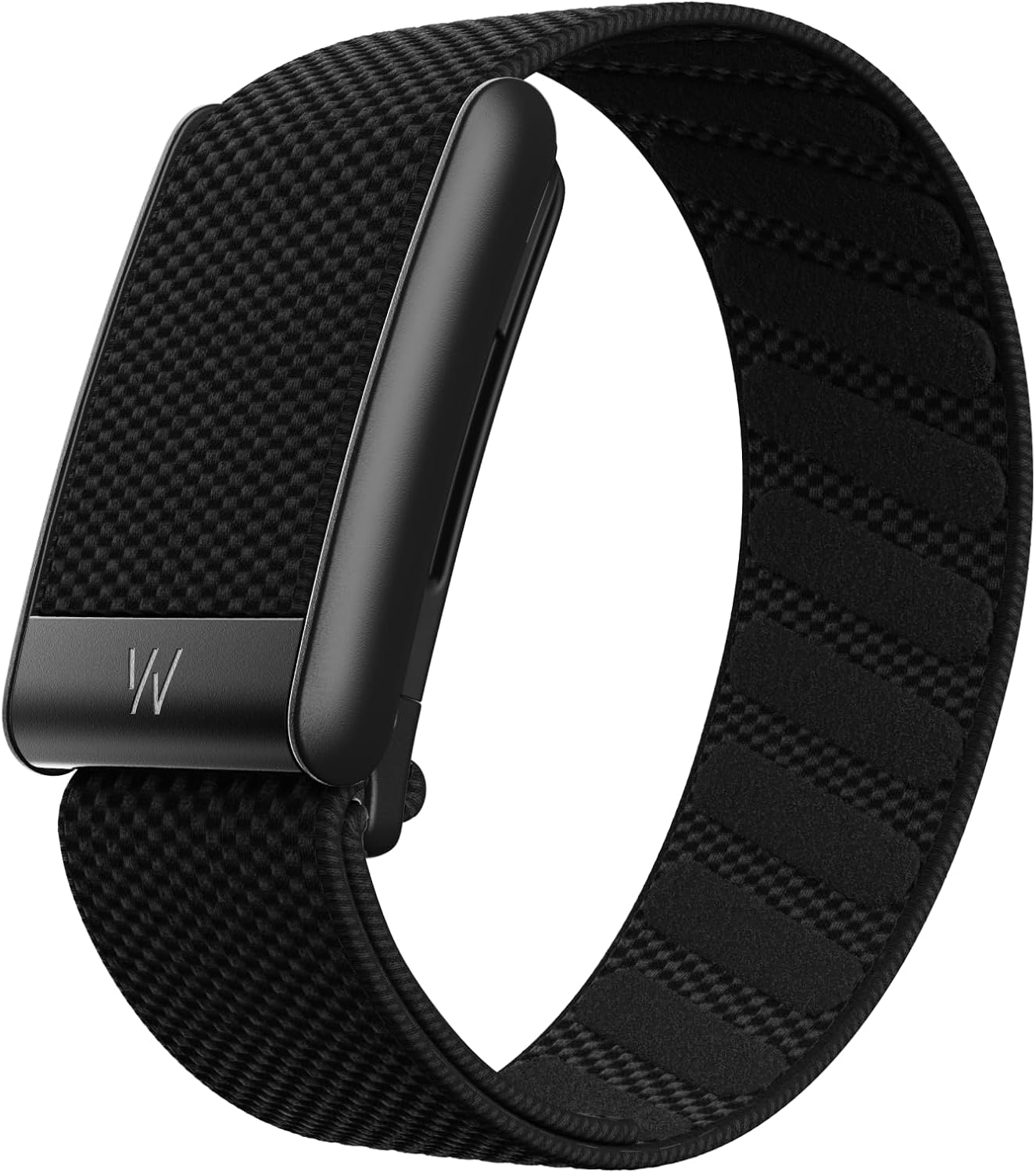
| WHOOP 5.0/MG | Screenless band | Yes (4 stages) | Yes, both | ~14 days | Deep recovery data, HRV trends |
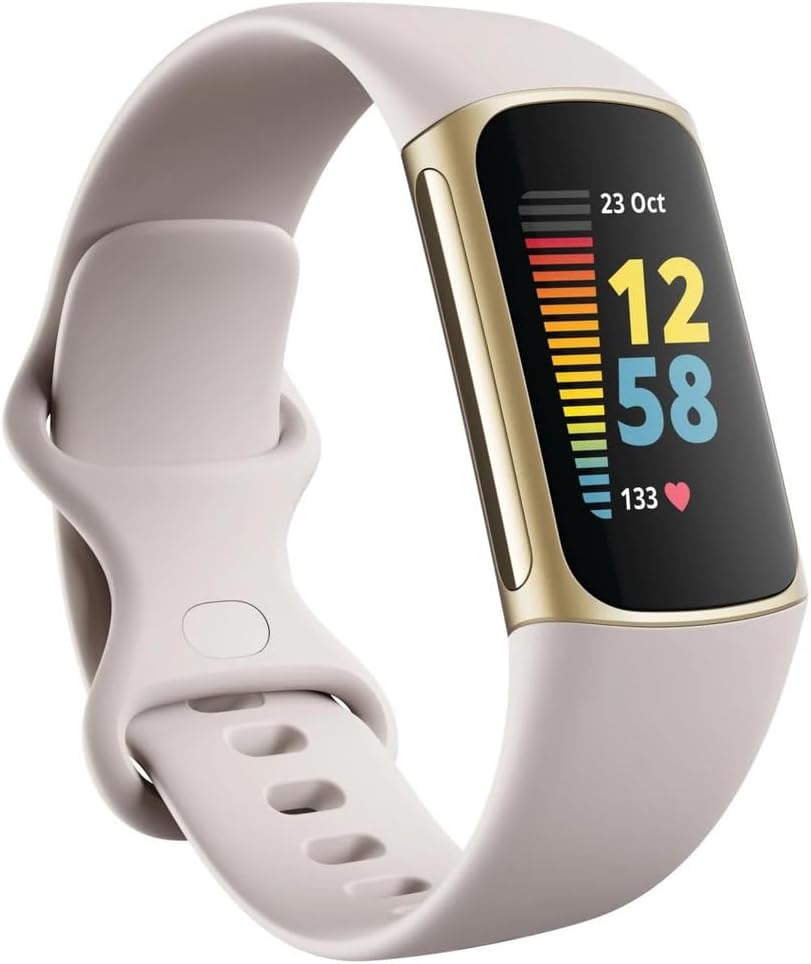
| Fitbit Inspire 3 | Slim wristband | Yes (4 stages) | HRV yes, resp yes | ~10 days | Budget pick with clear charts |
| Fitbit Air (Screenless) | Screenless band | Yes | Yes | ~10 days | No blue light at night |
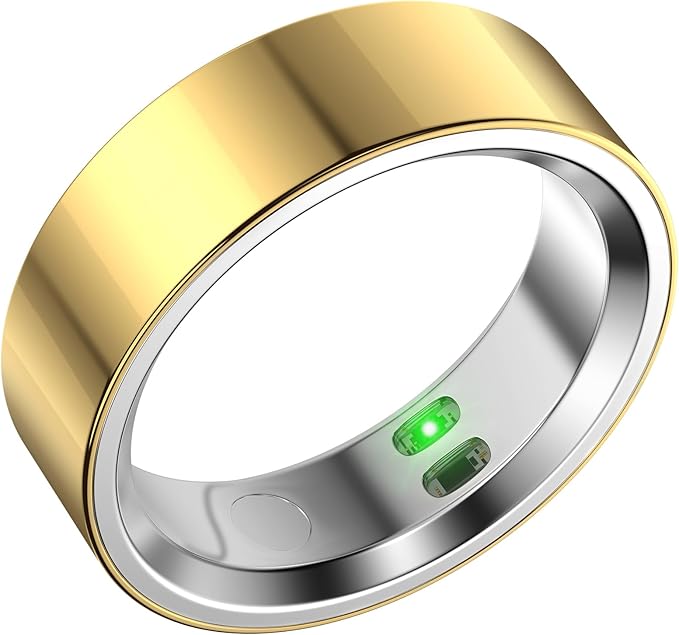
| RQZ Smart Ring | Finger ring | Yes | HR and sleep | ~5-7 days | Swollen wrists, side sleepers |
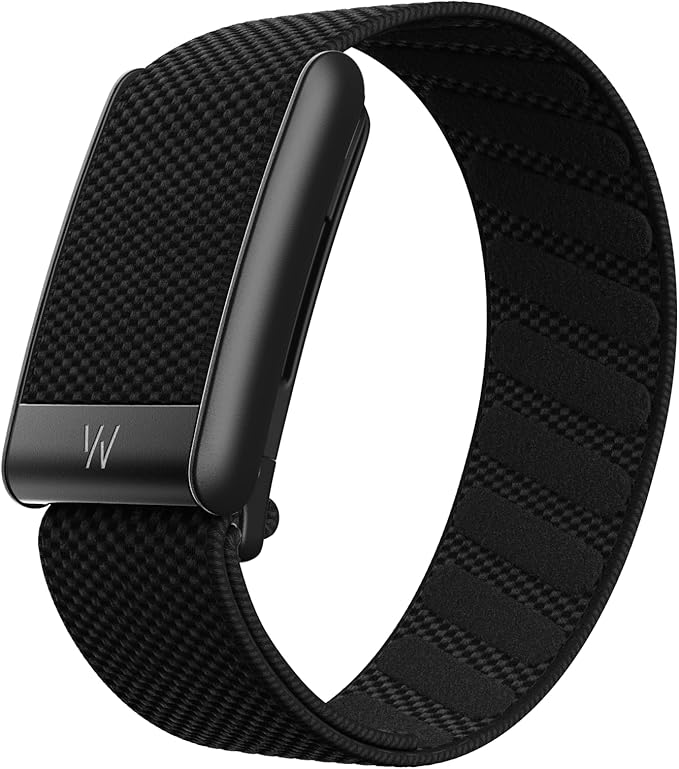
| WHOOP SuperKnit Luxe | Replacement band | N/A (accessory) | N/A | N/A | Comfort upgrade for WHOOP |
Best overall sleep tracker for pregnancy insomnia in 2026
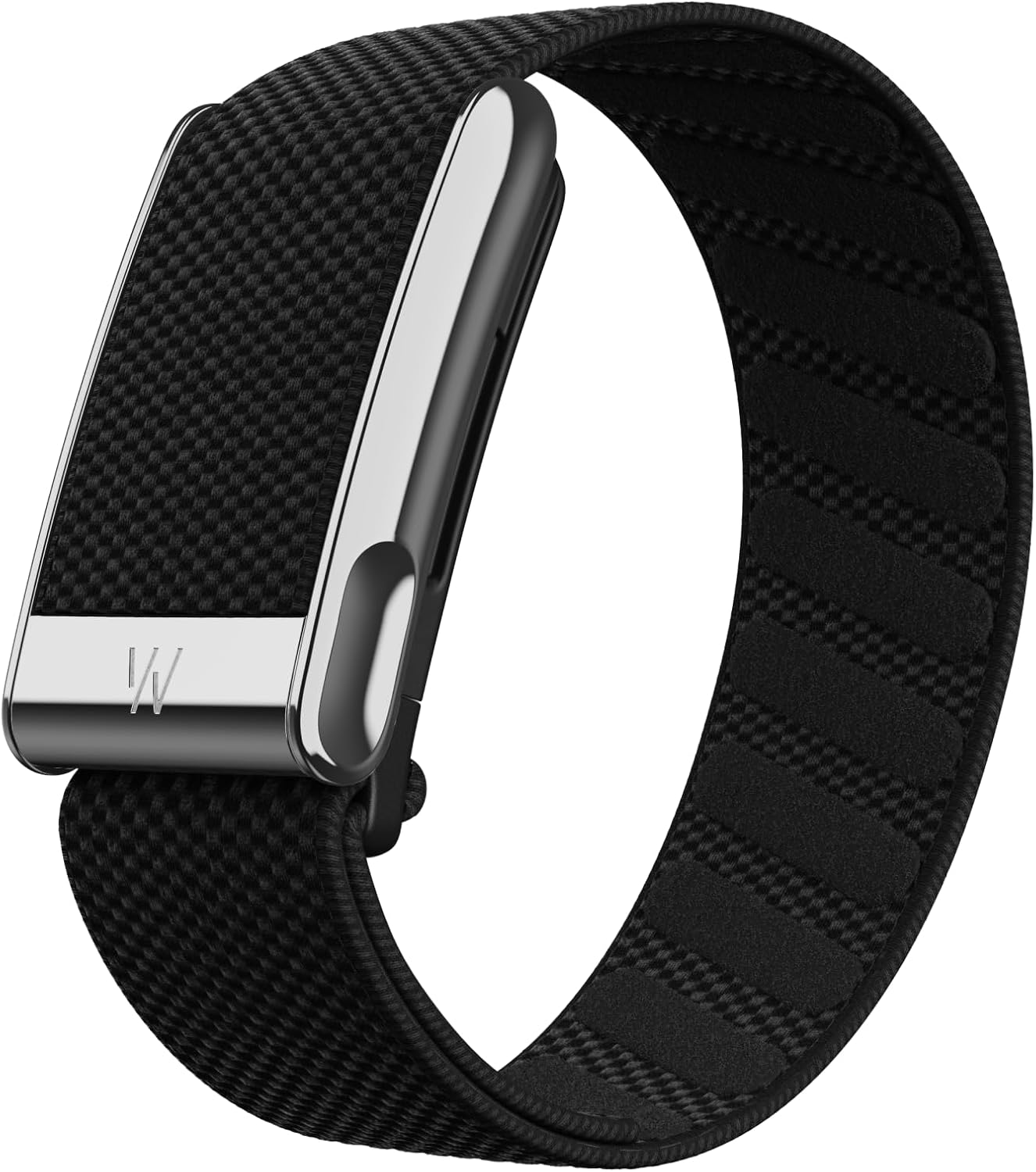
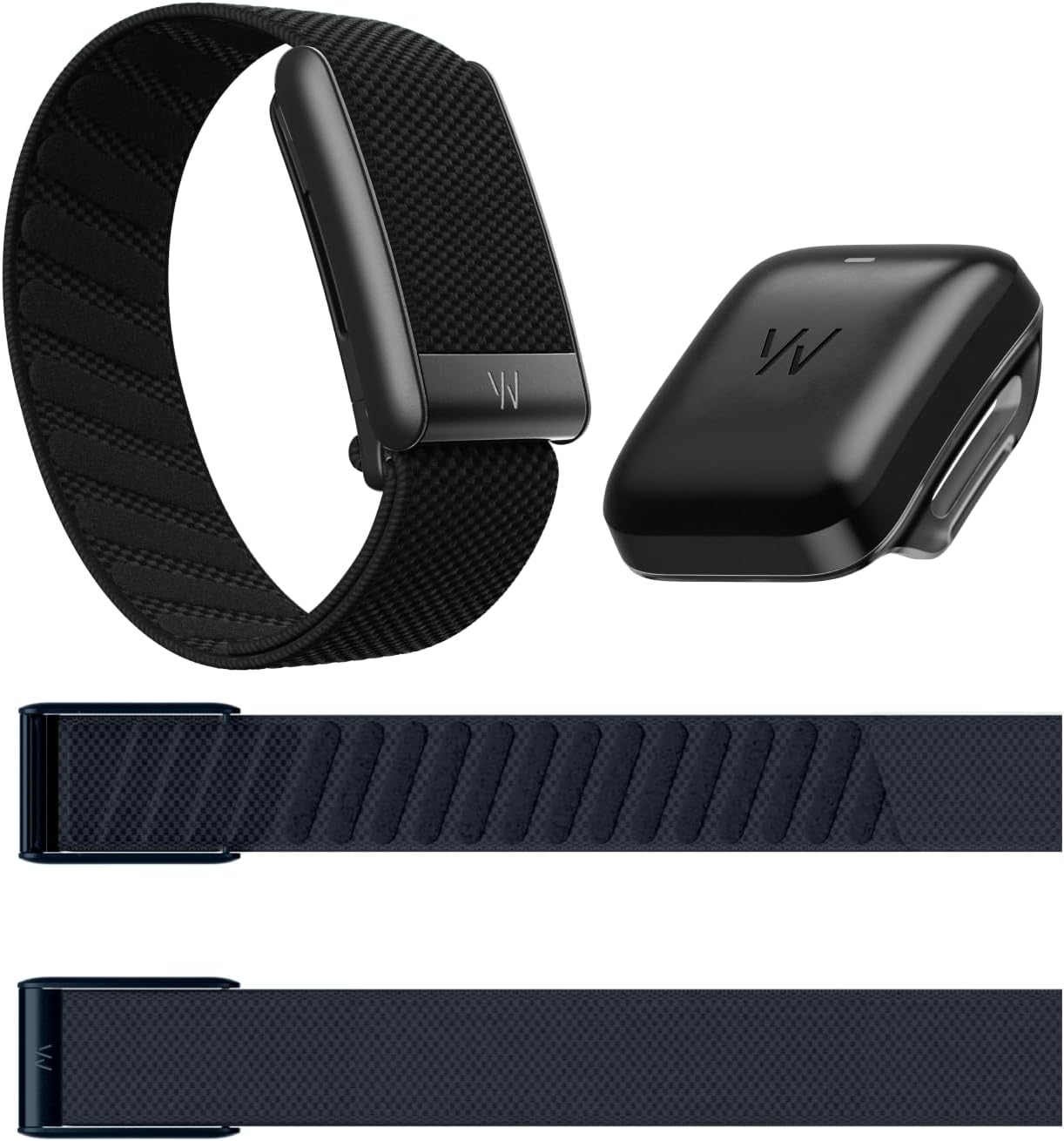
WHOOP 5.0/MG Activity Tracker with 12-Month Membership
The WHOOP 5.0/MG is the gold standard for HRV-based recovery tracking, and pregnancy is exactly when those metrics matter most. The device is screenless, which means no glow when you roll over at 3 a.m. checking on cramps. The 12-month membership bundled with the hardware means you get the full Recovery, Strain, and Sleep dashboard from day one, including a Sleep Coach that recommends bedtimes based on how depleted your nervous system actually is. For pregnant women, the standout features are the slow-wave sleep estimates (which collapse in the third trimester and are worth watching) and the respiratory rate trend, which can flag both the diaphragm compression of late pregnancy and the early signs of a respiratory illness. Battery life is roughly 14 days, and the wireless on-body charger means you never have to take it off, even for showers. Pair it with a soft band so it does not press on swelling wrists. Check the current price at Amazon.
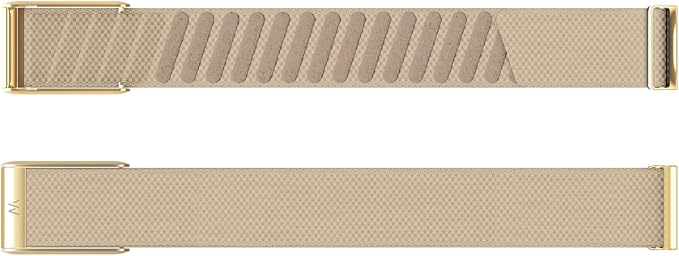
WHOOP 5.0/MG SuperKnit Luxe Performance Band (accessory)
If you already have a WHOOP or you order one, the SuperKnit Luxe band is worth adding to the cart. The standard band that ships with WHOOP is fine, but third-trimester skin is more sensitive, sweaty, and prone to itching. The SuperKnit Luxe is woven with a softer, more breathable knit that breathes better at night and stretches as your wrists and forearms change shape week to week. Several pregnant users in WHOOP's community forums describe it as the difference between forgetting the tracker is there and waking up to scratch a band line. It is an accessory only (no sensor), so you must already own a WHOOP. Grab it on Amazon.
Best budget sleep tracker for pregnant women
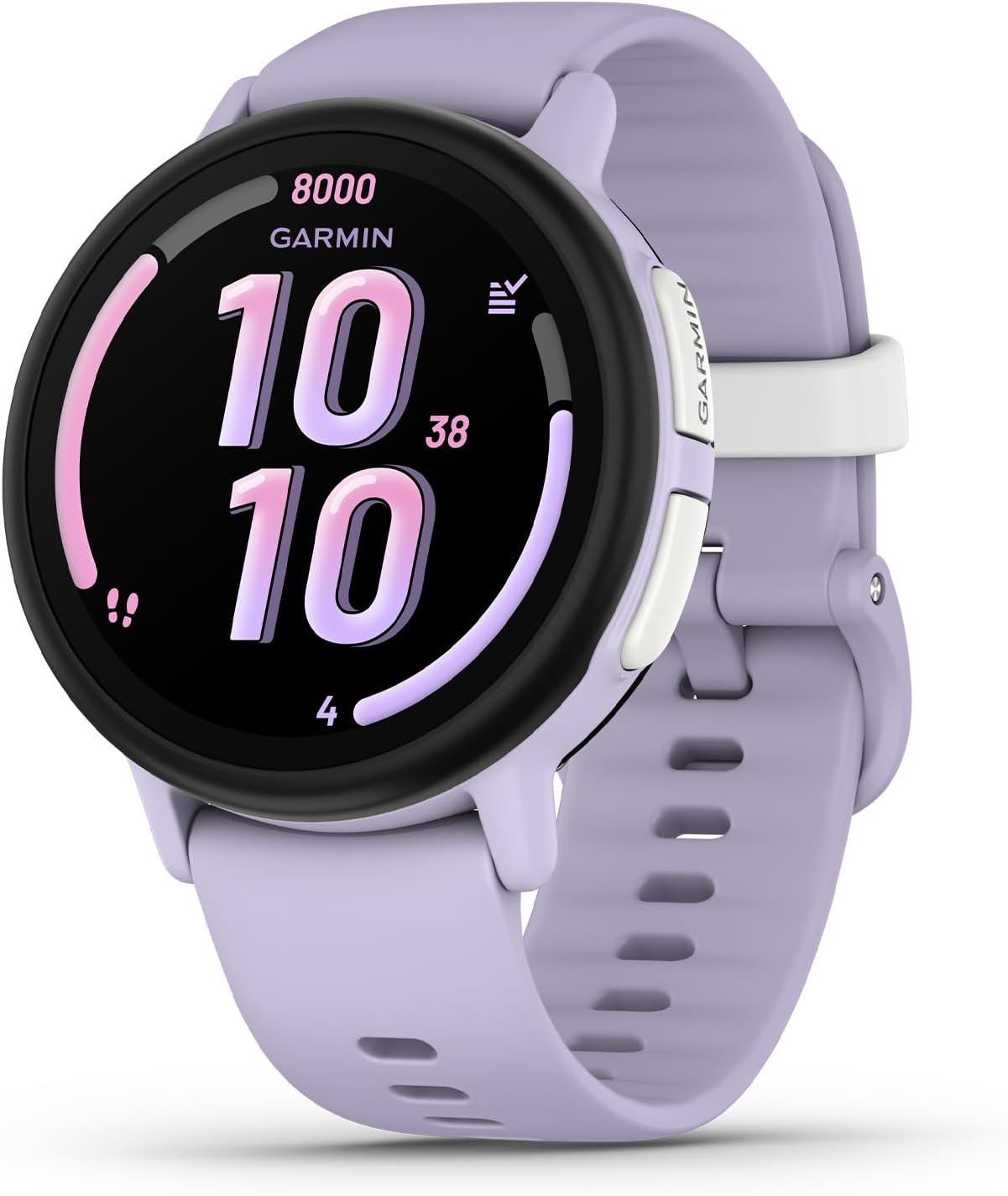
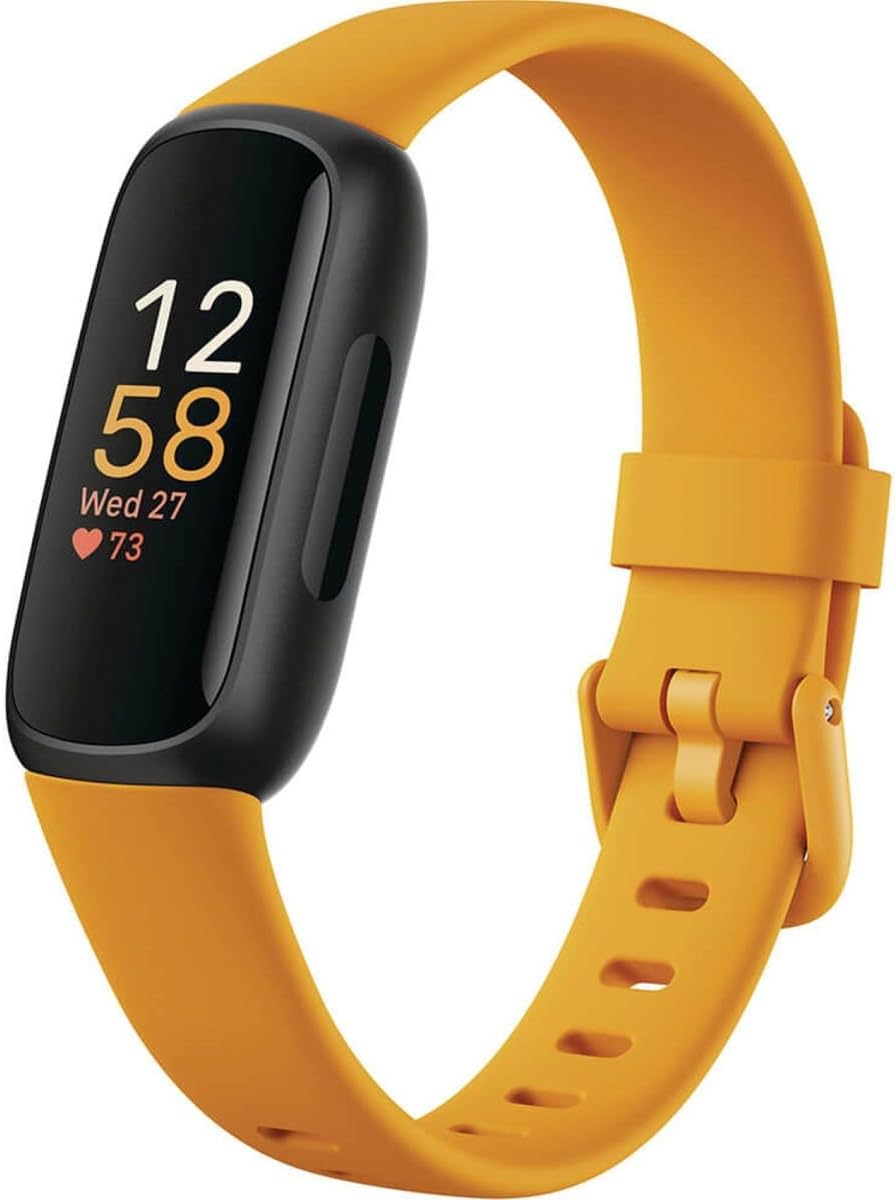
Fitbit Inspire 3 Health & Fitness Tracker
If a WHOOP subscription is overkill for what you need, the Fitbit Inspire 3 is the smartest budget pick for pregnancy insomnia in 2026. It tracks four sleep stages (wake, light, deep, REM), gives you a daily Sleep Score, and surfaces your respiratory rate and resting heart rate trends in the free Fitbit app (Premium adds more granular sleep profile data, but the free tier is genuinely useful). Battery life sits around 10 days, the band is hypoallergenic silicone, and the always-on display can be dimmed so it does not light up the bedroom. Pregnant users like the smart wake feature, which vibrates within a 30-minute window when you are already in light sleep, so it does not yank you out of the rare deep sleep you finally got at 5 a.m. View pricing on Amazon.
Best screenless tracker for sensitive late-pregnancy sleep
Google Fitbit Air Screenless Activity & Sleep Tracker
The Fitbit Air is the newest screenless option from Google's Fitbit line, designed for people who do not want notifications, glow, or buzzes in bed. It runs the same Fitbit sleep-staging algorithm as the Inspire 3 but in a lower-profile package, which is ideal if you are side-sleeping on a pregnancy pillow and a bulkier watch face digs into your wrist. The Fitbit Air syncs to the standard Fitbit app, so you get the Sleep Score, sleep stage breakdown, and resting heart rate trends. No screen also means longer battery life (around 10 days under typical use). For women who developed wrist sensitivity, carpal tunnel symptoms, or pregnancy-related itching, the slim profile is forgiving. See it on Amazon.
Best ring option when wrists swell
RQZ Smart Ring with Heart Rate & Sleep Tracking
Around week 32, many pregnant women develop edema in the hands and wrists, and any wrist-worn device becomes uncomfortable. A ring is the obvious workaround. The RQZ Smart Ring tracks heart rate, sleep stages, and basic activity from your finger, drawing on the same PPG sensor technology used in higher-end rings at a fraction of the price. Battery life is around 5-7 days, and the charging case is small enough to live in your hospital bag. A few practical notes: order half a size up from your pre-pregnancy ring size to allow for finger swelling, and try it on the index or middle finger rather than the ring finger if you are worried about removal. The trade-off compared to WHOOP or Fitbit is that the app is less polished and HRV trends are simpler, but for a quiet, unobtrusive nightly read, it does the job. Check it on Amazon.
How to use a sleep tracker without making pregnancy anxiety worse
A sleep tracker is a tool, not a verdict. The single biggest mistake we see pregnant women make is checking their sleep score first thing in the morning and letting a 62 ruin a day they actually felt fine on. Here is the protocol we recommend.
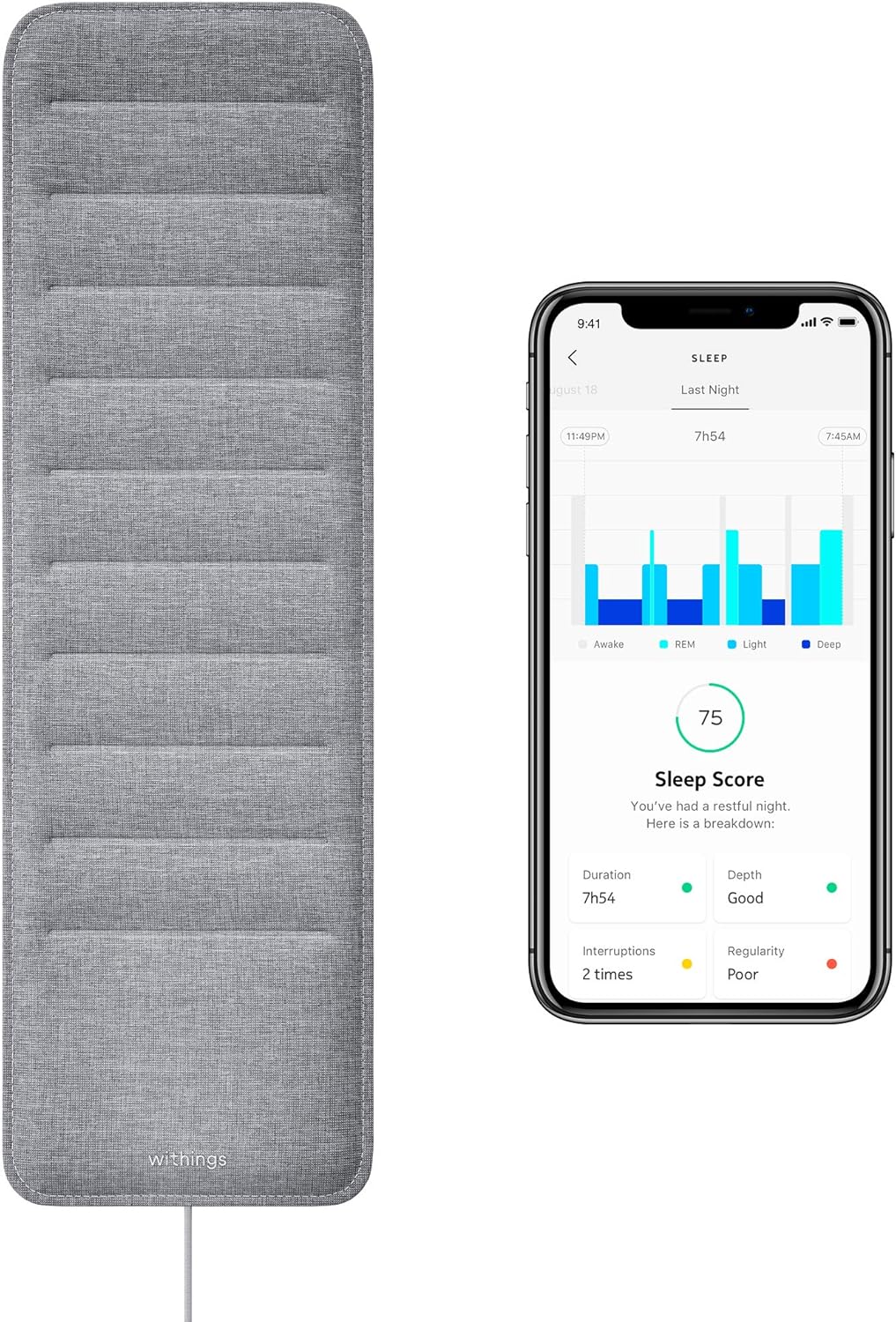
First, ignore single-night scores for the entire third trimester. Look only at seven-day rolling averages of total sleep time, time in bed, and resting heart rate. If resting heart rate climbs steadily over 3-4 nights, that is worth mentioning to your OB, since it can be an early signal of dehydration, infection, or anemia. Second, use the bedtime reminder feature, not the wake-up feature. Most pregnant women cannot control when they wake up, but they can move bedtime 30 minutes earlier to bank more total sleep. Third, watch respiratory rate as a trend, not a number. A sudden 2-breath-per-minute jump that persists for several nights deserves a call to your provider, especially if paired with new swelling or headaches.
For more on building a pregnancy-friendly sleep routine, see our guide to the best pregnancy pillows for side sleepers and our roundup of white noise machines that work for both pregnancy and the newborn phase. If you are also dealing with restless legs, our piece on RLS relief during pregnancy covers magnesium, iron, and stretches that pair well with tracker data.
What to look for when buying a sleep tracker for pregnancy insomnia
Three features matter more than anything else in late pregnancy. Number one is sensor comfort against your skin at night. Hard buckles, metal sensors, and stiff straps that were fine at 20 weeks become miserable by 36 weeks. Look for soft, knit, or silicone bands. Number two is silent or screenless operation. Avoid devices with an always-on display that you cannot dim. Number three is a healthy app ecosystem that lets you turn off the gamification. Streaks and scores can become a source of anxiety when you are already up at 4 a.m. Most major trackers let you hide scores or disable notifications, so dig into the settings during your first week.
Also pay attention to charging style. A device that needs to come off your wrist for 90 minutes each day is one you will forget to wear at night. Wireless on-body charging (WHOOP) or a 5-day-plus battery (Fitbit, RQZ) both solve this. Avoid trackers that require a phone next to your bed, since EMF concerns aside, having your phone within reach at night is the single most consistent predictor of worse pregnancy sleep in survey data.
Frequently Asked Questions
Are sleep trackers safe to wear during pregnancy?
Yes. Consumer wrist and ring trackers like WHOOP, Fitbit, and the RQZ Smart Ring use low-power Bluetooth and optical heart rate sensors that emit far less radiation than a phone call. The American College of Obstetricians and Gynecologists has not raised concerns about wearable trackers in pregnancy. If you want extra peace of mind, you can put the paired phone in airplane mode at night and sync the device in the morning, which is supported by all the trackers above.
Which sleep tracker is most accurate for measuring pregnancy sleep stages?
Independent validation studies through 2025 have found WHOOP and Fitbit roughly equivalent in sleep-stage accuracy, with WHOOP slightly better at HRV during disturbed sleep and Fitbit slightly better at total sleep time estimation. Neither is as accurate as a clinical polysomnogram, but both are accurate enough to spot pregnancy-related trend shifts like the slow-wave sleep drop common in the third trimester.
Can a sleep tracker detect early signs of preeclampsia or gestational complications?
A tracker is not a medical device and cannot diagnose preeclampsia. However, a sustained rise in resting heart rate, a drop in HRV, and a jump in respiratory rate over 3-5 consecutive nights are all worth reporting to your OB, especially when paired with symptoms like new swelling, headaches, or visual changes. Use the tracker as an early-warning data point, not a diagnosis.
Will a smart ring still work if my fingers swell in late pregnancy?
Smart rings work fine as long as they fit. The trick is to size up from your pre-pregnancy ring size by at least half a size, and to wear it on a non-dominant index or middle finger rather than the traditional ring finger. If your fingers swell a lot, switch the ring to a wrist tracker for the last 4-6 weeks and switch back postpartum.
How do I track sleep without my phone next to the bed?
All the trackers in this guide store at least one full night of data on the device itself. You can leave your phone in another room, sleep normally, and sync the device in the morning. WHOOP holds about 3 days of data, Fitbit holds about 7 days, and the RQZ Smart Ring holds up to several nights, depending on settings.
What is a good HRV for a pregnant woman in the third trimester?
HRV is intensely personal and trends matter more than absolute numbers. In general, pregnancy lowers HRV compared to pre-pregnancy baseline because the parasympathetic nervous system is more taxed. A 10-20% drop in your personal HRV baseline through the third trimester is normal. A sudden 30%+ drop sustained over several nights paired with poor sleep is worth raising with your provider.
Should I keep using my sleep tracker after the baby arrives?
Yes, and arguably the postpartum period is when these trackers prove most useful. Fragmented newborn sleep makes it hard to know whether you slept 3 hours or 5 hours total across a night of feedings. A WHOOP or Fitbit gives you a real number, helps you decide when to nap, and tracks the recovery of your HRV in the weeks after birth, which is a strong predictor of how you are tolerating sleep deprivation. The WHOOP SuperKnit Luxe accessory is especially comfortable during postpartum, when night sweats and skin sensitivity often spike again.
Key Takeaways
- Choosing the right sleep tracker for pregnancy insomnia means matching capacity and output ports to your actual devices
- Always check actual watt-hours (Wh), not just watts — runtime depends on Wh, not peak output
- Also covers: pregnancy sleep monitor
- Also covers: third trimester sleep tracking
- Also covers: wearable for pregnant insomnia
- Compare price-per-Wh across models to find the best value for your budget