If you work rotating shifts, overnights, or unpredictable on-call hours, finding the right sleep tracker for shift workers can be the difference between feeling chronically wrecked and actually recovering between shifts. Standard sleep wearables are built around a 10pm-to-6am bedtime, which is useless when you're crashing at 8am after a 12-hour overnight. In 2026, the best devices for irregular schedules focus on tracking sleep regardless of the clock, measuring recovery via heart rate variability (HRV), flagging sleep debt across rolling windows, and giving you smart nap suggestions before your next shift.
Below we break down five real, currently shipping devices we think work best as a sleep tracker for shift workers, ranked by how well they adapt to split sleep, daytime sleep, and chaotic rotations. We also explain what metrics actually matter when your circadian rhythm is constantly under attack, and which features are marketing fluff.
What shift workers need from a sleep tracker in 2026
Before picking a device, understand the unique demands of shift work. Unlike a 9-to-5 worker whose body runs on a predictable rhythm, you're constantly resetting. A useful sleep tracker for shift workers must do four things well:
- Detect sleep at any time of day — including 90-minute power naps and split sleep sessions.
- Track HRV and resting heart rate trends so you can see when your nervous system is actually recovered (or not).
- Calculate sleep debt or recovery scores over rolling 7-14 day windows, not just last night.
- Offer actionable guidance — when to nap, how hard to train, when to skip caffeine — instead of just dumping data on you.
- Wear it 24/7 for at least 14 days to establish baselines for HRV, resting heart rate, and average sleep duration.
- Track total sleep over rolling 7-day windows, not nightly. Aim for 49+ hours per week regardless of when those hours land.
- Use recovery scores to decide intensity — green means train hard, yellow means moderate, red means rest or nap.
- Treat naps as legitimate sleep. A 90-minute nap before a night shift counts. WHOOP and the smart rings handle this best.
- Watch HRV trends, not absolute numbers. A declining HRV over 2-3 weeks is your body screaming for a recovery day.
Skip any device that only logs a single nightly session or forces a fixed bedtime window. For more on metric selection, see our breakdown of HRV vs sleep stages and which metric matters more.
Quick comparison: top picks for irregular schedules
| Device | Form Factor | Nap Detection | Recovery Score | Battery Life | Subscription |
|---|---|---|---|---|---|
| WHOOP 5.0/MG | Screenless band | Excellent (auto) | Yes (daily strain + recovery) | ~14 days | Required (included 12 mo) |
| RQZ Smart Ring | Ring | Good (auto) | Basic | ~5-7 days | None |
| Fitbit Inspire 3 | Wrist band w/ screen | Limited | Sleep Score | ~10 days | Optional Premium |
| Fitbit Air | Screenless band | Limited | Sleep Score | ~10 days | Optional Premium |
| WHOOP SuperKnit Luxe | Band accessory | N/A (accessory) | N/A | N/A | N/A |
Best overall: WHOOP 5.0/MG for serious shift workers
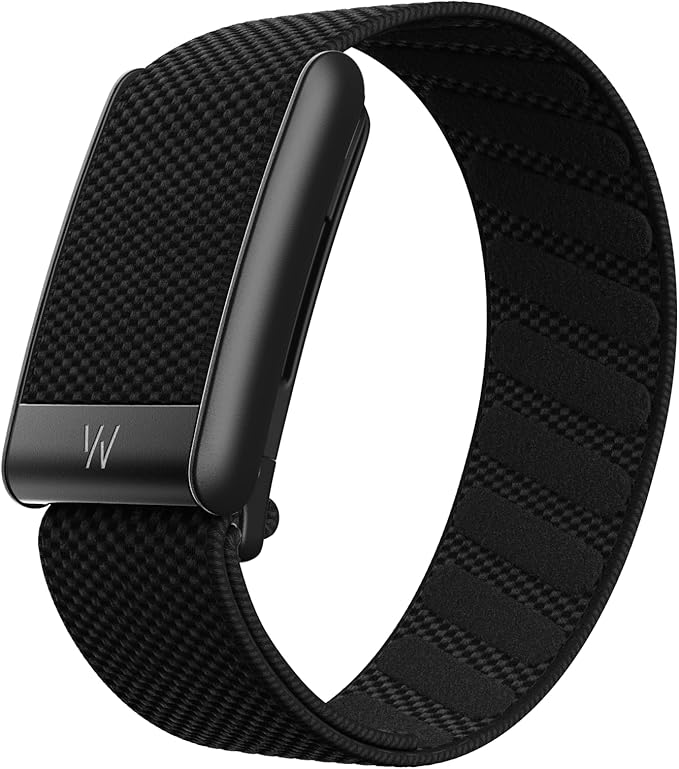
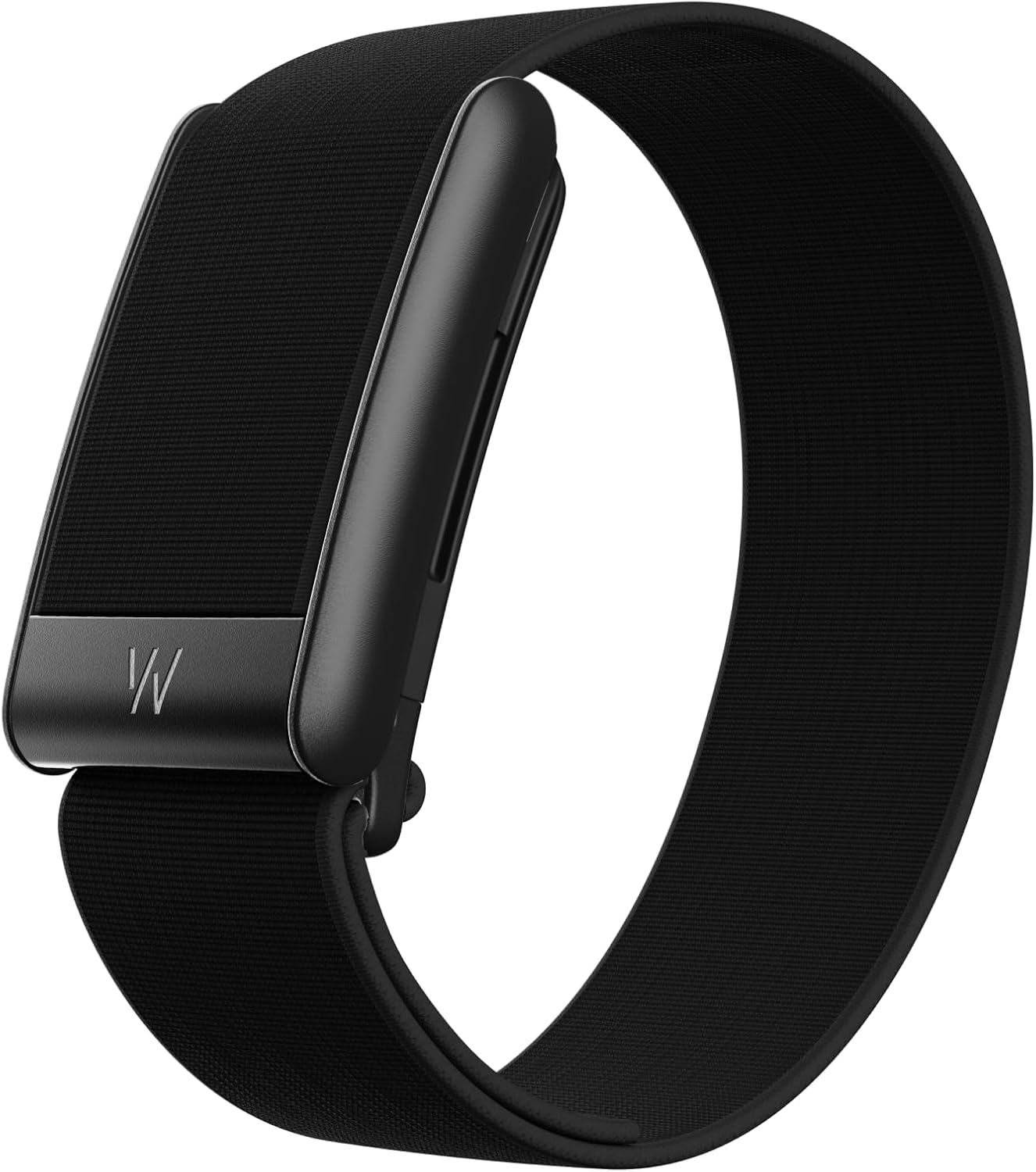
WHOOP 5.0/MG Activity Tracker with 12-Month Membership
If you're a nurse, pilot, firefighter, or anyone doing demanding rotating shifts, the WHOOP 5.0/MG is the most powerful sleep tracker for shift workers on the market in 2026. Unlike most wearables, WHOOP doesn't care what time it is — it tracks sleep whenever you sleep, including naps as short as 30 minutes, and folds every minute of rest into a daily recovery score driven by HRV, resting heart rate, respiratory rate, and sleep performance.
The recovery score is the killer feature for shift workers. After a brutal stretch of nights, you'll see it drop into the red, which gives you objective evidence to skip the gym, push back social plans, or prioritize sleep over caffeine. The Sleep Coach also tells you exactly when to go to bed (or nap) based on your upcoming schedule and current sleep debt. Battery life sits around two weeks, and the band charges while you wear it via a slide-on battery pack — no removing it before a 12-hour shift.
The MG variant adds medical-grade ECG and blood pressure insights, which are useful if you suspect shift work is impacting your cardiovascular health. The 12-month membership is bundled in.
Check WHOOP 5.0/MG price on Amazon
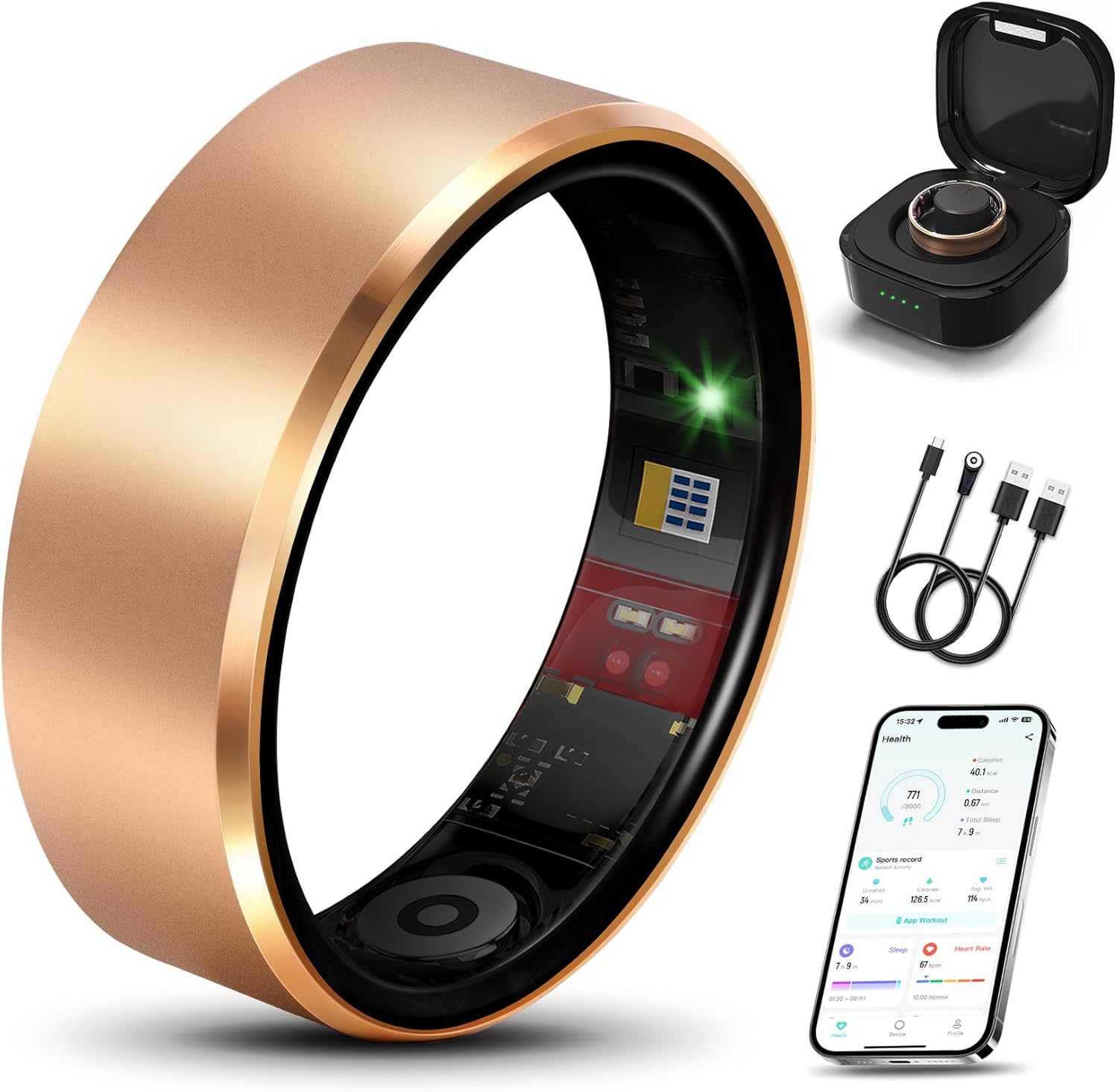
Best for ring lovers: RQZ Smart Ring
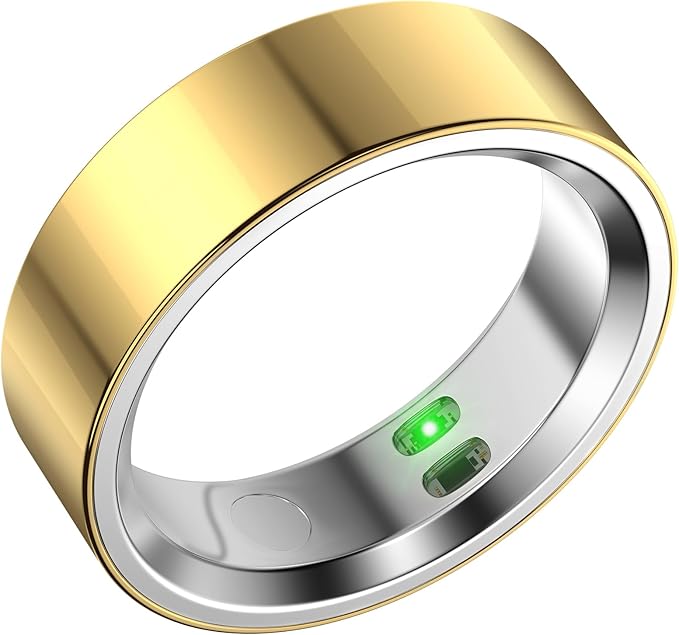
RQZ Smart Ring with Heart Rate & Sleep Tracking
Some shift workers — especially healthcare professionals who need to scrub in, or anyone who finds wristbands uncomfortable during sleep — prefer a ring form factor. The RQZ Smart Ring is a budget-friendly alternative to premium rings, offering continuous heart rate, SpO2, and sleep stage tracking without a subscription fee.
For irregular schedules, the RQZ auto-detects daytime sleep sessions and logs them as part of your overall sleep total. The companion app shows a rolling sleep average, which is more meaningful than any single night when your schedule is chaotic. Battery life of 5-7 days is solid, and the ring is light enough that you'll forget you're wearing it during a 14-hour shift.
It's not as precise as WHOOP or a Fitbit for stage detection, but for the price, it's a strong entry point for anyone who wants ring-based tracking without committing to a premium ecosystem.
Check RQZ Smart Ring price on Amazon
Best with a screen: Fitbit Inspire 3
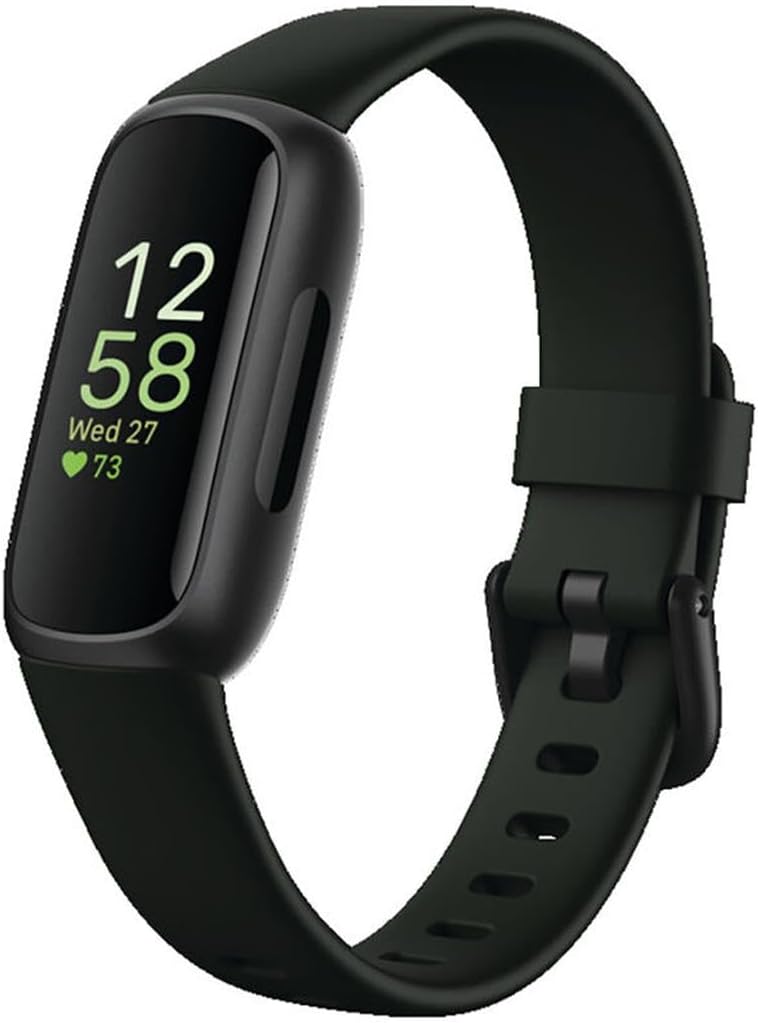
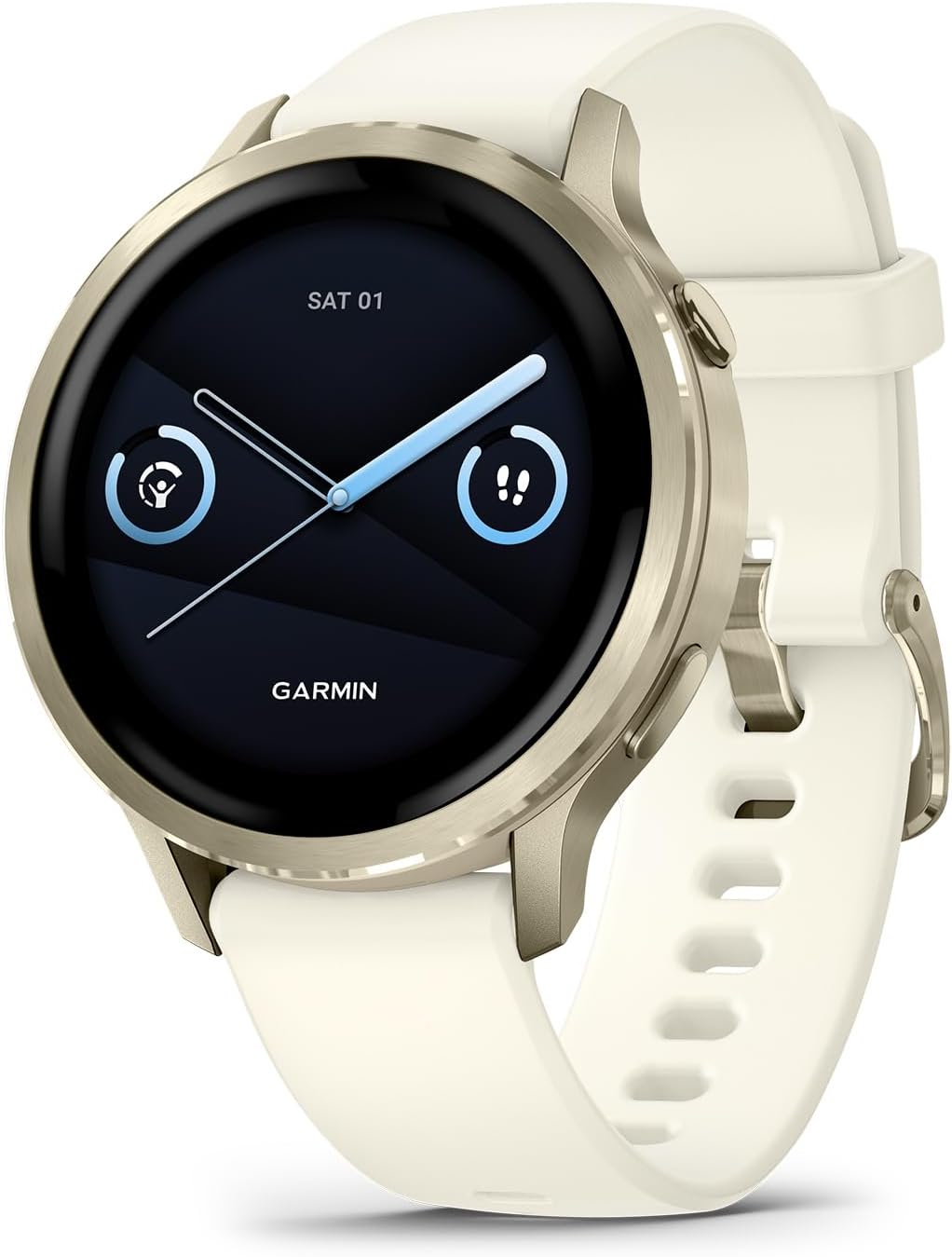
Fitbit Inspire 3 Health & Fitness Tracker
If you want a screen so you can quickly check the time, see heart rate, or read notifications mid-shift without pulling out your phone, the Fitbit Inspire 3 is a strong mid-tier choice. The color AMOLED display is bright enough to read in a dim hospital corridor or cockpit, and the always-on option means a quick glance works even at 3am.
For sleep, Fitbit's Sleep Score has matured a lot by 2026, accounting for sleep duration, restlessness, restoration (resting heart rate), and sleep stages. Fitbit Premium (sold separately) unlocks Sleep Profile, which classifies you into one of several "sleep animal" archetypes based on 30+ days of data — surprisingly useful for shift workers because it shows how your patterns compare to a target baseline.
Battery lasts about 10 days. The main downside for shift workers: nap detection is hit-or-miss, and the device prefers a single nightly sleep window, so you may need to manually log split sessions. Still, for a sub-$100 tracker, it's hard to beat.
Check Fitbit Inspire 3 price on Amazon
Best screenless Fitbit: Fitbit Air
Google Fitbit Air Screenless Activity & Sleep Tracker
The newer Fitbit Air strips out the screen, giving you a lighter, more comfortable band that's easier to wear through long shifts and overnight sleep. For shift workers who don't need a display and want the Fitbit ecosystem (Sleep Score, integration with Google Health Connect, Premium features), this is a fantastic minimalist pick.
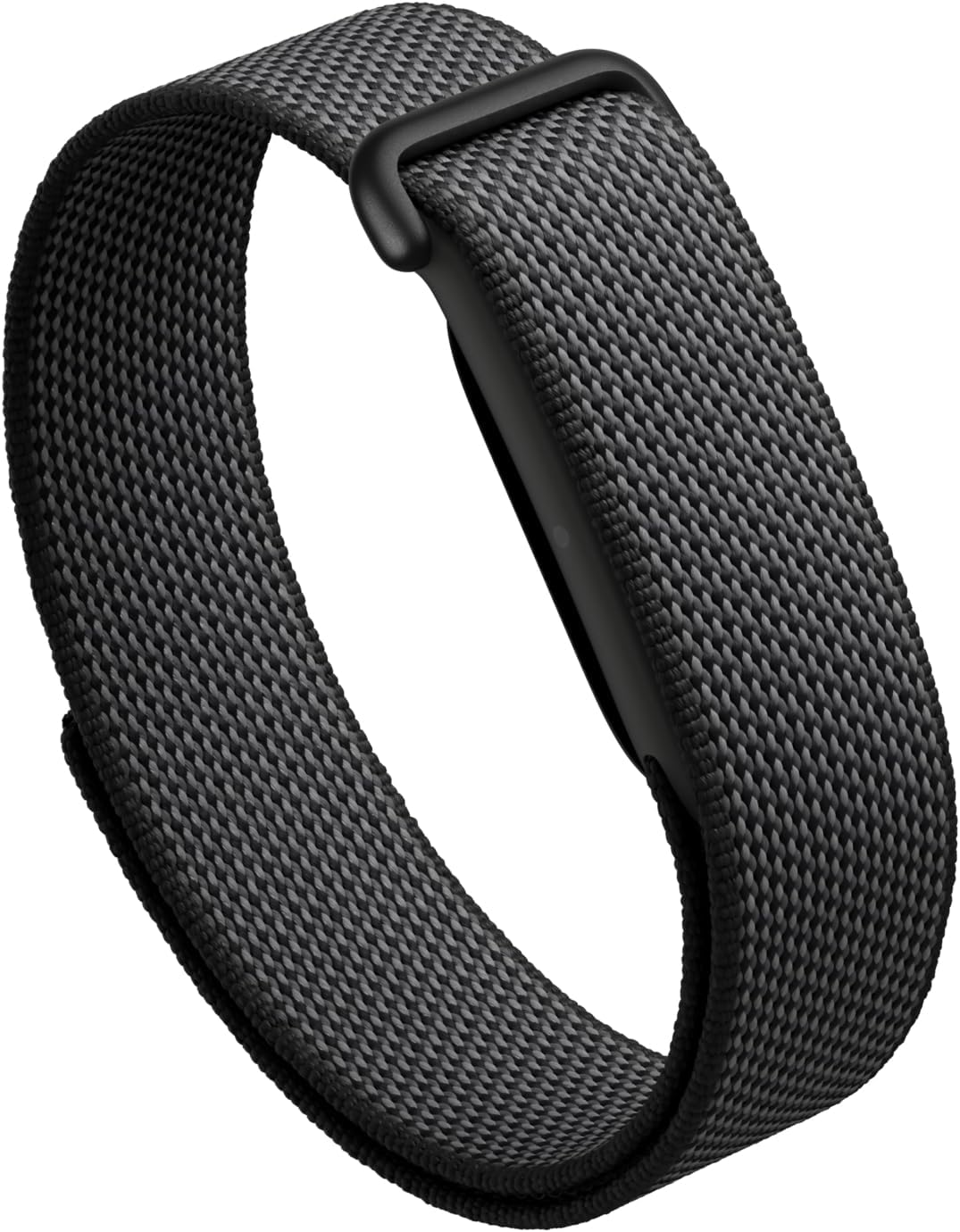
Battery life is similar to the Inspire 3 at around 10 days, and the screenless design means you charge less often and won't get distracted by notifications while trying to wind down post-shift. The Air also has slightly improved heart rate sensors, which means more reliable HRV readings overnight — and HRV is the most useful single metric when you're tracking recovery between irregular shifts.
If you've never used a Fitbit before, the Air is the easiest entry point in 2026 and pairs well with our guide to setting up a sleep routine on rotating shifts.
Check Fitbit Air price on Amazon
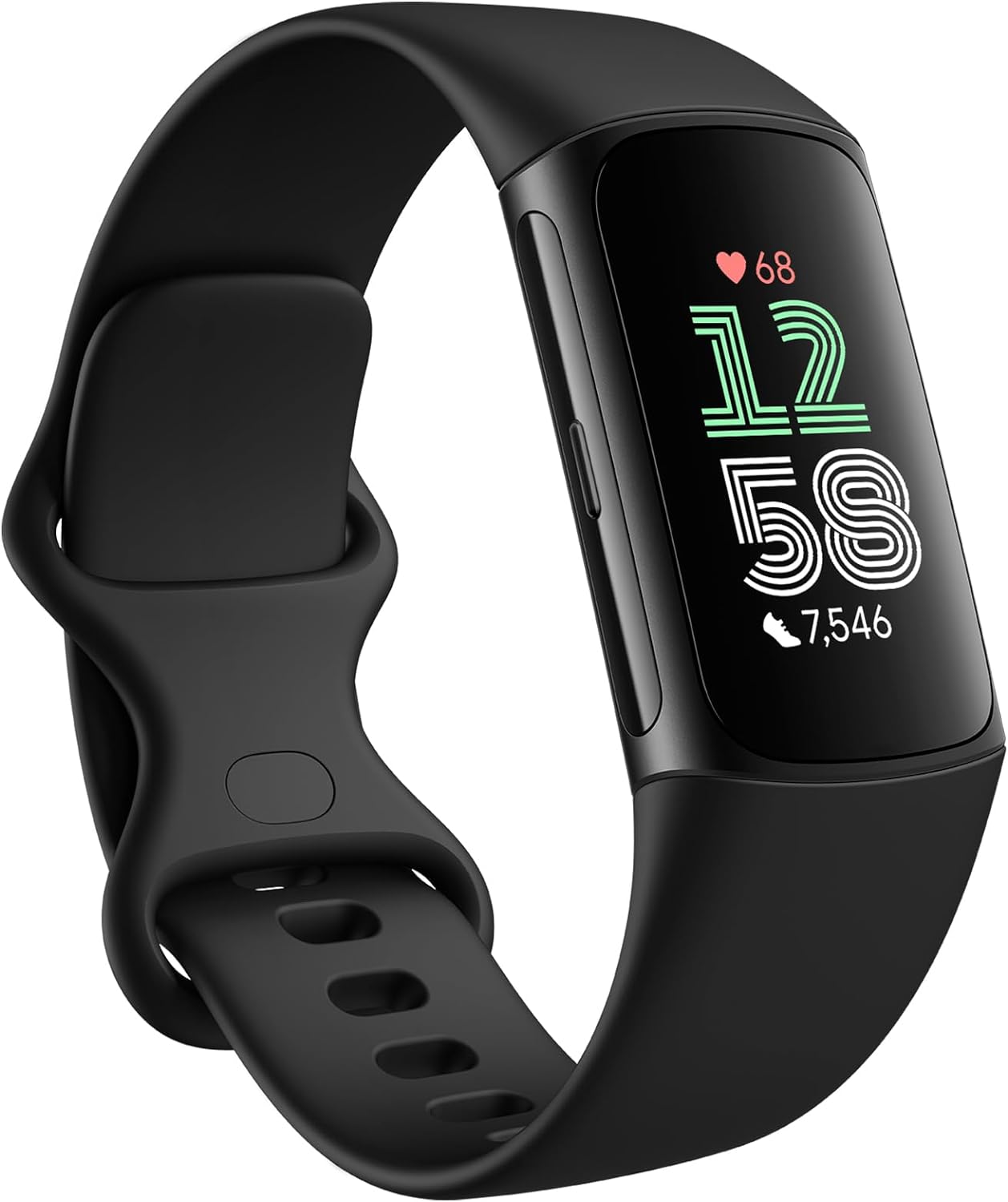
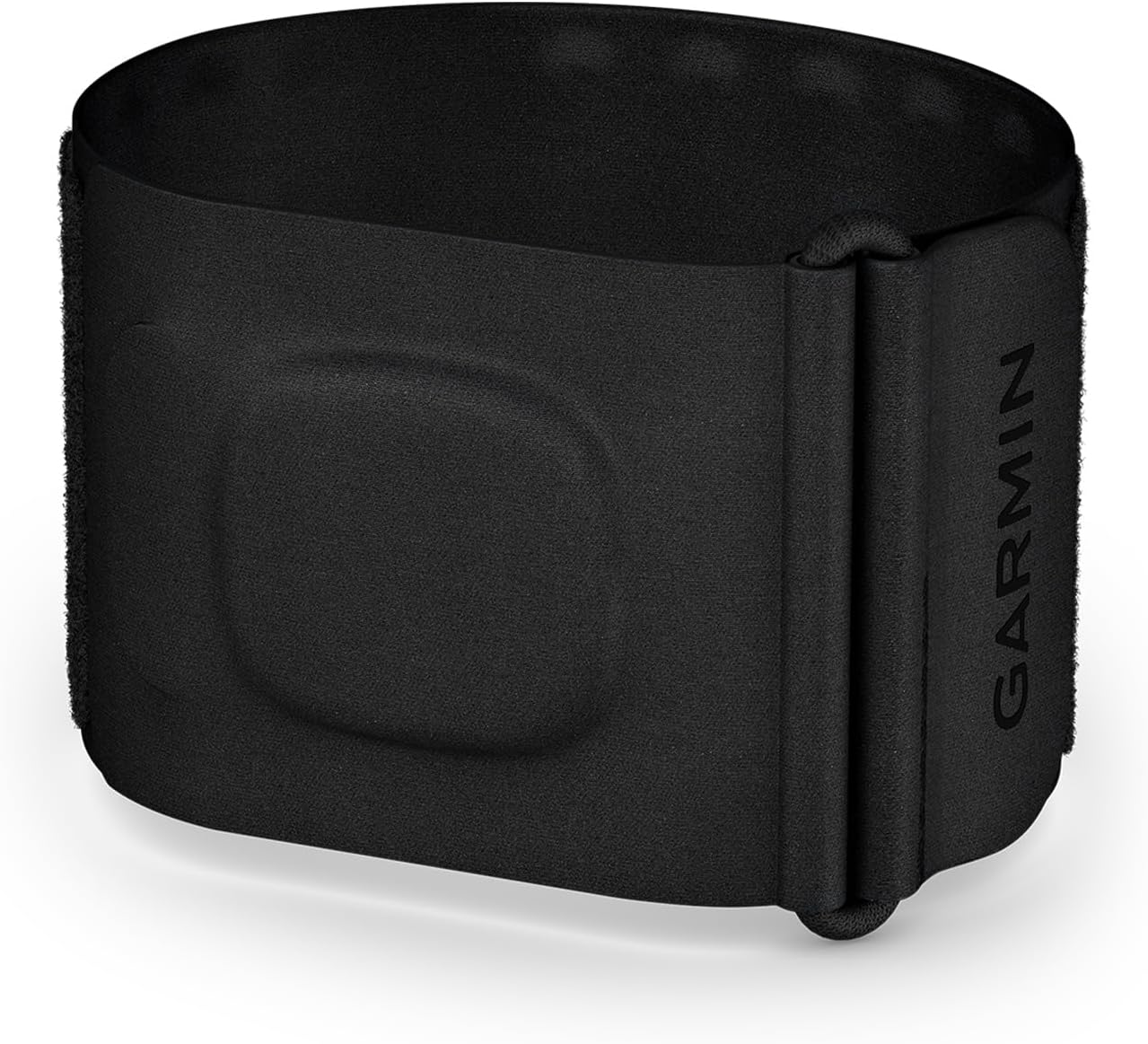
Best accessory: WHOOP SuperKnit Luxe band
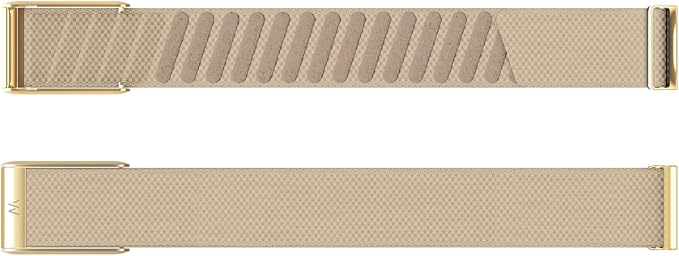
WHOOP 5.0/MG SuperKnit Luxe Performance Accessory
This isn't a tracker on its own — it's a replacement band for the WHOOP 5.0/MG. But it's worth mentioning because comfort matters more than people realize for shift workers. If you're wearing a tracker 23+ hours a day across long shifts and weird sleep windows, a band that breathes well and doesn't trap sweat dramatically improves compliance.
The SuperKnit Luxe uses a softer, moisture-wicking weave that holds up to scrubbing, glove changes, and constant wear. If you already own a WHOOP, swapping to this band as your primary is a small upgrade that pays off across hundreds of shifts.
Check WHOOP SuperKnit Luxe on Amazon
How to actually use a sleep tracker on shift work
Buying the device is the easy part. Using it well takes a few weeks. Here's the workflow we recommend:
For a deeper dive into nap strategy, our guide on strategic napping for night-shift workers covers timing, duration, and how to recover from sleep inertia.
Frequently Asked Questions
Can a sleep tracker accurately measure daytime sleep for night-shift workers?
Yes, but it depends on the device. WHOOP and smart rings like the RQZ track sleep based on movement, heart rate, and HRV regardless of the time of day, so they handle daytime sleep well. Older Fitbit models and many basic wearables assume sleep happens at night and may either miss or undercount daytime rest. Look for explicit "auto nap detection" or "24-hour sleep tracking" in the product description.
What sleep metrics matter most for rotating shift workers?
Heart rate variability (HRV), resting heart rate, total sleep over a rolling 7-day window, and a recovery or readiness score. Sleep stage breakdowns (REM, deep, light) are interesting but less actionable. HRV is the single most useful number because it reflects autonomic nervous system recovery, which is what gets battered by shift work.
Are smart rings better than wristbands for healthcare workers?Are smart rings better than wristbands for healthcare workers?
For many healthcare workers, yes. Rings are easier to keep clean, don't interfere with gloves or sleeves, and pass infection-control policies more easily than wristbands. However, they can be less precise for active heart rate during exercise and don't display info at a glance. The RQZ Smart Ring is a budget-friendly entry point if you're not ready for premium ring brands.
Do I need a sleep tracker subscription as a shift worker?
If you go with WHOOP, yes — the membership is included with the device purchase and is required ongoing. For Fitbit, Premium is optional but adds Sleep Profile and advanced trends that are genuinely useful for irregular schedules. The RQZ ring has no subscription, which makes it the most budget-friendly long-term option.
How long should I wear a sleep tracker before trusting the data?
At minimum 14 days, ideally 30. Sleep trackers rely on personalized baselines, especially for HRV and recovery scores. During the first week or two, you'll see fluctuating numbers as the device learns your patterns. After about a month, the trends become reliable enough to act on, like skipping a workout when recovery is red or scheduling a longer nap before a tough shift.
Can a sleep tracker help me reduce sleep debt from years of shift work?
It can help you measure and manage sleep debt, but it can't undo years of accumulated deficit on its own. Devices with sleep debt or recovery tracking (WHOOP especially) give you a concrete number to chip away at — usually expressed in hours owed over the past 7-14 days. Combined with strategic napping, consistent wind-down routines, and limiting caffeine in the second half of your shift, a tracker becomes a powerful coach rather than just a logger.
What's the best budget sleep tracker for shift workers in 2026?
The Fitbit Inspire 3 and RQZ Smart Ring are the strongest budget picks. Both come in well under $150 and handle sleep tracking adequately for irregular schedules. The Inspire 3 has a screen and Fitbit's polished ecosystem; the RQZ has no subscription and a more comfortable ring form factor. Pick based on whether you prefer a wrist or ring wearable.
Key Takeaways
- Choosing the right sleep tracker for shift workers means matching capacity and output ports to your actual devices
- Always check actual watt-hours (Wh), not just watts — runtime depends on Wh, not peak output
- Also covers: shift work sleep tracker
- Also covers: irregular schedule sleep monitor
- Also covers: night shift sleep tracking device
- Compare price-per-Wh across models to find the best value for your budget