The best sleep tracker for veterans with PTSD nightmares in 2026 is one that captures the autonomic fingerprint of a nightmare — a sudden heart-rate spike, a heart-rate-variability (HRV) collapse, a sweat-driven skin-temperature shift, and a brief awakening — and then surfaces those events as countable, trendable data. Wearables cannot diagnose PTSD, but the right device can quietly log every nocturnal arousal so you and your VA clinician can see whether prazosin, CPT, EMDR, or a new bedtime routine is actually reducing nightmare frequency. Below are the five strongest picks for veterans, how to interpret the data, and what to ignore.
Why nightmare frequency is the metric that matters
Standard PTSD self-report instruments (PCL-5, PSQI-A) rely on morning recall, but trauma nightmares are notoriously under-remembered — especially when alcohol, cannabis, or sedating medications blunt recall. A wearable bypasses memory entirely. When a veteran with combat-related PTSD experiences a nightmare, three physiological signals usually appear together within a 30-90 second window:
- Heart rate surge of 15-40 bpm above sleeping baseline
- HRV (RMSSD) collapse to daytime sympathetic levels
- Skin temperature spike from sweat response, followed by a cool-down
A good sleep tracker for veterans with PTSD nightmares records all three signals continuously through the night and flags the awakening that almost always follows. Counting those events week-over-week gives you something objective to bring to your provider.
Quick comparison of the top picks
| Device | Form factor | HRV during sleep | Skin temp | Nightly arousal log | Best for |
|---|---|---|---|---|---|
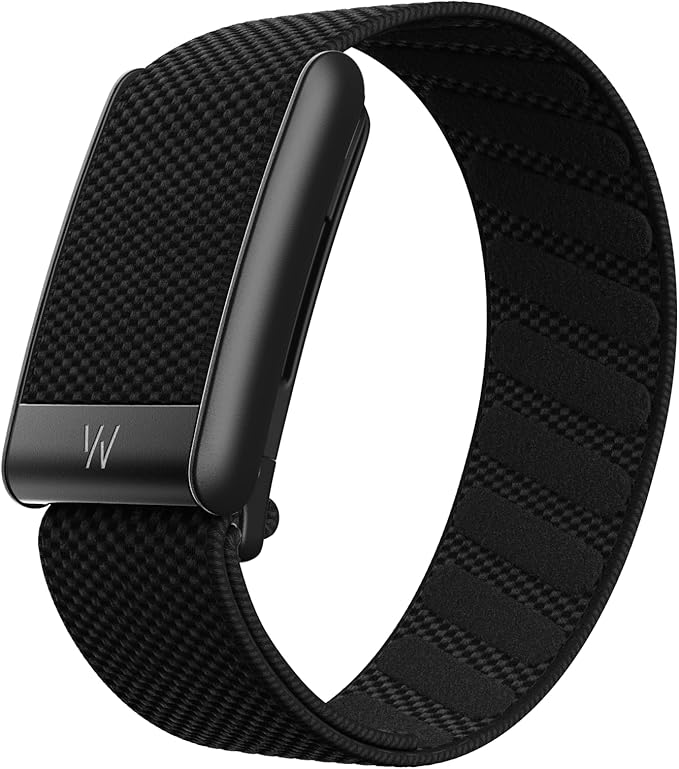
| WHOOP 5.0/MG | Strap (wrist/bicep) | Continuous | Yes | Detailed stress/arousal events | Veterans who want clinical-grade data |
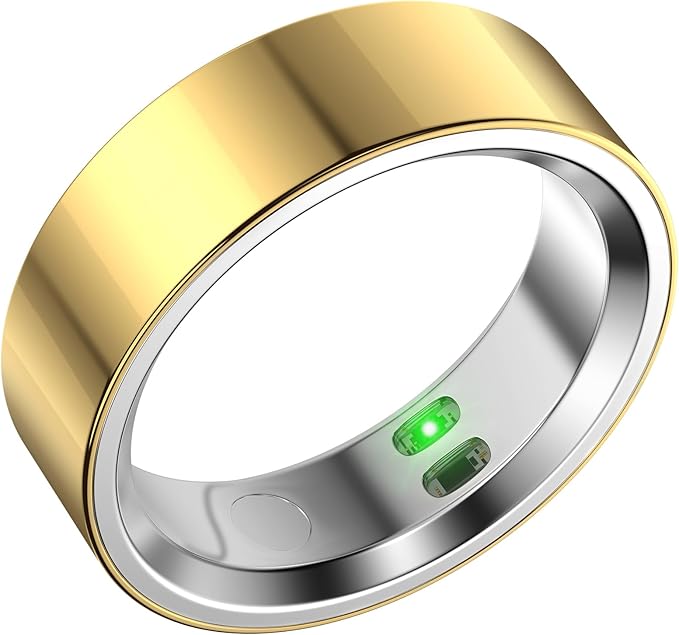
| RQZ Smart Ring | Ring | Periodic | Yes | Awakenings + HR spikes | Light sleepers who hate wrist gear |
| Fitbit Inspire 3 | Slim band | Nightly | Yes | Sleep stages + restlessness | Budget-conscious VA enrollees |
| Google Fitbit Air | Screenless band | Nightly | Yes | Restless events + heart-rate spikes | Veterans triggered by screen light |
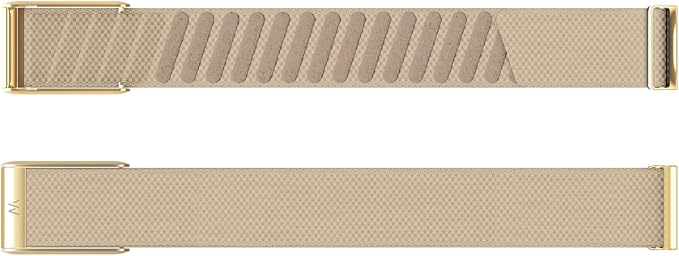
| WHOOP SuperKnit Luxe | Strap accessory | n/a (band only) | n/a | n/a | WHOOP owners with sensory sensitivity |
The best sleep trackers for veterans with PTSD in 2026
1. WHOOP 5.0/MG — best overall for nightmare frequency tracking
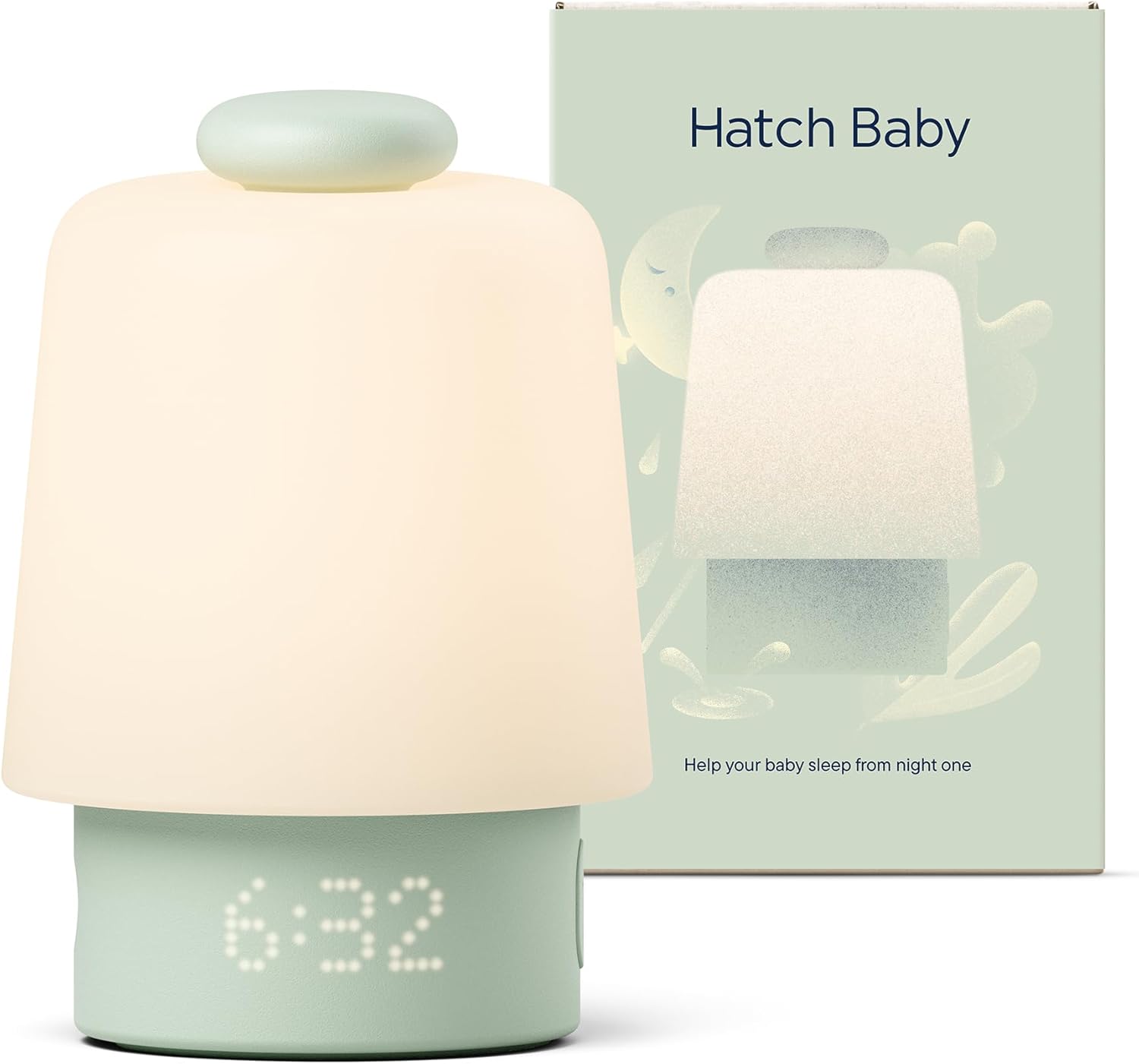
The WHOOP 5.0/MG is the closest a consumer wearable gets to a clinical autonomic monitor. It samples heart rate and HRV continuously through the night, marks every "stress event" with a timestamp, and tags awakenings inside its sleep journal. For a veteran trying to correlate nightmare frequency with prazosin titration, cannabis use, or therapy sessions, the daily journal feature is the killer app — you can tag 20+ behaviors (alcohol, late caffeine, screen time, therapy session, anniversary date) and WHOOP will show statistical correlations with disturbed sleep over weeks. The 12-month membership is bundled, so there is no surprise subscription decision at month one. The strap is also bicep-compatible, which matters for veterans who find wrist pressure triggers hypervigilance. Check the WHOOP 5.0/MG on Amazon.
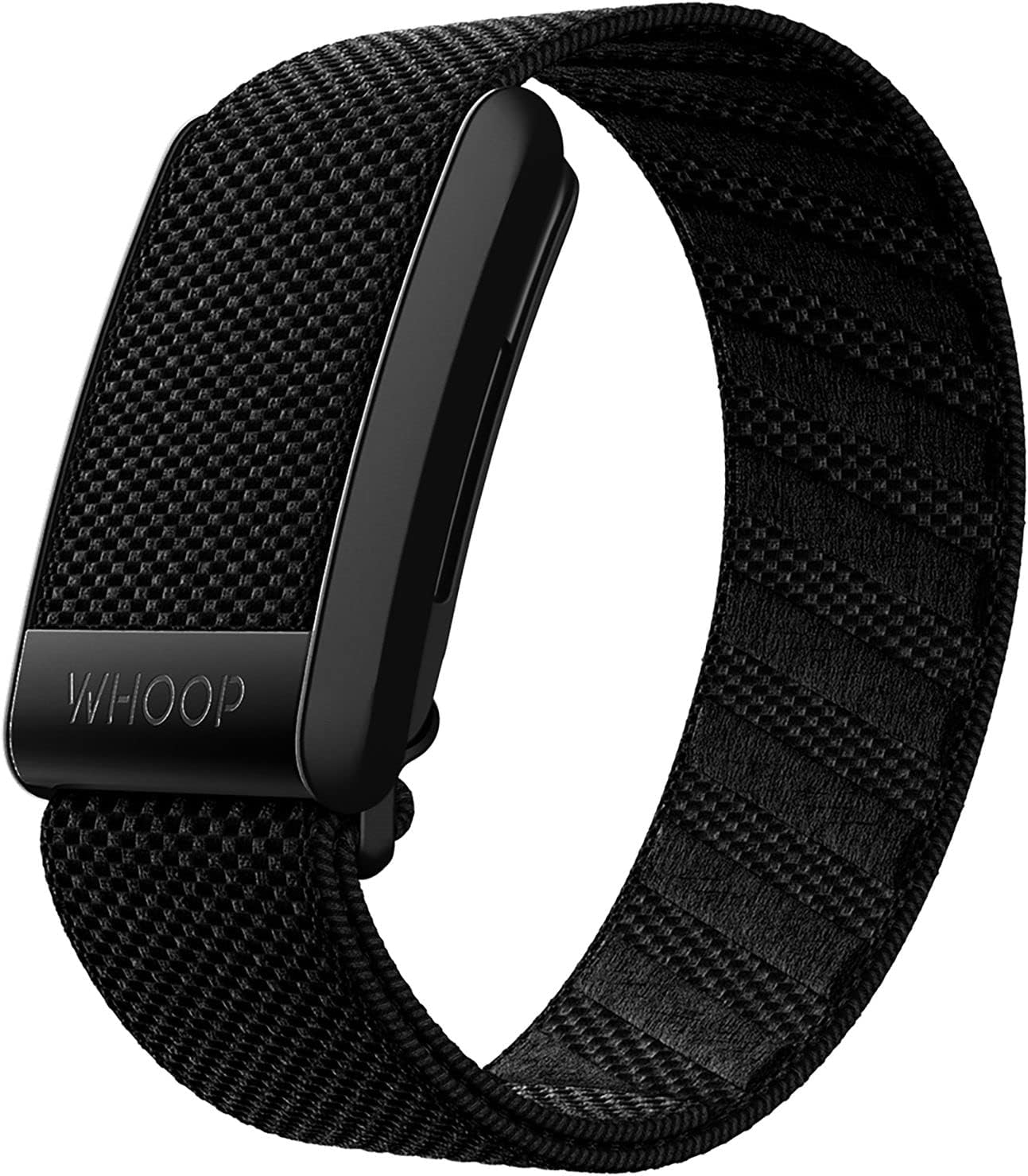
2. RQZ Smart Ring — best ring-form option for hypervigilant sleepers
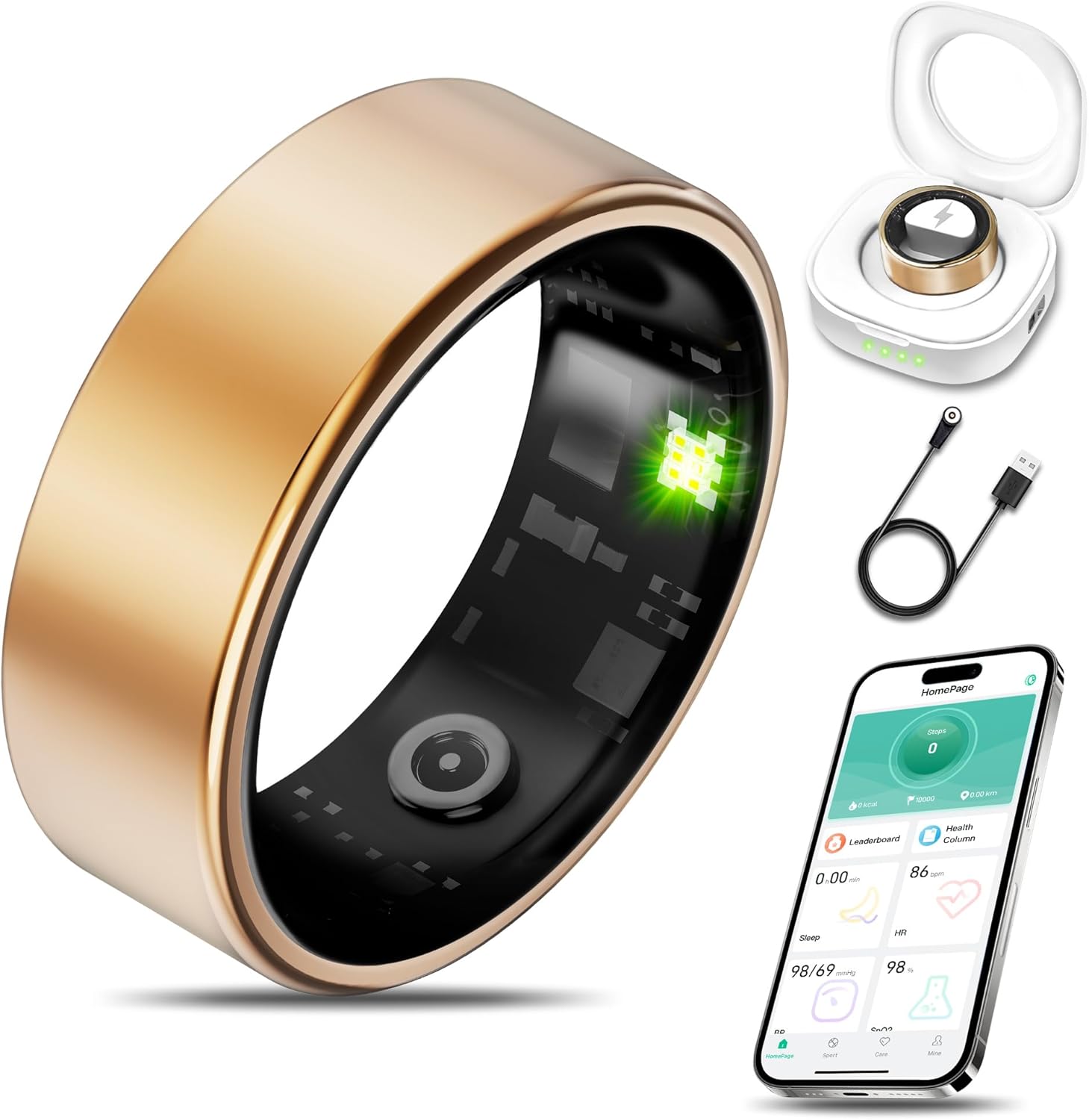
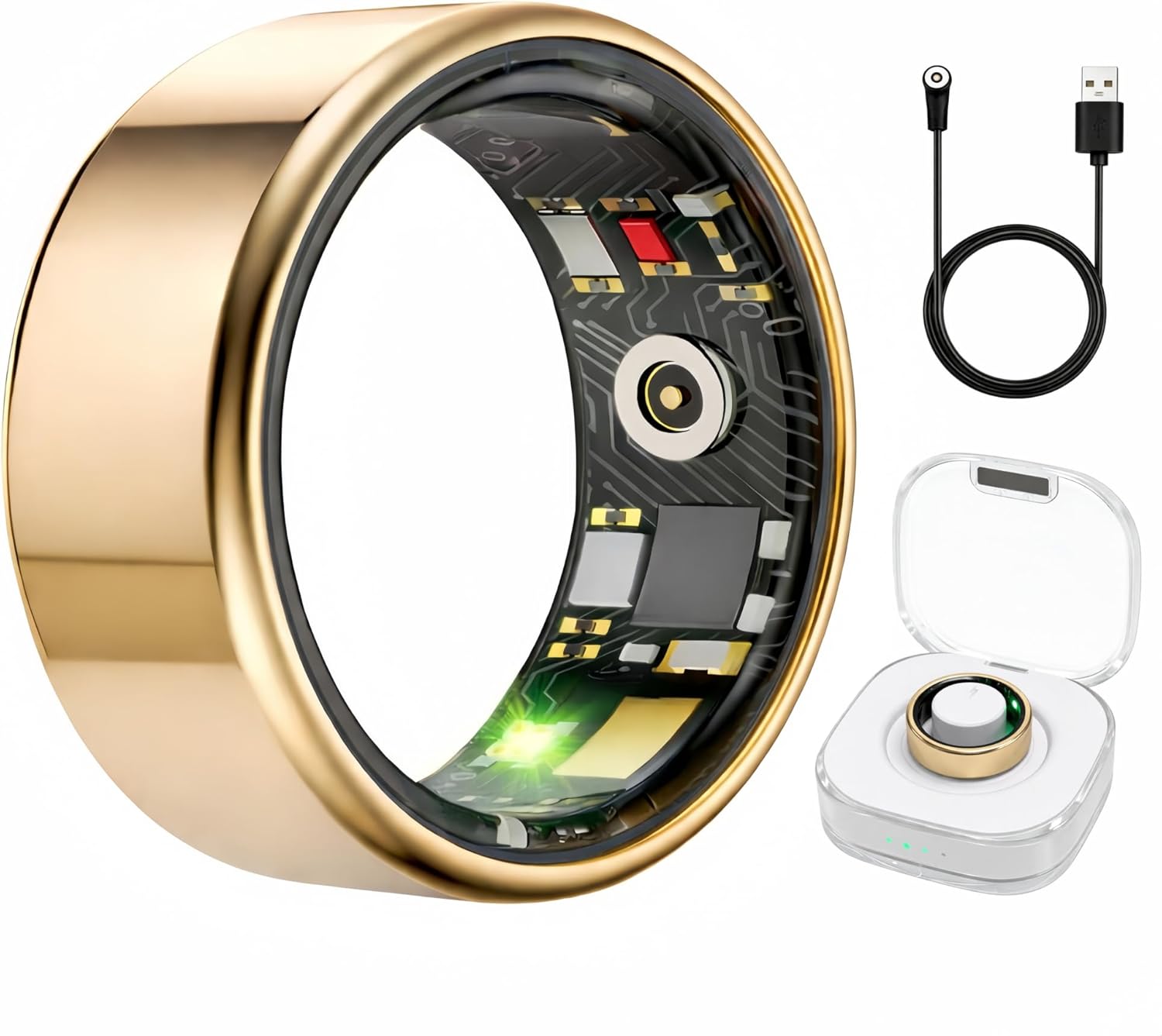
Many combat veterans report that anything on the wrist feels like a watch on patrol — the weight alone keeps them in shallow sleep. A ring removes that cue entirely. The RQZ Smart Ring tracks heart rate, HRV, blood-oxygen, and skin temperature overnight and presents a clean morning summary of awakenings and sleep stages. It does not have WHOOP's depth of journaling, but for a veteran who simply wants to count nights with multiple awakenings — the proxy for nightmare frequency that most VA mental-health providers will accept — the ring is unobtrusive, charges in roughly 90 minutes, and runs for several days per charge with no monthly fee. See the RQZ Smart Ring on Amazon.
3. Fitbit Inspire 3 — best budget choice for VA-enrolled veterans
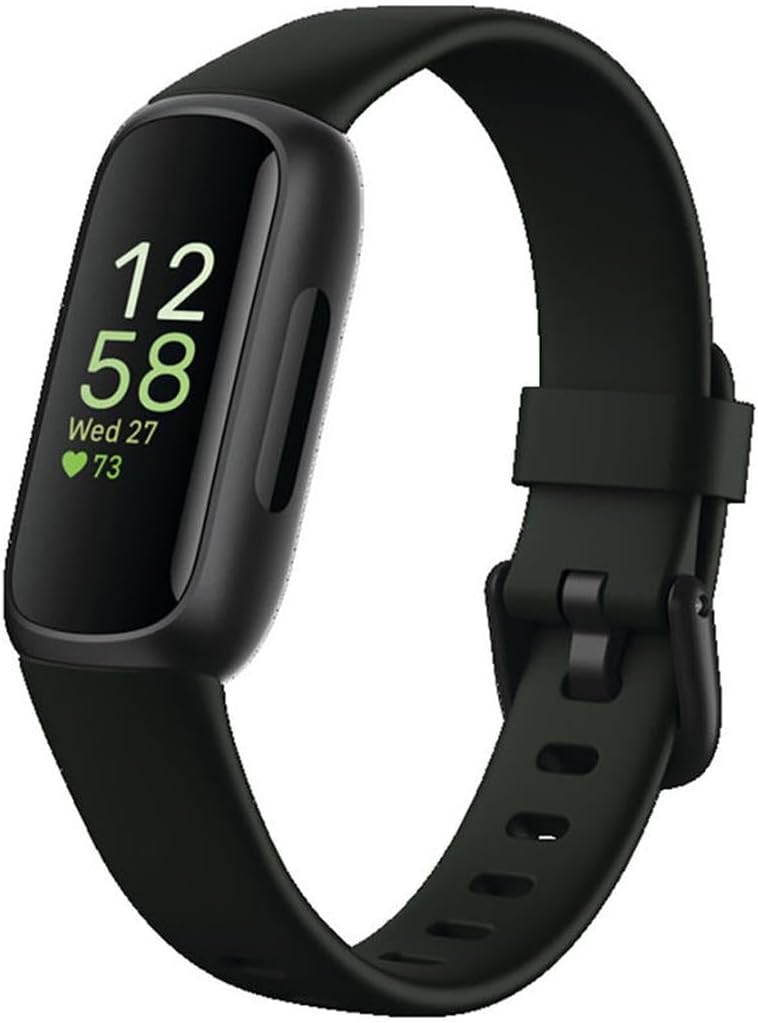
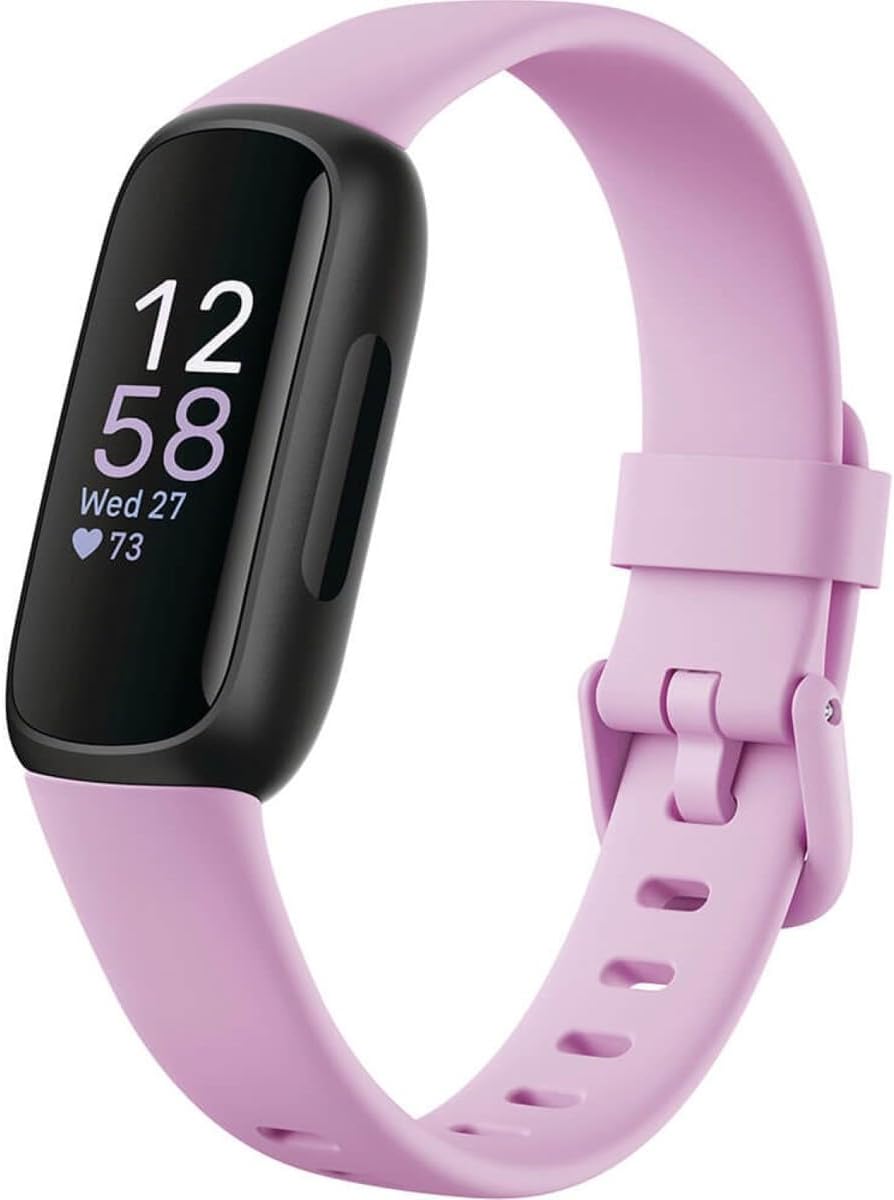
For veterans relying on VA disability income, the Inspire 3 is the most defensible spend. It captures sleep stages, nightly HRV trend, skin-temperature variation, and a restlessness score, then maps awakenings onto a clean timeline you can screenshot and bring to a Whole Health appointment. The Fitbit app's Sleep Profile feature (refreshed monthly) categorizes you as one of several "sleep animals," which is gimmicky on its own but useful if your profile shifts from "restless" to "steady" after a new treatment. Battery life is around 10 days, and the band is light enough that even side-sleepers with shoulder injuries from service tend to tolerate it. View the Fitbit Inspire 3 on Amazon.
4. Google Fitbit Air — best screenless option for light-sensitive veterans
The Fitbit Air is a new screenless band built explicitly for people who do not want notifications, glowing displays, or any device that demands attention. For veterans with PTSD who startle to light or vibration at night, this matters: the Air has no screen to illuminate during awakenings and no haptic interruptions unless you turn them on. It still records continuous heart rate, nightly HRV, skin-temperature delta, and a per-night restlessness log that you read on your phone in the morning. Pair it with a blackout sleep environment and you have a tracker that gathers nightmare-frequency data without ever becoming part of the threat landscape your nervous system scans for at 3 a.m. Check the Google Fitbit Air on Amazon.
5. WHOOP 5.0/MG SuperKnit Luxe accessory — if the stock band irritates you
This is an accessory, not a tracker, but worth mentioning. Veterans with hyperhidrosis (common alongside PTSD nightmares) often abandon wearables because the stock band macerates skin. The SuperKnit Luxe is a softer, more breathable strap that pairs with the WHOOP 5.0/MG. If you bought a WHOOP and stopped wearing it overnight because of band irritation, this is the fix. See the WHOOP SuperKnit Luxe on Amazon.
How to use a wearable to actually quantify nightmare frequency
Buying the device is the easy part. To get clinically useful data out of any sleep tracker for veterans with PTSD nightmares, structure your tracking the way a sleep-medicine clinic would:
- Establish a baseline. Wear the device for 14 nights without changing medications, alcohol intake, or routine. This gives you a sleeping heart-rate baseline (usually 50-65 bpm) and an HRV baseline.
- Define a "nightmare-suspect event." A reasonable working definition: an awakening accompanied by a heart-rate spike of 20+ bpm above your sleeping baseline and an HRV drop of 30% or more, all within a two-minute window.
- Count events per week, not per night. Night-to-night variance is huge. Weekly counts smooth the noise.
- Tag interventions. Use the journal feature (WHOOP) or notes (Fitbit, RQZ) to mark prazosin dose changes, therapy sessions, cannabis or alcohol use, and anniversary dates.
- Share the export. All four trackers above can export PDF or CSV summaries you can hand to a VA provider.
What wearables cannot do
No consumer device can confirm that an arousal event was a trauma nightmare versus a positional shift, a partner's movement, or a benign awakening to urinate. They also cannot detect REM-stage parasomnias with the accuracy of a clinical polysomnogram. If your tracker logs more than 4-5 high-arousal awakenings nightly for two weeks, that is a signal to ask the VA about a sleep study — many veterans with PTSD also have undiagnosed obstructive sleep apnea, which both causes awakenings and worsens nightmare recall.
Choosing between a ring, a band, and a strap
Form factor matters more for this population than for any other. A wrist band can feel like a watch on guard duty. A chest strap is intolerable for many veterans with combat-related body-armor trauma. A bicep band (WHOOP option) or a ring (RQZ) tends to disappear from awareness within a week. If you have tried wrist wearables before and quit, switch form factors before you switch brands.
For more on related sleep wellness gear, see our guides on weighted blankets for PTSD night sweats, smart alarm clocks with non-startling wake-up, and cooling mattress pads for night sweats.
Frequently Asked Questions
Can a sleep tracker detect PTSD nightmares specifically?
No consumer device can label an event as a "PTSD nightmare" with certainty. What a quality tracker does is detect the autonomic signature that accompanies most trauma nightmares — a heart-rate spike of 20+ bpm, a sharp HRV drop, a skin-temperature shift from sweating, and an awakening. Counting these events week-over-week gives you a reliable proxy for nightmare frequency that is far more accurate than morning recall alone.
Will the VA accept wearable data from a sleep tracker for veterans with PTSD nightmares?
VA mental-health providers increasingly accept wearable PDFs and CSV exports as supplementary data — especially for medication titration like prazosin or for monitoring CPT and EMDR progress. The data will not replace a PCL-5 or a formal sleep study, but most providers welcome a 30-day summary that shows trend lines. Ask your provider before your next appointment which format they prefer.
Is a smart ring or a wrist tracker better for combat veterans with hypervigilance?
For veterans who report that wrist wearables feel like "a watch on patrol," a ring like the RQZ is usually a better fit. The ring removes the weight cue and the visual reminder. WHOOP's bicep-band option is a strong middle ground if you want clinical-grade data without the wrist sensation. The Fitbit Air's screenless design also helps if light is the trigger rather than weight.
Does prazosin show up in sleep tracker data?
Yes, indirectly. When prazosin is working, you typically see fewer high-arousal awakenings per night, a lower average sleeping heart rate, and a higher overnight HRV. If you start prazosin and after four weeks your weekly arousal count has not dropped at all, that is useful information for your prescriber when discussing dose changes.
How long until a wearable provides reliable nightmare-frequency data?
Plan on 14 nights to establish baseline metrics and 4-6 weeks before week-over-week trends are stable enough to interpret. Single nights are noisy. Look at rolling 7-day averages, not nightly numbers, especially during the first month.
What is the most comfortable sleep tracker for veterans with shoulder or wrist injuries?
The RQZ Smart Ring and the Google Fitbit Air are the two lightest options. WHOOP's bicep-band placement bypasses the wrist entirely and is popular among veterans with rotator-cuff issues. Avoid larger smartwatches if you are a side-sleeper with chronic shoulder pain — the device will end up under your face by 4 a.m.
Are there subscription fees I should know about?
WHOOP bundles a 12-month membership in the box, after which it converts to a paid plan. Fitbit Inspire 3 and Fitbit Air have a free tier with core sleep data plus an optional Premium tier for deeper sleep-stage analysis. The RQZ Smart Ring has no monthly fee at all, which is one of its main appeals for veterans on fixed income.
The bottom line
The strongest sleep tracker for veterans with PTSD nightmares in 2026 is the WHOOP 5.0/MG, because its continuous HRV sampling, stress-event logging, and behavior-tag journal turn a personal sleep struggle into a chart you can act on. If wrist wearables do not work for your nervous system, the RQZ Smart Ring delivers most of the same data in a form factor that disappears. The Fitbit Inspire 3 and Fitbit Air are excellent budget and screenless options respectively. Whichever you choose, the device only earns its keep if you wear it consistently, journal honestly, and bring the data to a provider who can act on it.
Key Takeaways
- Choosing the right sleep tracker for veterans with PTSD nightmares means matching capacity and output ports to your actual devices
- Always check actual watt-hours (Wh), not just watts — runtime depends on Wh, not peak output
- Also covers: PTSD nightmare tracking wearable
- Also covers: veteran sleep monitor nightmares
- Also covers: sleep tracker night terrors PTSD
- Compare price-per-Wh across models to find the best value for your budget