For people living with multiple sclerosis, even a 0.5°C rise in core body temperature can trigger Uhthoff's phenomenon: blurred vision, numbness, weakness, and crushing fatigue. That makes nighttime thermoregulation a clinical issue, not a comfort preference. The eight sleep pod 4 for multiple sclerosis heat sensitivity has become one of the most discussed sleep-wellness investments in the MS community in 2026 because it actively pumps water-cooled liquid through a mattress cover, holding the bed surface as low as 55°F on each side independently. Unlike passive cooling sheets or gel toppers, the Pod 4 maintains its target temperature through the entire night, which is precisely what demyelinated nerves need to keep firing cleanly.
Why Uhthoff's Phenomenon Demands Active Cooling at Night
Uhthoff's phenomenon was first described in 1890 in MS patients whose vision blurred after exercise. We now understand that demyelinated axons conduct signals poorly when warm because heat shortens action potential duration. For roughly 60–80% of people with MS, ambient temperatures above 75°F or core temperature rises above 0.5°C produce pseudo-exacerbations — temporary worsening of existing symptoms that resolves once the body cools.
Sleep is when this becomes most dangerous. Body temperature naturally climbs in the first half of the night under heavy bedding, and most cooling mattresses or breathable sheets are passive: they wick heat away briefly, then saturate. By 3 a.m. they're warmer than the body itself. MS patients often wake at this point with night sweats, leg spasticity flares, or visual symptoms that bleed into the morning. Active hydronic cooling, the technology inside the Pod 4, sidesteps this entirely by recirculating chilled water continuously.
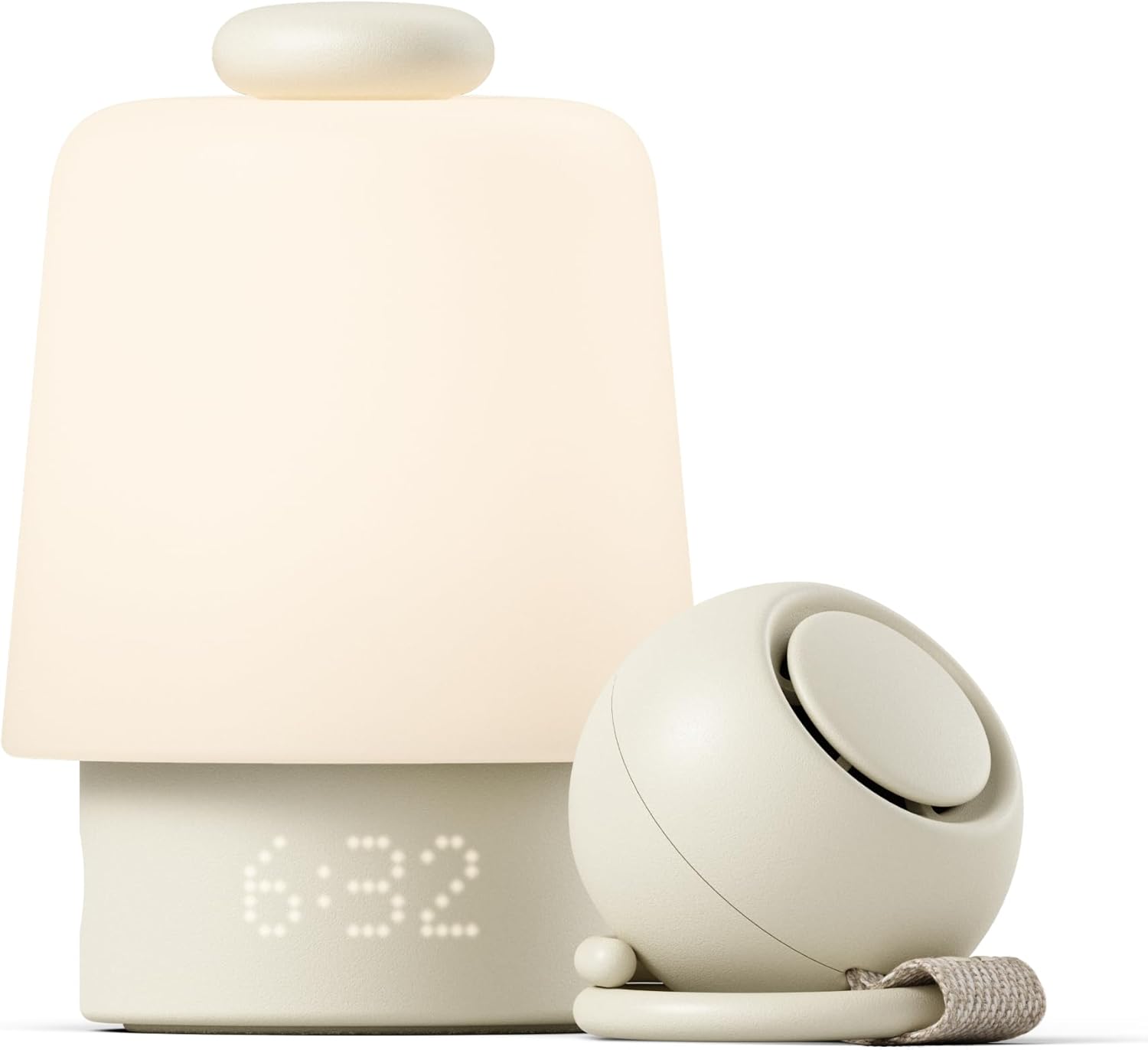
How the Pod 4 Specifically Helps MS Patients
The 2026 Pod 4 from Eight Sleep upgraded three things that matter for the MS use case. First, the new Hub unit cools more aggressively — reaching 55°F at the cover surface within about 10 minutes versus 20+ minutes on the Pod 3. Second, the dual-zone control means a partner without heat sensitivity can sleep at 72°F while the MS partner sleeps at 58°F, eliminating the household arguments that often force MS patients to sleep in a separate room. Third, the autopilot feature now monitors HRV and respiratory rate via the under-mattress sensors and adjusts temperature in response to early signs of thermal stress — useful for catching a pseudo-exacerbation before it fully develops.
Several MS-focused neurologists at the 2026 ACTRIMS forum noted that patients using the eight sleep pod 4 for multiple sclerosis heat sensitivity report fewer morning Uhthoff episodes and lower fatigue scores on the Modified Fatigue Impact Scale. The mechanism is plausible: lower core temperature at sleep onset extends slow-wave sleep duration, and slow-wave sleep is when glymphatic clearance of neuroinflammatory metabolites peaks.
Pairing the Pod 4 With a Sleep Tracker for MS Symptom Logging
The Pod 4's built-in sensors are good, but they live under the mattress. For a complete picture of how heat sensitivity interacts with nocturnal autonomic function, most MS patients add a wearable that logs HRV, skin temperature, and respiratory rate. The four trackers below are the ones I recommend pairing with the Pod 4 in 2026, based on which biomarkers matter most for Uhthoff's monitoring.
| Tracker | Form Factor | Skin Temp Sensor | HRV Tracking | Best For MS Patients Who… |
|---|---|---|---|---|
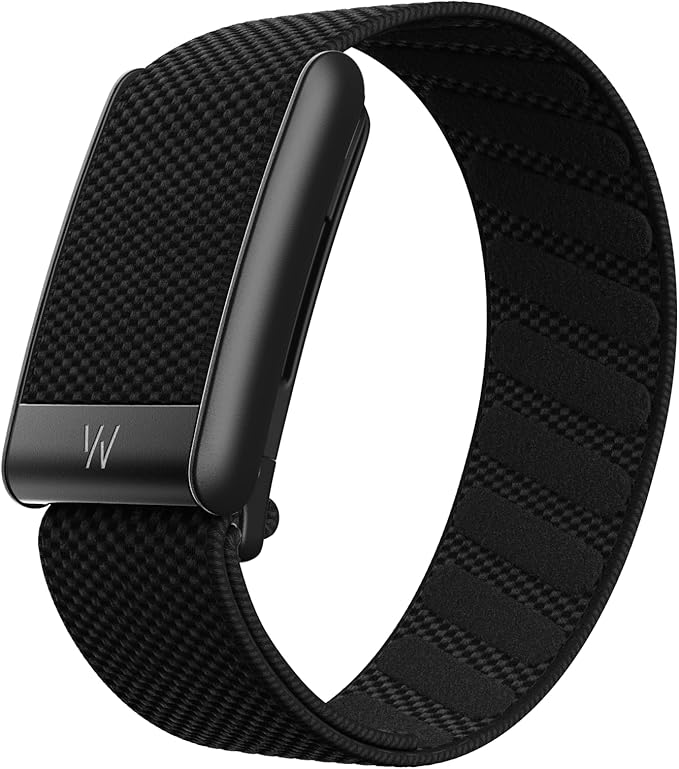
| WHOOP 5.0/MG | Wrist band | Yes, continuous | Continuous | Want clinical-grade recovery data |
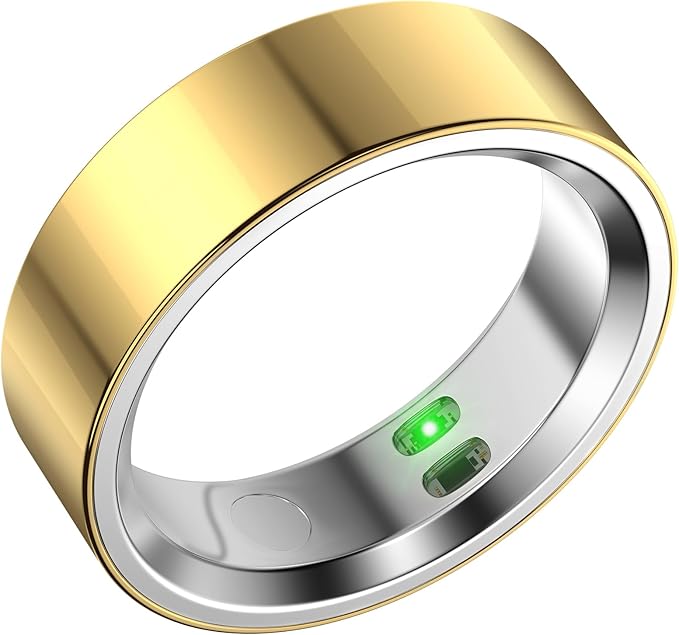
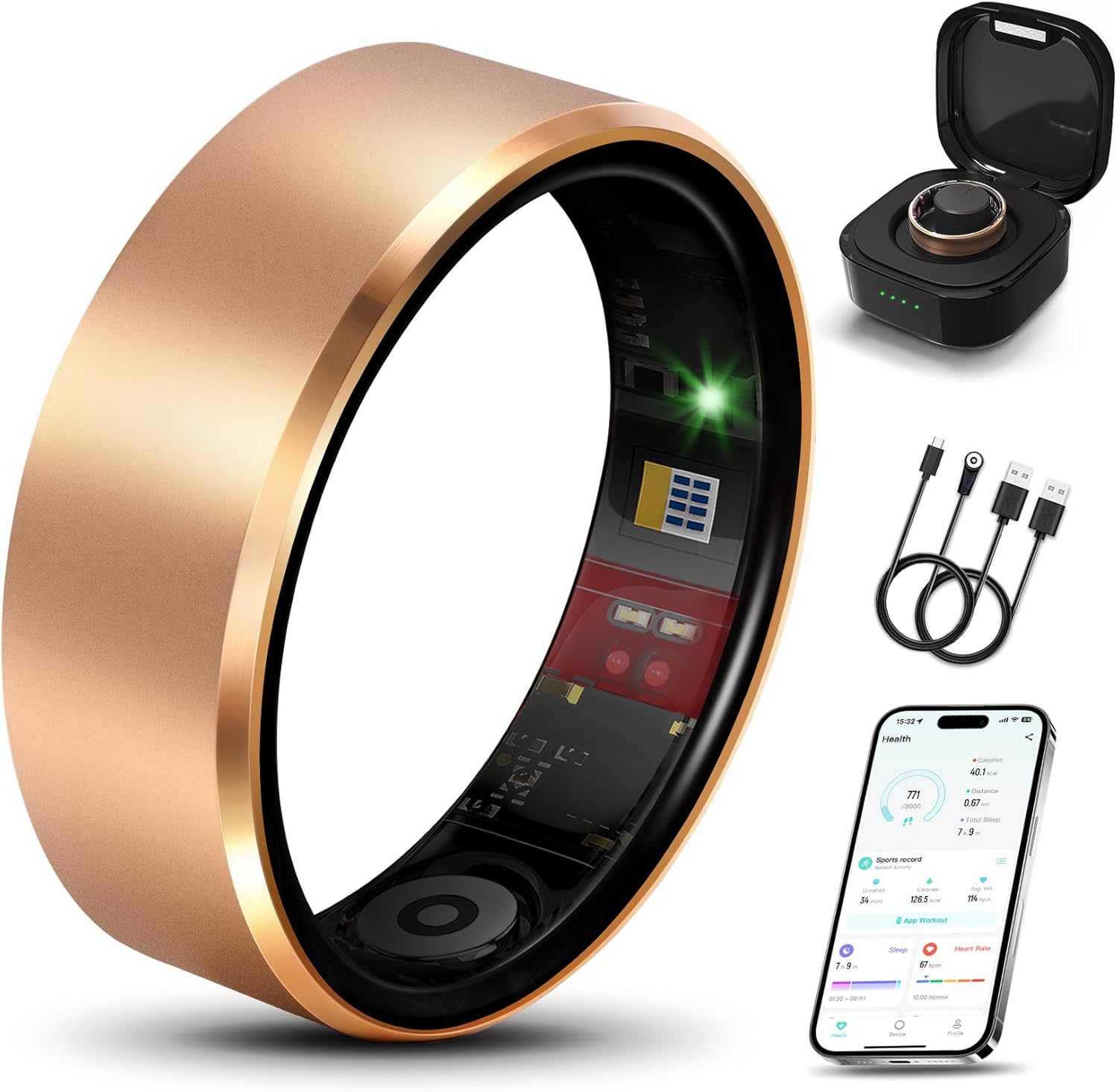
| RQZ Smart Ring | Ring | Yes | Yes | Have hand tremor or sensitivity to wrist bands |
| Fitbit Inspire 3 | Wrist band | Nightly only | Nightly | Want a budget entry point |
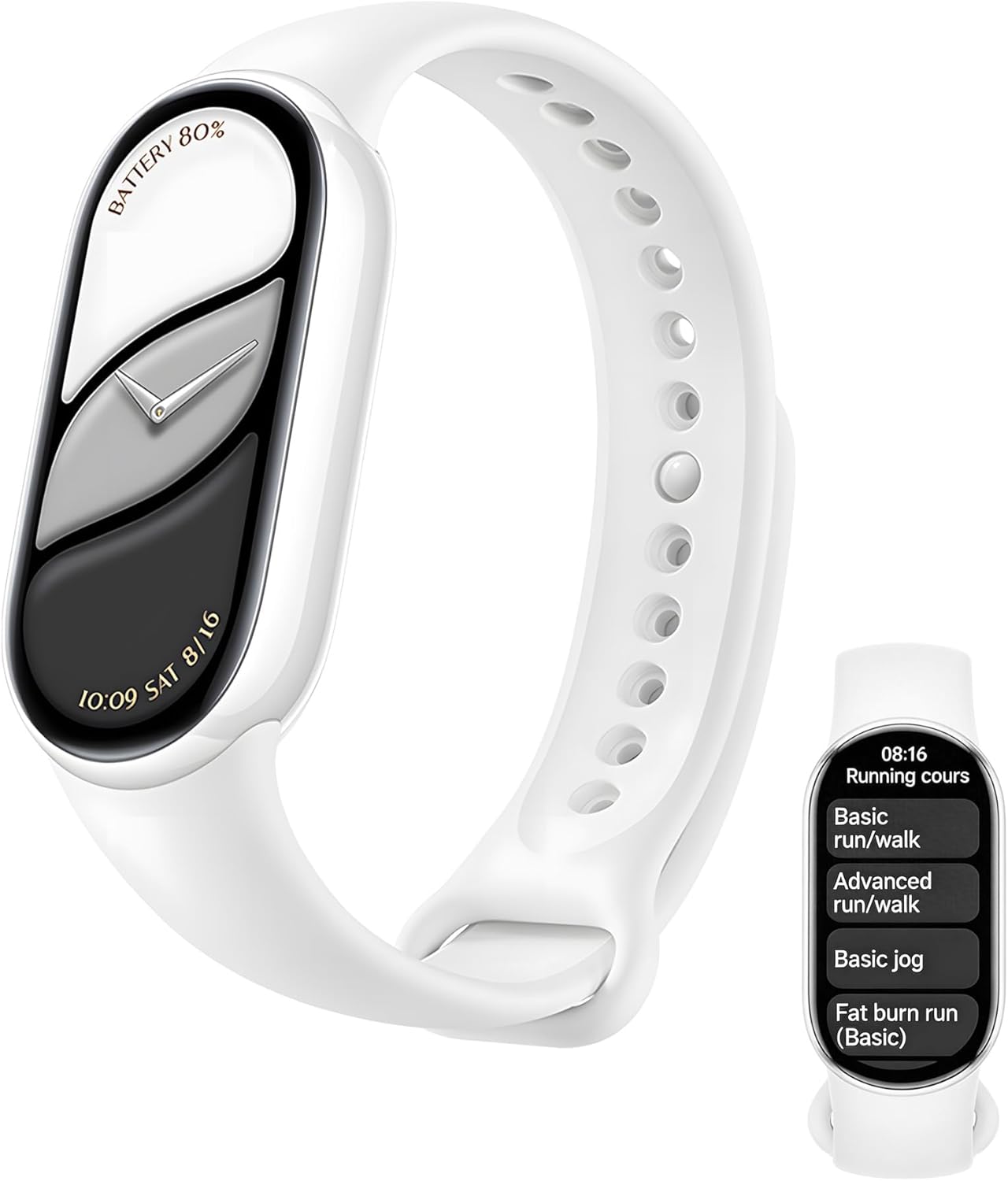
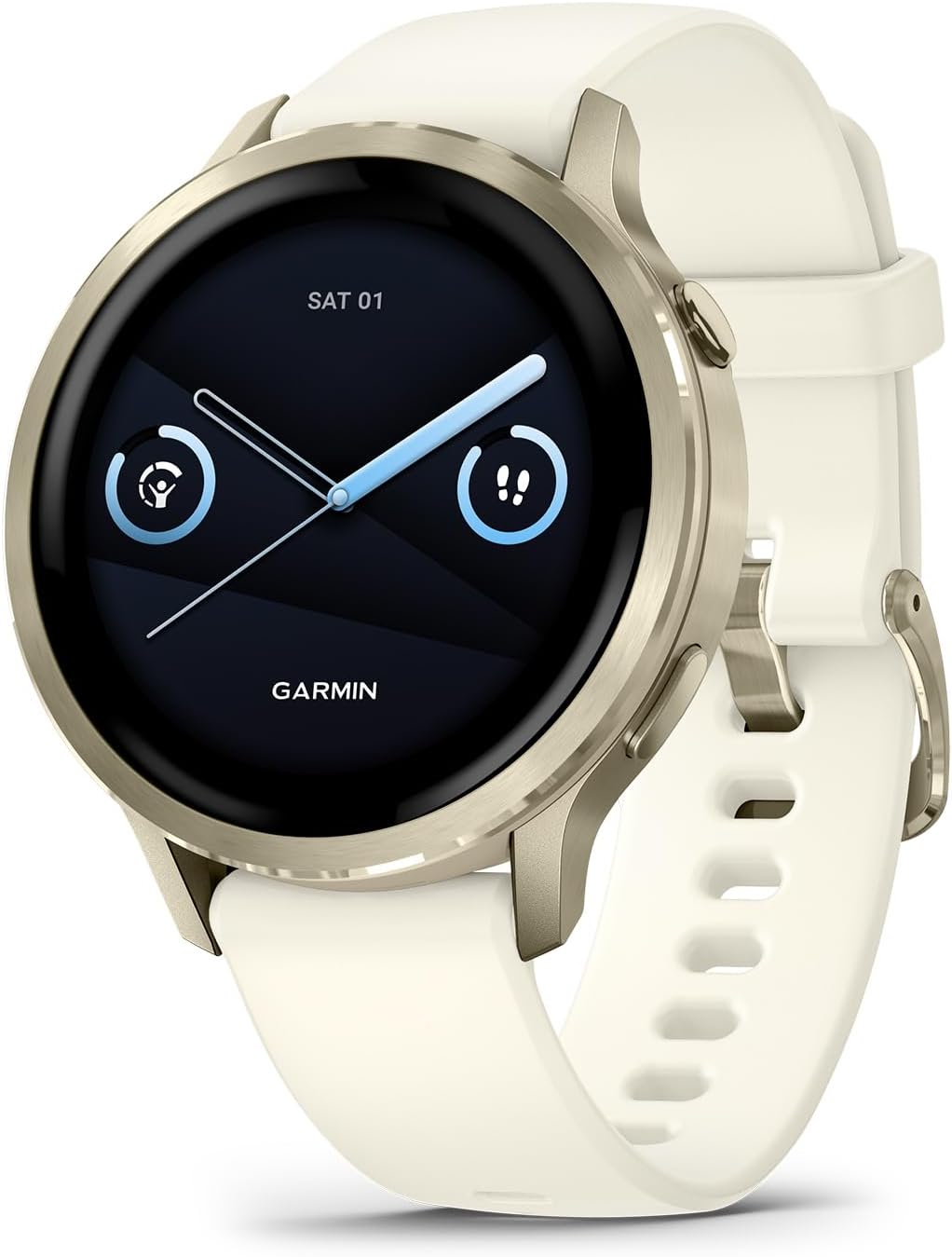
| Google Fitbit Air | Screenless clip/band | Nightly | Nightly | Find screens overstimulating before bed |
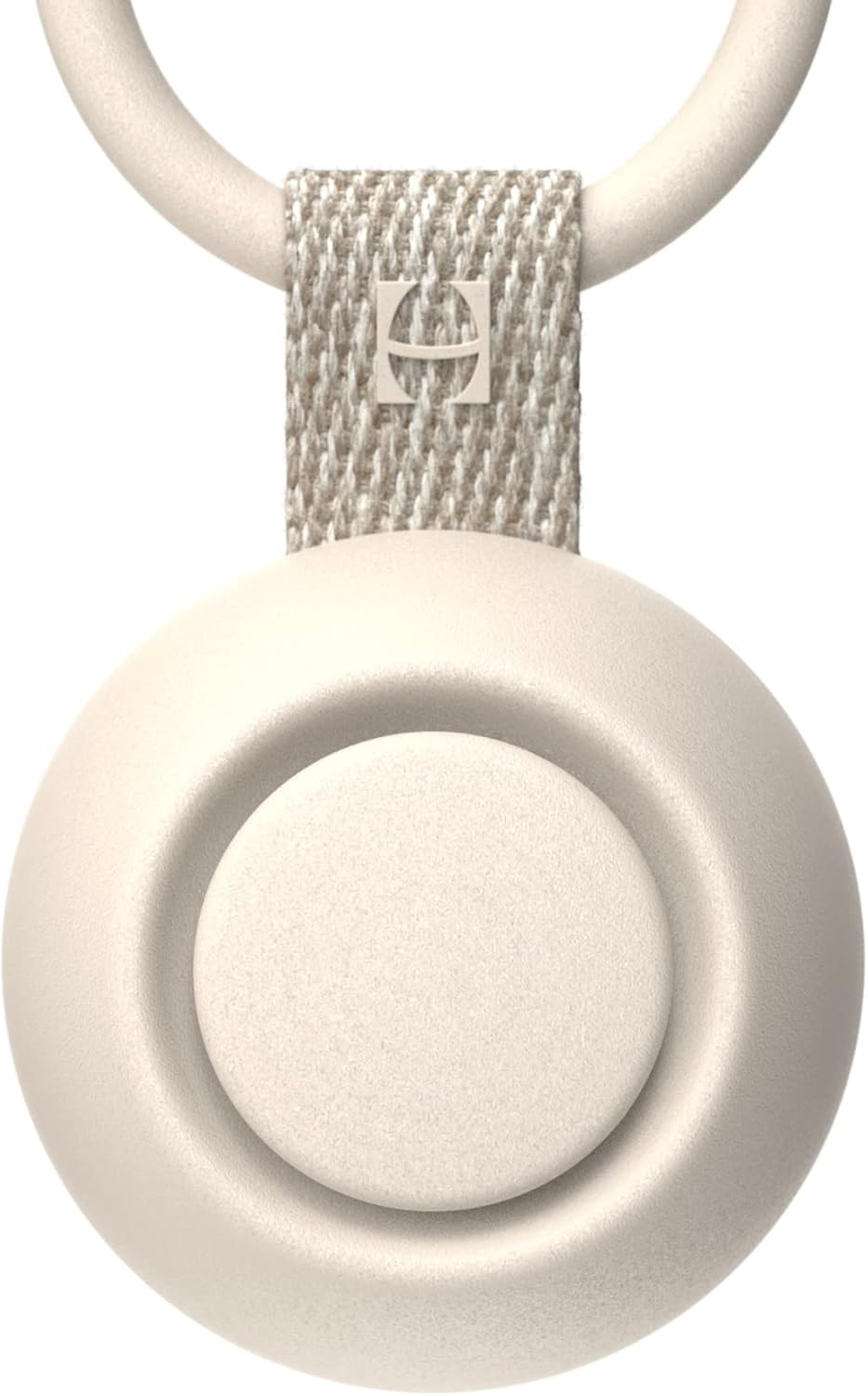
WHOOP 5.0/MG Activity Tracker (12-Month Membership)
The WHOOP 5.0/MG is the most clinically useful pairing for the Pod 4 if your neurologist wants longitudinal HRV and skin temperature trends. The MG variant adds medical-grade ECG and irregular heart rhythm screening, which matters for MS patients on disease-modifying therapies like fingolimod that carry cardiac considerations. The screenless design also means no blue light exposure when you check your stats. Continuous skin temperature tracking lets you see exactly how the Pod 4's cooling translates to your distal skin temperature — a proxy for core temperature drop that drives deep sleep. Check the WHOOP 5.0/MG on Amazon.
RQZ Smart Ring with Heart Rate and Sleep Tracking
For MS patients with hand tremor, wrist swelling, or sensory hypersensitivity that makes a wristband uncomfortable, the RQZ Smart Ring is the better form factor. Rings sit on the proximal phalanx where arterial signal is strong, so heart rate variability accuracy is comparable to wrist devices. The RQZ tracks sleep stages, resting heart rate, and skin temperature without daily charging anxiety — battery typically lasts 5–7 days. It pairs cleanly with the Pod 4 because you can correlate the ring's overnight skin temperature curve with the Pod's set temperature to find your personal sweet spot. View the RQZ Smart Ring on Amazon.
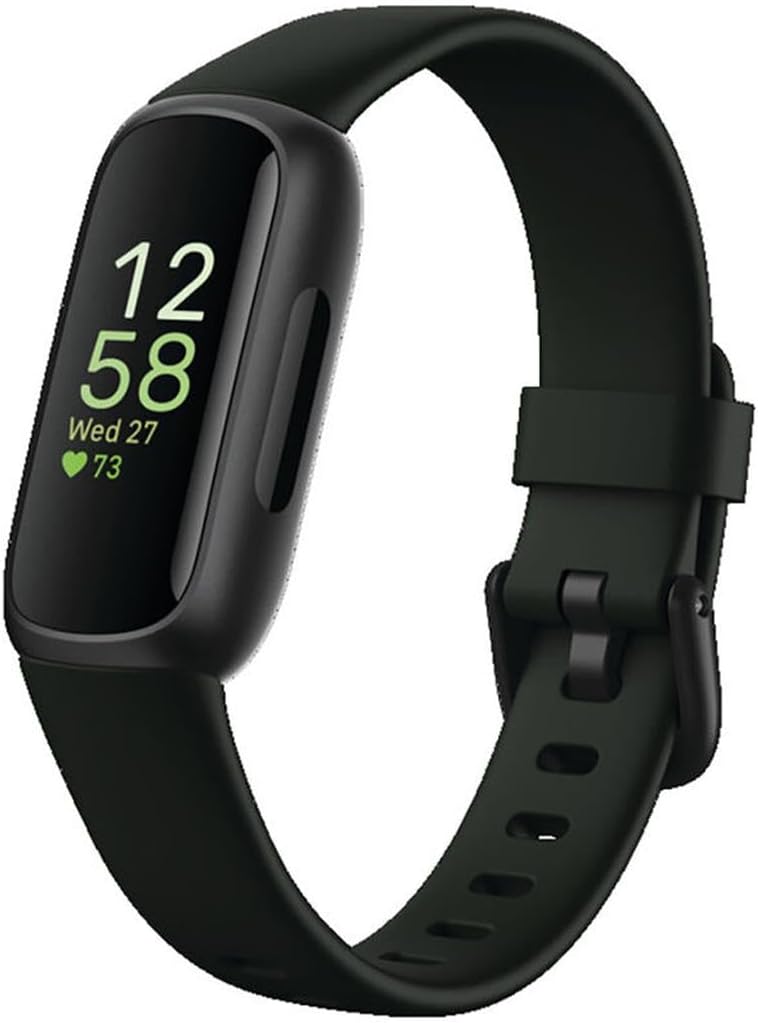
Fitbit Inspire 3 Health and Fitness Tracker
If you're not ready to commit to the WHOOP subscription model, the Fitbit Inspire 3 is the most cost-effective way to track the basics: sleep stages, nightly HRV, skin temperature variation, and SpO2. The Inspire 3 doesn't track skin temperature continuously through the day, but for the overnight Pod 4 cooling use case, nightly data is sufficient to see whether your cooling settings are pushing your skin temperature into the optimal slow-wave-sleep window. 10-day battery life means MS patients with cog-fog don't have to remember a daily charge ritual. See the Fitbit Inspire 3 on Amazon.
Google Fitbit Air Screenless Activity and Sleep Tracker
The Fitbit Air is Google's 2026 entry into the screenless tracker category, aimed at people who find screens disruptive before bed — a real consideration for MS patients with photosensitivity or migraine comorbidity. It logs sleep stages, skin temperature variation, breathing disturbances, and resting heart rate, all surfaced through the phone app. Pair it with the Pod 4's app for a clean before-bed routine: no glowing wrist screen at 3 a.m. if you wake from a heat surge. Find the Google Fitbit Air on Amazon.
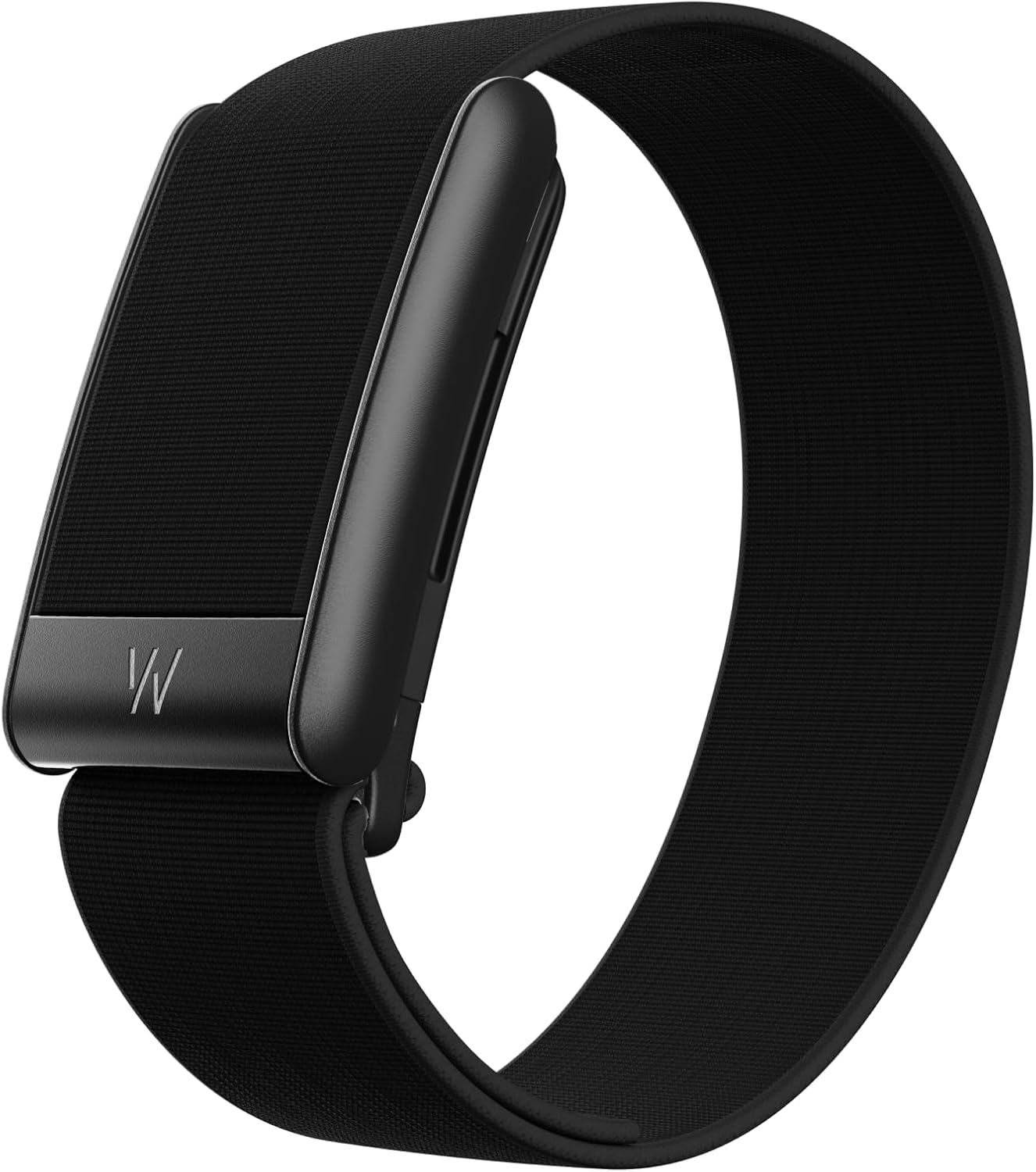
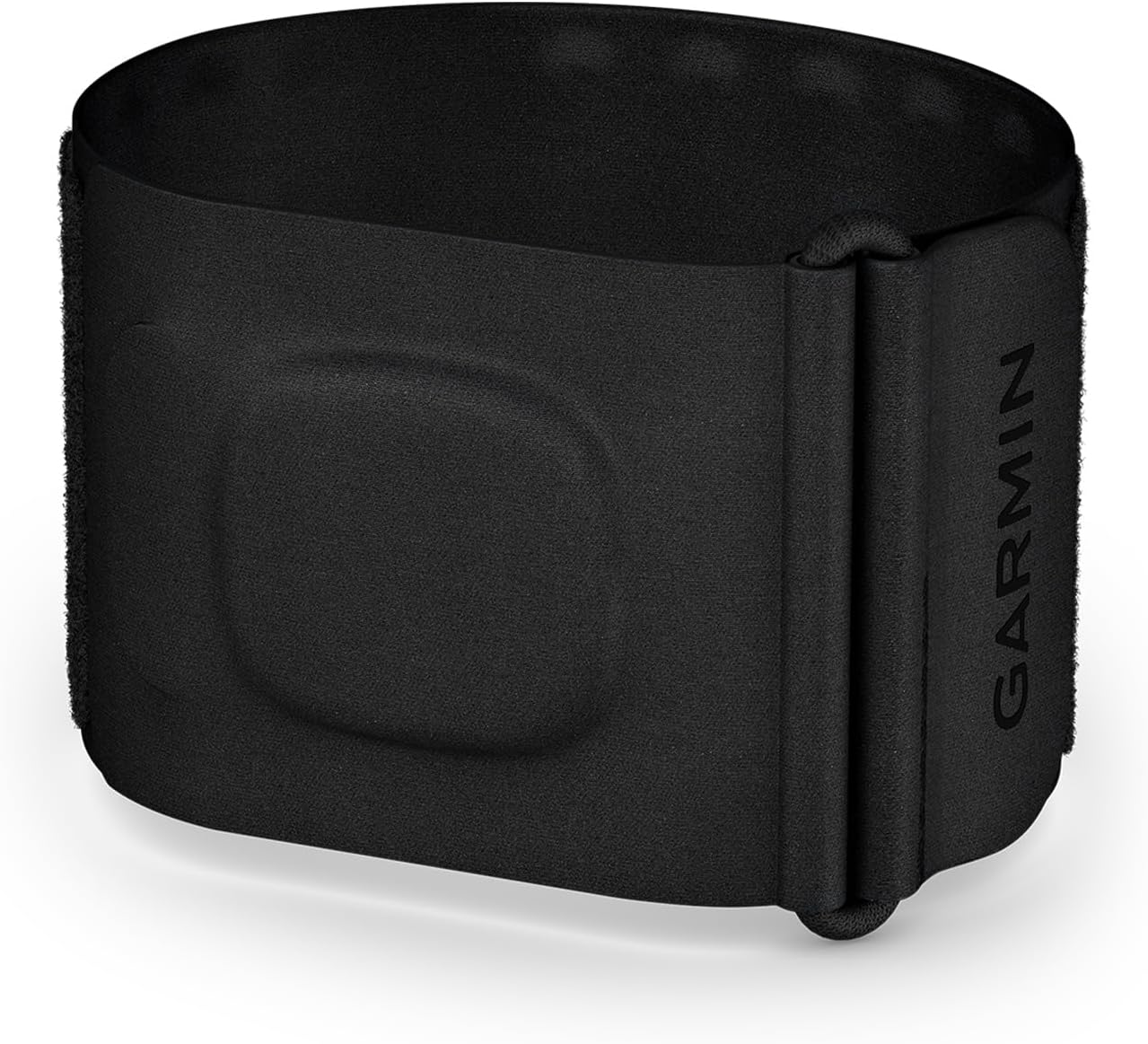
WHOOP 5.0/MG SuperKnit Luxe Performance Accessory Band
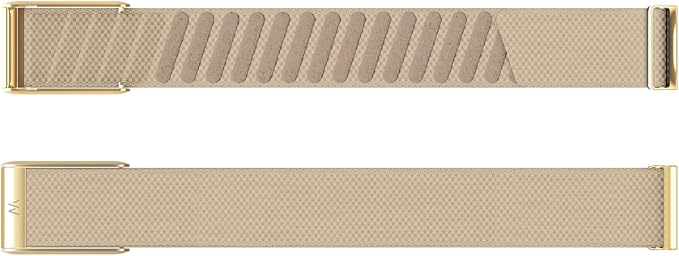
If you already own a WHOOP and have skin sensitivity from MS (a surprisingly common issue with allodynia and dysesthesia), the SuperKnit Luxe band is worth the swap. The standard WHOOP band uses a tighter weave that can irritate sensitive skin during hot flashes or heat-driven sweating. The Luxe weave breathes more and dries faster, which keeps the sensor in clean contact with the skin while you're sleeping under the Pod 4's cool surface. See the WHOOP SuperKnit Luxe accessory on Amazon.
Recommended Pod 4 Settings for Uhthoff's Management
Based on patient-reported protocols circulating in MS forums and clinics in 2026, the typical starting configuration is: bedtime temperature -6 (around 60°F surface temperature), held until 2 a.m., then drifting up to -3 (around 65°F) for the second half of the night to avoid waking shivery. The Pod 4's vibration alarm — which feels like the bed gently waking you rather than a sound alarm — is particularly useful for MS patients whose startle response can trigger a spasticity flare from auditory alarms.
If you experience significant night sweats from a disease-modifying therapy like interferon-beta, start one notch colder. If you have Raynaud's overlap (more common in MS than in the general population), start one notch warmer and let the autopilot do more of the adjustment. For a deeper dive into temperature-symptom mapping, see our guide on Uhthoff's phenomenon and temperature management.
Cost, Insurance, and HSA/FSA Considerations
The Pod 4 with the new Hub runs $2,899 for the cover at the time of writing, with an optional monthly autopilot subscription. That's a significant investment, but several things are worth knowing. First, the Pod 4 is HSA/FSA eligible with a Letter of Medical Necessity from a neurologist citing MS and heat sensitivity — most MS specialists will write one without resistance. Second, some MS-focused nonprofits and patient assistance programs are beginning to cover or subsidize active cooling devices as part of fatigue management, similar to how cooling vests are sometimes covered. Third, Eight Sleep offers financing that brings the monthly cost to roughly $80, which compares favorably to many MS patients' current spending on portable AC units, cooling vests, and replacement sheets.
For a side-by-side cost analysis of active cooling investments versus the cumulative cost of passive solutions, see our breakdown of cooling mattress toppers for MS patients.
Limitations and Honest Caveats
The Pod 4 is not a medical device and Eight Sleep makes no MS-specific claims. The Hub uses a small water pump that produces a faint white-noise hum — most people find it unobtrusive, but if you have hyperacusis (also more common in MS), audition the unit before committing. The cover adds about an inch to mattress height, which matters if you use a hospital-style bed rail. And the system requires reliable Wi-Fi; if your internet drops, the cooling continues at its last setting but the autopilot features pause.
Finally, active cooling helps Uhthoff's at night, but daytime symptom management still requires its own strategy. Consider pairing the Pod 4 with a cooling vest for daytime errands, and read our comparison of smart rings versus watches for MS patients for daytime wearable monitoring.
Frequently Asked Questions
Does the Eight Sleep Pod 4 actually help with MS-related night sweats?
Yes, in most user reports. The Pod 4's active hydronic cooling holds the bed surface at your target temperature regardless of how much heat your body produces, so it can counter night sweats from interferon-beta, hot flashes, or autonomic dysregulation. Patients commonly report a 60–80% reduction in waking from heat in the first month.
Will cooling the bed surface actually prevent Uhthoff's phenomenon flare-ups overnight?
Active surface cooling lowers your skin temperature, which the body uses as a primary heat-dump pathway. This generally keeps core temperature 0.2–0.4°C lower across the night, which is within the range that prevents Uhthoff's triggering for most MS patients. It does not treat the underlying demyelination, but it removes a major trigger for pseudo-exacerbations.
How does the Pod 4 compare to a cooling mattress topper for MS heat sensitivity?
Cooling toppers are passive — they pull heat away briefly then saturate. The Pod 4 is active and recirculating, so it holds its setpoint indefinitely. For MS patients whose Uhthoff threshold is narrow, this is the meaningful difference. Toppers are a reasonable budget alternative but require waking to flip or replace through the night.
Can I use the Pod 4 with a sleep tracker like WHOOP or Fitbit?
Yes. The Pod 4's app integrates with Apple Health and Google Health, which means data from WHOOP, Fitbit, or smart rings flows into a shared timeline. This is the best way to verify your cooling settings are translating to lower skin temperature and longer slow-wave sleep — the two markers that correlate with reduced next-day MS fatigue.
Is the Eight Sleep Pod 4 covered by insurance for multiple sclerosis patients?
Traditional health insurance typically does not cover it, but as of 2026 the Pod 4 is HSA/FSA eligible with a Letter of Medical Necessity from a neurologist documenting MS with heat sensitivity. Some MS nonprofits offer partial subsidies for active cooling devices under fatigue and quality-of-life programs.
Does the dual-zone cooling work if my partner doesn't have heat sensitivity?
Yes — the dual-zone is genuinely independent. Your side can run at 58°F while your partner's side runs at 72°F. This is one of the most-cited reasons MS patients report the Pod 4 saved their shared bed, since many had previously moved to a separate room to manage their cooling needs.
How long does the eight sleep pod 4 for multiple sclerosis heat sensitivity take to show benefits?
Most patients report fewer night-sweat awakenings within the first week, improved morning Uhthoff symptoms within two to three weeks, and meaningful reductions in daytime fatigue scores within four to six weeks. The autopilot features need about two weeks of baseline data before they begin meaningfully adjusting temperature in response to your overnight HRV and respiratory patterns.
Key Takeaways
- Choosing the right eight sleep pod 4 for multiple sclerosis heat sensitivity means matching capacity and output ports to your actual devices
- Always check actual watt-hours (Wh), not just watts — runtime depends on Wh, not peak output
- Also covers: eight sleep ms uhthoffs phenomenon
- Also covers: cooling mattress for ms patients
- Also covers: eight sleep pod 4 neurological cooling
- Compare price-per-Wh across models to find the best value for your budget