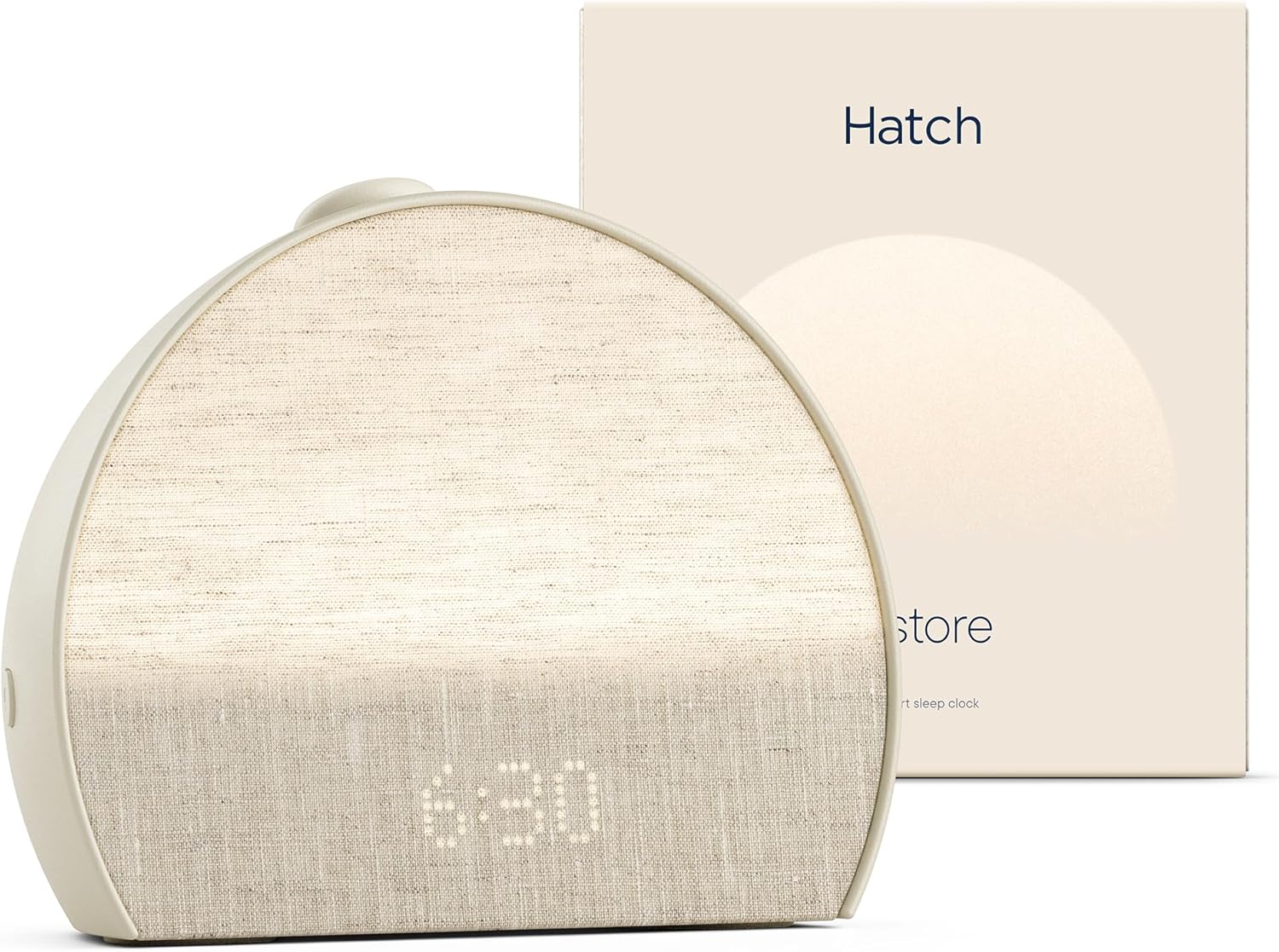
Working nights and trying to sleep when the sun is blasting through every window is one of the hardest schedules a human body can run. The hatch restore 2 night shift nurses daylight sleep routine flips the device's normal use case on its head: instead of waking you with dawn light at 6 AM, it walks you down into darkness at 8 AM and back up into a gentle artificial sunrise at 4 PM before your next 12-hour shift. This 2026 guide covers the exact Restore 2 settings, complementary sleep trackers, and habit stacks that make the device actually deliver restorative day-sleep for ICU, ED, OR, and floor nurses.
Why the Hatch Restore 2 Works for Inverted Sleep Schedules
The Restore 2's hardware was originally marketed toward office workers chasing a better morning, but its three-channel design — programmable light, sound machine, and sunrise alarm — is exactly what an inverted circadian schedule needs. Night shift nurses are not just sleep-deprived; they are sleep-displaced. Cortisol naturally peaks between 6 and 9 AM, which is precisely when a 12-hour ER nurse is trying to fall asleep. Bright morning light through the commute home shuts down melatonin production for hours afterward, which is why so many nurses lie in bed at 9 AM staring at the ceiling even after a brutal shift.
The Restore 2 attacks this in three ways. First, its warm amber "sunset" light cues the brain that the day is ending, even when ambient light says otherwise. Second, its high-fidelity sound library masks the worst daytime intrusions — landscapers, school buses, delivery drivers, neighbors' dogs. Third, its sunrise wake routine pulls you out of deep sleep at 3:30 or 4 PM with a gradient instead of a jarring iPhone alarm, which matters when you're about to drive to a shift where your decisions affect patient outcomes.
The Inverted Restore 2 Routine, Step by Step
Most nurses I've talked to who swear by the Restore 2 run a near-identical schedule. Assume a 7 PM to 7 AM shift, home by 7:45 AM:
- 7:00 AM (still at work): Wear blue-light blocking glasses during charting and handoff.
- 7:45 AM (home): Restore 2 "sunset" routine fires automatically — 20 minutes of dim amber light plus brown noise. This is your shower-and-eat window.
- 8:30 AM: Restore 2 transitions to "sleep" mode — light off, brown noise at 55 dB until wake.
- 3:30 PM: Sunrise alarm begins a 30-minute gradient from black to warm white.
- 4:00 PM: Bird-call alarm at 50% volume. You are up.
- 6:00 PM: 10 minutes of bright outdoor light to anchor your "morning" before the drive in.
The Restore 2's app lets you save this as a single named routine — most nurses label it something like "Day Sleep" or "Post-Shift" — and toggle it on with one tap when you walk in the door. The hatch restore 2 night shift nurses daylight sleep configuration is the only routine I'd recommend programming twice: once for stretches of three consecutive nights, and a second "recovery" version for the transition back to a normal schedule on your first day off.
Sound, Light, and Brightness Settings That Actually Hold Up
The default Restore 2 sound presets are tuned for night-time sleepers in already-quiet bedrooms. Daytime sleep needs a heavier masking layer. Brown noise outperforms white noise for daytime use because its lower-frequency profile better covers the rumble of lawnmowers, garbage trucks, and HVAC cycling. Set volume between 52 and 58 dB measured at the pillow with a phone SPL meter — loud enough to mask, quiet enough to avoid auditory fatigue.
For light, the "sunset" channel should ramp from 30% to 0% over 20 minutes. The sunrise alarm should start at 1% and reach roughly 60% — full brightness is unnecessary and can spike cortisol too aggressively when you've only had six hours. Pair the Restore 2 with true blackout curtains; the device cannot compensate for 4,000 lux of summer afternoon sun leaking around your blinds. See our blackout curtain guide for day sleepers for the specific cassette systems that seal edges.
Sleep Trackers That Pair With the Restore 2
The Restore 2 controls your environment but tells you nothing about whether you actually slept. For inverted schedules, a sleep tracker is not optional — daytime sleep architecture is genuinely different from nighttime sleep, with shorter REM cycles and more fragmentation, and you need data to know which Restore 2 settings are working. Below are the four trackers I recommend for nurses specifically, all of which integrate well with a Restore 2 routine.
| Tracker | Form Factor | Battery | Best For Nurses Who… | Subscription |
|---|---|---|---|---|
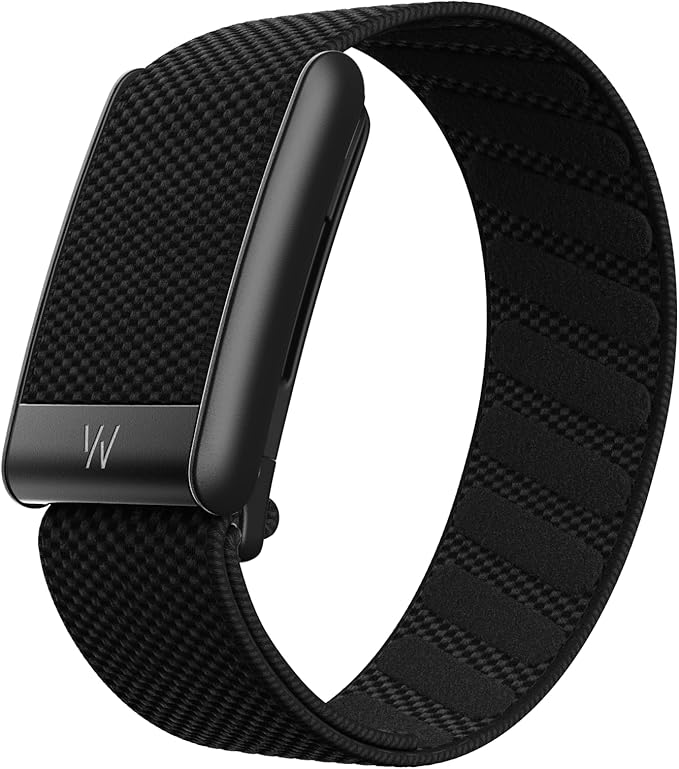
| WHOOP 5.0/MG | Wrist band, screenless | 14 days | Want recovery scores and strain coaching across rotating shifts | Yes, included 12 mo |
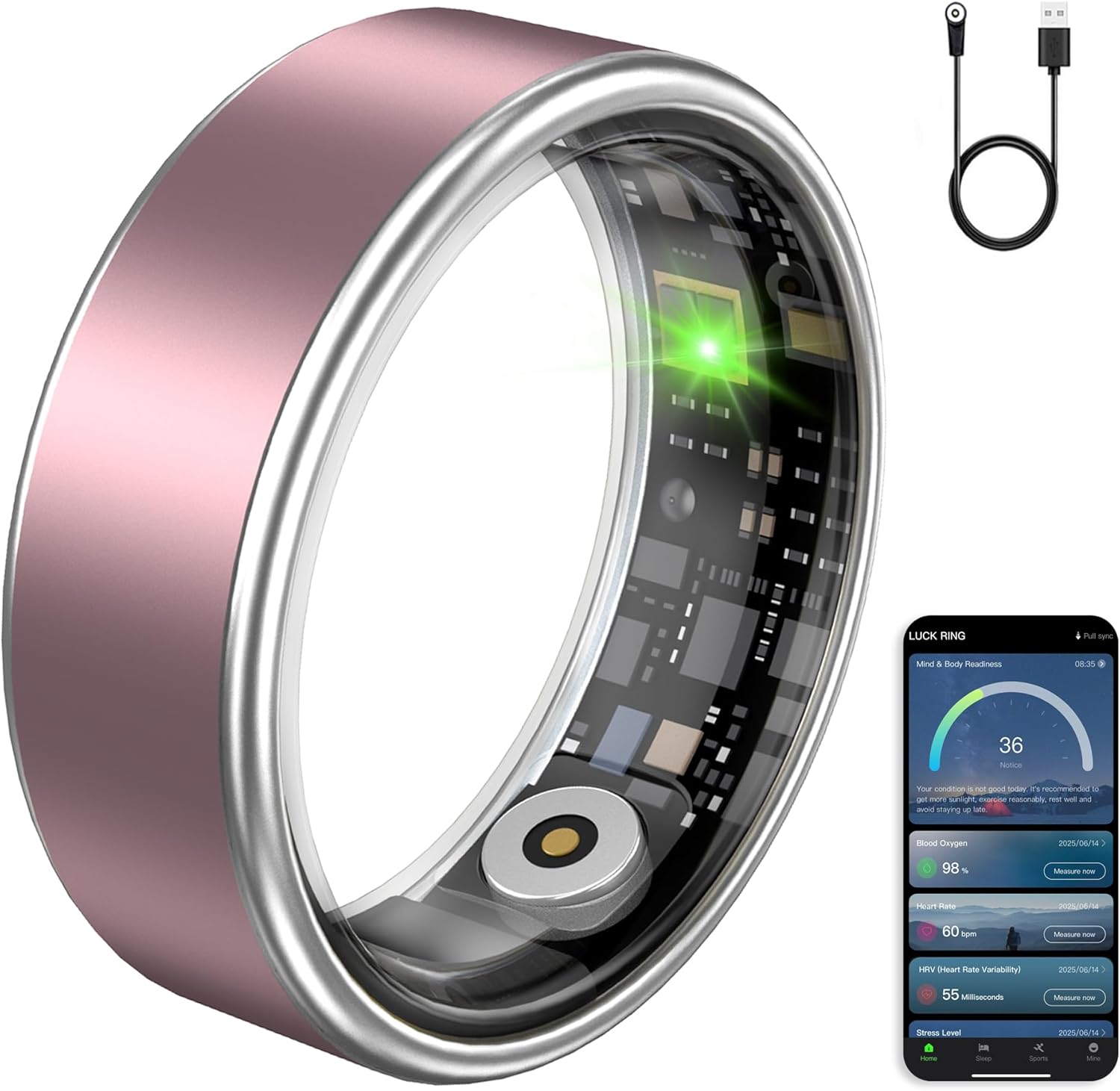
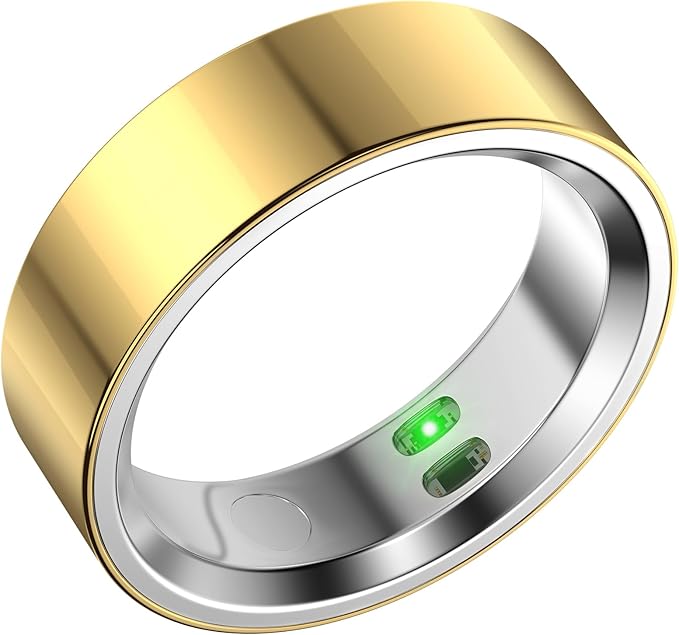
| RQZ Smart Ring | Ring | 5–7 days | Cannot wear a wristband under gloves and gowns | No |
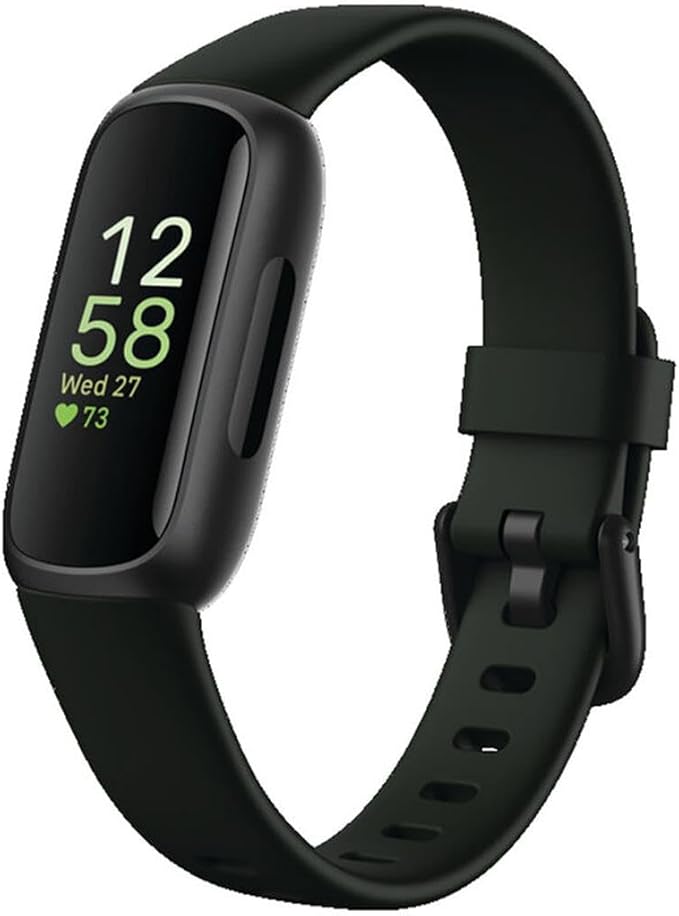
| Fitbit Inspire 3 | Slim wristband, screen | 10 days | Want a simple sleep score plus on-wrist alarms | Optional Premium |
| Fitbit Air | Screenless band | 10 days | Want lowest-friction tracking with no display to fiddle with | Optional Premium |
WHOOP 5.0/MG — Best Overall for Rotating Nurse Schedules
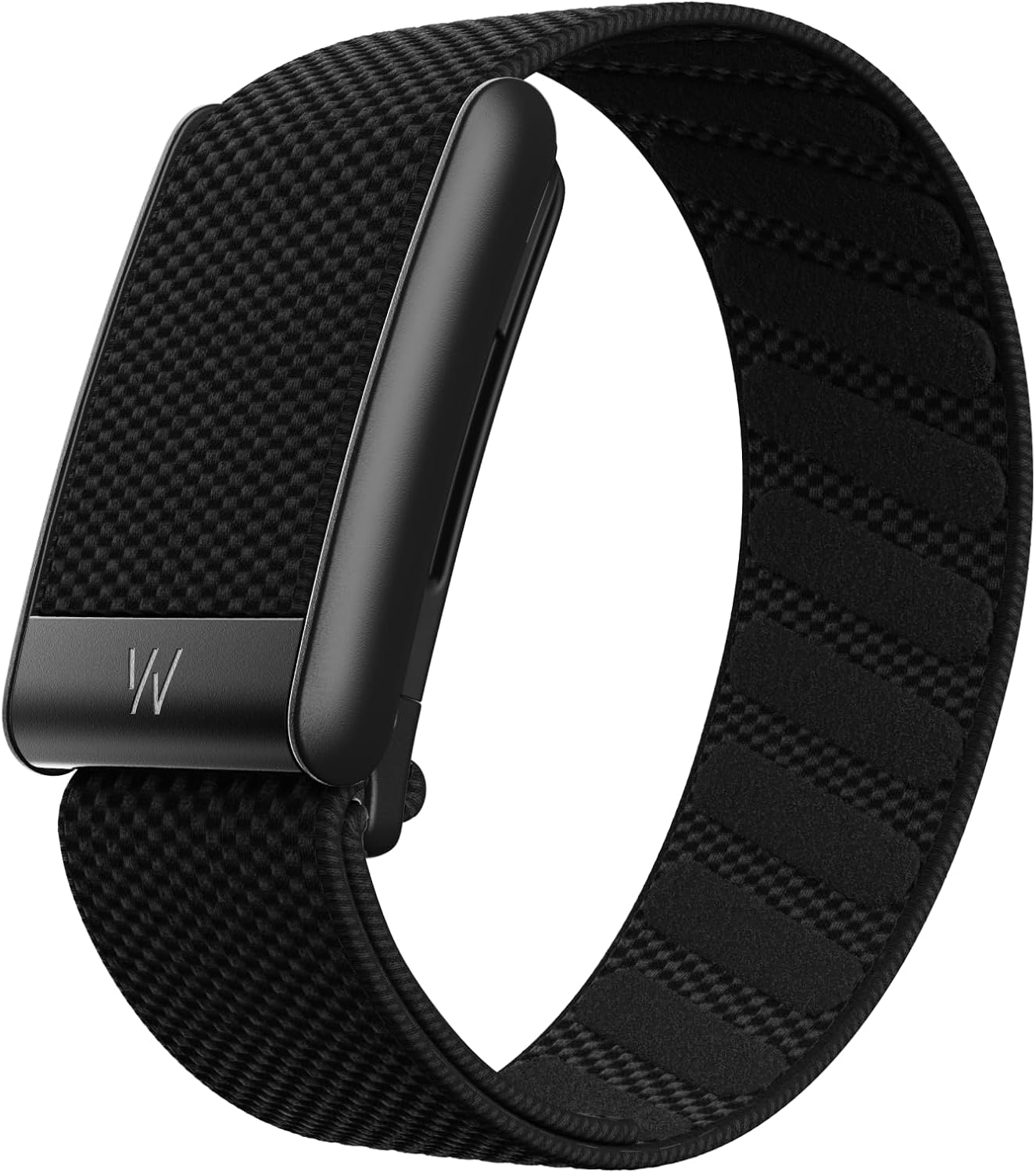
WHOOP's recovery score is the single most useful number a night shift nurse can look at in the morning. It combines heart rate variability, resting heart rate, respiratory rate, and sleep performance into a 0–100% reading that tells you whether your daytime sleep actually restored you. Critically, WHOOP does not penalize you for an inverted schedule the way some trackers do — it scores the sleep block you took, whenever it happened. The 14-day battery means you can charge it on your commute home using the included pack without ever taking it off, which matters for accurate HRV trending across a three-shift stretch. Check the WHOOP 5.0/MG with 12-month membership on Amazon.
RQZ Smart Ring — Best for Nurses Who Can't Wear Wristbands
Most hospitals have moved to bare-below-the-elbow policies that ban wrist-worn devices during clinical work. A sleep tracking ring is the obvious workaround. The RQZ Smart Ring captures heart rate, SpO2, and full sleep staging (light, deep, REM) without anything on your wrist or any monthly fee. It's particularly useful for OR and procedural nurses who scrub in and out repeatedly. Because the ring sits on a finger artery, its heart rate signal is often cleaner than wrist optical sensors during the lighter sleep stages typical of daytime rest. See the RQZ Smart Ring on Amazon.
Fitbit Inspire 3 — Best Budget Tracker With a Screen
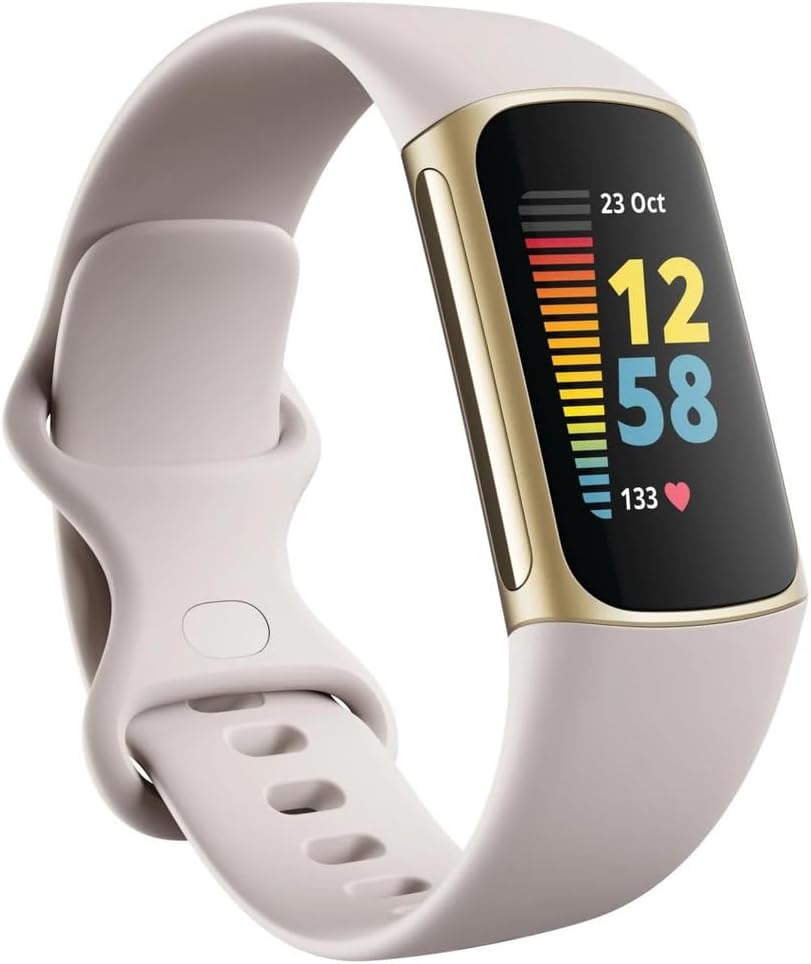
For nurses who don't want a subscription and like seeing the time on their wrist during a code, the Inspire 3 is hard to beat. It produces a nightly Sleep Score and breaks out time in each stage, which lets you A/B test Restore 2 settings — try 55 dB brown noise for three days, then 58 dB for three, and see what your deep sleep numbers do. Battery comfortably covers a three-shift block. The vibrating silent alarm is also a backup if your Restore 2 sunrise fails to wake you. View the Fitbit Inspire 3 on Amazon.
Fitbit Air — Best Screenless Option
The newer Fitbit Air strips out the display entirely, which is genuinely helpful for daytime sleep because there's no screen to light up your face during the night when you reach over to check the time. You see your sleep data exclusively on the phone app the next "morning" (read: afternoon). Lighter than the Inspire 3 and slightly cheaper, it's a strong pick for nurses who want the data without the wrist real estate. Check the Fitbit Air on Amazon.
The Habit Stack Around the Restore 2
Hardware only goes so far. The hatch restore 2 night shift nurses daylight sleep routine works best when wrapped in three behavioral anchors: caffeine cutoff at 3 AM (four hours before clock-out), a 10-minute walk in direct sunlight at "dusk" before your shift starts, and a fixed meal schedule that ignores the social clock. Most nurses eat dinner with family at 5 PM before driving in — that is your breakfast, regardless of what's on the plate.
Melatonin timing matters too. A 0.3 mg dose (not the 5–10 mg most stores sell) taken on the drive home blunts the morning cortisol peak. See our melatonin timing guide for night shift for dosing protocols validated in nurse-specific studies. Combined with the Restore 2's amber wind-down light, low-dose melatonin reliably shaves 15–25 minutes off sleep latency for most users.
Common Pitfalls Nurses Hit With the Restore 2
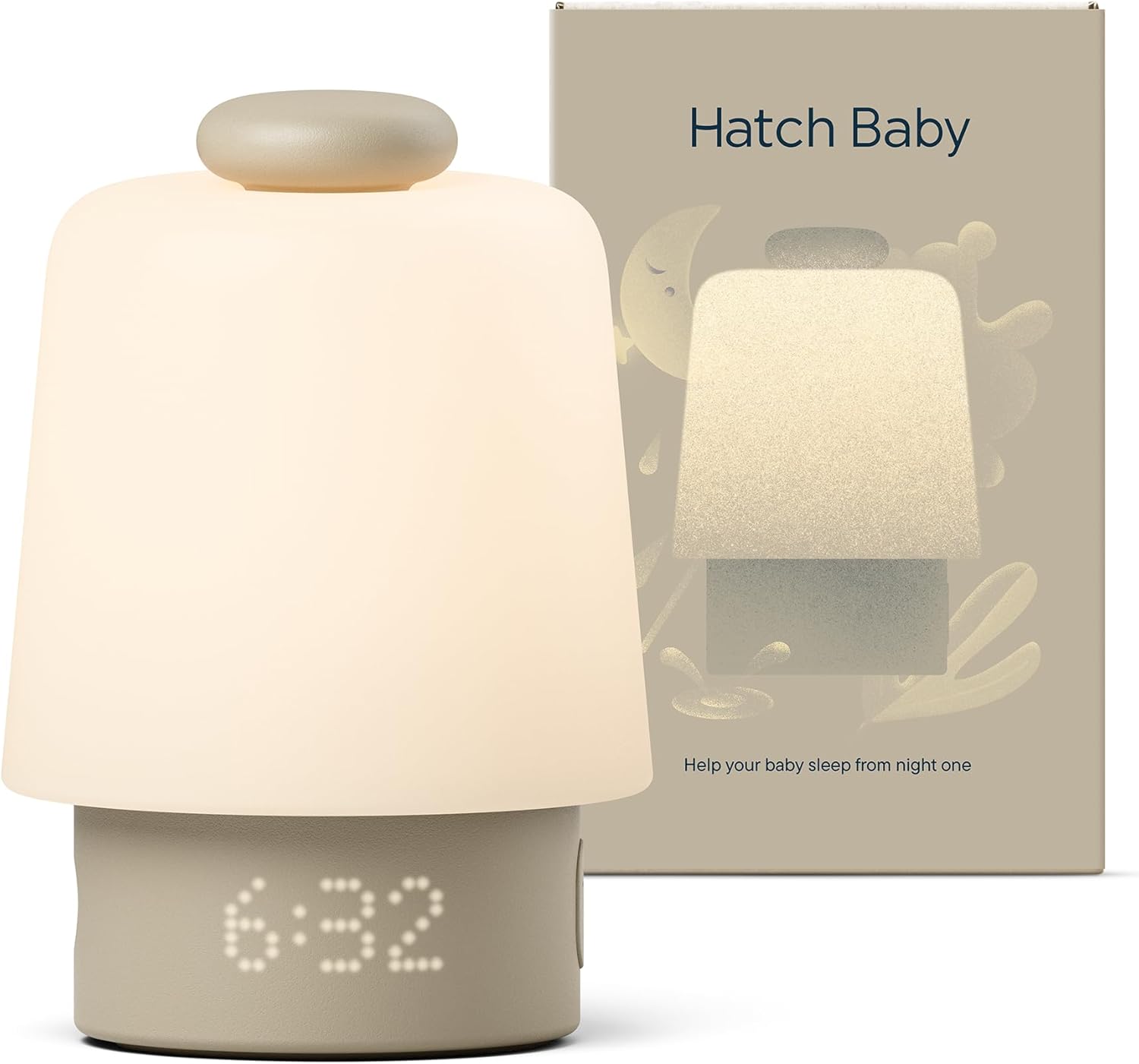
The biggest mistake I see is using the Restore 2's clock display as a nightlight. Even at minimum brightness, the orange digit segments emit enough light over six hours to suppress melatonin. Either flip the device to face the wall or disable the always-on clock during sleep hours — the option is buried under Settings Display Sleep Hours in the app.
The second mistake is over-tuning. Nurses are data people, and the temptation to change Restore 2 settings nightly is strong. Resist it. Pick a routine, run it for two weeks straight, then evaluate using your tracker's two-week trend, not a single bad sleep block. Daytime sleep is naturally more fragmented; one 71% recovery score does not mean the routine is broken.
The third is forgetting that the Restore 2 is a Wi-Fi device. Hospital firewalls and spotty home routers can leave routines mid-fire. Toggle it to local-only mode if you have a stable schedule — the device runs your saved routine without needing a cloud handshake every morning.
What to Skip
Skip the Restore 2's meditation library for this use case — most tracks are tuned for evening unwind and feel jarring at 8 AM. Skip the optional aromatherapy attachments; lavender's evidence base for daytime sleep specifically is thin, and you don't want scent confusion when you wake up at 4 PM for a shift. And skip pairing it with smart bulbs in the same room — the Hatch's amber channel does the wind-down work cleanly, and competing color temperatures from a Hue setup will fight it.
Frequently Asked Questions
Does the Hatch Restore 2 actually help night shift nurses fall asleep during the day?
Yes, when paired with true blackout curtains and a consistent routine. The amber sunset channel cues melatonin release even in a bright room, and the brown noise masks daytime intrusions like landscapers and delivery trucks. Expect about a two-week adaptation period before sleep latency drops noticeably.
Can I program two separate Hatch Restore 2 routines for shift weeks and off days?
Yes. The Restore 2 app supports multiple named routines. Most nurses run one labeled "Day Sleep" with a 3:30 PM sunrise and a second "Normal" routine with a 6:30 AM sunrise for off days. Switch between them with a single tap or schedule them by day of the week.
What sleep tracker pairs best with a Hatch Restore 2 for 12-hour shifts?
WHOOP 5.0/MG is the strongest pairing because its recovery score weights HRV across the full block regardless of clock time. If hospital policy bans wrist devices, the RQZ Smart Ring delivers similar sleep staging data without anything below the elbow. See our smart ring vs wrist tracker comparison for the full breakdown.
How loud should the Hatch Restore 2 brown noise be for daytime sleep?
Between 52 and 58 dB measured at the pillow with a phone SPL meter. Below 50 dB and outside noise breaks through; above 60 dB and you risk auditory fatigue plus partner complaints. Start at 55 dB and adjust based on your tracker's deep sleep percentage after one week.
Will the Hatch Restore 2 sunrise alarm be enough to wake me for a night shift?
For most nurses, yes — but always set a backup. The sunrise gradient is gentler than a phone alarm, which is desirable but risky when you're running on six hours of fragmented daytime sleep. A vibrating wrist alarm from a Fitbit Inspire 3 set five minutes after the Hatch is a common belt-and-suspenders setup.
Is the Hatch Restore 2 better than a regular sound machine plus blackout shades?
For one-off day sleepers, no. For nurses running multiple consecutive nights, yes — the programmable light is what makes the difference. Without the amber wind-down and gradient sunrise, you're relying entirely on melatonin and willpower to convince your circadian system that 8 AM is bedtime. The Restore 2 adds a third lever.
Can I use the Hatch Restore 2 in a shared bedroom with a partner who works days?
It works but requires compromise. Position the device on your side of the bed facing your pillow, keep the sunrise brightness under 50%, and use the headphone-out feature on a single earbud for the brown noise. Many partners find the amber sunset light actively pleasant, so the wind-down phase is rarely an issue.
Bottom Line for 2026
The Hatch Restore 2 is not a silver bullet, but for nurses on a 7p-7a rotation, it's the closest thing to one in the smart sleep wellness category. Pair it with a recovery-focused tracker like the WHOOP 5.0/MG or a discreet RQZ Smart Ring, stack it with blackout curtains and 0.3 mg melatonin on the drive home, and run the same inverted routine for at least two weeks before judging it. The hatch restore 2 night shift nurses daylight sleep configuration has carried more 25-year ER veterans through three-shift stretches than any pill, app, or supplement I've seen recommended in nurse forums this year. For more on building a complete shift-work sleep stack, see our roundup of the best sleep trackers for rotating shift workers.
Key Takeaways
- Choosing the right hatch restore 2 night shift nurses daylight sleep means matching capacity and output ports to your actual devices
- Always check actual watt-hours (Wh), not just watts — runtime depends on Wh, not peak output
- Also covers: hatch restore 2 nurse shift work
- Also covers: hatch restore 2 day sleeper
- Also covers: night nurse sunrise alarm clock
- Compare price-per-Wh across models to find the best value for your budget