Transitioning your child from a crib to a toddler bed is one of the trickier sleep milestones, and many parents turn to the Hatch Restore 2 for toddler bed transition because it combines a sunrise wake light, customizable sound machine, and time-to-rise color cues that toddlers can actually understand. Out of the crib, your child suddenly has freedom to wander, and that freedom usually shows up at 5 a.m. The Restore 2 gives your toddler a clear visual signal for "stay in bed" versus "okay to get up," which keeps the new routine consistent even when you're half-asleep down the hall in 2026.
Why the Hatch Restore 2 works during the crib-to-bed switch
The crib-to-toddler-bed transition usually happens between 18 months and 3 years, and the biggest challenge isn't the bed itself — it's the loss of physical containment. A toddler who used to call for you from behind crib rails can now climb out, walk into your bedroom, or simply refuse to stay put. The Hatch Restore 2 replaces those physical boundaries with predictable sensory cues your child learns to associate with sleep and wake windows.
Using the Hatch Restore 2 for toddler bed transition gives you three layers of routine reinforcement: a wind-down light that signals bedtime is coming, a steady nightlight that stays on through the night, and a morning color change that signals "you can come out now." Most pediatric sleep consultants in 2026 recommend pairing one color (commonly red or amber) with sleep, and a different color (green or yellow) with wake-up — toddlers as young as 18 months grasp this within about a week.

Setting up the Hatch Restore 2 for a toddler room
Once the Restore 2 is paired with the Hatch Sleep app on your phone, you'll build a routine in three blocks: wind-down, sleep, and wake. The wind-down block should start 20-30 minutes before lights out. Pick a soft warm color (peach or pale orange) and pair it with calming audio — rainfall, brown noise, or a gentle bedtime story track. The Restore 2 supports custom audio uploads, so you can record yourself reading a favorite book and have it play every night even when you're out.
For the sleep block, switch to a dim red glow. Red light has the least impact on melatonin production, which is why pediatric sleep researchers consistently recommend it for toddler nightlights. Set the brightness to roughly 10-20% — enough that your toddler isn't in total darkness, but dim enough to encourage sleep. The sound layer should run continuously through the night to mask household noise; many parents find that white noise at 50-55 decibels works best.
The wake block is where the magic happens during the bed transition. Pick a distinct color — green is the most common choice — and set it to activate at your target wake-up time, say 6:30 a.m. Tell your toddler: "When the clock turns green, you can come find Mommy or Daddy. When it's red, it's still nighttime." Most kids latch onto this within 7-10 days, and the 5 a.m. wake-ups quietly shift back toward a reasonable hour.
Common challenges and how to handle them
Even with the Restore 2 in place, the first two weeks of the toddler bed transition can be rough. Here are the patterns parents see most often in 2026 and how the device helps you respond.
The 4 a.m. wanderer. Your toddler wakes, sees the red light, and walks out anyway. Walk them back, point at the light, say "still red — back to bed." Don't engage further. Toddlers test this rule a dozen times before it sticks, but consistency wins. After three or four nights of dispassionate returns, the wandering usually stops.
Refusing to stay in bed at bedtime. Use the Restore 2's wind-down routine as a non-negotiable script. Same color, same sound, same order every night. The predictability replaces the structure that crib rails used to provide.
Early waking before the green light. If your toddler routinely wakes 30 minutes before your target, slide the wake color earlier by 15 minutes for a few days, then gradually push it back. Forcing a child to lie quietly for an hour rarely works; meeting them halfway and shifting gradually does.
How parents can protect their own sleep during the transition
Here's the part nobody warns you about: the toddler bed transition wrecks parental sleep, too. You're up at odd hours, listening for footsteps, and your own sleep architecture takes a hit for two to four weeks. This is the right moment to start tracking your own sleep — not to optimize it, but to spot the recovery debt building up so you can make smarter choices about caffeine, alcohol, and bedtime.
Below are the sleep trackers we recommend pairing with a toddler bed transition. None of these replace the Hatch — they help you, the parent, navigate the disruption.
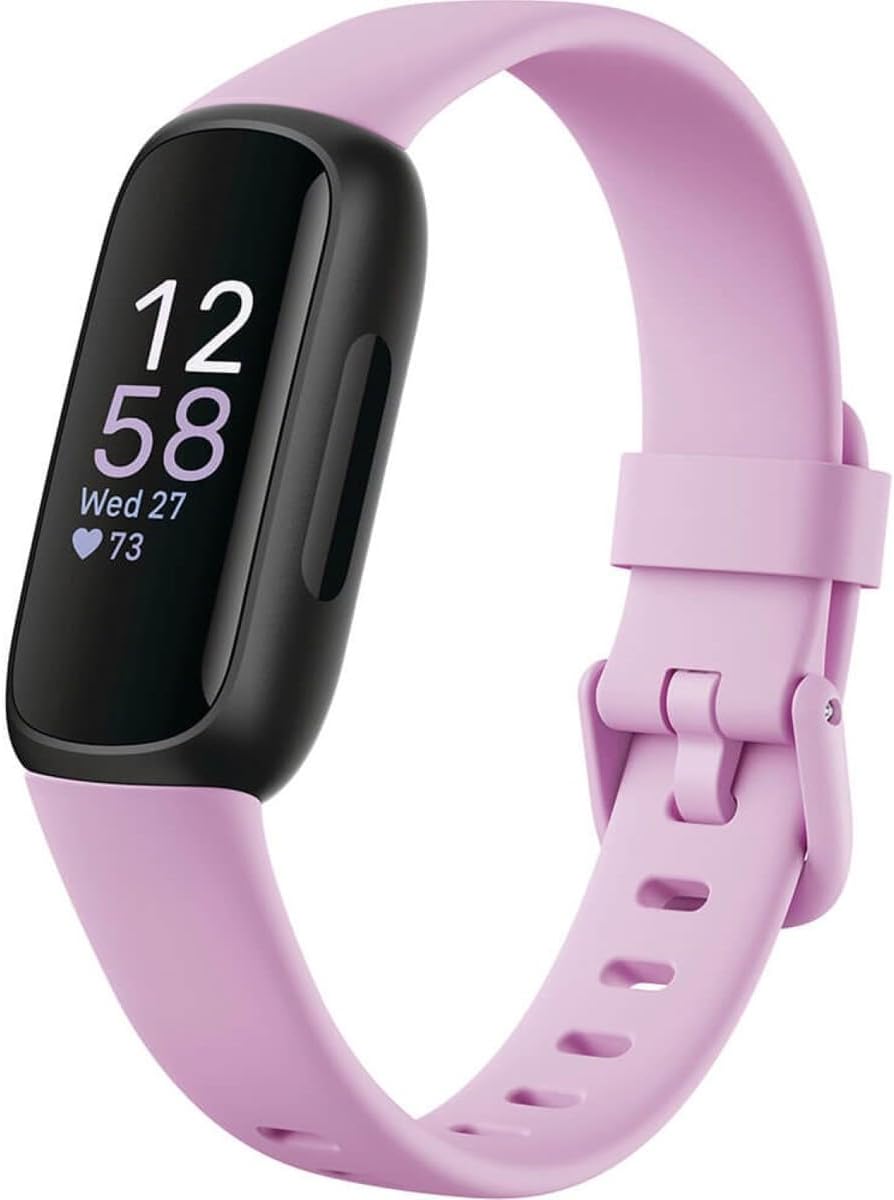
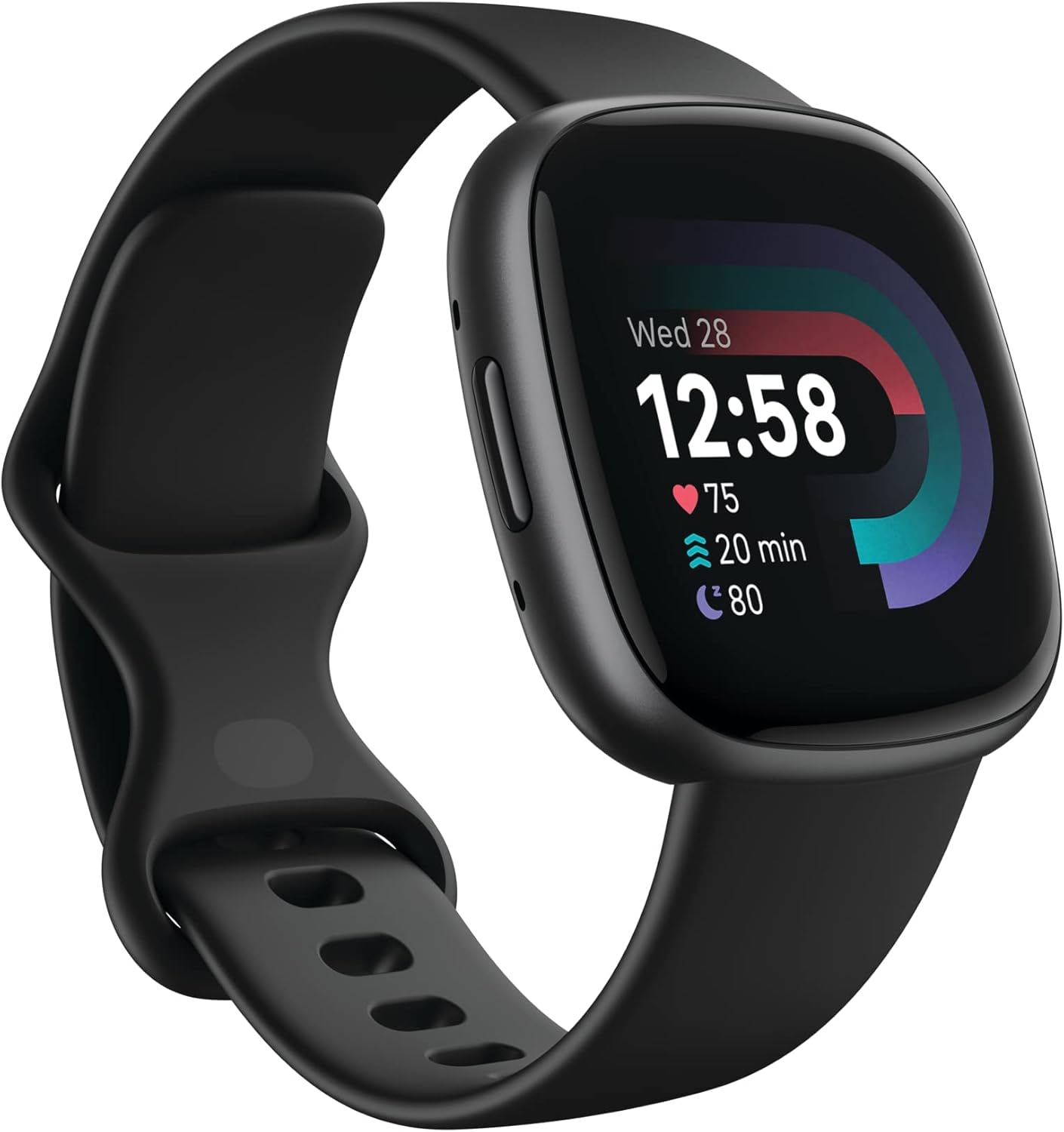
Fitbit Inspire 3 Health & Fitness Tracker
The most parent-friendly pick for tracking sleep during a chaotic toddler phase. The Inspire 3 is lightweight, lasts about 10 days per charge, and gives you a daily Sleep Score plus a breakdown of REM, deep, and light stages. If you're a parent who just wants to know "did I actually rest last night" without diving into recovery analytics, this is the easiest tracker to live with. Check Fitbit Inspire 3 on Amazon.
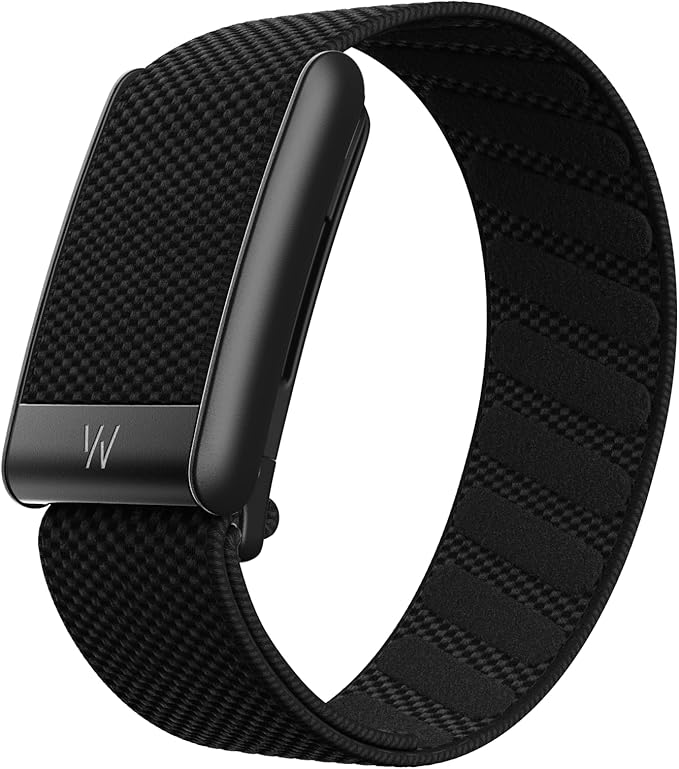
WHOOP 5.0/MG with 12-Month Membership
For parents who want to understand how the transition is affecting their nervous system recovery, the WHOOP 5.0 measures heart rate variability, resting heart rate, and respiratory rate continuously. Its Strain and Recovery scores are valuable when you're trying to figure out whether a 5 a.m. wake-up actually wrecked your day or just felt like it did. The 12-month membership is bundled in. Check WHOOP 5.0 on Amazon.
![Apple Watch Series 11 [GPS 42mm] Smartwatch with Rose Gold Aluminum Case with Light Blush Sport Band - S/M. Sleep Score, F...](https://sleeptrackerhq.com/aimg/images/I/6110Jv9wqeL._AC_SL1500_.jpg)
Google Fitbit Air Screenless Activity & Sleep Tracker
If you find a screen on your wrist distracting in the middle of the night (especially during 2 a.m. toddler check-ins), the Fitbit Air is the cleanest option. Screenless, minimal, and focused on sleep and activity tracking through the Fitbit app. It's the tracker we recommend for parents who don't want notifications during the transition period. Check Fitbit Air on Amazon.
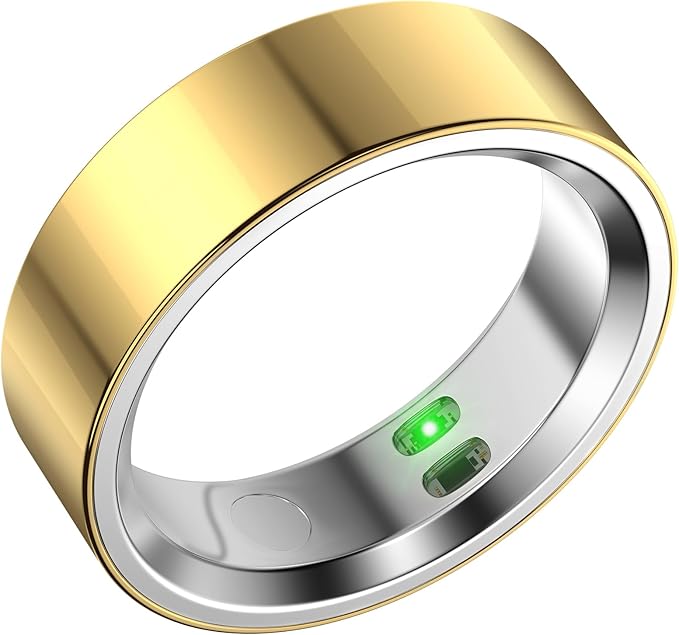
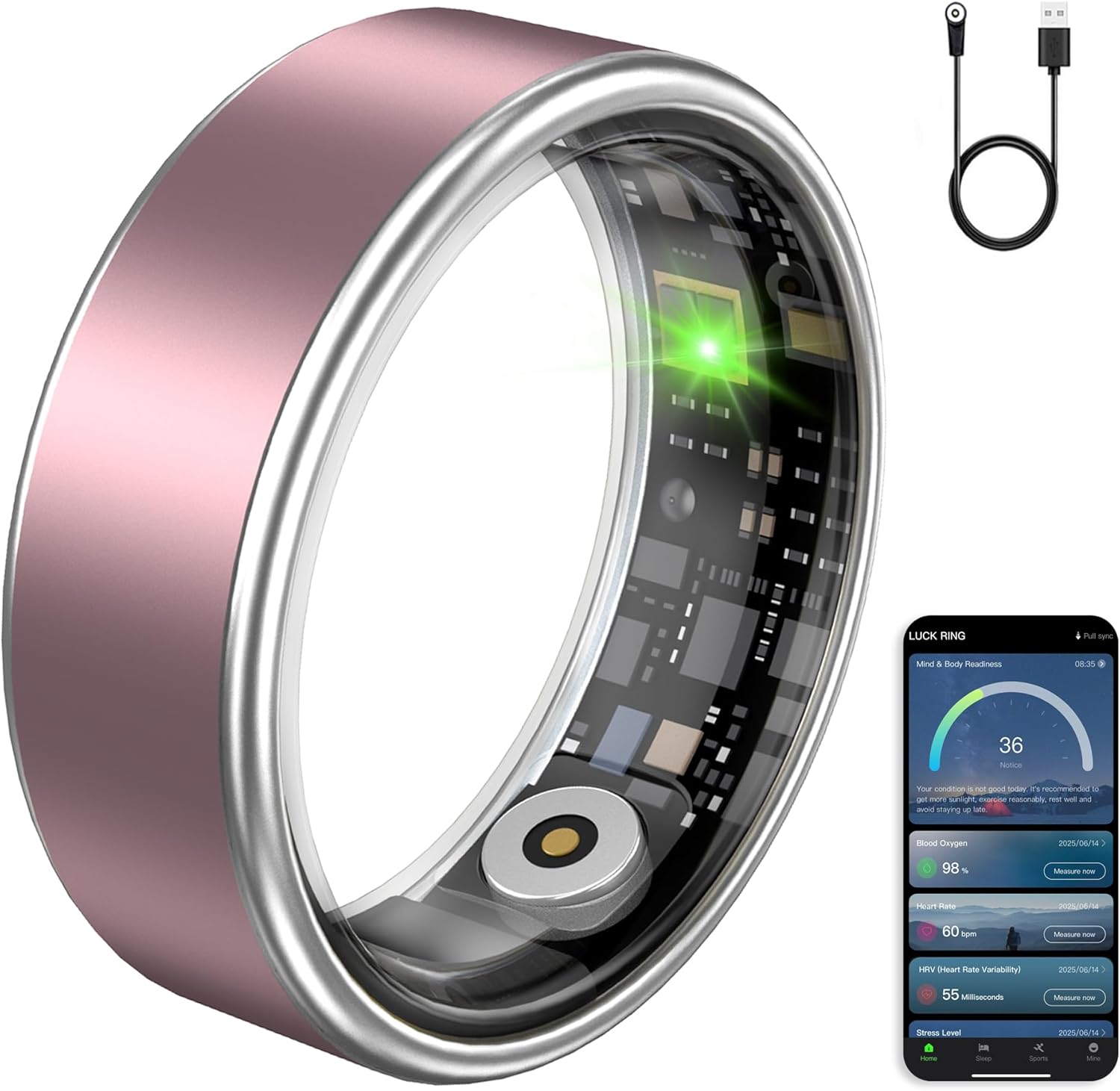
RQZ Smart Ring with Heart Rate & Sleep Tracking
A ring instead of a wristband can be a good call for parents who hold or carry a toddler frequently — no buckle to catch on hair or pajamas. The RQZ Smart Ring tracks heart rate, sleep stages, and SpO2 from your finger, and the form factor is far less likely to wake a sleeping toddler when you transfer them. Check RQZ Smart Ring on Amazon.
Parent sleep tracker comparison for the transition period
| Tracker | Form factor | Battery life | Best for parents who... |
|---|---|---|---|
| Fitbit Inspire 3 | Wristband, screen | ~10 days | Want simple sleep scores without a subscription |
| WHOOP 5.0/MG | Wristband, screenless | ~14 days | Want deep recovery and HRV data |
| Fitbit Air | Wristband, screenless | ~7 days | Hate notifications during night wake-ups |
| RQZ Smart Ring | Ring | ~5-7 days | Carry a toddler often and need a low-profile tracker |
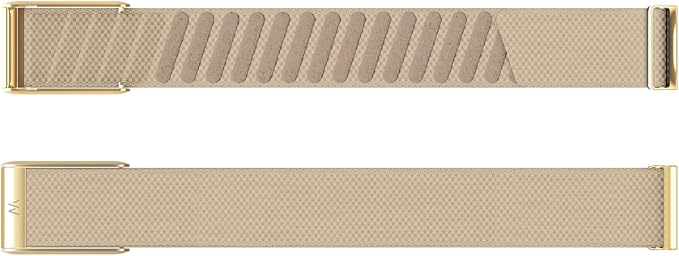
If you want a more comfortable strap for your WHOOP during night feeds and toddler carries, the WHOOP 5.0/MG SuperKnit Luxe accessory swaps the standard band for a softer knit that's less likely to leave imprint marks when your toddler curls up on your wrist.
![Apple Watch Series 11 [GPS 46mm] Smartwatch with Silver Aluminum Case with Purple Fog Sport Band - M/L. Sleep Score, Fitne...](https://sleeptrackerhq.com/aimg/images/I/71P1DHbS0KL._AC_SL1500_.jpg)
Building a transition timeline with the Restore 2
Here's the rough timeline most families follow when using the Hatch Restore 2 for toddler bed transition in 2026.
Week before the bed swap: Introduce the Restore 2 in the crib room. Run the same wind-down and wake routines you'll use after the switch. Teach the red/green concept while the crib is still doing the heavy lifting on containment.
Night of the switch: Move the bed in, keep everything else the same. Same Restore 2, same colors, same sounds, same bedtime story. Familiarity reduces resistance.
Weeks 1-2: Expect 3-5 wake-ups across the period where you're walking your toddler back. Stay calm, point at the red light, repeat the rule. The Restore 2 gives you a script that doesn't require you to be fully awake.
Weeks 3-4: Wake-ups should drop dramatically. The toddler now understands the red/green system and is starting to self-regulate. This is when parents typically reclaim their own sleep.
For more on getting the routine right, see our guide on building a 2026 toddler sleep routine and the related deep-dive on okay-to-wake clocks for kids ages 2-5. If you're weighing the Restore 2 against other Hatch models, our Hatch Restore 2 vs Rest+ comparison covers the differences in detail.
Frequently Asked Questions
What age is the Hatch Restore 2 best for during a crib-to-bed switch?
Most families use the Hatch Restore 2 for the crib-to-bed transition between 18 months and 3 years. Toddlers as young as 18 months can grasp the red/green light cues within a week, though the verbal explanation lands more reliably around 2 years. If your child is younger than 18 months, the Restore 2 still works as a sound machine and nightlight, but the time-to-rise feature won't fully register until they're a bit older.
Can the Hatch Restore 2 replace a traditional toddler nightlight?
Yes — the Restore 2 doubles as a nightlight and can stay on at a low warm or red glow all night. Red light minimizes melatonin disruption, which is why it's preferred over white or blue nightlights for toddlers. You can set the brightness from the app and even let your toddler pick a "favorite" color within a parent-approved range.
How long does it take for a toddler to learn the Hatch Restore 2 wake light system?
Most toddlers learn the system within 7-10 days of consistent use. The key is pairing the color change with a clear verbal rule ("when it's green, you can get up") and reinforcing it every morning. Toddlers who already had a structured bedtime routine usually catch on faster than those who didn't.
Should I use a separate sound machine and the Hatch Restore 2 together?
You don't need to — the Restore 2 has a built-in sound library that includes white noise, brown noise, rain, ocean, and lullabies. If you already have a sound machine your toddler is attached to, you can keep using it, but most families consolidate down to just the Restore 2 to simplify the bedside setup.
What's the best Hatch Restore 2 color for toddler sleep?
Dim red is the most pediatric-sleep-friendly nightlight color because it has the least impact on melatonin production. For wind-down, warm peach or amber works well. For the wake signal, green is the most common choice because it's visually distinct from the sleep colors and most toddlers already associate green with "go."
Can two parents control the Hatch Restore 2 from different phones?
Yes. The Hatch Sleep app supports multiple parent logins on the same device, which is useful when one parent handles bedtime and the other handles middle-of-the-night wakeups. Both phones can adjust the routine, change the sound, or turn the light off remotely.
Does the Hatch Restore 2 help with daytime naps during the bed transition?
It can. Many parents set a separate "nap" routine in the app with a shorter wind-down and a wake signal timed to the end of nap. This reinforces the same red/green concept your toddler already knows from nighttime, which often makes nap-time boundaries easier to enforce once they're out of the crib.
Key Takeaways
- Choosing the right Hatch Restore 2 for toddler bed transition means matching capacity and output ports to your actual devices
- Always check actual watt-hours (Wh), not just watts — runtime depends on Wh, not peak output
- Also covers: toddler sleep clock crib transition
- Also covers: Hatch Restore toddler review
- Also covers: wake light for 2 year old
- Compare price-per-Wh across models to find the best value for your budget