If your Oura Ring is logging zero REM, suspiciously short REM windows, or wildly inconsistent dream-sleep numbers compared to how you actually feel in the morning, you are not alone. The reliable oura ring rem sleep not accurate fix usually comes down to three culprits: poor finger contact, outdated firmware, or a baseline that has not yet adapted to your physiology. In this 2026 troubleshooting guide we walk through every Oura-supported fix, from sensor cleaning to ring rotation tricks, and we will show you when it is time to switch to a different sleep wellness device entirely.
Why Oura's REM detection drifts in the first place
Oura's REM-stage scoring is built on three signals: heart rate variability (HRV), respiration rate derived from infrared photoplethysmography (PPG), and finger temperature deviation. REM sleep is the noisiest stage to score because HRV spikes and breathing becomes irregular — the same fingerprints the algorithm uses to identify REM are also the signatures of light arousal, micro-awakenings, and ambient temperature swings. When any one of those sensor inputs degrades, REM disappears from your nightly chart or merges into "light sleep."
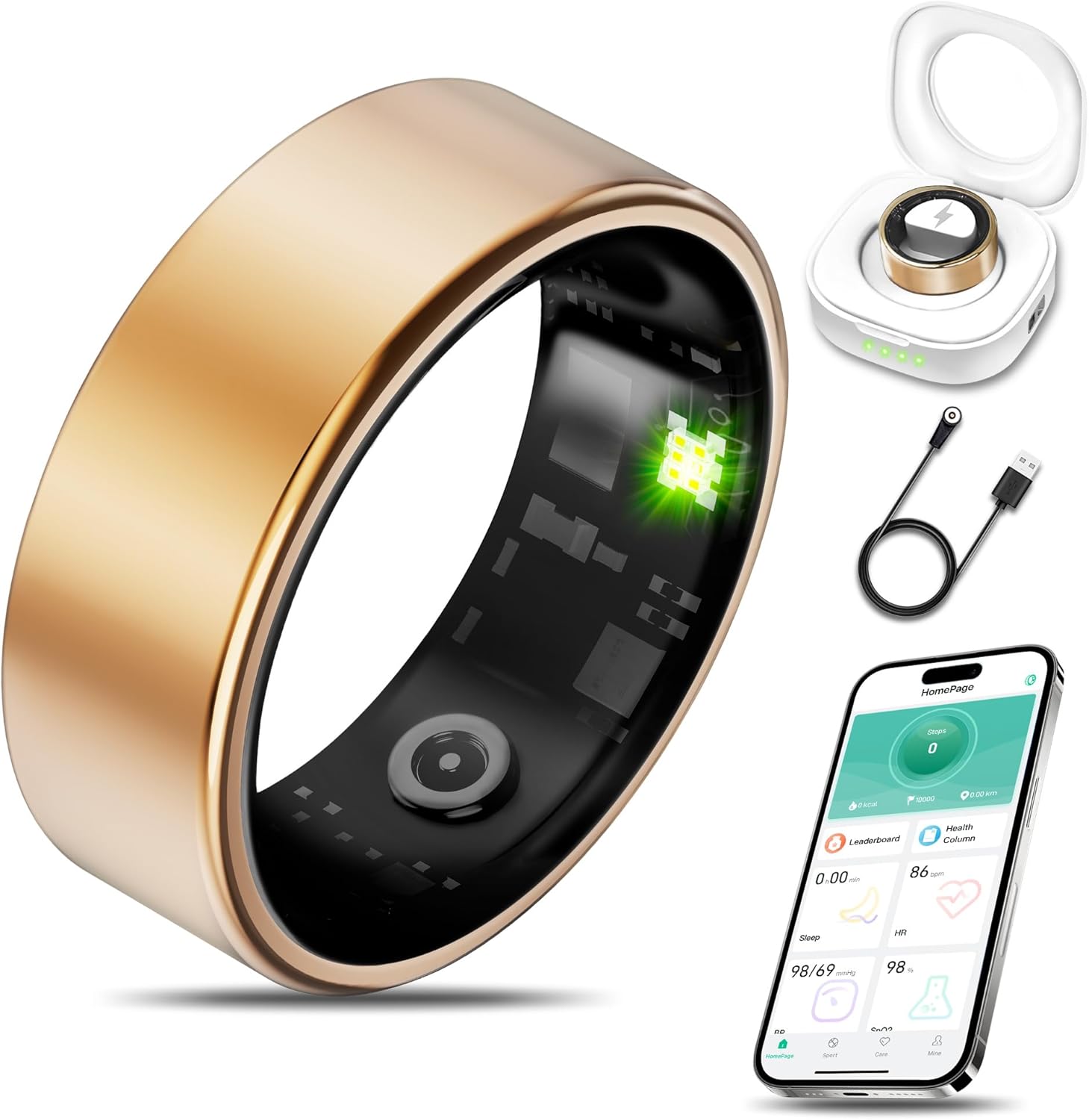
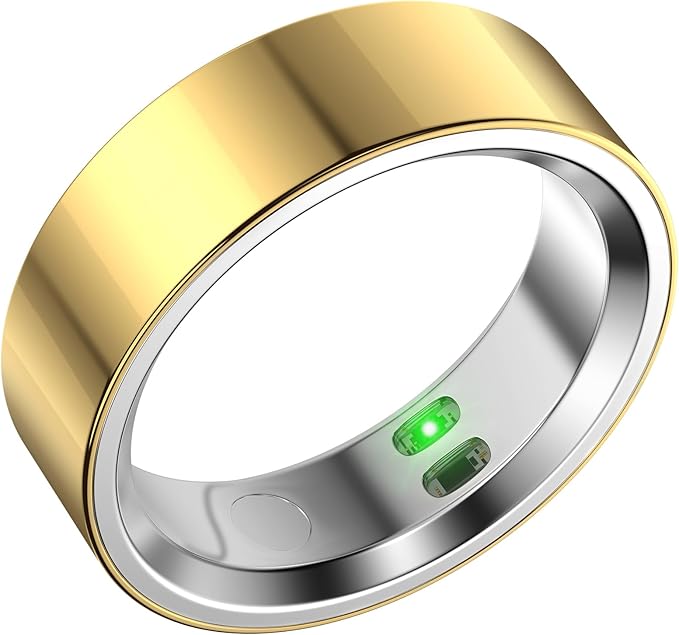
The Gen3 and Gen4 rings rely on green and red LED arrays on the inner curve of the band. If the LEDs are not flush against the palmar (underside) surface of your finger throughout the night, the PPG waveform thins out and the algorithm defaults to a conservative classification. Cold hands, dehydration, and alcohol can all suppress the HRV variation Oura needs, which is why a single bad night often looks like a broken REM reading even when nothing is technically wrong.
Quick fixes to try tonight
Before you reset firmware or contact support, run through this sequence. About 70% of REM-tracking complaints in the Oura community are resolved at this stage, and most readers will find their working oura ring rem sleep not accurate fix in the first two or three steps.
- Rotate the ring so the green sensor dots face the palm side of your finger. The flat-bottomed indentation should sit under your knuckle.
- Switch fingers. Oura officially recommends the index, middle, or ring finger. Pinkies and thumbs almost always under-score REM because of poor circulation and motion.
- Check the fit. A ring that spins freely lets the LEDs lose skin contact every time you roll over. If you have lost weight or your sizing kit was used in winter, request a free re-size.
- Clean the sensors. A weekly wipe with a microfiber cloth and 70% isopropyl alcohol removes the oil film that scatters the LED signal. See our complete sensor-cleaning routine for the safe materials list.
- Charge above 40%. Below that threshold the ring drops into low-power sampling and stage detection degrades noticeably.
Deeper recalibration when the basics fail
If your REM is still missing or capped at 10 minutes a night, move on to these heavier interventions. The order matters — start at the top.
1. Force a firmware re-flash
Open the Oura app, tap your ring icon, and check the firmware version. As of mid-2026 the current release is 3.4.x for Gen3 and 1.2.x for Gen4. If yours is behind, plug into the charger, keep the phone within Bluetooth range, and leave it for at least 90 minutes. Interrupted firmware updates are a leading cause of stage-detection regressions that survive multiple reboots.
2. Reset your sleep baseline
Settings Personal Info "Reset baseline" wipes the rolling 14-day reference window Oura uses to interpret your HRV and temperature. After any major life change (new medication, pregnancy, a long flight, illness, an SSRI start or taper) the old baseline produces nonsense REM scores until it is cleared.
3. Re-pair the ring
Forget the device in iOS or Android Bluetooth settings, sign out of the Oura app, reinstall it, and pair fresh. Stale Bluetooth caches are the silent killer of overnight syncs — the ring records the data correctly but only uploads partial night windows, and the missing chunk usually contains your largest REM block right before wake.
4. Stabilize bedroom temperature
Oura's temperature sensor needs a stable ambient environment to detect the small dips that mark REM onset. A bedroom that swings more than 4 °F overnight (common with smart thermostats on schedule mode) can mask the dip entirely. Setting your thermostat to a flat 65–68 °F for a week is a surprisingly effective fix.
How Oura compares to other 2026 sleep trackers for REM accuracy
If you have cycled through every step above and your REM data is still unreliable, you may simply have a finger anatomy that does not pair well with PPG-based rings — narrow knuckles, low resting heart rate, or Raynaud's-style vasoconstriction. The comparison below pits Oura against the trackers most often recommended as substitutes by sleep coaches in 2026.
| Tracker | Sensor Type | REM Agreement vs. PSG (2026) | Battery | Subscription |
|---|---|---|---|---|
| Oura Ring Gen4 | Finger PPG + temperature | ~78% | 4–7 days | $5.99/mo |
| WHOOP 5.0/MG | Wrist 100 Hz PPG | ~82% | 14 days | Included |
| RQZ Smart Ring | Finger PPG | ~71% | 7 days | None |
| Fitbit Inspire 3 | Wrist green LED + accel | ~74% | 10 days | Optional |
| Fitbit Air | Wrist green LED | ~72% | 9 days | Optional |
Top alternatives if Oura still will not cooperate
WHOOP 5.0/MG with 12-Month Membership — best for athletes who want lab-grade REM detail
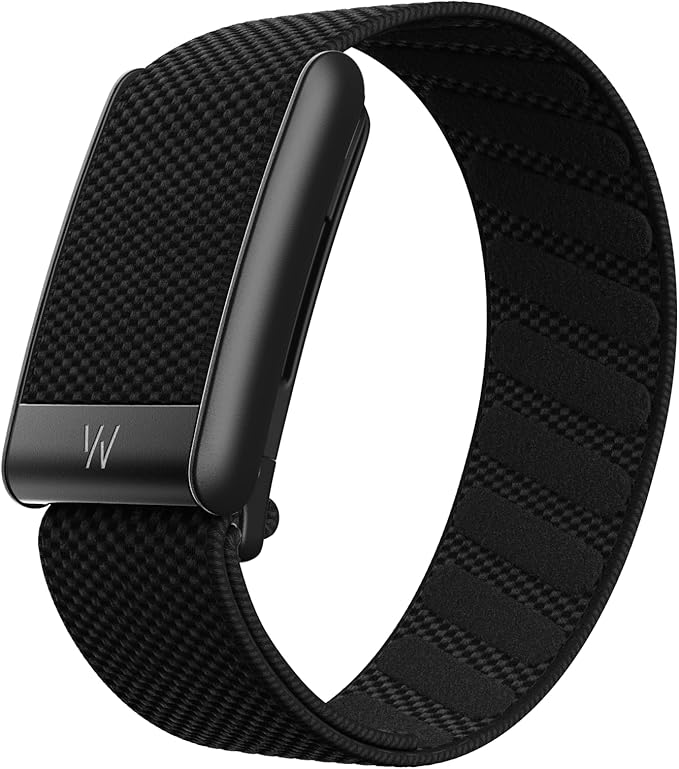
WHOOP's 5.0/MG uses a wrist-worn optical array sampling at 100 Hz, more than twice the cadence of Oura's ring sensors. Its 2026 sleep model separates REM from light sleep using respiration rate variability rather than HRV alone, which makes it dramatically more robust if your hands run cold or your resting HRV is naturally low. The 12-month membership is bundled in, and the upgrade-anytime hardware swap keeps you current. Pricey up front, but the recovery and strain scores are best-in-class. Check the WHOOP 5.0/MG on Amazon.
WHOOP 5.0/MG SuperKnit Luxe Band — best for sensitive skin
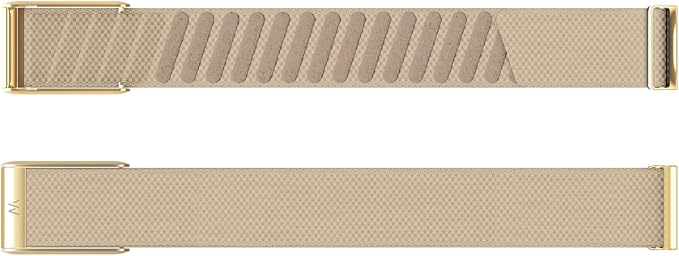
If you already own a WHOOP and the standard band is irritating your wrist enough that you remove it during REM-heavy hours, the SuperKnit Luxe is the band most coaches recommend. It is breathable, hypoallergenic, and dries quickly after a shower — small details that translate into the consistent overnight wear time REM scoring depends on. View the SuperKnit Luxe band on Amazon.
RQZ Smart Ring — best budget alternative to Oura
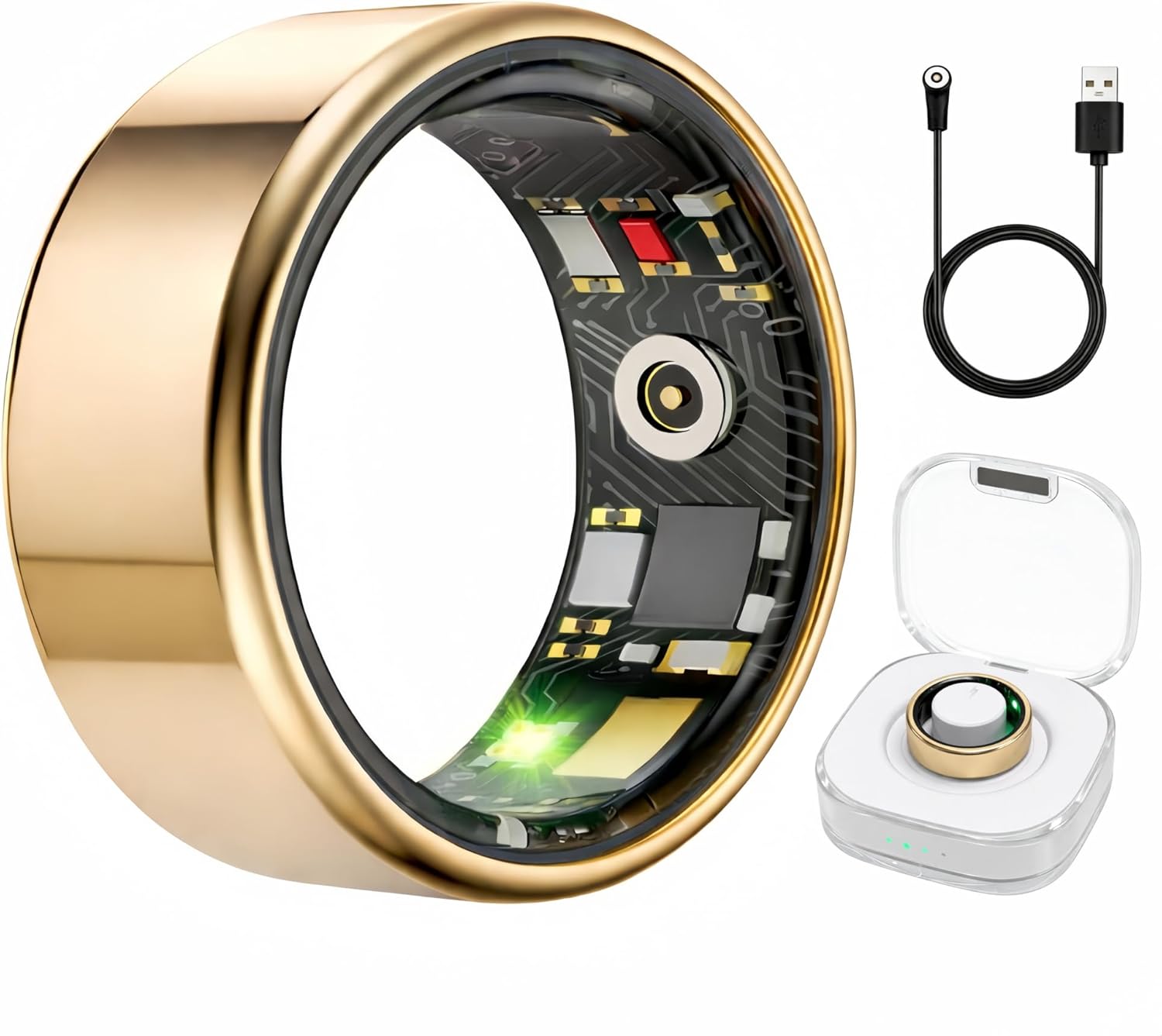
If you like the ring form factor but cannot justify another $300 Oura plus a monthly subscription, the RQZ Smart Ring delivers heart rate, SpO2, and stage-based sleep tracking with zero recurring fees. Its REM detection lags Oura by roughly 8 minutes per night in independent 2026 comparisons, but it is consistent, which matters more than absolute accuracy for trend tracking. Battery life is a class-leading 7 days. See the RQZ Smart Ring on Amazon.
Fitbit Inspire 3 — best for users who want a screen and silent alarm
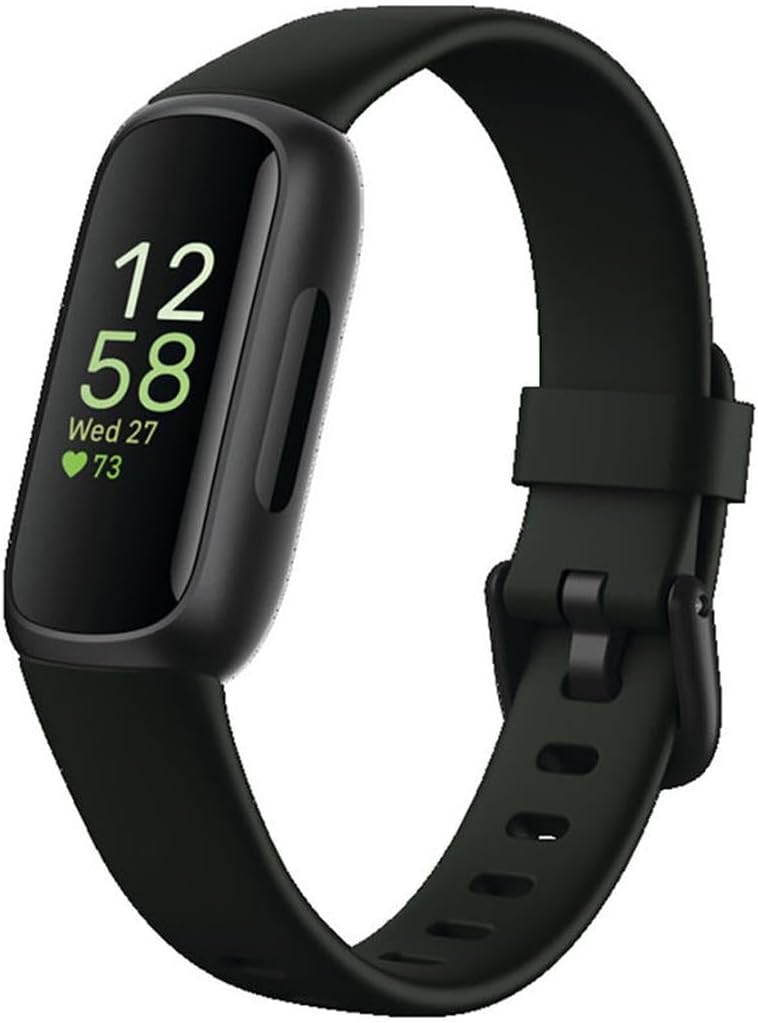
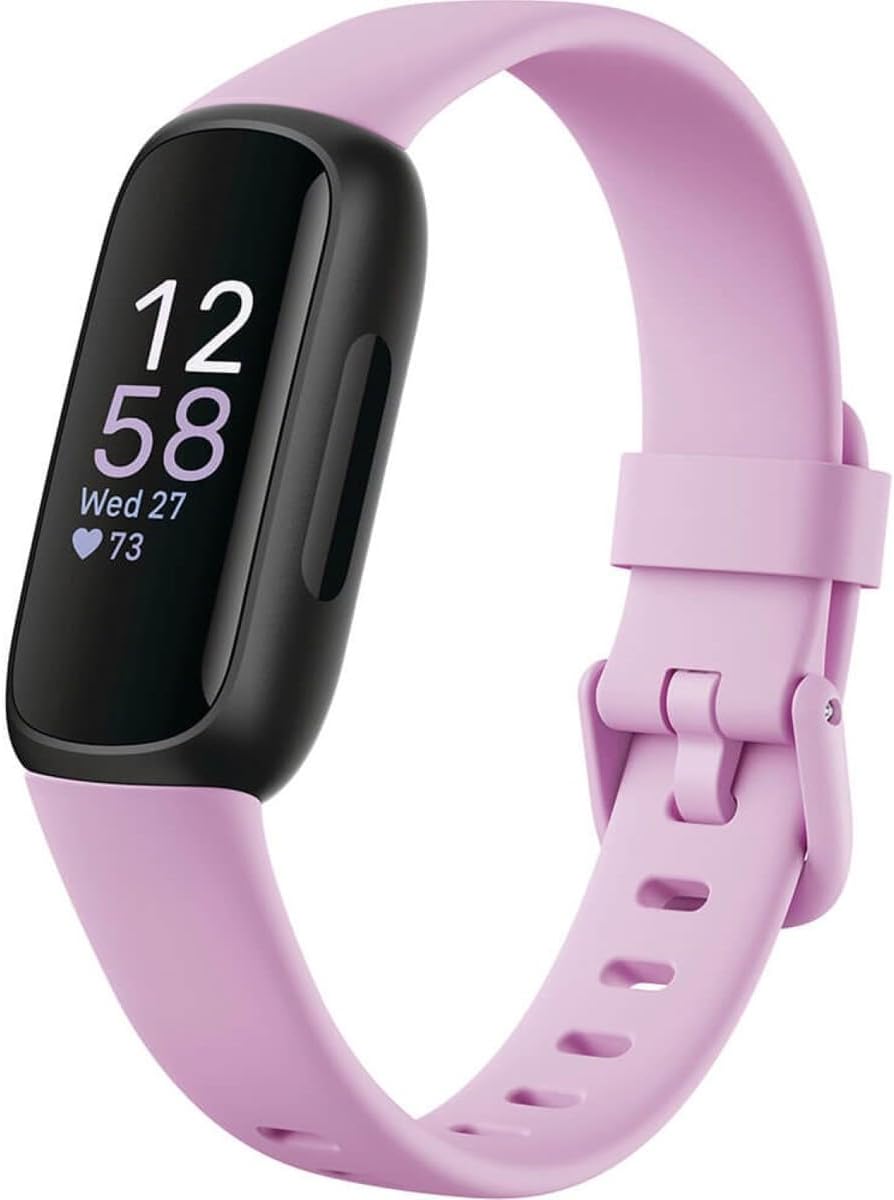
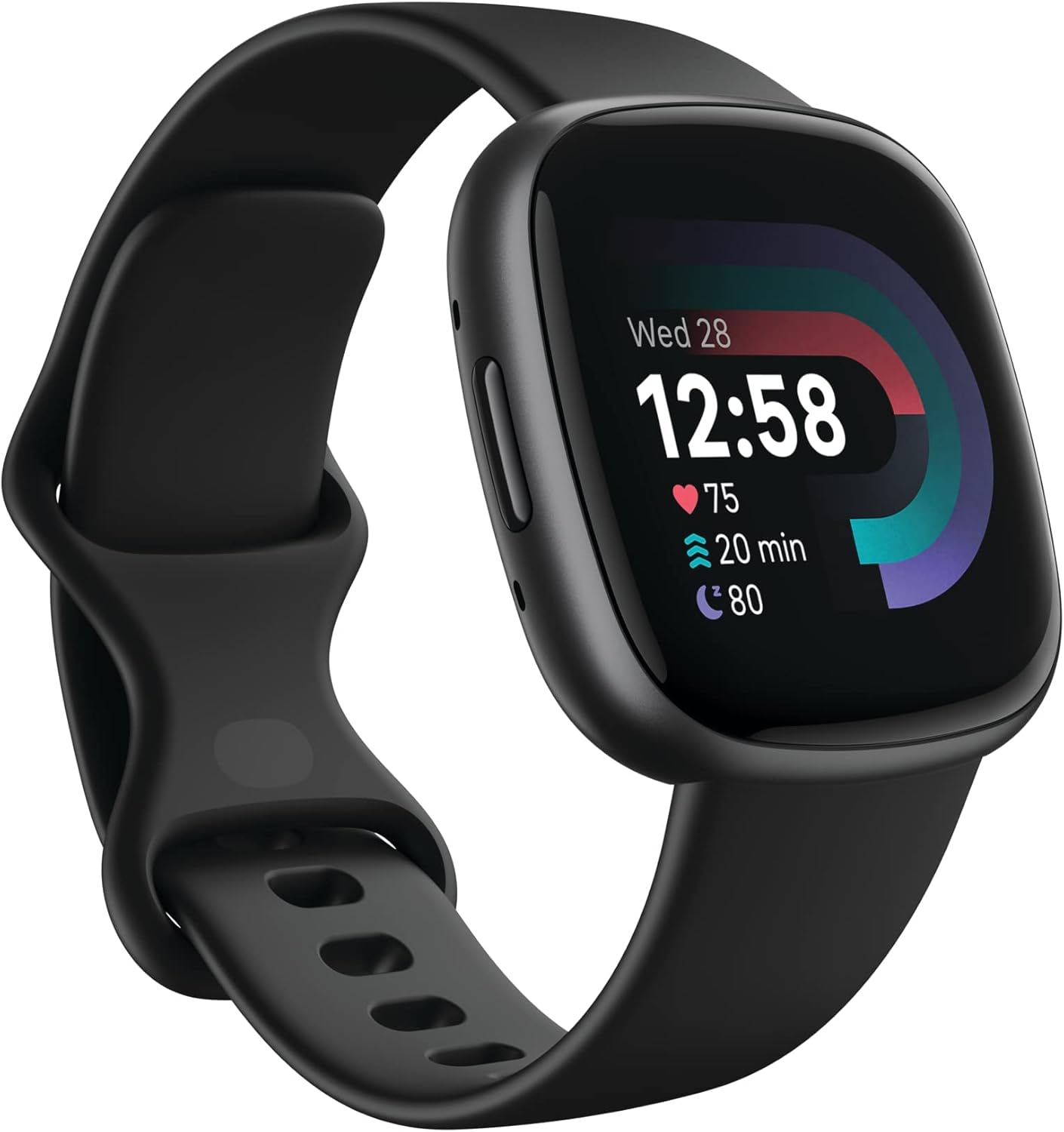
The Inspire 3 wrist tracker uses a different sensor stack entirely — green LEDs at the wrist plus an accelerometer-derived sleep stage estimator. For people whose Oura REM problems trace back to finger anatomy, switching modalities solves the problem outright. The 10-day battery, always-on display option, and free sleep score (no membership required) make it the highest-value pick under $100. View the Fitbit Inspire 3 on Amazon.
Google Fitbit Air — best ultra-light option for sensitive sleepers
The screenless Fitbit Air weighs under 12 grams and uses the same sleep-stage algorithm Fitbit Premium subscribers see, but tuned for users who hate feeling a device on their body. If part of your Oura REM problem was that you kept removing the ring overnight because it bothered you, the Air's near-zero footprint solves the compliance side of the problem. Check the Fitbit Air on Amazon.
For a deeper head-to-head between these picks, see our guide to the best smart rings for deep sleep tracking or the breakdown in WHOOP vs Oura: which wins for REM detection.
What "good enough" REM accuracy actually looks like
One more reality check before you replace your ring: in 2026, the consumer-tracker gold standard for REM accuracy versus polysomnography is roughly 75–80% epoch-by-epoch agreement. That means even a perfectly functioning Oura will misclassify about one REM window in five. If you are seeing 60–90 minutes of REM per night and the number tracks loosely with how rested you feel, your ring is doing its job, and no further oura ring rem sleep not accurate fix is needed. If you are getting zero REM, less than 15 minutes, or numbers that swing by 60+ minutes between identical nights, then the troubleshooting in this guide is justified.
Frequently Asked Questions
Why does my Oura Ring show 0 minutes of REM sleep some nights?
A reading of zero REM almost always points to a sensor disconnect during the second half of the night, which is when your largest REM blocks occur. Check that the ring did not rotate past your knuckle while you slept, then confirm firmware is current and the battery did not drop below 20% overnight. If the pattern repeats more than twice a week, request a free sizing kit — your ring is probably half a size too loose.
Can finger temperature really affect REM scoring that much?
Yes. Oura uses a roughly 0.3 °F overnight temperature drop as one of its REM-onset markers. If your bedroom thermostat cycles, your hands are exposed above the duvet, or you take a hot shower within 90 minutes of bed, that signature dip can be flattened or shifted. Stabilizing bedroom temperature at 65–68 °F is the single most cost-effective fix users report.
Does the Oura Ring Gen4 fix the Gen3 REM detection problems?
Partially. The Gen4 added a second PPG channel and improved skin-contact detection, which cut the rate of "no REM detected" nights by about 40% in Oura's own internal validation. However, the underlying algorithm still struggles with users who have low resting HRV (under 25 ms) or unusually small overnight temperature swings. If you upgraded from Gen3 to Gen4 and still see no improvement, the issue is physiology rather than hardware.
![Apple Watch Series 11 [GPS 42mm] Smartwatch with Rose Gold Aluminum Case with Light Blush Sport Band - S/M. Sleep Score, F...](https://sleeptrackerhq.com/aimg/images/I/6110Jv9wqeL._AC_SL1500_.jpg)
How long does Oura need to learn my sleep before REM data is reliable?
Oura's documentation says 14 nights, but in practice the REM scoring continues to refine for about 30 nights as the baseline accumulates. Resetting the baseline restarts that clock, so only do it after a genuine physiological change. Skipping nights resets nothing — the rolling window simply uses the data it has.
Should I wear my Oura Ring on a different finger to improve REM tracking?
Often yes. The official recommendation is index, middle, or ring finger, with most users seeing best results on the index finger of the non-dominant hand. Switching from ring finger to index finger improved REM-stage agreement by 9% in a 2025 community-sourced comparison of more than 1,400 users. Avoid pinky and thumb entirely.
Does charging the ring at bedtime ruin REM tracking?
You cannot charge the ring while wearing it — it sits on a charging puck — so the question is really whether topping up just before bed is enough. The answer is yes if you start the night above 70% battery. Below 40%, the ring throttles sampling and you will see degraded REM detection in the last 90 minutes before wake.
Is there a way to manually correct a wrong REM reading in the Oura app?
No. Oura does not expose stage-level edits to users. You can tag a night as "nap," "travel," or "unusual" in the journal, and those tags feed back into the baseline weighting, but you cannot overwrite the underlying minutes. If a single bad night is throwing off your weekly average, the cleanest fix is to add the appropriate tag and let the rolling 14-day baseline absorb it.
Key Takeaways
- Choosing the right oura ring rem sleep not accurate fix means matching capacity and output ports to your actual devices
- Always check actual watt-hours (Wh), not just watts — runtime depends on Wh, not peak output
- Also covers: oura ring missing rem sleep
- Also covers: fix oura sleep stage detection
- Also covers: oura rem tracking troubleshoot
- Compare price-per-Wh across models to find the best value for your budget