For IVF patients, the two weeks between ovulation (or embryo transfer) and the beta hCG test can feel endless, and sleep is often the first thing to suffer. Tracking oura ring gen 3 ivf luteal phase sleep patterns gives you a quiet, finger-worn way to watch your nightly temperature rise, resting heart rate climb, and HRV dip in response to progesterone, estrogen support, and the emotional load of treatment. The Oura Ring Gen 3 logs continuous skin temperature, blood oxygen, breathing rate, and sleep staging without a screen lighting up your bedroom — making it one of the most practical wearables for fertility patients who want data without distraction during the luteal window in 2026.
Why luteal phase sleep is so different during IVF
After ovulation — or after a fresh or frozen embryo transfer — your body shifts into a progesterone-dominant state. Progesterone is thermogenic, meaning your core and skin temperature rise by roughly 0.3–0.6°C. For most cycles that is a subtle bump, but IVF patients are usually layering exogenous progesterone (intramuscular injections, vaginal suppositories, or oral support) on top of an already supraphysiologic estradiol from stimulation. The result is a luteal phase that runs hotter, lighter, and more fragmented than a natural cycle.
Patients commonly report: waking between 2 and 4 a.m., night sweats, racing heart rate at sleep onset, vivid dreams from progesterone metabolites acting on GABA receptors, and a creeping increase in resting heart rate of 5–10 bpm above their follicular baseline. The Oura Ring Gen 3 surfaces every one of those signals on a single timeline, which is why so many reproductive endocrinologists tolerate (and some now recommend) passive wearable data as a supplement to clinical monitoring.
What the Oura Ring Gen 3 actually measures during an IVF luteal phase
The Gen 3 sensor stack is the reason this ring became a fertility favorite before Gen 4 launched. It pairs a NTC skin temperature sensor with red and infrared PPG, an accelerometer, and gyroscope. For oura ring gen 3 ivf luteal phase sleep tracking specifically, four metrics matter most:
- Nightly skin temperature deviation — plotted against your personal 30-day baseline, this is the clearest sign progesterone is on board. A sustained +0.4°C deviation 7–10 days post-transfer can hint at implantation-related shifts, though it is never a diagnostic.
- Resting heart rate (RHR) curve — a healthy luteal phase shows RHR rising, peaking 5–7 days before menses, then falling. In a conception cycle the dip often does not arrive.
- Heart rate variability (HRV) — typically falls during the luteal phase. Steep, sustained drops can flag inflammation, dehydration from PIO injections, or anxiety-driven sympathetic load.
- Sleep stages and efficiency — deep sleep drops and REM fragments under high progesterone. Watching this trend helps you separate "normal IVF tired" from "something is off."
How to use Oura data alongside your clinic protocol
Your reproductive endocrinologist is not going to adjust progesterone dosing based on a ring — and they shouldn’t. But you can use the data to:
- Time your bedtime earlier on nights after PIO shots, when sleep latency tends to balloon.
- Catch a temperature drop that may precede a period, so the beta isn’t a complete shock.
- Flag a fever trend early — OHSS (ovarian hyperstimulation syndrome) risk is highest in the first 10 days post-retrieval, and a sustained temperature spike plus elevated RHR warrants a same-day call to the clinic.
- Track recovery between cycles, especially if you are doing back-to-back retrievals for embryo banking.
For a deeper dive on cycle-syncing wearables, see our best sleep trackers for fertility tracking in 2026 roundup.
Oura Ring Gen 3 vs. other wearables IVF patients actually use
Oura Gen 3 is the benchmark, but plenty of patients want a backup, a cheaper companion, or a wrist-based option for workouts on rest-cycle days. Here is how the realistic alternatives stack up for luteal phase monitoring in 2026.
| Device | Form factor | Skin temp tracking | HRV at night | Best for IVF use case |
|---|---|---|---|---|
| Oura Ring Gen 3 | Ring | Continuous, 0.13°C resolution | Full-night, 5-min intervals | Primary luteal phase tracker |
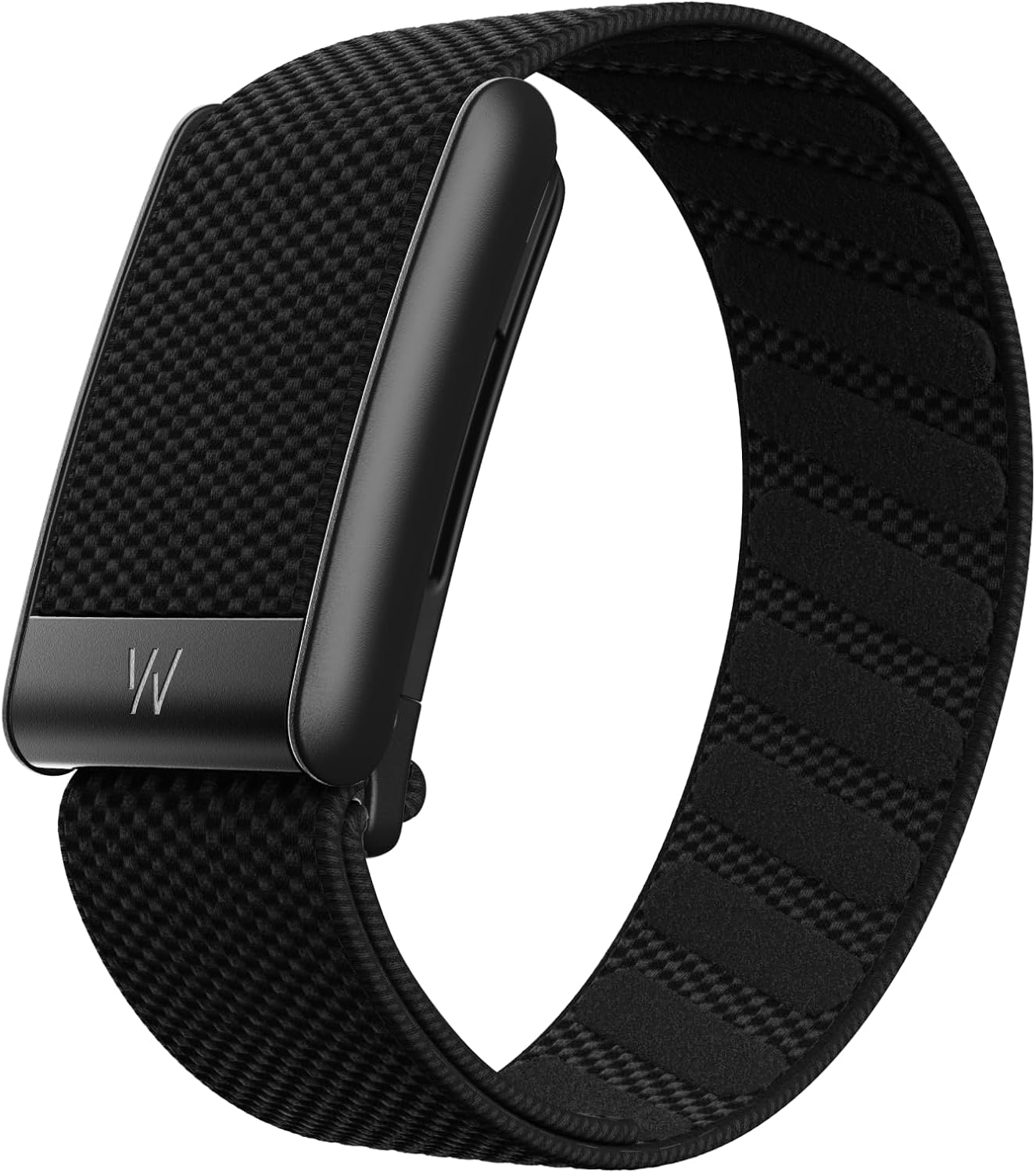
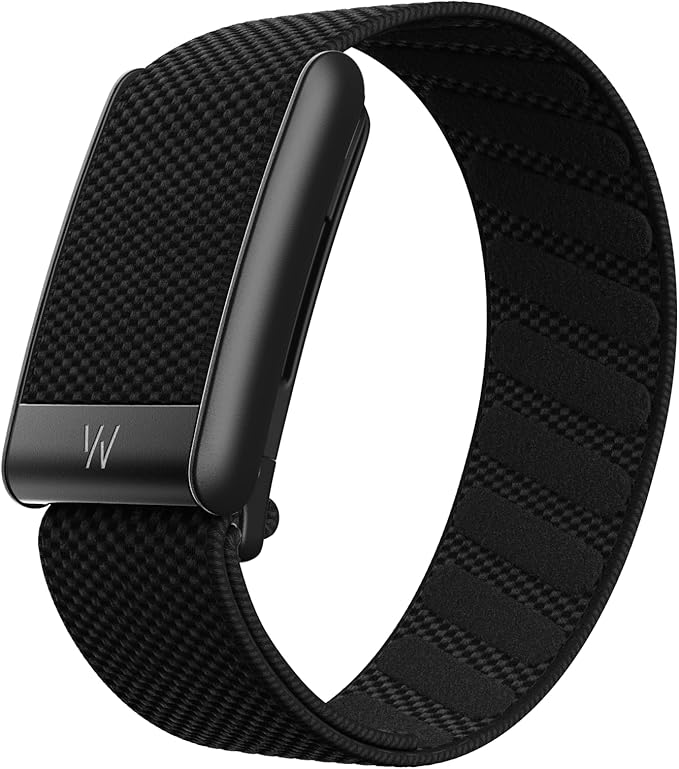
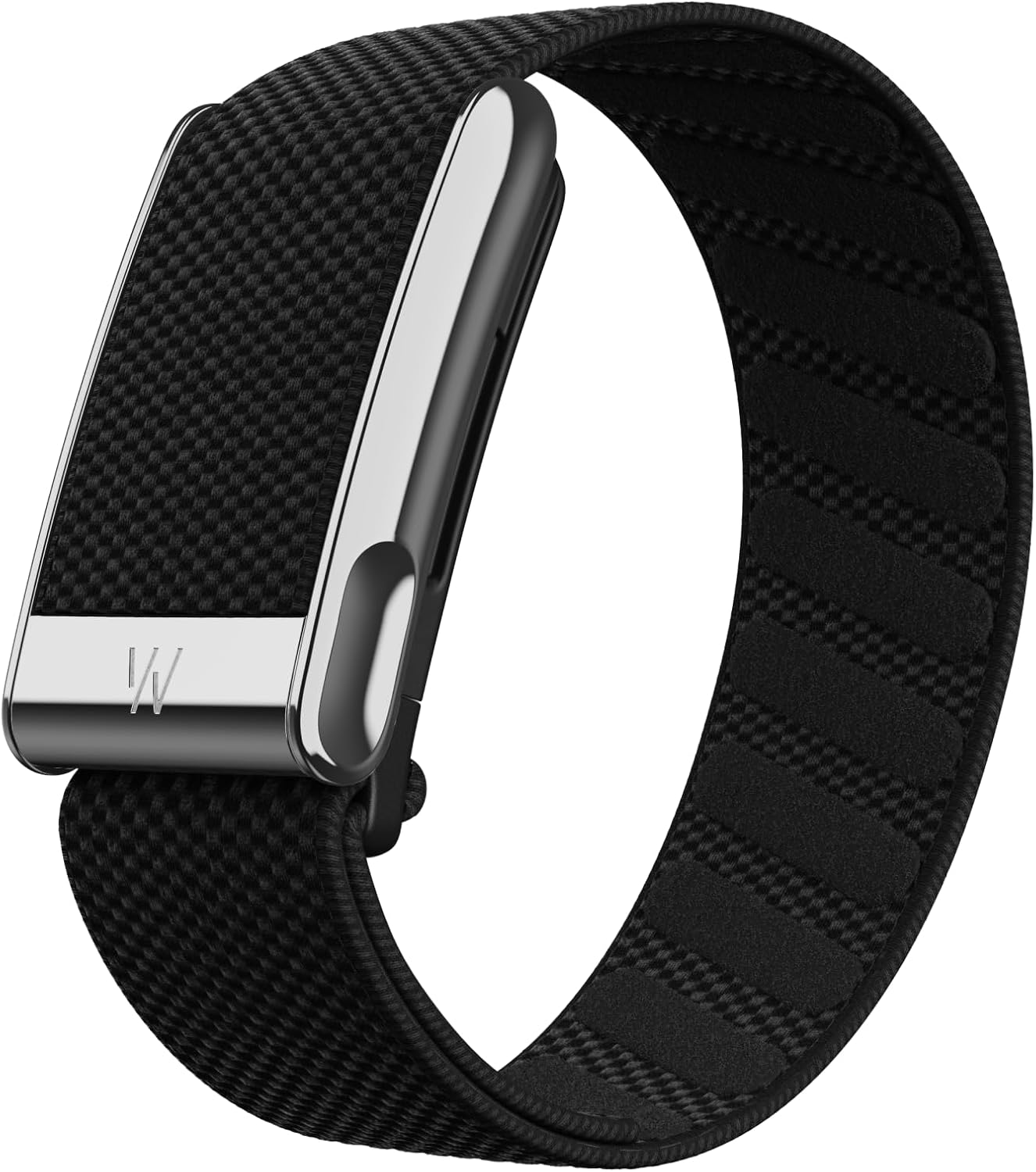
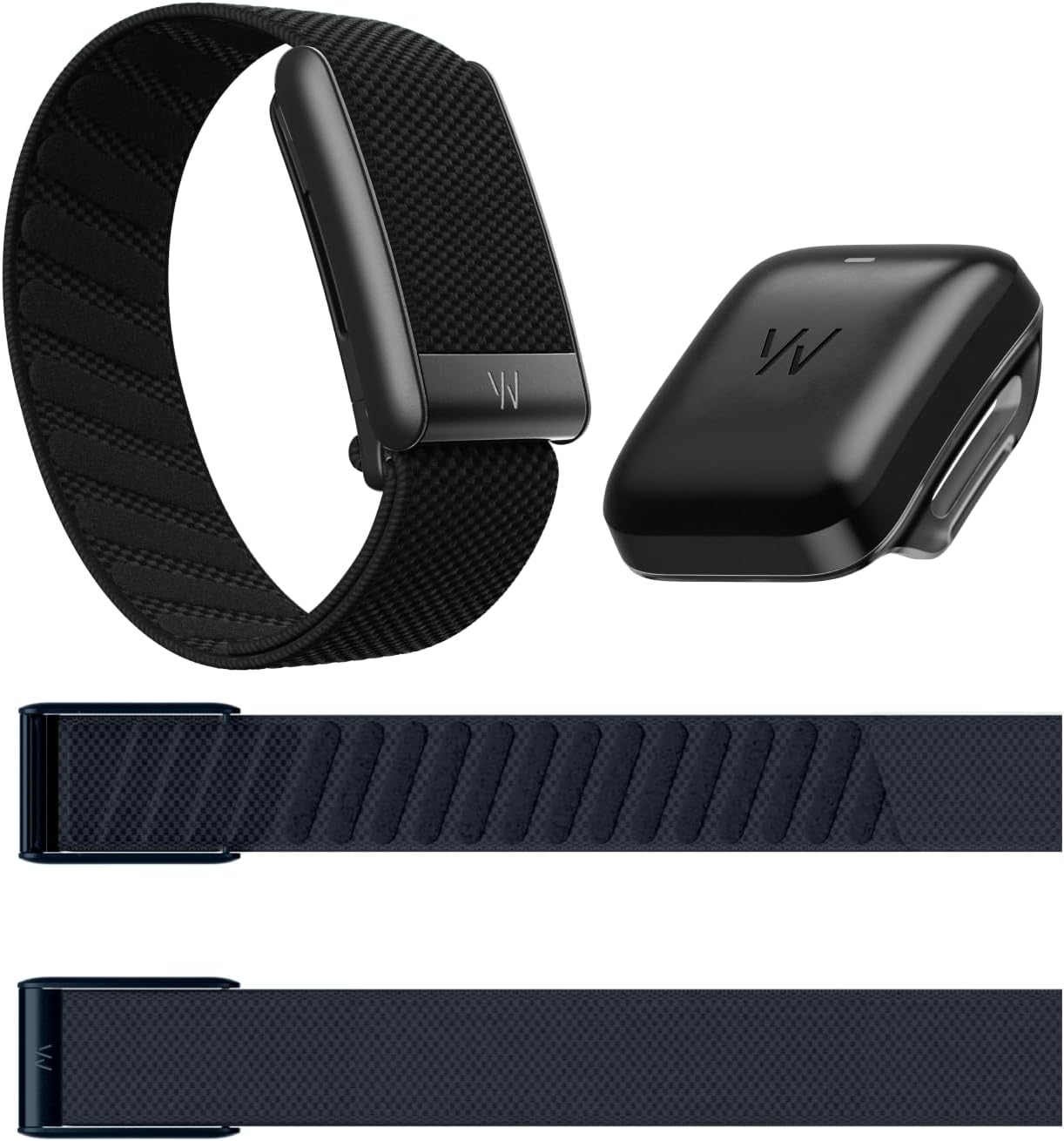
| WHOOP 5.0/MG | Wrist band, screenless | Yes (Healthspan add-on) | Continuous | Recovery scoring during stims |
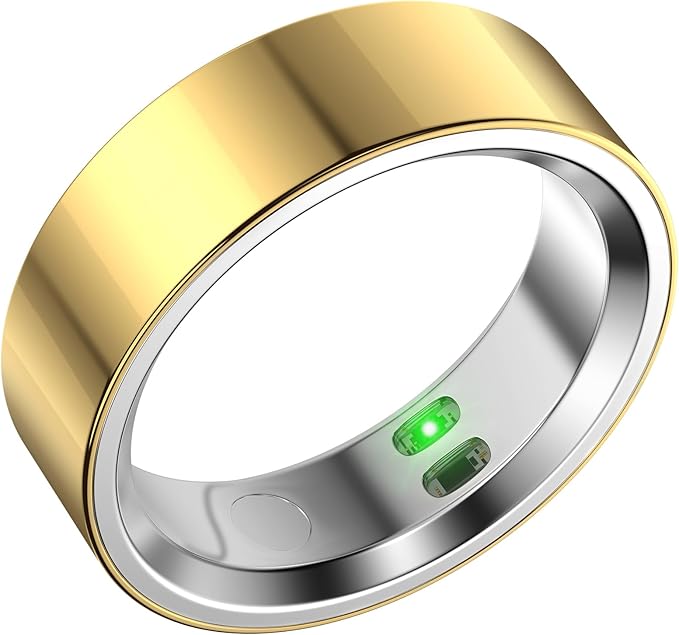
| RQZ Smart Ring | Ring | Skin temp + HR | Sleep-window HRV | Budget Oura alternative |
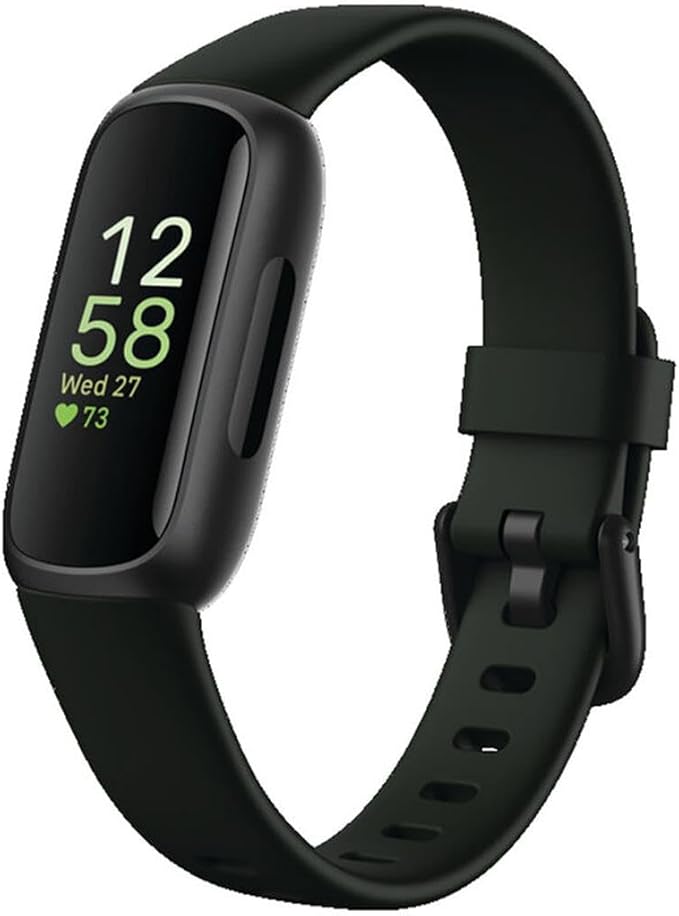
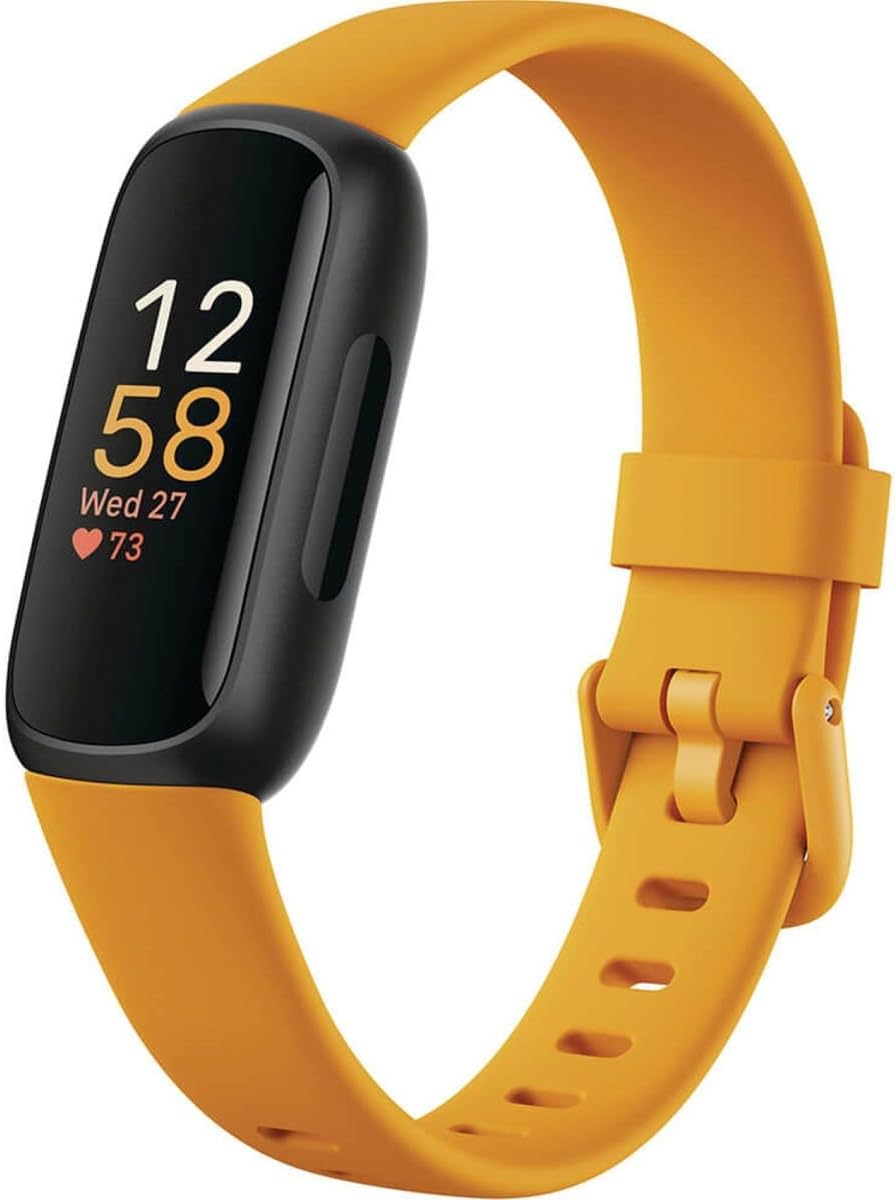
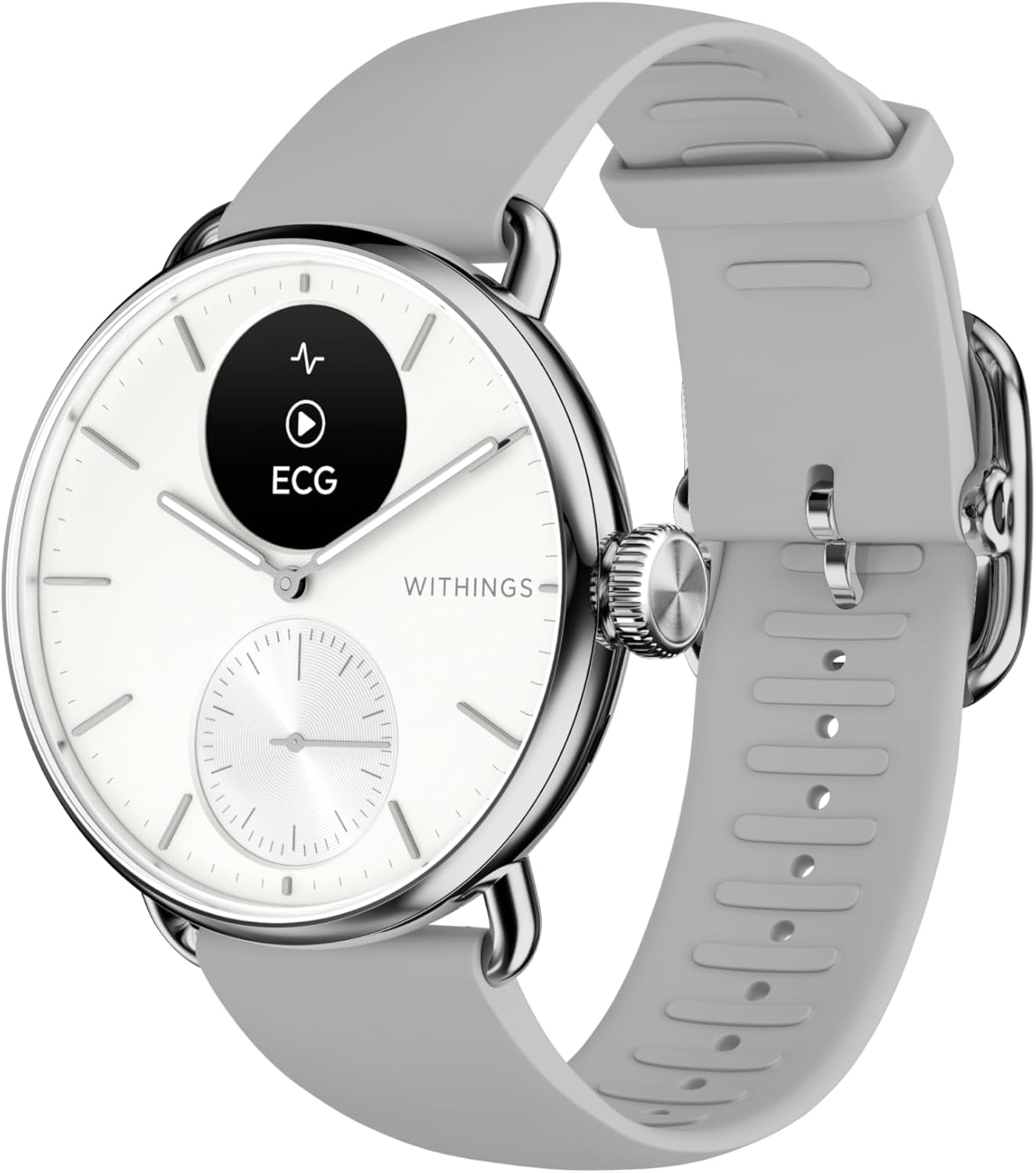
| Fitbit Inspire 3 | Wrist band | Skin temp variation | Nightly average | Light-touch backup tracker |
| Fitbit Air | Wrist, screenless | Skin temp variation | Nightly average | Distraction-free 2WW wear |
WHOOP 5.0/MG Activity Tracker, 12-Month Membership
If you want a companion device to wear during stimulation phase workouts (or gentle walks once your ovaries are too tender for the ring to feel comfortable), the WHOOP 5.0/MG is the most analytics-heavy option on the market. Its strain and recovery scores are calibrated for athletes, but the underlying sleep, HRV, and skin temperature data are excellent for IVF patients who want to layer training load against luteal stress. The screenless band stays out of your way at night, and the 12-month membership bundles the hardware. Check current pricing here: WHOOP 5.0/MG on Amazon.
RQZ Smart Ring — the budget Oura alternative
Not every patient can absorb a $300+ ring plus a monthly subscription on top of out-of-pocket IVF costs. The RQZ Smart Ring delivers continuous heart rate, sleep staging, and basic temperature tracking in the same finger-worn form factor, with no recurring fee. It will not match Oura’s temperature resolution, but for patients who simply want a directional view of luteal phase sleep, RHR, and overnight HRV, it is genuinely useful — and it doubles as a second ring you can rotate while charging your primary. See it here: RQZ Smart Ring on Amazon.
Fitbit Inspire 3 — the wrist backup with skin temp variation
Plenty of IVF patients prefer wrist data when their fingers swell from estradiol — a real complication that throws off ring fit during the late follicular phase. The Fitbit Inspire 3 logs skin temperature variation, SpO2, breathing rate, and a sleep score that aligns reasonably well with Oura’s on most nights. It is also one of the lightest wristbands you can buy, which matters when night sweats already have you flinging the covers. Grab it here: Fitbit Inspire 3 on Amazon.
Google Fitbit Air — screenless wear for the two-week wait
The Fitbit Air launched in 2026 as Google’s answer to the screenless trend Oura started. For the two-week wait, when many patients deliberately avoid notifications and bright displays, a screenless band is therapeutic. The Air tracks sleep stages, skin temp variation, and resting heart rate, and syncs quietly to the Fitbit app for review when you are emotionally ready. Find it here: Google Fitbit Air on Amazon.
Setting up your Oura Ring Gen 3 for an IVF cycle
A few configuration tips make oura ring gen 3 ivf luteal phase sleep data far more readable:
- Establish a 14-day baseline before stims. Oura needs roughly two weeks of nightly data to produce reliable temperature deviation charts. If you can, start wearing the ring the cycle before your retrieval.
- Turn off Cycle Insights predictions during medicated cycles. Oura’s built-in period prediction uses temperature and HR patterns that assume a natural cycle; on injectables it will mispredict and create anxiety.
- Tag bedtime medications. Use the in-app tags for progesterone, estradiol patches, Lupron, and dexamethasone so you can correlate sleep dips with specific medications.
- Switch to your non-dominant index or middle finger if your usual ring finger swells. The optical sensor needs snug, consistent contact for accurate HRV.
Sleep hygiene that actually helps during the luteal phase
Data is only useful if you can act on it. The most consistent IVF-specific sleep fixes:
- Keep the bedroom at 17–18°C (62–64°F). Progesterone has already raised your set point; the cooler room compensates.
- Inject PIO at least 90 minutes before bed so the sting subsides before you lie down.
- Front-load fluids before 7 p.m. to limit the 3 a.m. bathroom wake — a major contributor to fragmented REM on Oura’s sleep staging.
- Use magnesium glycinate (cleared with your clinic) rather than melatonin, which has mixed data in early pregnancy.
- Limit alcohol entirely from trigger shot through beta — even one drink shows up on Oura’s readiness score the next morning.
For more on optimizing your bedroom for cycle tracking, see cooling mattress pads for hormone tracking.
When the data should prompt a clinic call
The ring is not a medical device, but a few patterns deserve a phone call to your fertility nurse:
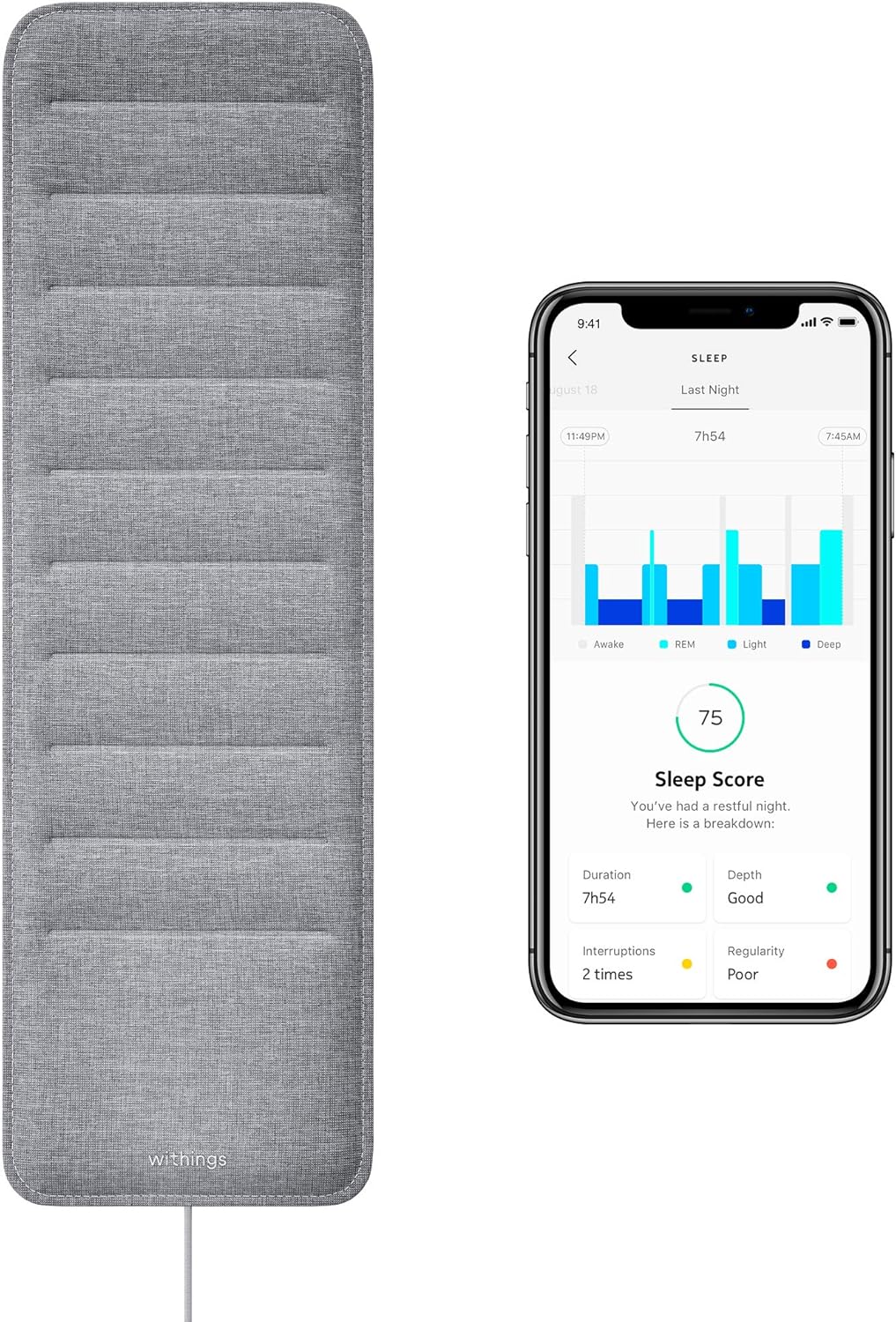
- Skin temperature deviation above +1.0°C for 24+ hours, especially with abdominal pain (possible OHSS or infection).
- Resting heart rate jumping 15+ bpm above baseline overnight with shortness of breath (OHSS fluid shift).
- HRV cratering below 50% of your baseline for three consecutive nights with no obvious cause.
- Sleep efficiency dropping below 70% for a week despite good hygiene — this often correlates with progesterone levels being either too low or too high and is worth a serum check.
And remember: a flat temperature curve or a great HRV night is not a guarantee of failure or success. The only definitive answer is the beta hCG.
Frequently Asked Questions
Can the Oura Ring Gen 3 detect early pregnancy after IVF transfer?
It cannot diagnose pregnancy, but many patients see a sustained skin temperature deviation above baseline and a resting heart rate that stays elevated past the expected luteal-phase dip. These trends sometimes precede a positive beta hCG by several days, but they also occur in cycles that ultimately fail. Treat them as interesting, not predictive.
Will progesterone in oil injections throw off Oura sleep scores?
Yes, and that is expected. Intramuscular progesterone raises core temperature, deepens early sleep, and often fragments the second half of the night with vivid dreams. You will see lower deep-sleep minutes and more awakenings on Oura. The pattern usually stabilizes by the second week of PIO use.
Should I wear the Oura Ring Gen 3 during egg retrieval?
Remove it for the procedure itself — anesthesia teams need bare fingers for pulse oximetry. Put it back on the same evening so you can track the recovery-night sleep architecture, which is often poor due to bloating, anesthesia hangover, and residual pain medication.
How does the Oura Gen 3 compare to the Gen 4 for IVF tracking?
Gen 4 added a slimmer profile, longer battery life, and improved SpO2 reliability, but the core temperature, HRV, and sleep staging sensors are nearly identical for fertility purposes. If you already own the Gen 3, there is no clinical reason to upgrade mid-IVF.
Can I track luteal phase sleep without a subscription?
The Oura app requires a monthly membership for full insights, but rings like the RQZ deliver a no-subscription alternative with passable sleep and temperature data. WHOOP bundles its hardware and membership into a single annual fee, which some patients find easier to budget around IVF costs.
Is wearable temperature accurate enough to replace clinical progesterone testing?
No. Skin temperature deviation correlates loosely with progesterone but is influenced by room temperature, bedding, alcohol, illness, and exercise. Serum progesterone testing remains the gold standard, and your clinic will draw it during the luteal phase if your protocol requires it.
Does Oura’s Cycle Insights work during medicated IVF cycles?
Not reliably. The algorithm assumes endogenous hormone production and will misidentify ovulation, predict periods that never arrive, or miss the temperature shift entirely because exogenous progesterone overrides your natural pattern. Most IVF patients turn off cycle predictions until they return to a natural cycle post-treatment.
Final thoughts
The Oura Ring Gen 3 will not change the outcome of your IVF cycle — only the embryo, the lining, and a fair amount of luck do that. But it will give you a quiet, screenless window into how your body is responding to stimulation, transfer, and the luteal phase, and it can flag the rare warning signs that warrant a same-day clinic call. Pair it with a wrist-based backup for stim-week workouts or a screenless band for the two-week wait, and you will have the most complete picture of oura ring gen 3 ivf luteal phase sleep data available to a patient in 2026. For more cycle-aware tools, browse our wearables for tracking fertility hormones guide.
Key Takeaways
- Choosing the right oura ring gen 3 ivf luteal phase sleep means matching capacity and output ports to your actual devices
- Always check actual watt-hours (Wh), not just watts — runtime depends on Wh, not peak output
- Also covers: oura ring fertility cycle sleep tracking
- Also covers: oura ring progesterone temperature ivf
- Also covers: oura ring two week wait sleep
- Compare price-per-Wh across models to find the best value for your budget