If you are searching for guidance on the oura ring gen 3 for narcolepsy cataplexy tracking, the short answer in 2026 is this: the Oura Ring Gen 3 cannot directly detect a cataplexy attack the way an in-lab EMG can, but it is one of the most useful consumer wearables for documenting the autonomic fingerprints that surround episodes — sudden heart-rate variability (HRV) shifts, abnormal nap architecture, fragmented REM, daytime body-temperature dips, and unplanned sleep intrusions. Used as a daily journal companion, the ring gives narcoleptic patients and their sleep specialists a continuous timeline that pairs well with a manual cataplexy log, helping correlate triggers (laughter, surprise, stress) with measurable physiological context.
Below we break down exactly what Gen 3 captures, the gaps you need to fill manually, how it compares to other rings and screenless trackers that narcolepsy patients are using in 2026, and which device makes sense if you want a second opinion on your nights and daytime crashes.
Why narcoleptic patients are using the Oura Ring Gen 3
Narcolepsy Type 1 (with cataplexy) and Type 2 share a common diagnostic problem: episodes are short, often happen outside the clinic, and patient recall is unreliable because of sleep inertia and brain fog. The Oura Ring Gen 3 helps in four practical ways:
- Continuous HRV (rMSSD) and resting heart rate sampled across the night and during daytime rest, which can reveal the parasympathetic surge that often precedes or accompanies a cataplexy episode triggered by strong emotion.
- Automatic daytime nap detection — critical for narcolepsy, where unplanned sleep attacks are diagnostic. Gen 3 will log sleep stages even on short naps over ~20 minutes.
- Skin temperature deviation from your personal baseline, which can correlate with sodium oxybate dosing, stimulant timing, and menstrual-cycle interactions that affect symptom severity.
- REM latency and fragmentation, which tends to be abnormally short (SOREMPs) in narcolepsy. The ring will not diagnose this, but trended over weeks it gives your neurologist real-world data between MSLT visits.
What the ring will not do is flag a cataplexy attack in real time. Cataplexy is a loss of muscle tone with preserved consciousness; the ring has no EMG, no facial-tone sensor, and no fall detection tuned for partial collapses. You still need a manual log — but the ring gives that log a measurable spine.
How the oura ring gen 3 for narcolepsy cataplexy tracking actually works in practice
Most patients we hear from use a three-layer workflow: (1) wear the ring 24/7, (2) tap the in-app tag whenever a cataplexy episode, sleep attack, or hypnagogic hallucination occurs, and (3) export the CSV monthly for their sleep clinic. Tags are timestamped, so HRV and heart-rate context around the episode can be reviewed within seconds.
For documentation, the most valuable Gen 3 data points are:
- Time-stamped HRV drop or spike in the 60 seconds before a tagged episode.
- Daytime “rest mode” entries you didn’t consciously initiate — these often correspond to micro-sleep intrusions.
- REM share above 25% in short naps, a soft signal of SOREMP-like patterns.
- Readiness score collapse the morning after a heavy cataplexy day, which can validate the patient’s subjective “hangover” feeling.
If you’re newly diagnosed and still building this workflow, our guide to wearables for REM sleep behavior disorder covers the same kind of episode-tagging methodology and translates well to cataplexy logging.
Oura Ring Gen 3 vs. 2026 alternatives: comparison table
Oura itself isn’t available through Amazon, but several wearables narcolepsy patients use as alternatives or complements are. Here’s how the realistic options stack up for cataplexy-adjacent tracking in 2026:
| Device | Form factor | HRV / nap detection | Best for narcolepsy use case |
|---|---|---|---|
| WHOOP 5.0/MG | Screenless strap | Continuous HRV, automatic naps, stress monitor | Patients who want the deepest autonomic data and don’t care about a display |
| RQZ Smart Ring | Ring | HR + sleep stages, basic HRV | Oura-style form factor at a lower price point |
| Fitbit Inspire 3 | Slim wristband | Sleep stages, SpO2, daytime readiness | Budget tracker that still flags long naps and nightly REM |
| Fitbit Air | Screenless clip/band | Activity + sleep tracking, no display distraction | Patients sensitive to screen stimulation before bed |
| WHOOP SuperKnit Luxe | Strap accessory | Pairs with WHOOP 5.0 sensor | Comfort upgrade for 24/7 wear during cataplexy logging |
Top picks if the Oura Ring Gen 3 isn’t the right fit
WHOOP 5.0/MG Activity Tracker (12-Month Membership)
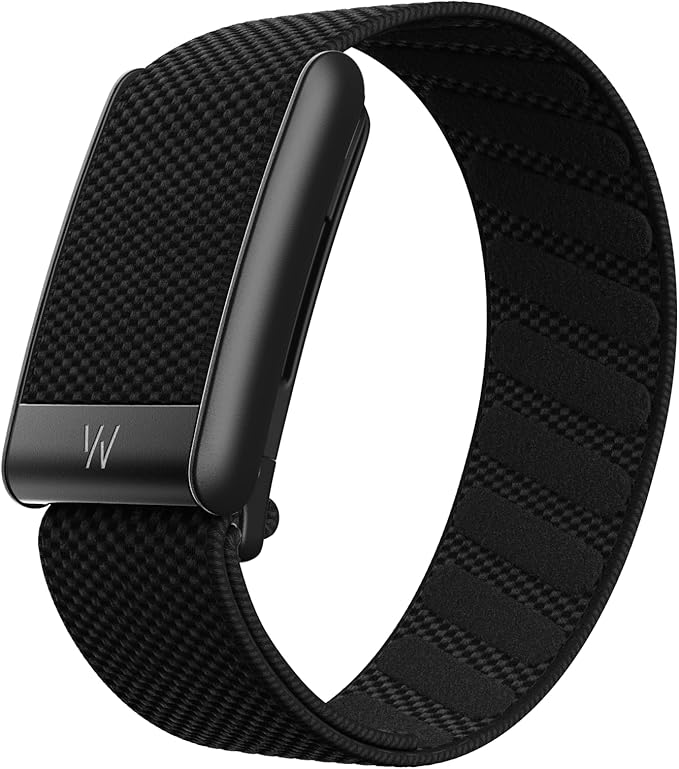
For narcoleptic patients who care more about autonomic data than a ring’s aesthetics, the WHOOP 5.0/MG is the closest thing to a research-grade alternative in 2026. It samples HRV continuously, auto-detects daytime sleep (including the short, irregular naps narcolepsy patients are famous for), and exposes a stress monitor that can be reviewed against your cataplexy tags. It’s screenless — an advantage if you find smartwatches over-stimulating before bed — and the membership includes the journal feature you’ll need to log episodes, sodium oxybate doses, modafinil timing, and emotional triggers. Check the WHOOP 5.0/MG on Amazon.
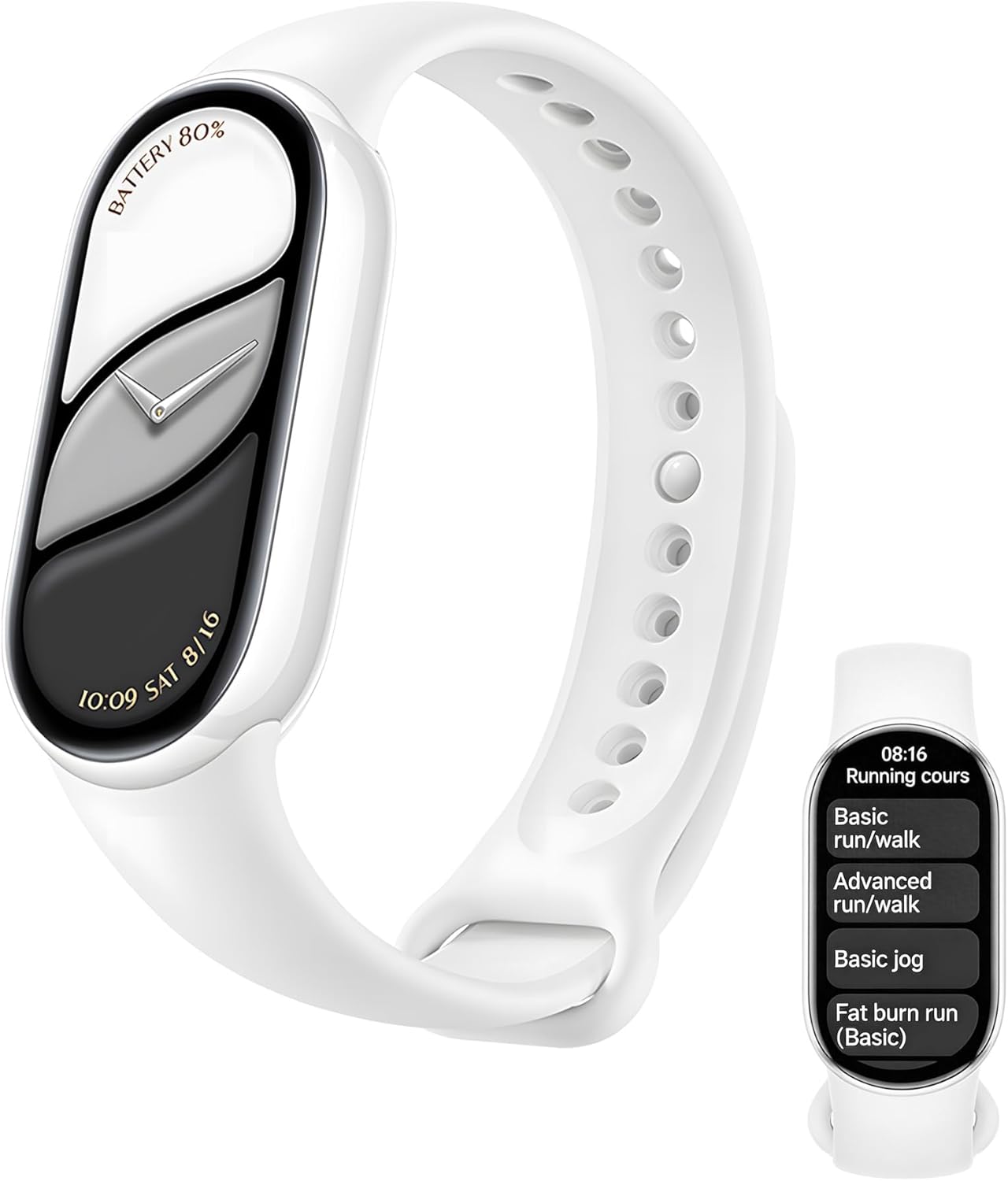
RQZ Smart Ring with Heart Rate & Sleep
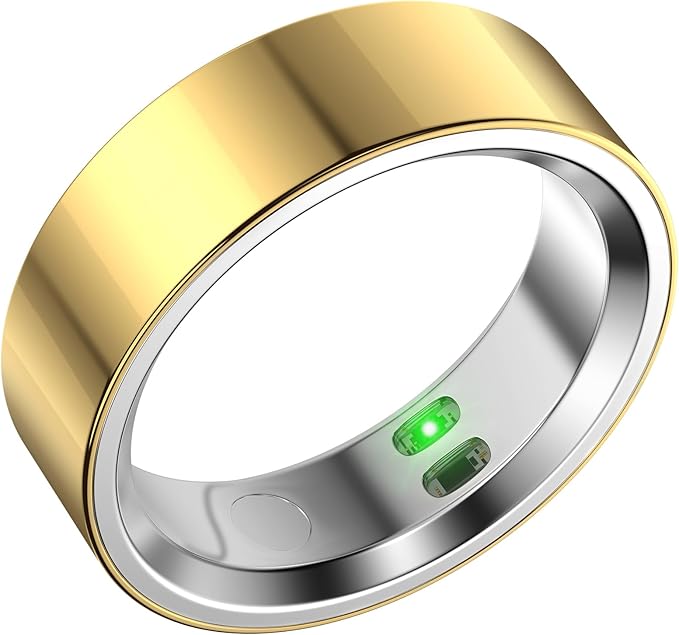
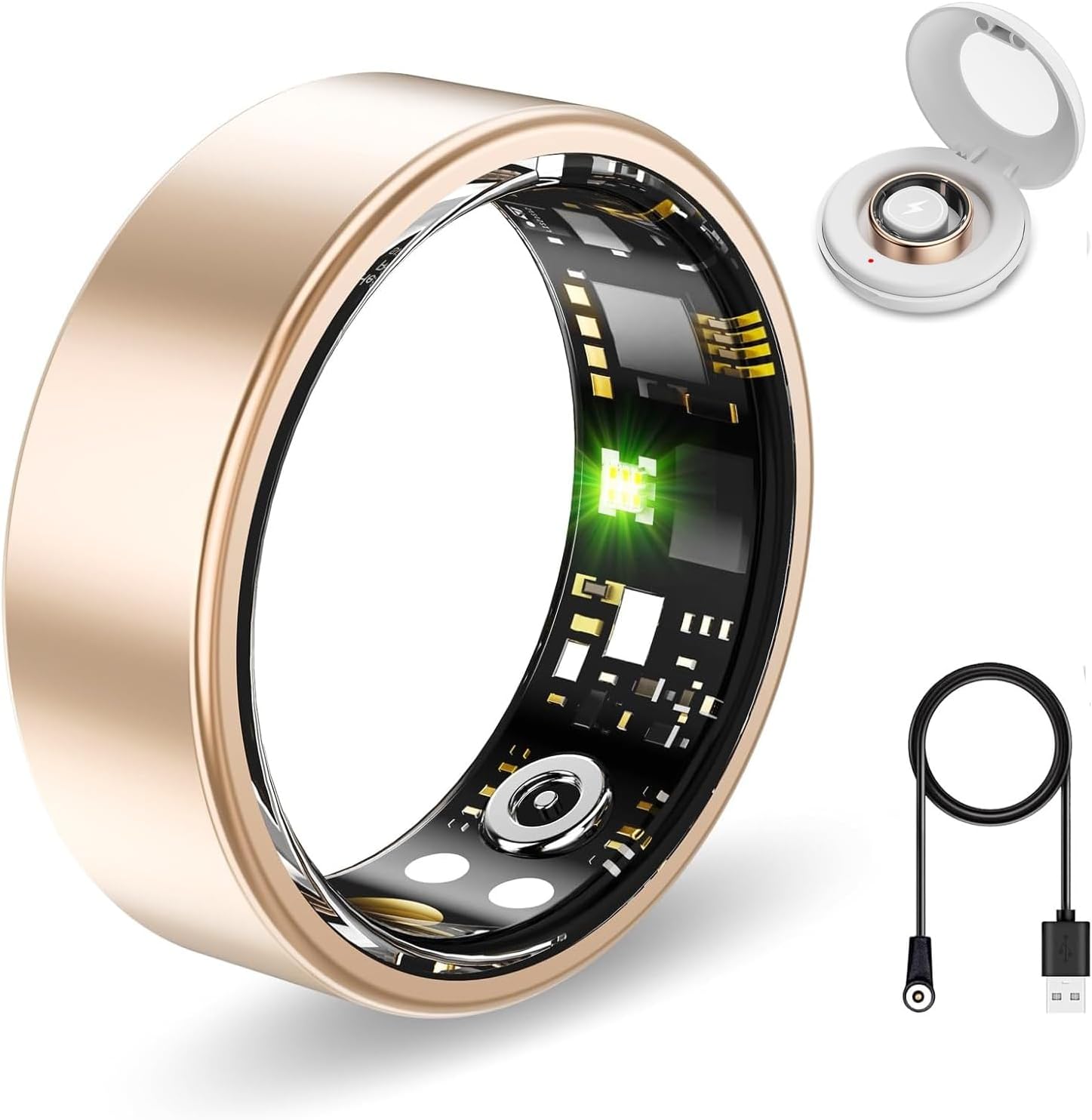
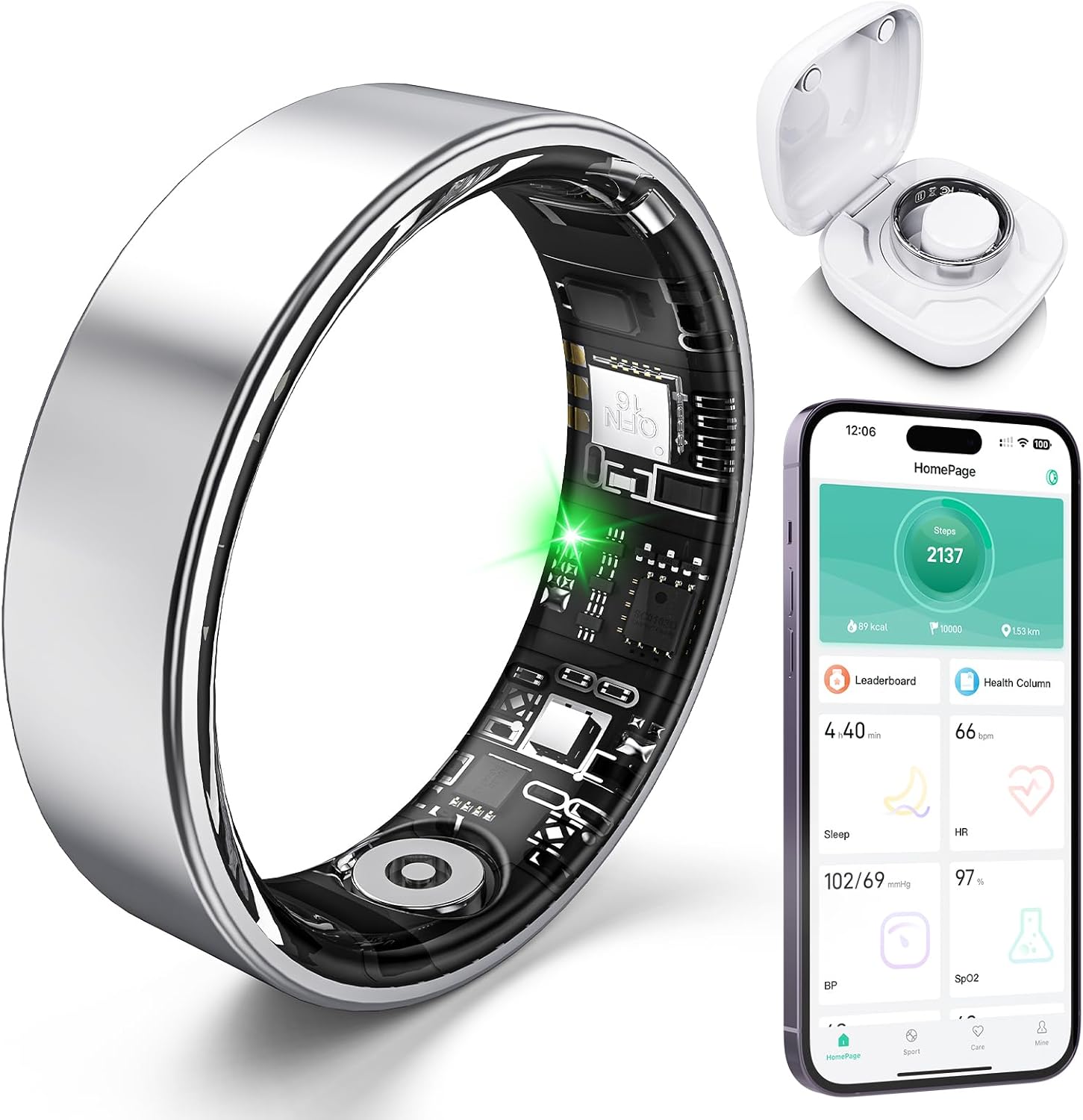
If you want the exact ring form factor of Oura without the subscription, the RQZ Smart Ring is the realistic 2026 alternative on Amazon. It tracks heart rate, basic HRV trends, and sleep stages, and crucially it sits in the same finger-pressure profile as Oura, so people who already know they tolerate a ring overnight will adapt quickly. It will not match Oura’s nap detection precision, but for patients who mostly want a no-wrist, no-screen logging tool to pair with their manual cataplexy diary, it’s a defensible pick. See the RQZ Smart Ring on Amazon.
Fitbit Inspire 3 Health & Fitness Tracker
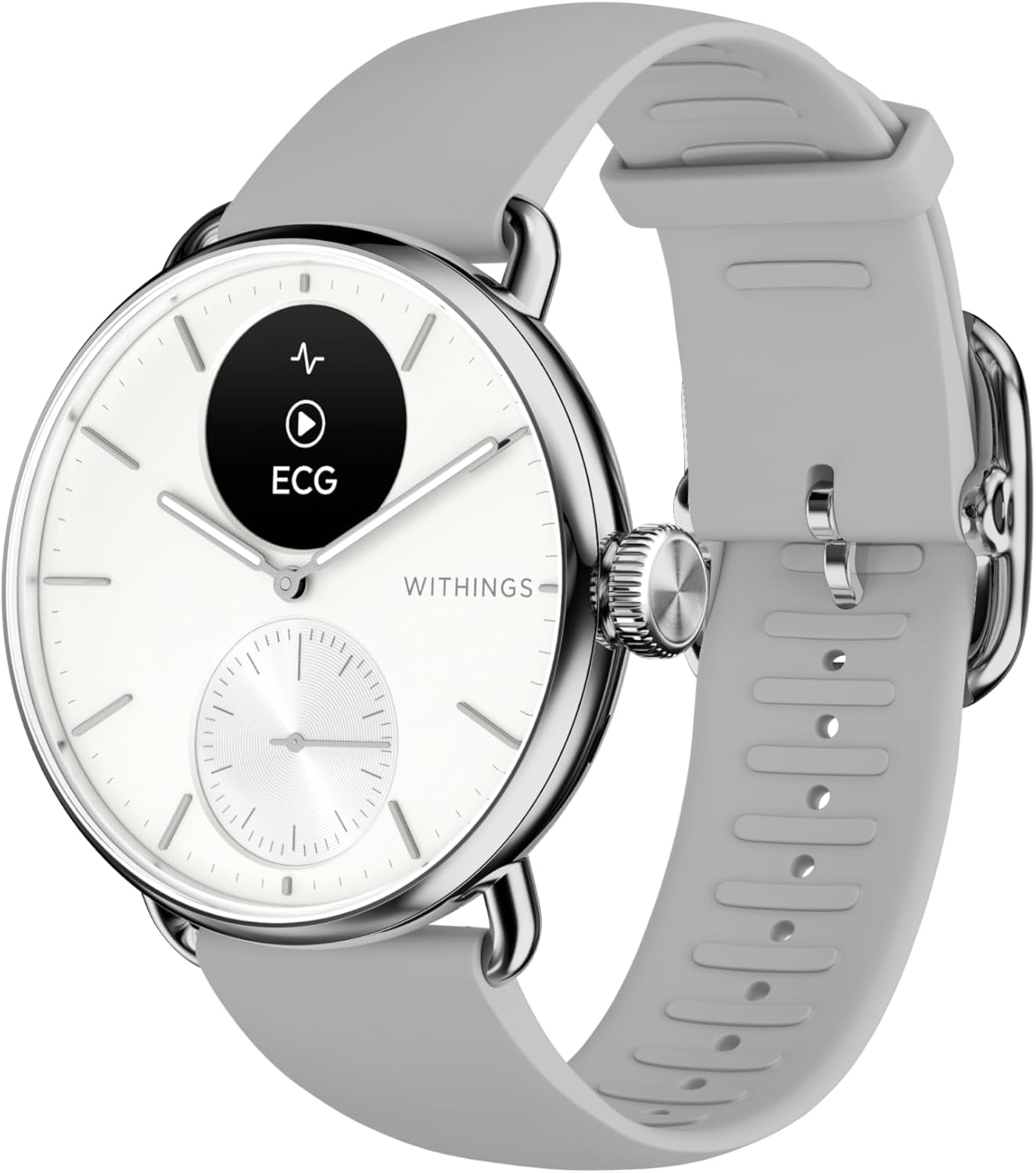
The Inspire 3 is the budget entry point. For narcolepsy patients who are early in diagnosis and don’t yet know how much data they want to commit to, it offers sleep stages, SpO2, resting heart rate, and a small display for episode tagging. It will miss very short sleep attacks (under ~15 minutes), but it captures the major nightly architecture and survives the “will I actually wear this” test better than a heavier smartwatch. View the Fitbit Inspire 3 on Amazon.
Google Fitbit Air Screenless Tracker
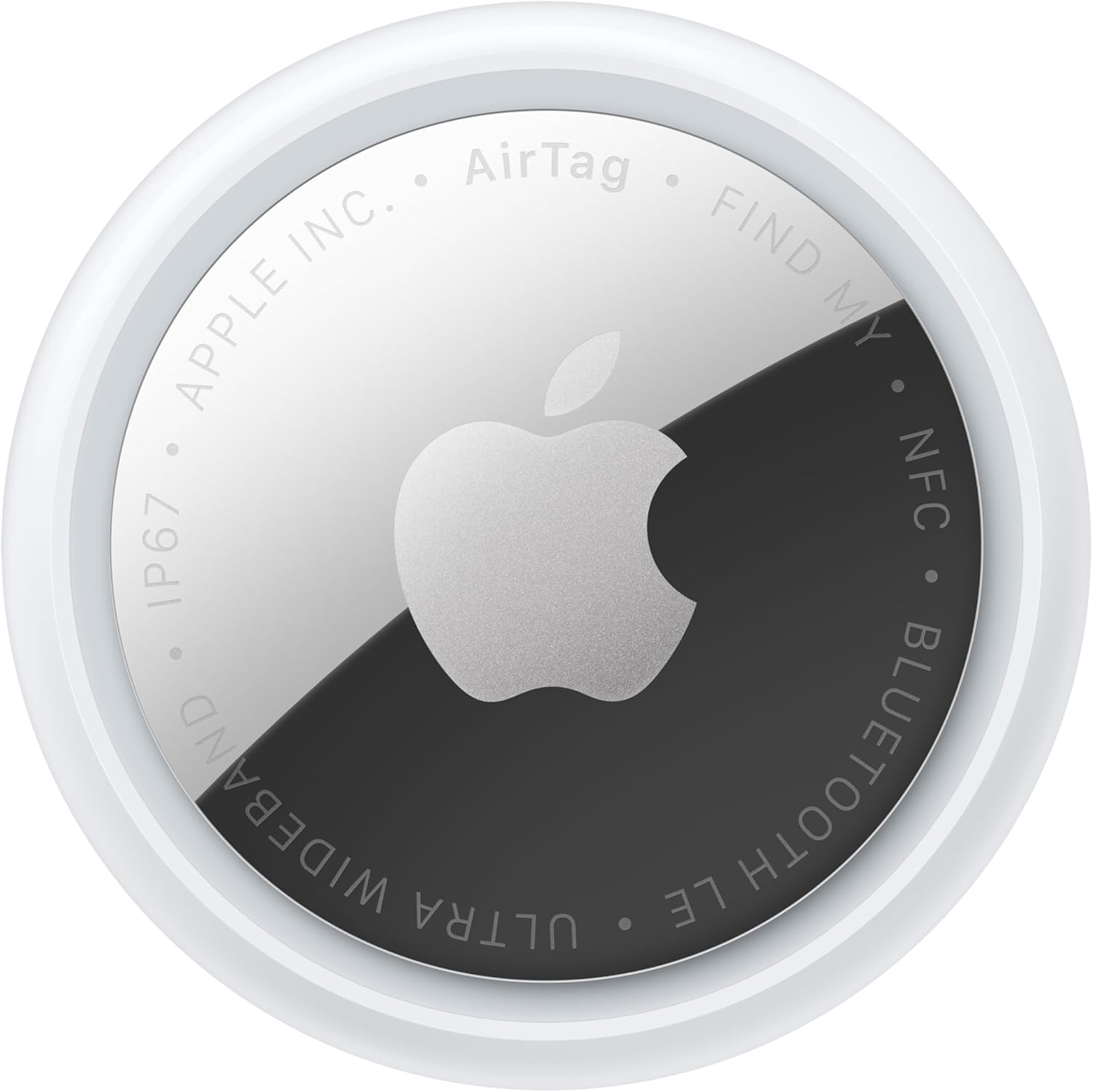
If screens before bed worsen your sleep onset — a known issue for many narcolepsy patients on stimulants — the screenless Fitbit Air is worth considering. It logs activity and sleep without a display tempting you to check notifications, which protects sleep hygiene around your scheduled naps. It’s a complement, not a replacement, for the Oura ring: pair it with a paper cataplexy log and a phone-side app. Find the Fitbit Air on Amazon.
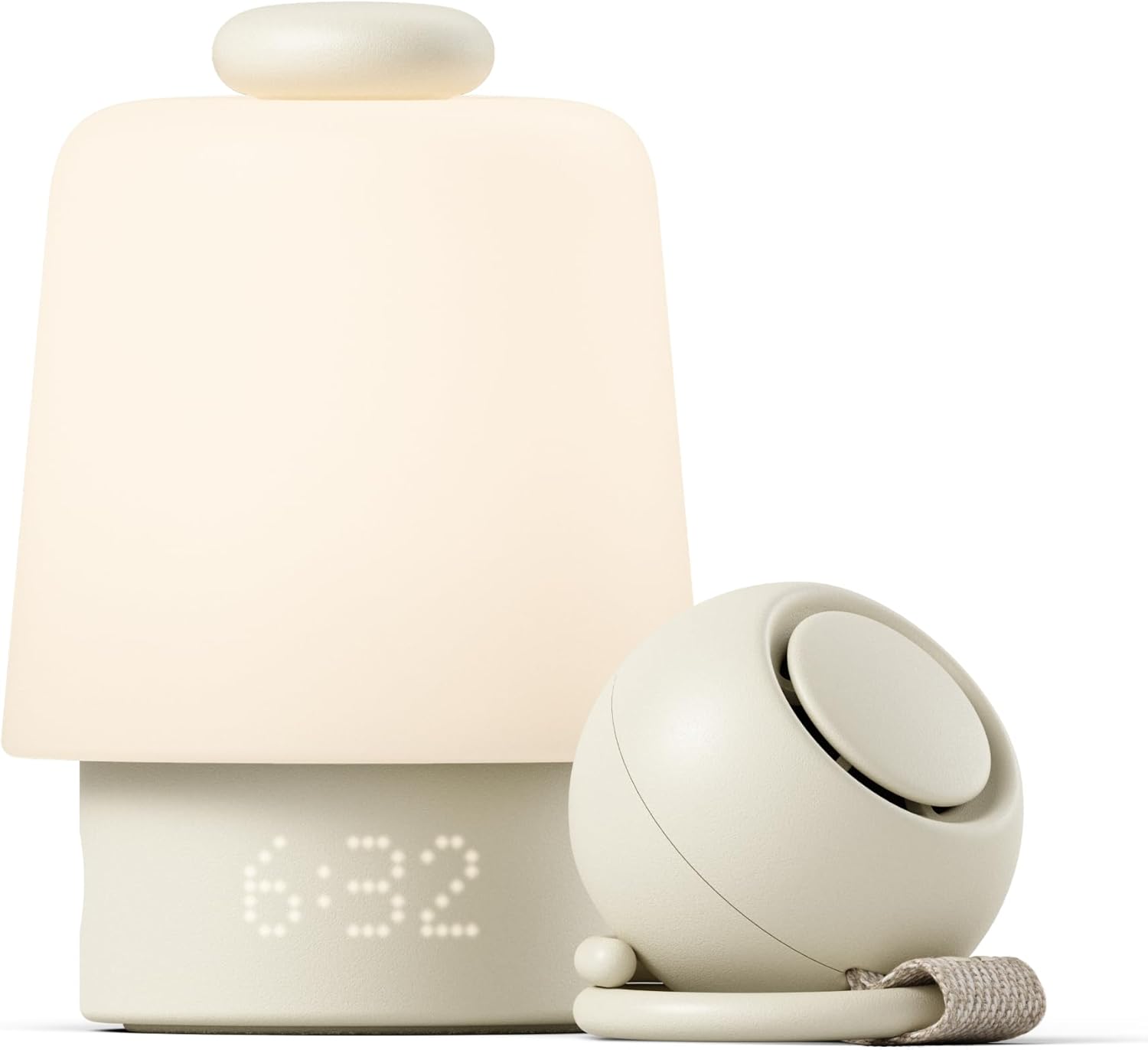
WHOOP 5.0/MG SuperKnit Luxe Performance Band
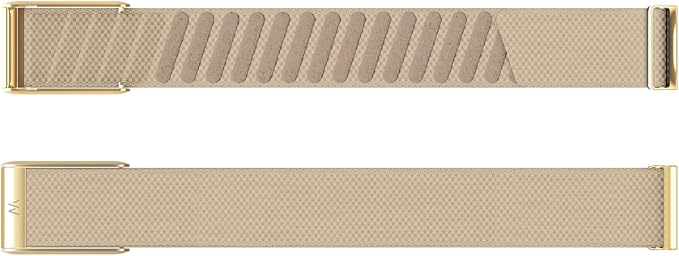
For patients who choose WHOOP and need to wear it 24/7 (which you do, if cataplexy tagging is the point), the SuperKnit Luxe band is the comfort upgrade that makes 18-hour wear practical. Narcolepsy patients frequently nap in unusual postures — on a desk, in a car passenger seat — and a comfortable band materially increases compliance. Browse the WHOOP SuperKnit Luxe band on Amazon.
What to ask your sleep specialist before relying on ring data
Consumer wearables in 2026 still aren’t FDA-cleared for cataplexy diagnosis. Before you bring an Oura Gen 3 timeline or a WHOOP export to your next appointment, ask:
- Which data fields do they actually want? Most sleep neurologists care about HRV trends and nap frequency, not the proprietary “readiness” score.
- Do they prefer CSV exports or screenshots of the tagged timeline?
- How should you correlate medication-timing tags with ring data — relative to dose, or relative to symptom onset?
Patients who want a deeper background on multi-device tracking will find our piece on comparing smart rings for shift workers useful, since shift work and narcolepsy share the same fragmented-sleep modeling problem. For the lifestyle side, see sleep tracking for chronic fatigue.
Frequently Asked Questions
Can the Oura Ring Gen 3 detect a cataplexy episode in real time?
No. Cataplexy is muscle-tone loss with preserved consciousness, and Gen 3 has no EMG or muscle-tone sensor. It can record the surrounding heart-rate and HRV shifts if you manually tag the moment in the Oura app, which is how most patients use it for cataplexy documentation.
How accurate is Oura Ring Gen 3 nap detection for narcolepsy sleep attacks?
For naps longer than roughly 20 minutes, Gen 3 reliably identifies the event and assigns sleep stages. For micro-sleeps and very brief sleep attacks under 10 minutes, it often misses or under-reports them — a known limitation of all consumer wearables in 2026.
Is the Oura Ring Gen 3 or WHOOP 5.0 better for tracking cataplexy triggers?
WHOOP 5.0 provides denser HRV sampling and a built-in stress monitor that pairs well with emotional triggers like laughter or surprise. Oura Gen 3 is more discreet and has better skin-temperature trending. Many patients run both for 30 days, then keep whichever they actually wore.
Will sodium oxybate or modafinil affect what the ring records?
Yes — both medications change HRV, resting heart rate, and sleep architecture. Tag every dose in the app so your specialist can interpret HRV shifts as medication effects rather than disease activity.
Can I use a cheaper smart ring like the RQZ instead of the Oura Gen 3 for cataplexy logging?
For basic heart rate and sleep-stage logging, yes. The RQZ Smart Ring is a reasonable budget alternative if you mostly want timestamped autonomic context for a manual cataplexy diary. For granular HRV and nap detection, Oura Gen 3 or WHOOP 5.0 remain stronger.
Does the Oura Ring Gen 3 help diagnose narcolepsy or is it only for already-diagnosed patients?
It does not diagnose narcolepsy — diagnosis requires polysomnography and an MSLT. The ring is most useful after diagnosis, as an ambient logging tool that captures the data between clinic visits and helps quantify symptom burden over months.
What should I do if my Oura Ring Gen 3 shows abnormal REM during daytime naps?
Short REM latency in naps (SOREMPs) is suggestive of narcolepsy and worth sharing with your sleep neurologist, but the ring is not validated for SOREMP detection. Treat it as a screening hint, not a finding, and confirm with a formal MSLT.
Key Takeaways
- Choosing the right oura ring gen 3 for narcolepsy cataplexy tracking means matching capacity and output ports to your actual devices
- Always check actual watt-hours (Wh), not just watts — runtime depends on Wh, not peak output
- Also covers: oura ring narcolepsy sleep monitoring
- Also covers: track cataplexy episodes with oura ring
- Also covers: oura ring for type 1 narcolepsy patients
- Compare price-per-Wh across models to find the best value for your budget