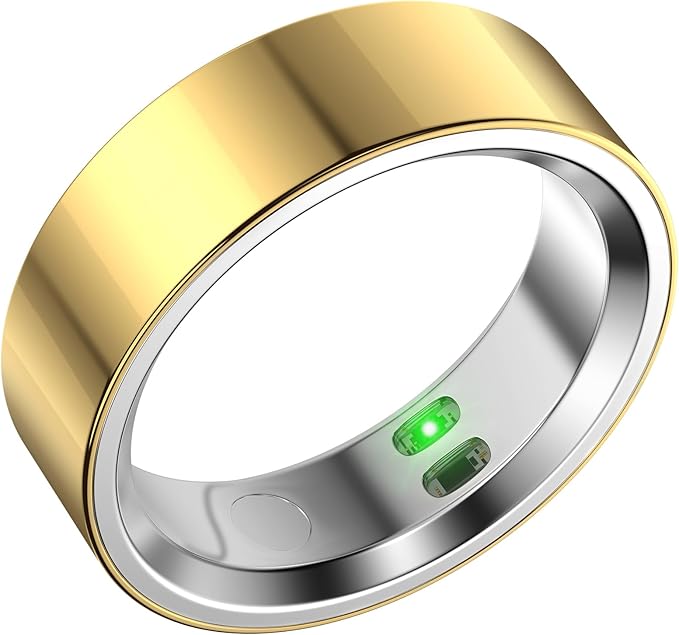
The Oura Ring Gen 3 for perimenopause night sweats has quietly become one of the most useful wearables for women in the hormonal transition because it measures continuous skin temperature deviation, resting heart rate, HRV, and REM/deep sleep disturbances on the same finger you wear to bed. For perimenopausal users, the Gen 3 (with the Oura membership) flags subtle nightly temperature spikes that often correlate with vasomotor episodes, surfaces “Restorative Time” loss after a hot flash, and lets you tag symptoms so patterns emerge across cycles. In 2026, it is still the most clinically referenced consumer ring for this use case, though strong alternatives now exist.
Why the Oura Ring Gen 3 Works So Well for Perimenopausal Night Sweats
Night sweats during perimenopause are driven by a narrowing thermoneutral zone — estrogen fluctuations push the hypothalamic set point, so even tiny core temperature increases trigger a flush-and-sweat cascade at 2–4 a.m. The Oura Ring Gen 3 reads distal skin temperature every minute through the night and reports a daily deviation from your personal baseline. Unlike wrist wearables that sit over a bony surface and pick up ambient cooling, the ring captures arterial blood flow at the finger, which is one of the body’s primary thermoregulatory sites. That sensor placement is the single biggest reason clinicians keep mentioning it for hormonal tracking.
Because the Gen 3 also scores sleep stages and autonomic recovery, you can finally see what the sweat actually cost you — usually 20–45 minutes of REM, a heart-rate floor that never drops, and an HRV that stays suppressed into the following afternoon. Pairing the temperature graph with the Readiness score gives perimenopausal users an objective lens on a symptom that otherwise feels frustratingly invisible.
What to Look For in a Sleep Tracker for Perimenopause in 2026
If you are shopping specifically for vasomotor and sleep-fragmentation tracking during the menopausal transition, prioritize these features:
- Continuous skin temperature with a personalized baseline, not just a single nightly average.
- Sleep-stage detection validated against polysomnography — REM disruption is the single best proxy for “was that a flash?”
- HRV trends across weeks, because perimenopausal autonomic shifts unfold over cycles, not days.
- Symptom and lifestyle tagging (alcohol, spicy food, HRT dose, stress) so the app can build correlations.
- A form factor you will actually wear to bed — finger or low-profile strap, not a bulky watch face.
For broader context on hormonal sleep wearables, see our overview of the best smart rings for women over 40 and our deeper breakdown of how skin-temperature sensors actually work.
Oura Ring Gen 3 vs. the Best 2026 Alternatives
Oura is not the only credible choice anymore. Below is a head-to-head with the trackers most often cross-shopped by perimenopausal buyers in 2026.
| Device | Form Factor | Skin Temperature | Sleep Stages | Best For |
|---|---|---|---|---|
| Oura Ring Gen 3 | Ring | Continuous, personalized baseline | 4-stage + HRV | Night-sweat pattern tracking |
| WHOOP 5.0/MG | Strap | Continuous, with Healthspan metrics | 4-stage + Recovery | Strain & recovery context for HRT users |
| RQZ Smart Ring | Ring | Nightly average | Basic stages | Budget ring with no subscription |
| Fitbit Inspire 3 | Slim band | Nightly deviation | Sleep Score | Simple symptom logging |
| Fitbit Air (Screenless) | Screenless tracker | Nightly deviation | Sleep stages | Distraction-free wear |
Top Picks: Alternatives and Companions to the Oura Ring Gen 3
The Gen 3 is excellent, but the subscription model and ring-only form factor do not work for every perimenopausal user. These are the 2026 alternatives we would put alongside it.
WHOOP 5.0/MG Activity Tracker — Best for HRT Users Who Want Recovery Context
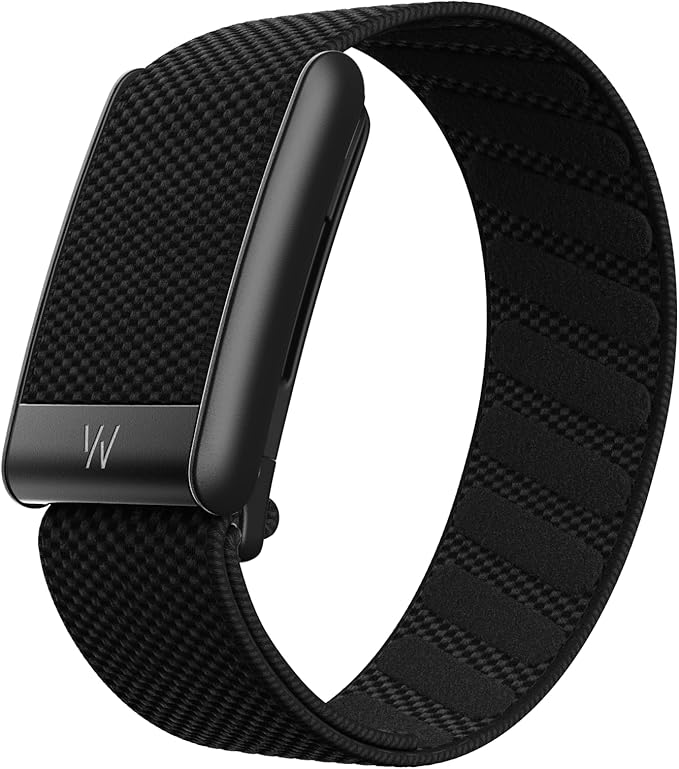
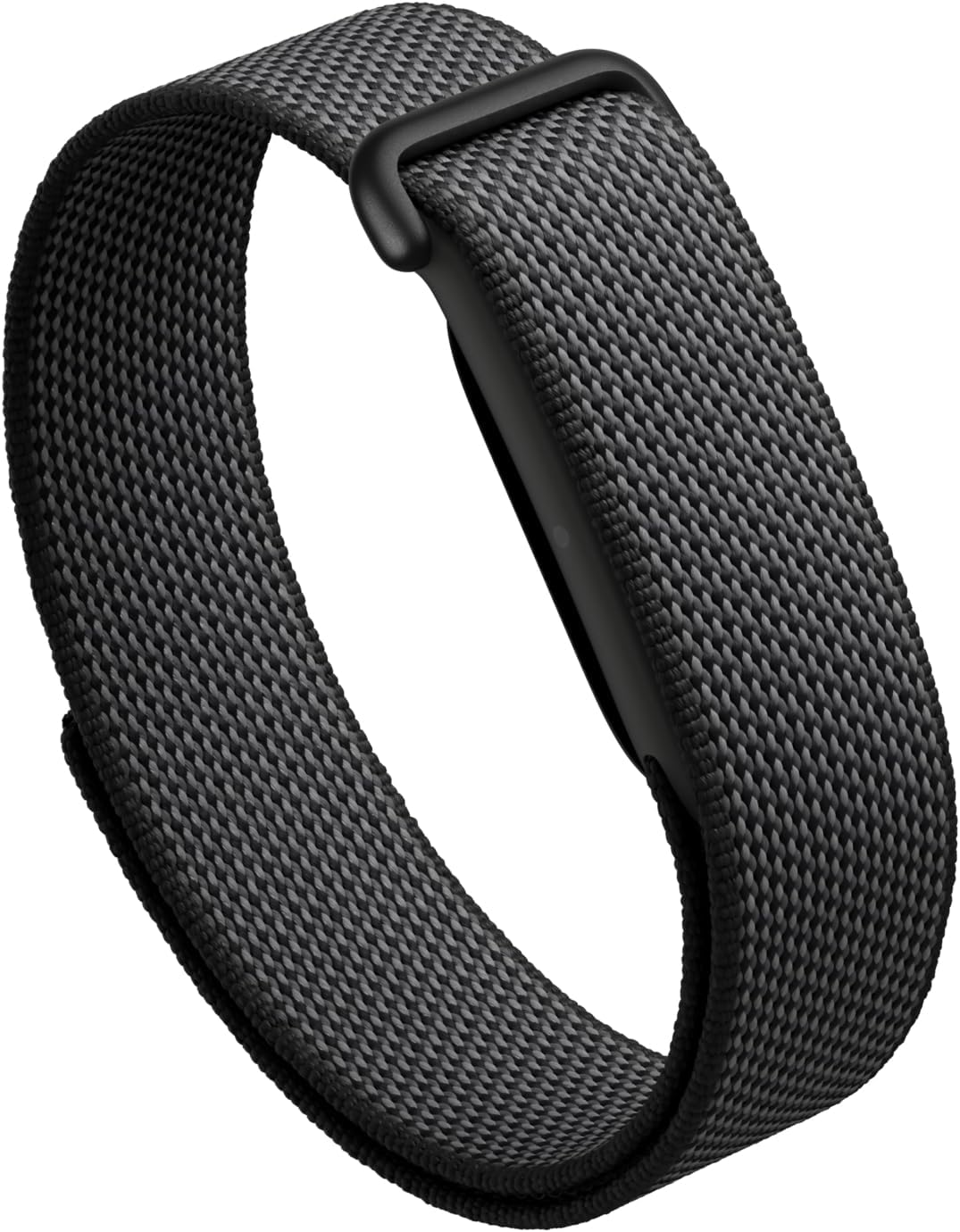
WHOOP’s 5.0/MG generation added the Healthspan and Hormonal Insights features that perimenopausal users have been asking for. The strap continuously reads skin temperature, blood oxygen, and HRV, and the new MG sensor surfaces a daily “Recovery” score that responds quickly to a night sweat event — you will see the next-day score dip by 15–25 points after a bad flash night, which is far more actionable than a raw temperature line. The 12-month membership is included, so unlike Oura you are not stacking two subscriptions to get the menopause-relevant insights. Great pick for users already strength training or starting HRT who want training load layered on top of sleep data. Check the WHOOP 5.0/MG on Amazon.
RQZ Smart Ring — Best Budget Ring Without a Subscription
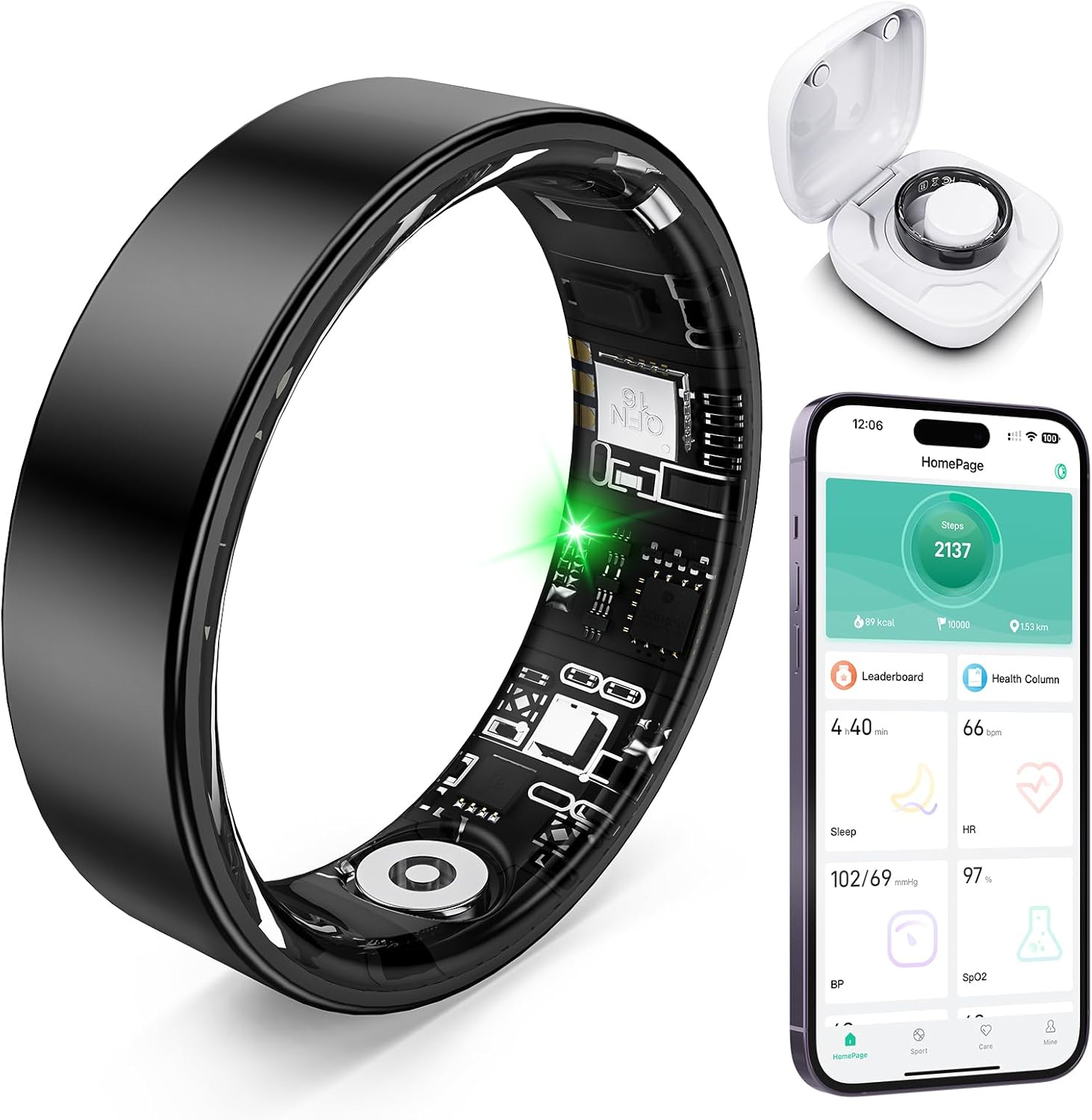
If the Oura Ring Gen 3 for perimenopause night sweats is appealing in concept but the $5.99/month membership is a dealbreaker, the RQZ Smart Ring is the most reasonable 2026 alternative. It tracks heart rate, sleep stages, and a nightly skin-temperature average, and the companion app lets you tag hot-flash events manually. You give up Oura’s minute-by-minute temperature curve and the polished cycle-overlay view, but you keep the discreet finger form factor that perimenopausal users overwhelmingly prefer over wrist devices. Battery life lands around 5–7 days. See the RQZ Smart Ring on Amazon.
Fitbit Inspire 3 — Best Lightweight Wrist Option
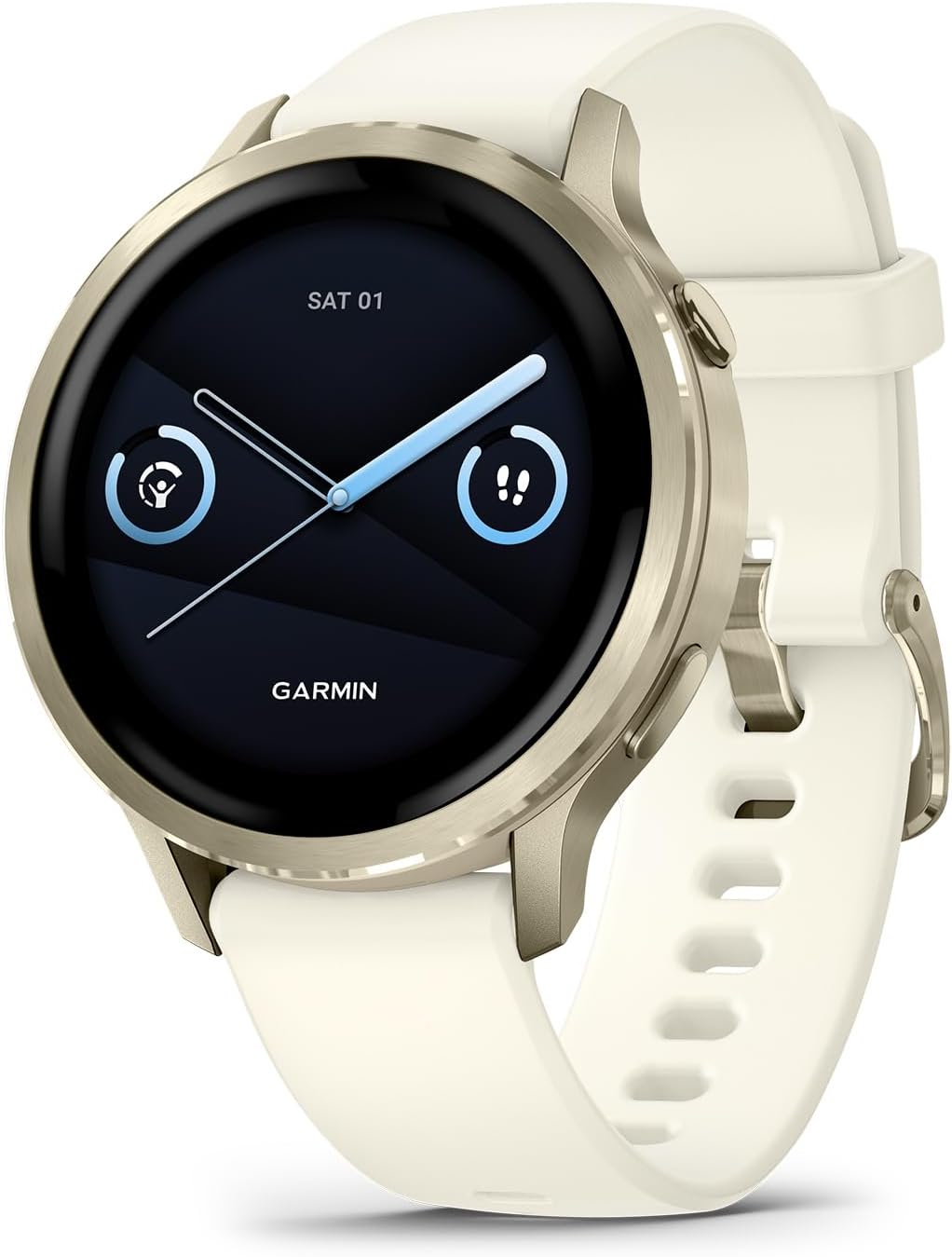
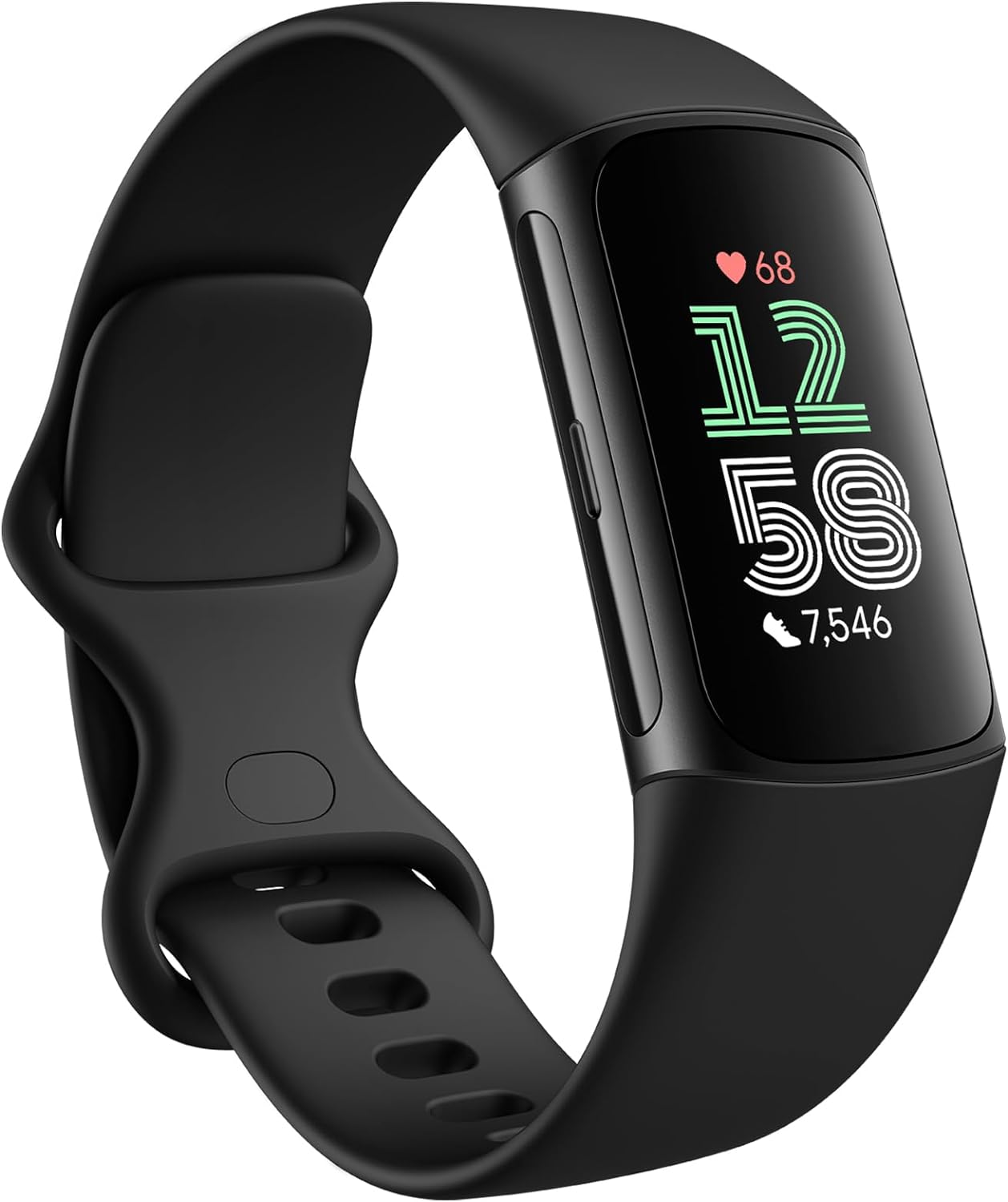
Some perimenopausal users develop finger swelling that makes a rigid ring uncomfortable around ovulation or right before a missed period. The Fitbit Inspire 3 is the cleanest workaround: a featherweight band with a 10-day battery, sleep-stage tracking, nightly skin-temperature variation, and the Fitbit app’s symptom tagging that lets you log hot flashes, mood, and HRT doses on the same timeline. The Daily Readiness score (with Premium) does a respectable job flagging recovery deficits after a sweaty night. View the Fitbit Inspire 3 on Amazon.
Google Fitbit Air — Best Screenless Tracker for Sleep-Anxious Users
One underrated issue for perimenopausal women is that staring at a watch screen at 3 a.m. when you wake up sweating is the fastest way to push yourself into full insomnia. The Google Fitbit Air solves this elegantly — it is a screenless activity and sleep tracker that captures the same sleep-stage and temperature-deviation data, syncing it to your phone in the morning. No glowing display, no notifications, no temptation to check stats mid-flash. For anyone managing both vasomotor symptoms and sleep-onset anxiety, this is the most forgiving form factor on the list. Check the Fitbit Air on Amazon.
WHOOP 5.0/MG SuperKnit Luxe Performance Band — Best Comfort Upgrade
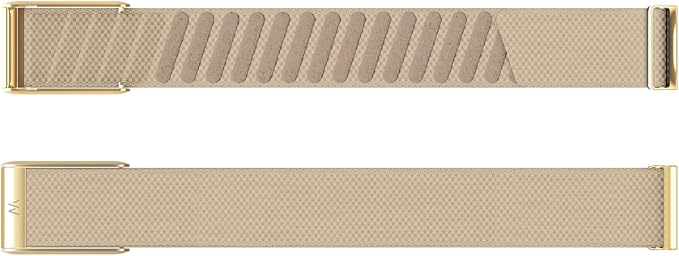
If you go the WHOOP route, the stock band can feel hot against the skin during a night sweat episode — counterproductive when the whole point is monitoring thermoregulation. The SuperKnit Luxe Performance accessory band uses a knit weave that breathes substantially better and dries faster between sweat cycles. It is the single upgrade we recommend for any WHOOP user dealing with hormonal night sweats. See the SuperKnit Luxe band on Amazon.
![Apple Watch Series 11 [GPS 46mm] Smartwatch with Jet Black Aluminum Case with Black Sport Band - M/L. Sleep Score, Fitness...](https://sleeptrackerhq.com/aimg/images/I/6129OfG4gfL._AC_SL1500_.jpg)
How to Use Oura (or Any Tracker) to Actually Reduce Night Sweats
Data alone does not stop a flash — the point of using the Oura Ring Gen 3 for perimenopause night sweats is to find your specific triggers and verify whether interventions work. The protocol we recommend to readers:
- Baseline for 14 nights with no changes. Note your average temperature deviation and REM percentage.
- Tag aggressively: alcohol after 6 p.m., spicy dinners, late workouts, room temperature above 67°F, HRT timing, and stress level.
- Run one-variable experiments for 7 nights each — cooling mattress topper, evening magnesium glycinate, earlier HRT dose, no alcohol.
- Look for the REM recovery, not just the temperature drop. A successful intervention restores REM minutes before it flattens the temperature curve.
For a deeper protocol, see our 14-night perimenopause sleep protocol.
Who Should Skip the Oura Ring Gen 3
The Gen 3 is not the right pick if any of the following apply: you have significant finger-size fluctuation through your cycle (consider Fitbit Inspire 3 or the Fitbit Air instead), you do not want a recurring membership (RQZ Smart Ring is the ring-form alternative), or you are doing serious strength training and want strain data layered on sleep (WHOOP 5.0/MG is the better fit). For everyone else — especially women who want the cleanest, most validated temperature-and-sleep dataset tied to hormonal symptoms — the Oura Ring Gen 3 remains the 2026 default.
![Apple Watch SE 3 [GPS 40mm] Smartwatch with Starlight Aluminum Case with Starlight Sport Band - S/M. Fitness and Sleep Tra...](https://sleeptrackerhq.com/aimg/images/I/61xkvg-RStL._AC_SL1500_.jpg)
Frequently Asked Questions
Can the Oura Ring Gen 3 actually detect a hot flash in real time?
Not in real time — the Gen 3 does not push a notification mid-flash. What it does is log the minute-by-minute skin temperature spike, the heart-rate elevation, and the resulting sleep-stage disruption, so the next morning you can see exactly when the episode happened, how long it lasted, and how much REM you lost. Several users in the perimenopause community correlate these signatures with subjective symptom logs to build a personal pattern map across weeks.
How accurate is the Oura Ring Gen 3 skin temperature for tracking perimenopause symptoms?
Oura’s temperature sensor is accurate to roughly ±0.13°C and is read every minute through the night, then averaged against a 60-day personal baseline. That sensitivity is enough to surface the 0.2–0.5°C nocturnal elevations that typically precede vasomotor episodes. It is not a medical thermometer and Oura does not diagnose perimenopause, but the deviation graph is currently the most granular consumer-grade view of nocturnal thermoregulation.
Is the Oura membership worth it just for night sweat tracking?
If you are using the ring specifically for perimenopause symptom tracking, yes — the membership unlocks the temperature-trend graph, the cycle-overlay view, and the symptom tagging that make the data actionable. Without the membership you only see basic daily scores. WHOOP bundles equivalent features into the device cost, which is why some perimenopausal users prefer it.
Can I wear the Oura Ring Gen 3 with HRT or a hormonal IUD?
Yes — the ring tracks the same biometric signals regardless of whether you are on hormone therapy. Many users actually use it to verify whether an HRT dose adjustment is calming nighttime temperature volatility. Tag your dose changes in the app so the trend view reflects the intervention.
What is the best smart ring for perimenopause if I do not want a subscription?
The RQZ Smart Ring is the strongest 2026 option without a recurring fee. You give up Oura’s minute-resolution temperature curve, but you keep finger-based sleep, heart-rate, and nightly temperature average tracking. For many users with mild-to-moderate symptoms, that is enough to identify trigger patterns.
Does a wrist wearable like Fitbit work as well as Oura for night sweats?
Wrist devices like the Fitbit Inspire 3 and the screenless Fitbit Air read temperature from a less arterial-dense site, so the absolute readings tend to be noisier than ring-based data. They are still useful — particularly if finger swelling makes a ring uncomfortable — and Fitbit’s symptom-logging interface is one of the cleanest on the market for perimenopausal users.
How long should I track before I see a useful perimenopause pattern?
Plan on 6–8 weeks of continuous wear. Hormonal cycles in perimenopause are irregular by definition, so a 14-day window is rarely long enough to separate signal from noise. After two months of tagged data, the correlations between alcohol, room temperature, stress, and nocturnal temperature spikes usually become unmistakable — and that is when the Oura Ring Gen 3 for perimenopause night sweats stops being a gadget and starts being a genuinely useful clinical-grade companion.
Key Takeaways
- Choosing the right Oura Ring Gen 3 for perimenopause night sweats means matching capacity and output ports to your actual devices
- Always check actual watt-hours (Wh), not just watts — runtime depends on Wh, not peak output
- Also covers: Oura Ring menopause tracking
- Also covers: perimenopause temperature tracking ring
- Also covers: Oura Ring hot flash detection
- Compare price-per-Wh across models to find the best value for your budget