If you're a type 1 diabetic researching the oura ring gen 3 for type 1 diabetics overnight glucose patterns, here's the honest answer up front: the ring does not measure blood glucose directly. What it does well is track resting heart rate, heart rate variability (HRV), body temperature, and respiratory rate during sleep — all proxies that frequently shift hours before or during a nocturnal dip. In 2026, many T1D users pair Oura with their Dexcom or Libre CGM to spot the physiological signatures of overnight lows, dawn phenomenon, and post-correction rebound highs. Treat the ring as a pattern-recognition tool, not an alarm.
Why the Oura Ring Gen 3 Appeals to T1D Users
Continuous glucose monitors give you the number. They do not tell you why your body crashed at 3:14 a.m. or why a pizza dinner produced a textbook glucose trace one night and a chaotic one the next. The Oura Ring Gen 3 fills that gap by recording the autonomic and thermal signals that insulin, food, exercise, and stress all push around. When you wake up, you see your nightly trend next to your CGM trace, and the correlations start jumping out.
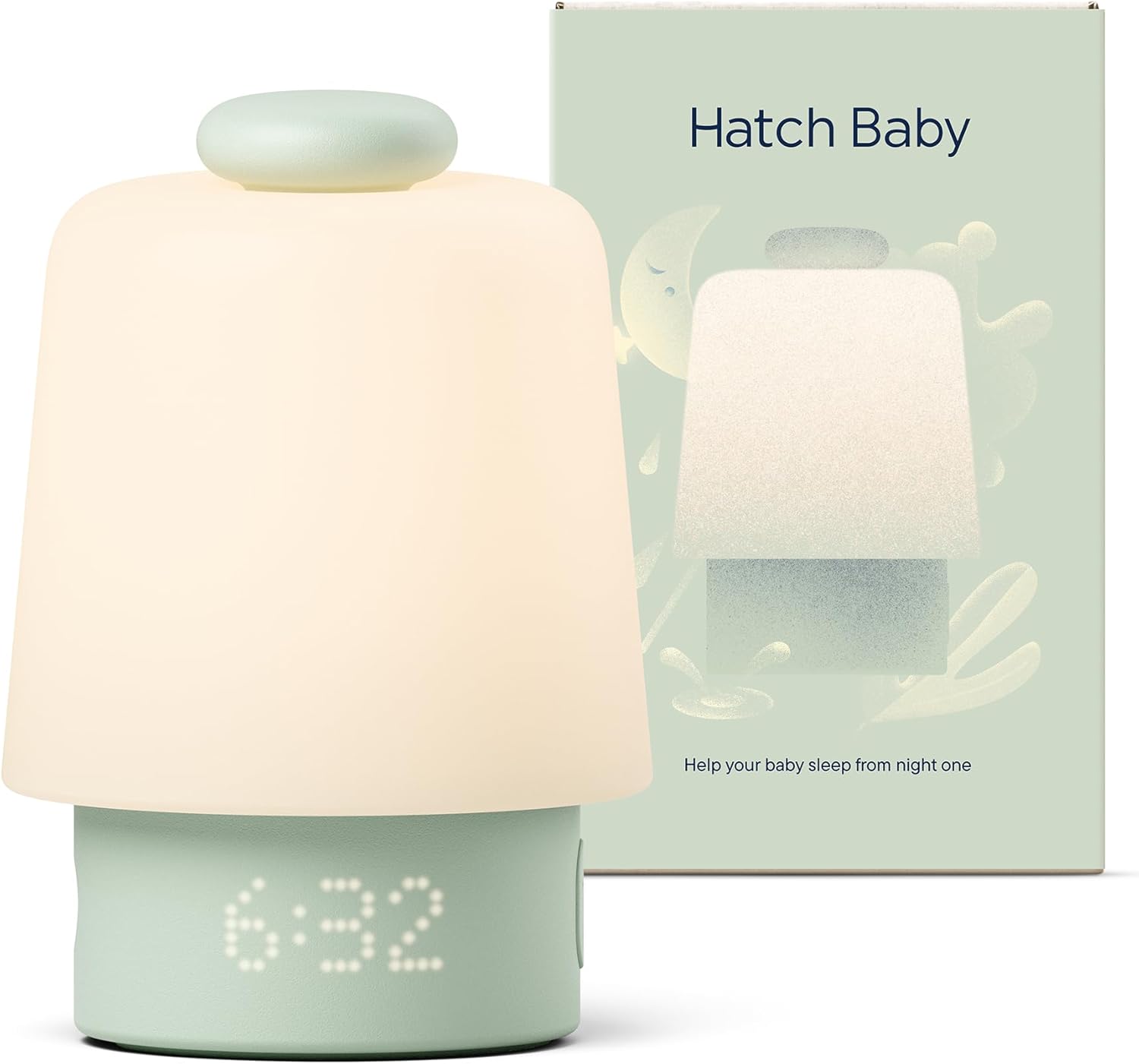
For overnight glucose pattern hunting specifically, three Oura signals matter most:
- Resting heart rate (RHR) curve: A healthy night usually shows a smooth dip in the first half of sleep and a gentle rise before wake. Sustained elevations or a sharp upswing in the early morning hours often coincide with hypo recoveries or rebound highs.
- HRV trend: Suppressed HRV through the night is a fingerprint of physiological stress, including the catecholamine surge that accompanies a hypo your CGM may have only briefly registered.
- Skin temperature deviation: Persistent negative deviations of 0.3°C or more can suggest illness, alcohol, or metabolic stress that frequently disrupts overnight glucose stability.
What the Ring Cannot Do
No consumer wearable in 2026 — not Oura, not Apple Watch, not any smart ring on the market — measures blood glucose non-invasively with clinical accuracy. The optical sensors in rings and watches read pulse waveforms and temperature. Reports of "glucose tracking" from rings are almost always derived predictions based on HRV and heart rate patterns. They do not replace a CGM, and they should never be used to make insulin dosing decisions.
The honest use case for the oura ring gen 3 for type 1 diabetics overnight glucose question is correlation, not detection. You will not get a "you're low" alert from the ring. You will get a morning readout that, viewed alongside your CGM history, helps you understand what your body was doing during a dip — and that, over weeks, is what lets you adjust basal rates, bedtime snacks, and exercise timing with more confidence.
Top Wearables to Pair With or Consider Alongside Oura
The Oura Ring Gen 3 is excellent for sleep and recovery, but it is not the only credible option for T1D users who want overnight biometric context. Some users prefer a wrist tracker because of the screen, others want a second ring as a backup if Oura is charging, and some want a much cheaper entry point before committing to a subscription device. The wearables below are the ones most often discussed in T1D communities as either pairing devices or alternatives.
| Device | Form Factor | Sleep Staging | HRV Tracking | Subscription | Best For |
|---|---|---|---|---|---|
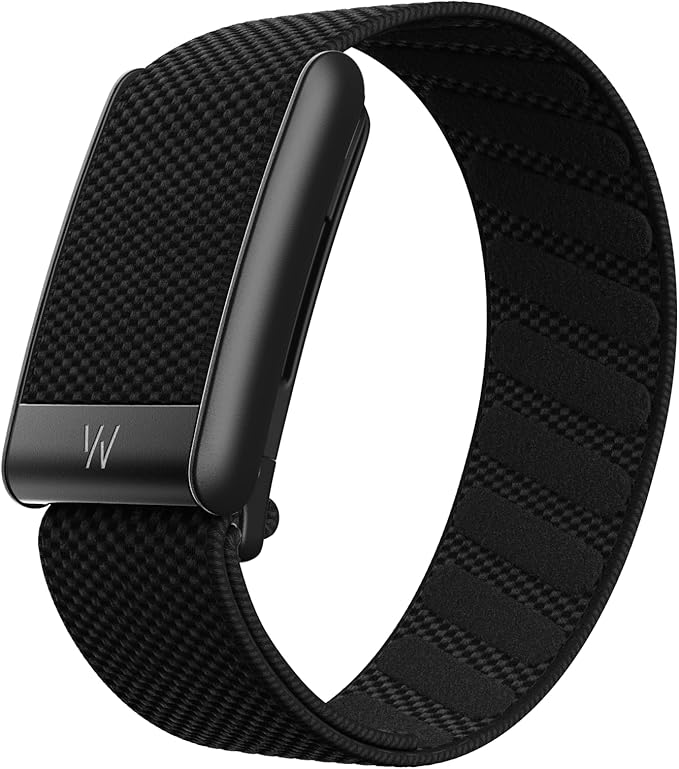
| WHOOP 5.0/MG | Wrist band | Yes (detailed) | Yes (overnight) | Required | Recovery analytics |
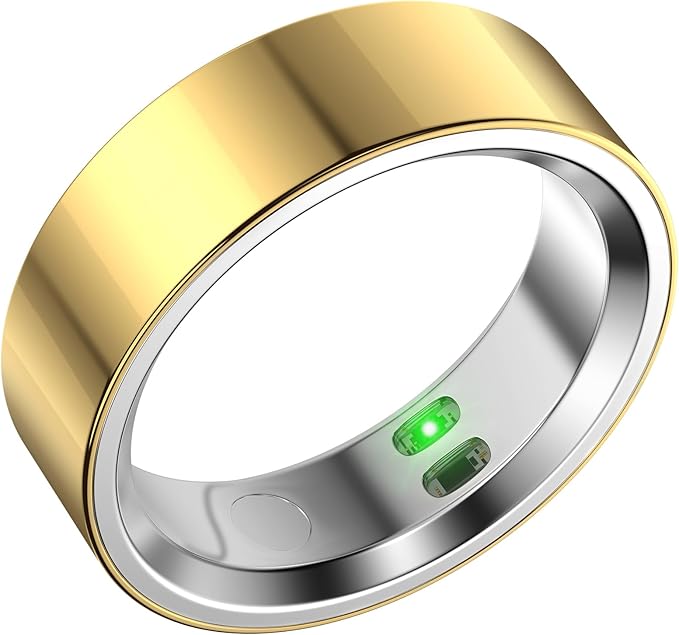
| RQZ Smart Ring | Ring | Yes | Yes | None | Oura alternative on a budget |
| Fitbit Inspire 3 | Wrist band | Yes | Limited | Optional Premium | Beginner-friendly screen |
| Fitbit Air | Screenless | Yes | Limited | Optional | Minimalist 24/7 wear |
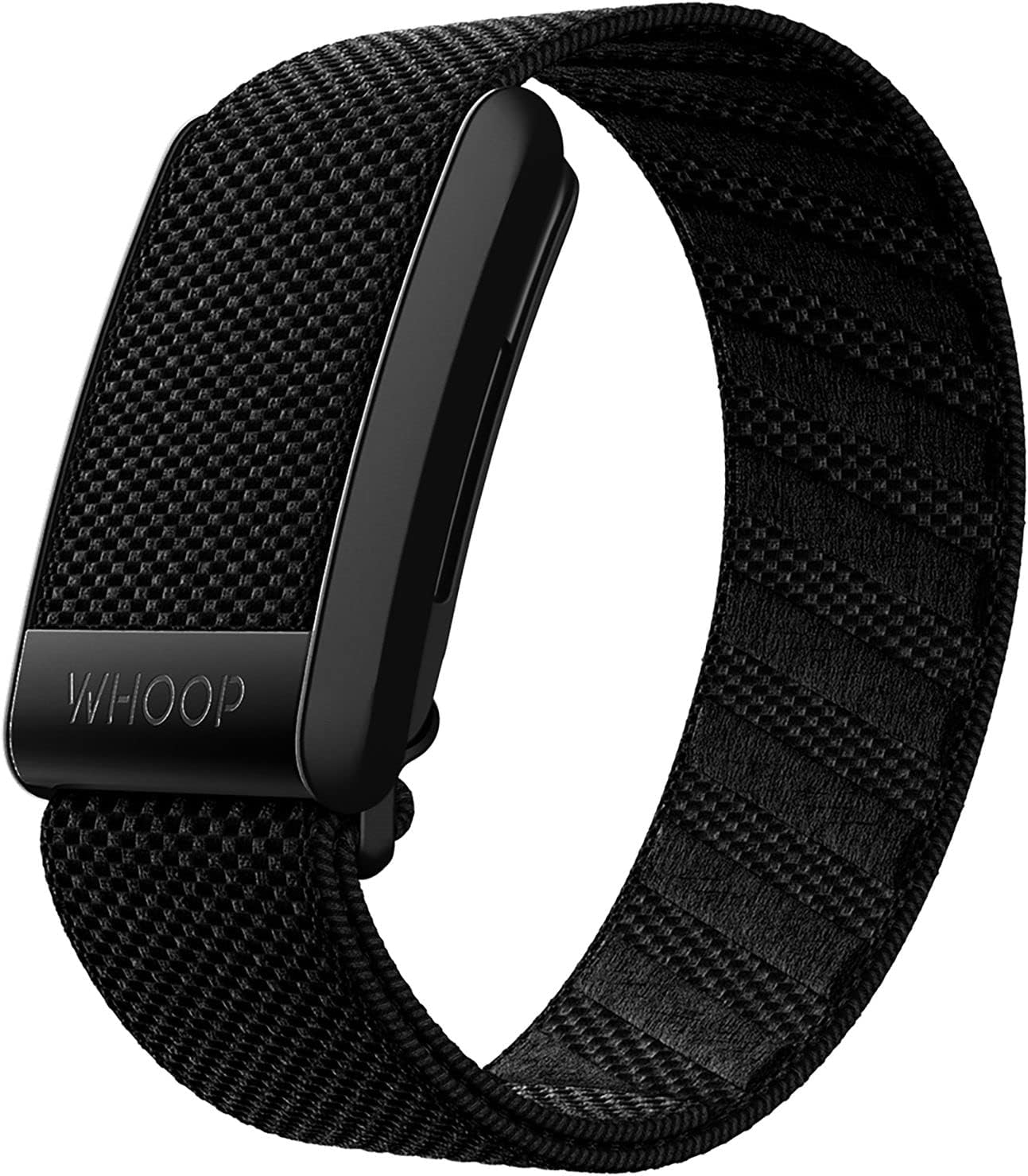
WHOOP 5.0/MG Activity Tracker, 12-Month Membership
WHOOP is the device most frequently mentioned in the same breath as Oura by T1D users who want serious overnight recovery analytics. The 5.0/MG iteration tracks HRV minute-by-minute, sleep stages, respiratory rate, and skin temperature, and its Strain and Recovery scores give you a fast morning readout you can correlate with your CGM. The included 12-month membership removes subscription friction during the first year. For nights when you suspect a stealth low or a stress-driven rebound, the WHOOP recovery breakdown is one of the most readable in the category. Check the WHOOP 5.0/MG on Amazon.
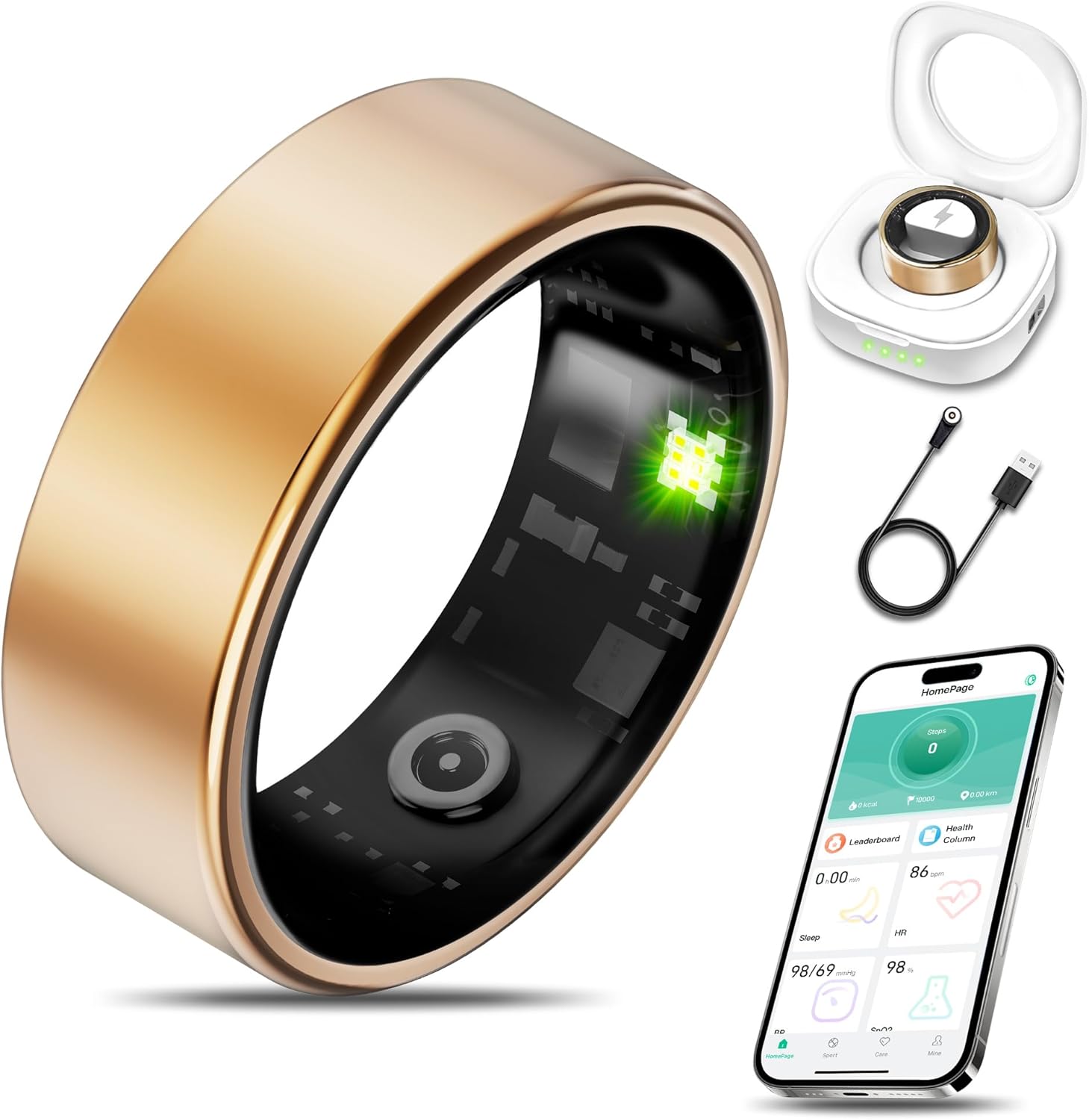
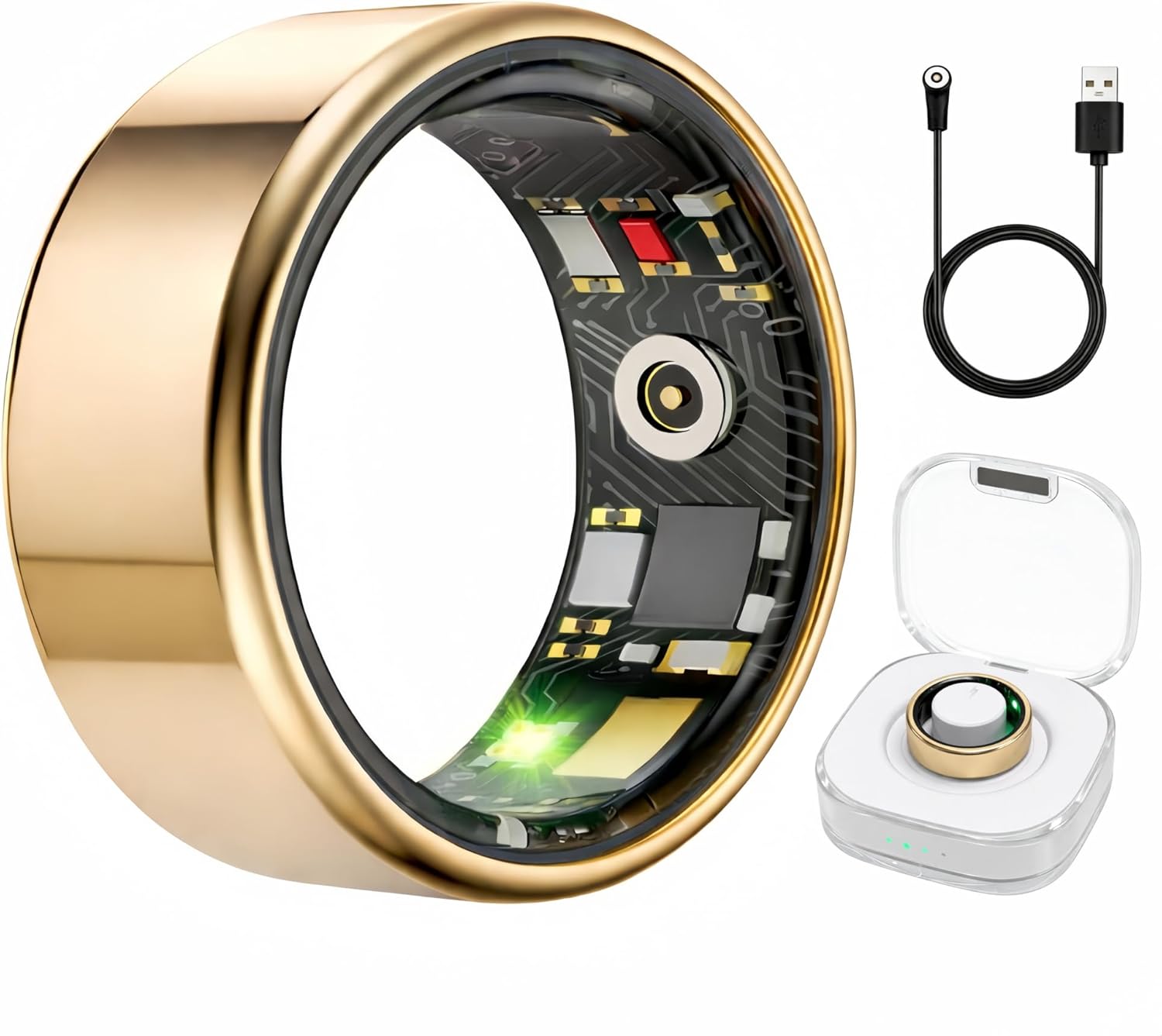
RQZ Smart Ring, Fitness Tracker with Heart Rate & Sleep
If you like the ring form factor but balk at Oura's monthly subscription, the RQZ Smart Ring is a no-subscription alternative that still captures heart rate, sleep stages, and HRV. It is not as polished as Oura on the app side, but for T1D users who simply want a second overnight HR/HRV stream sitting next to their CGM trace, it is one of the cheapest ways to get one. Several T1D community members wear it on the opposite hand from a CGM applicator to reduce sensor interference. View the RQZ Smart Ring on Amazon.
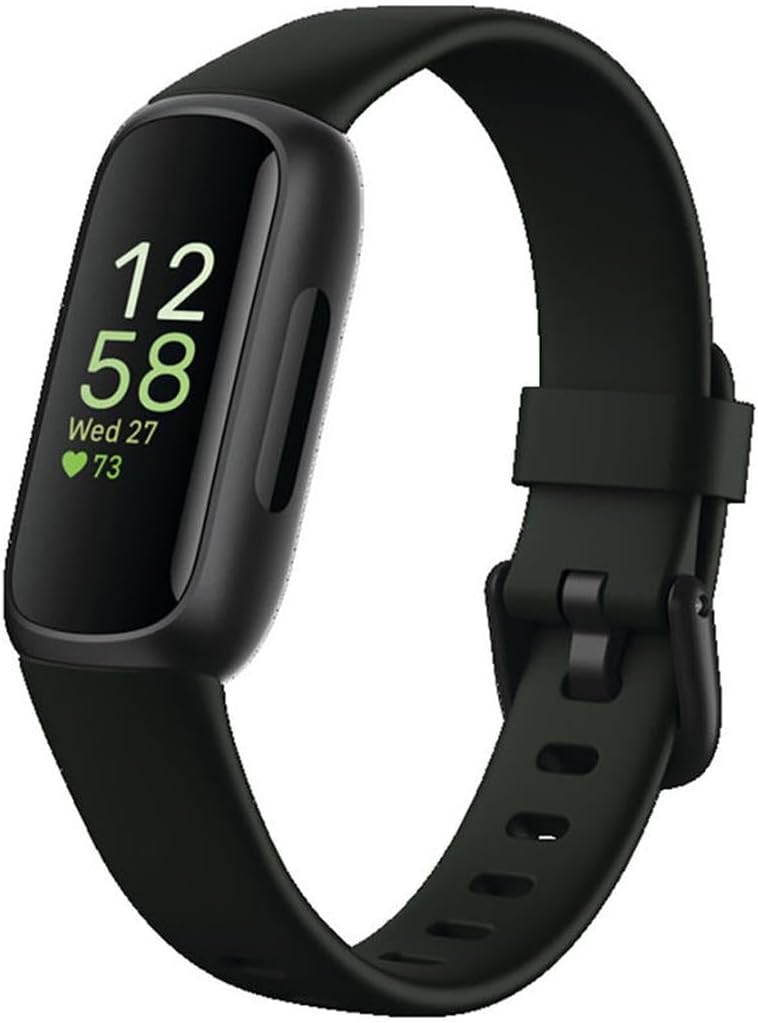
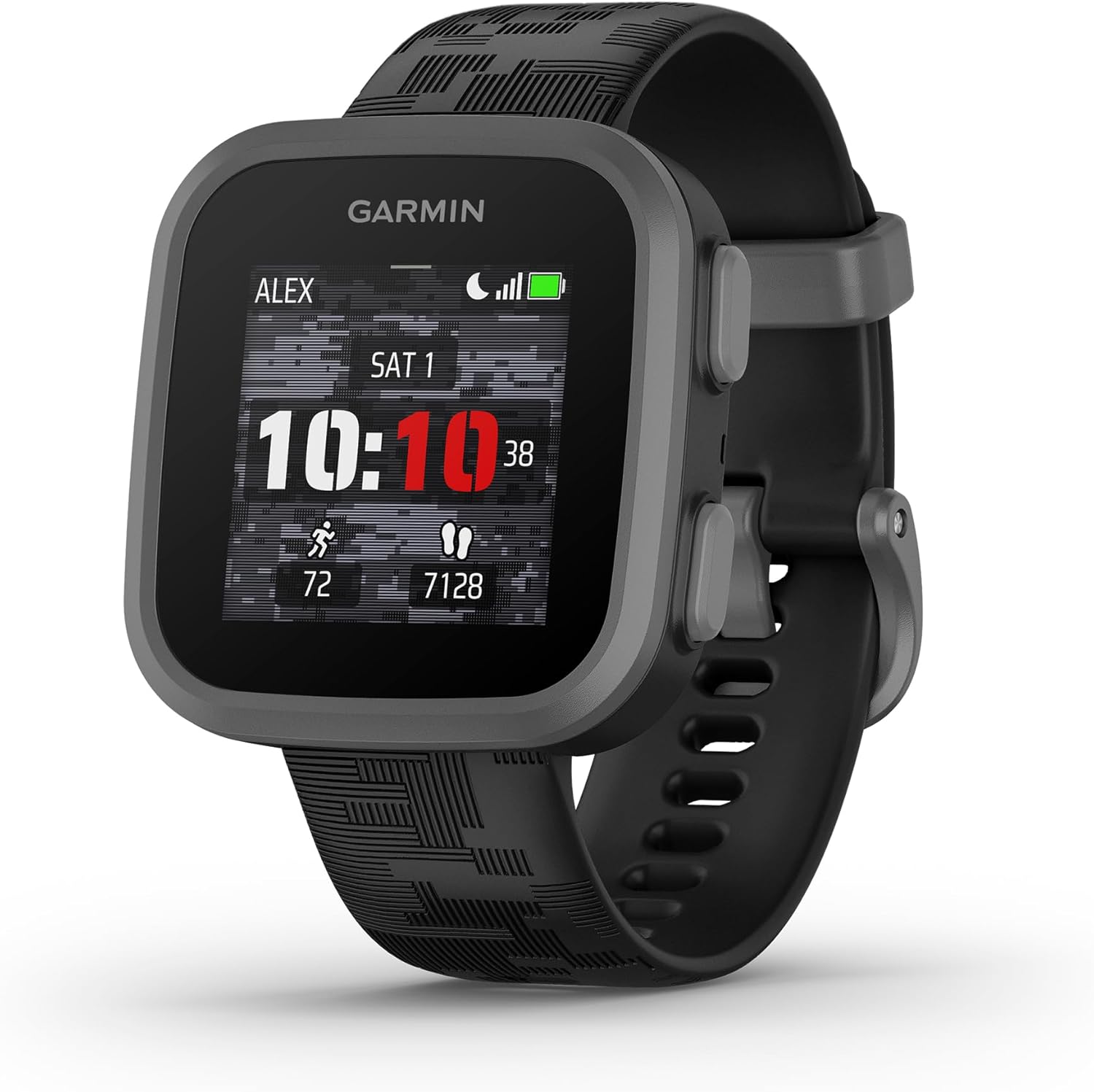
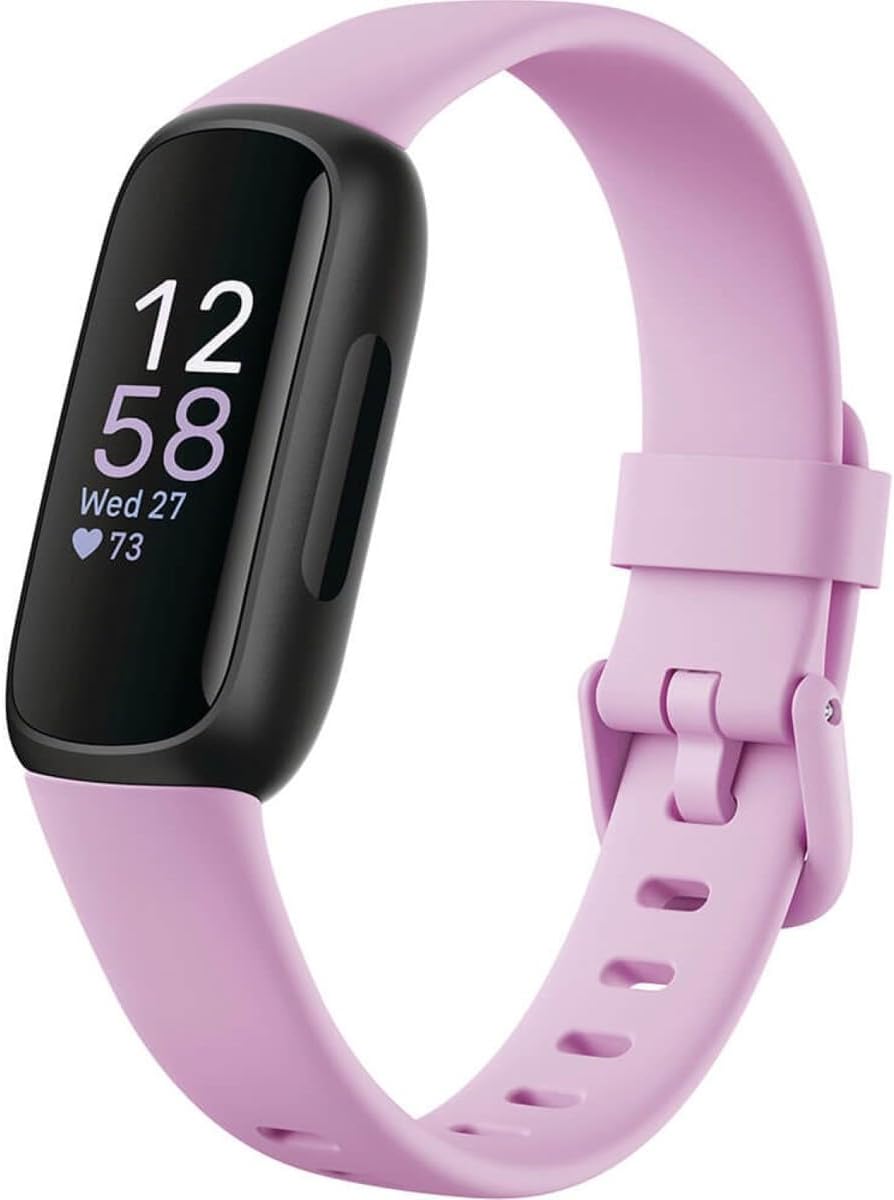
Fitbit Inspire 3 Health & Fitness Tracker with Sleep
For a wrist-based option with a small screen and long battery, the Fitbit Inspire 3 hits a sweet spot. It tracks sleep stages, resting heart rate, and SpO2, and its Sleep Score is one of the easiest to read in the under-$100 tier. The Inspire 3 is not as deep on HRV as Oura or WHOOP, but for a teenager or newly diagnosed adult who just wants to start logging overnight patterns alongside a CGM, it is a low-friction first device. See the Fitbit Inspire 3 on Amazon.
Google Fitbit Air Screenless Activity & Sleep Tracker
The Fitbit Air strips out the screen entirely, which makes it the most discreet option here. T1D users who already wear a Dexcom on one arm and an insulin pump infusion set on the other often appreciate the minimalism — fewer devices competing for skin real estate. It still records continuous heart rate and sleep, syncing data into the Fitbit app where you can lay it next to your CGM export. Browse the Fitbit Air on Amazon.
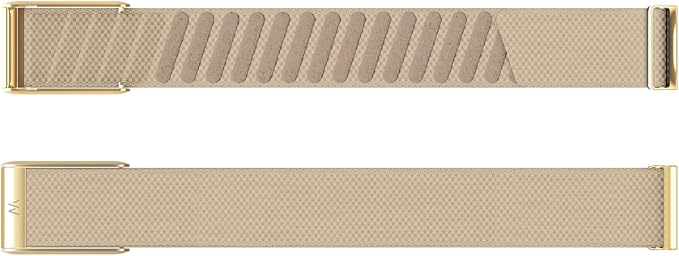
WHOOP 5.0/MG SuperKnit Luxe Performance Accessory
If you go the WHOOP route, the SuperKnit Luxe band is worth knowing about. The standard band is fine, but T1D users who sleep on their wrist often report fewer pressure marks and better overnight sensor contact with the Luxe knit — and better contact means cleaner HRV data, which is the whole point of wearing it to bed in the first place. Check the SuperKnit Luxe band on Amazon.
How to Actually Use Oura Data to Spot Overnight Dips
The workflow that most consistently works for T1D Oura users in 2026 looks like this:
- Export your CGM data weekly. Dexcom Clarity and LibreView both let you pull CSVs in a few clicks.
- Overlay Oura's nightly RHR and HRV curves. Even a basic spreadsheet works. Mark every night you saw a CGM dip below 70 mg/dL.
- Look for the fingerprint. Most dip nights show an RHR rise of 5–10 bpm above your trailing 30-day average between 2 a.m. and 5 a.m., and an HRV that stays well below baseline.
- Build the personal heuristic. After 2–3 weeks you'll have your own "this is what a hypo night looks like" pattern, even though Oura itself never made the connection.
For more depth on combining ring data with CGM exports, see our guide to sleep trackers for diabetics and our breakdown of HRV monitors for blood sugar patterns.
Limitations T1D Users Should Know Before Buying
Three caveats keep coming up in T1D communities:
- Lag. Oura's overnight metrics are summarized in the morning. They are not real-time. If you need an alarm for nocturnal hypoglycemia, your CGM (and possibly a closed-loop pump) is the only safe answer.
- Subscription. Gen 3 requires an active membership for full insights. Factor that into the total cost of ownership over two or three years.
- Sensor placement. Some Dexcom G7 users report transient signal issues when the ring sits on the same arm as a recently applied sensor. Wear on the opposite hand to be safe.
Setup Tips for Catching Overnight Glucose Dips
A few small choices materially improve how useful your Oura data will be:
- Wear the ring on your non-dominant hand to reduce motion noise during sleep.
- Calibrate your baseline by wearing it for at least 14 nights before drawing conclusions.
- Tag illness, alcohol, and late workouts in the app — all three muddy the overnight signal.
- Check the temperature deviation chart weekly. Sustained deviations are one of the earliest indicators of metabolic disruption.
- If you're stacking devices, place the ring and a wrist tracker on opposite sides of the body for cleaner independent data streams.
Want to compare the ring form factor head-to-head? Our roundup of the best smart rings for sleep tracking in 2026 covers Oura, RQZ, and the newer entrants in detail.
Frequently Asked Questions
Can the Oura Ring Gen 3 detect a nocturnal hypoglycemia event in real time?
No. The ring summarizes your night the next morning and is not designed as an alarm system. For real-time low-glucose alerts, rely on your CGM and, if you have one, your closed-loop insulin pump. The ring's value is post-hoc pattern recognition, not detection.
Does the oura ring gen 3 for type 1 diabetics overnight glucose tracking actually work without a CGM?
Not really. The ring's signals correlate with glucose stress, but without a CGM trace to anchor those correlations to, you have nothing to validate them against. T1D users get value when they pair the ring with Dexcom or Libre data, not when they try to use it standalone.
Is Oura Ring Gen 4 better than Gen 3 for diabetic users?
Gen 4 brought sensor and battery refinements, but the underlying metrics most relevant to T1D pattern tracking — RHR, HRV, and temperature — behave similarly between generations. Gen 3 remains a solid value buy in 2026 if you can still find it new or refurbished.
What's the best smart ring alternative to Oura for diabetics on a budget?
The RQZ Smart Ring is the most commonly recommended subscription-free alternative. It will not match Oura's app polish, but it captures the core heart rate and sleep data that matters most for overnight pattern review.
Will the Oura Ring interfere with my Dexcom G7 sensor?
Most users report no interference when the ring is worn on the opposite arm from the sensor. If you wear them on the same arm, you may occasionally see brief signal drops during the first 24 hours after sensor insertion, when the sensor is still warming up.
Can I use WHOOP instead of Oura to monitor overnight glucose patterns?
Yes. WHOOP's overnight HRV and recovery breakdown is, by some users' accounts, easier to correlate with CGM data than Oura's because of the more granular HRV display. The trade-off is the wrist form factor and a required subscription. For users who prioritize analytics depth, WHOOP is the top alternative.
How long does it take to spot a personal overnight glucose pattern with Oura?
Plan on at least 14 nights of baseline data plus another 2–3 weeks of CGM overlay before patterns stabilize. T1D bodies vary widely, and the ring's value comes from your personal baseline, not from population-level averages or generic sleep scores.
Key Takeaways
- Choosing the right oura ring gen 3 for type 1 diabetics overnight glucose means matching capacity and output ports to your actual devices
- Always check actual watt-hours (Wh), not just watts — runtime depends on Wh, not peak output
- Also covers: oura ring diabetic sleep tracking
- Also covers: oura ring nocturnal hypoglycemia detection
- Also covers: type 1 diabetes sleep tracker ring
- Compare price-per-Wh across models to find the best value for your budget