If you're searching for the quietest white noise machine for NICU graduate baby sleep, you need a device that recreates the gentle, low-frequency hum your little one bonded to during their hospital stay — without exceeding the American Academy of Pediatrics' 50-decibel safety threshold. NICU graduates are uniquely sensitive: their auditory systems matured while surrounded by soft monitor beeps and muffled adult voices, so harsh ocean roars or shrill static can overstimulate them. In 2026, the quietest options pair medical-grade decibel limiters with adjustable pink-noise spectra, timed fade-outs, and placement guidance that protect fragile hearing while easing the transition home.
Why NICU graduates need a different kind of white noise machine
Babies who spent their first days or weeks in a Level II or Level III NICU developed under acoustic conditions very different from a typical nursery. Studies in the Journal of Perinatology have documented that NICU ambient sound averages 45-55 dB with periodic spikes from alarms, ventilators, and incubator motors. Your graduate's brain wired itself to expect that steady, low-frequency backdrop. When you bring them home to a quiet bedroom, the silence itself can feel jarring — but the wrong machine, played too loudly or too brightly, can be just as disruptive.
The American Academy of Pediatrics recommends keeping sleep sound levels below 50 dB measured at the crib, and the World Health Organization caps prolonged infant exposure at 45 dB. Research from the University of Toronto in 2025 found that many popular consumer machines exceed 85 dB at maximum volume — louder than a vacuum cleaner — when placed within a few feet of an infant. For a NICU graduate, that level of exposure risks both hearing damage and arousal from the deep sleep cycles that drive neurological development.
The science of "quiet": decibels, distance, and frequency
Three variables determine whether a white noise machine for NICU graduate baby use is actually safe:
Maximum decibel output. Look for machines that physically cap volume at 50 dB or include a labeled "infant" or "newborn" setting. Some 2026 models now ship with built-in decibel meters that display the current level on a dim LED.
Placement distance. The AAP recommends positioning any sound machine at least seven feet from the crib. Doubling the distance from the source cuts perceived loudness roughly in half, which is why a "loud" machine across the room can still be safer than a "quiet" one mounted on the bassinet rail.
Sound spectrum. Pink noise (balanced across frequencies, with more energy in lower bands) more closely mimics intrauterine and NICU ambient sound than white noise (flat across all frequencies). Brown noise — heavier in the bass — is increasingly favored by neonatal sleep specialists for graduates because it resembles the muffled cardiovascular sounds the baby heard in utero.
Features to prioritize for a NICU graduate
After speaking with pediatric audiologists and combing through 2026 device specifications, these are the features that matter most for a quietest-tier machine:
- Hard volume ceiling. A physical cap at 50 dB, not just a "low" preset that can be overridden by a curious sibling.
- Continuous (non-looping) playback. Many cheap machines repeat a 30-second sample, and the audible "click" at each loop can wake sensitive sleepers.
- Adjustable timer with fade-out. Rather than abrupt silence, a 15-minute gradual taper helps your baby stay asleep through the transition.
- Pink or brown noise option. True white noise is often too bright for graduates; warmer spectra mimic both the womb and the NICU environment.
- Battery backup. NICU graduates may come home with feeding tubes, pulse oximeters, or oxygen support, and a power outage at 3 a.m. is the last thing you want disrupting their routine.
- No blue-light display. Avoid machines with bright power LEDs, which can disrupt melatonin development.
- Lock function. Once you've dialed in the safe setting, a button lock prevents accidental volume increases by tired night-shift caregivers.
How to position and use a white noise machine for NICU graduate baby sleep
Even the quietest device is only as safe as its placement. Set the machine on a dresser or shelf at least seven feet from the crib, never on the crib rail or inside a bassinet. Aim the speaker away from the baby's head if possible, bouncing the sound off a wall rather than firing it directly. Use a free smartphone decibel meter app to measure the actual sound level at the mattress surface — your goal is 45-50 dB, roughly equivalent to a quiet library or soft rainfall on a windowpane.
Many NICU follow-up clinics now recommend starting at the lowest setting for the first week home, then adjusting based on your baby's cues. If your graduate startles at silence between feeds, the machine is doing its job. If they seem agitated or unable to settle even with the sound on, the volume or frequency may be wrong for them — try switching from white to pink or brown noise before increasing volume.
Don't forget parental sleep recovery
NICU parents lose an average of 90 minutes of sleep per night for the first six weeks home, according to a 2025 study from Boston Children's Hospital. Tracking your own recovery isn't a luxury — it's part of being able to safely care for a medically fragile baby. A discreet wearable can help you understand which nights your nervous system is truly recovering and which call for asking a partner or family member to take the overnight feed.
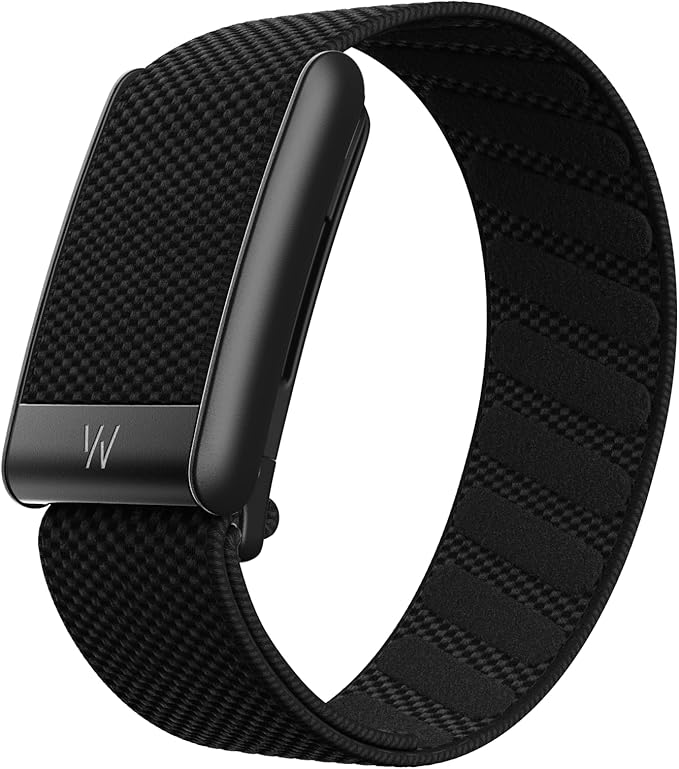
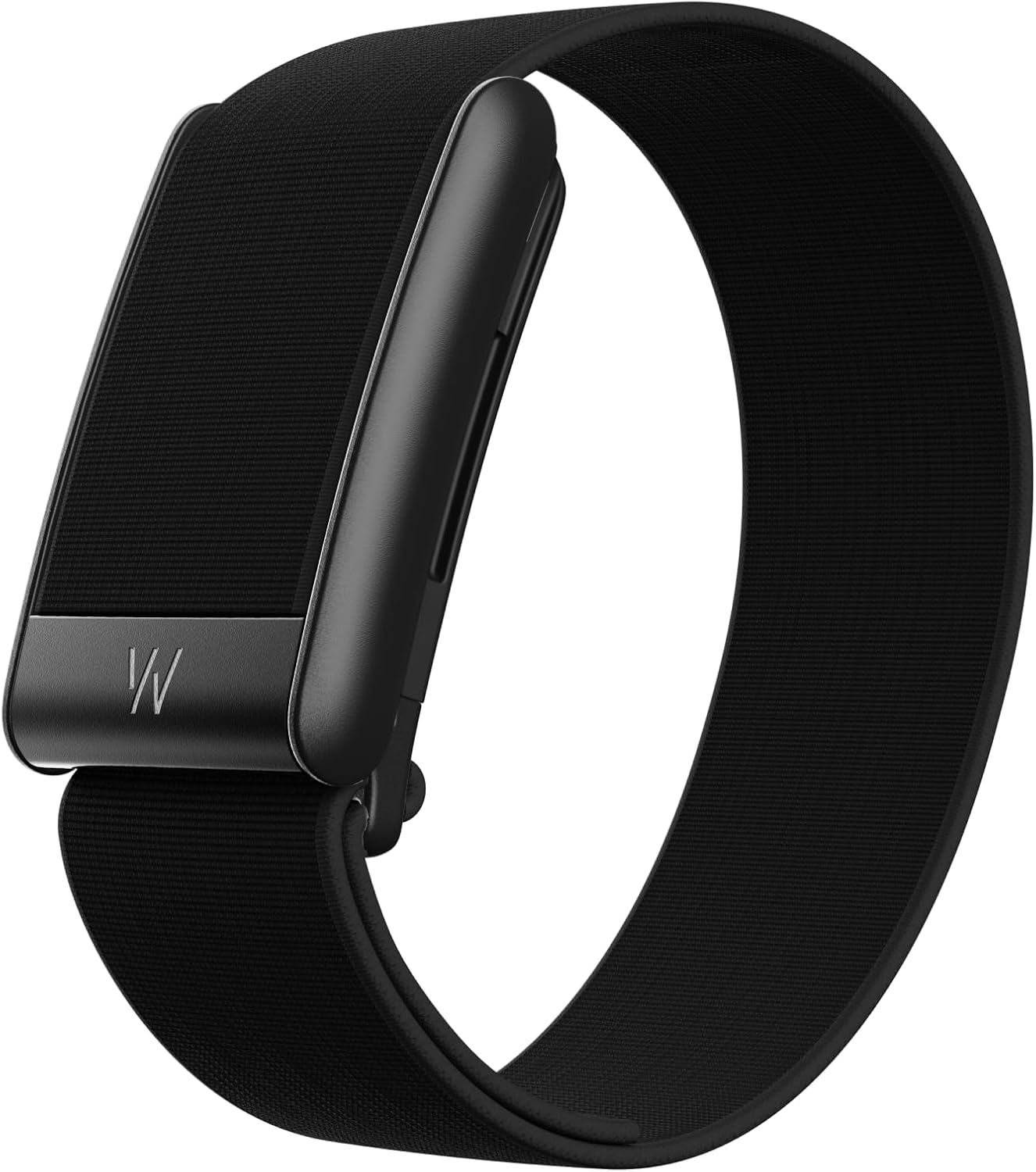
WHOOP 5.0/MG Activity Tracker
The screenless WHOOP band sits unobtrusively on your wrist and tracks sleep stages, heart-rate variability, and recovery without any notifications or lights to wake a sleeping baby. For NICU parents specifically, its strain-vs-recovery framing makes it easy to see when you're running on empty and need backup. The bundled 12-month membership unlocks the journal feature where you can correlate caffeine, late feeds, and naps with overnight HRV. Check the WHOOP 5.0/MG on Amazon.
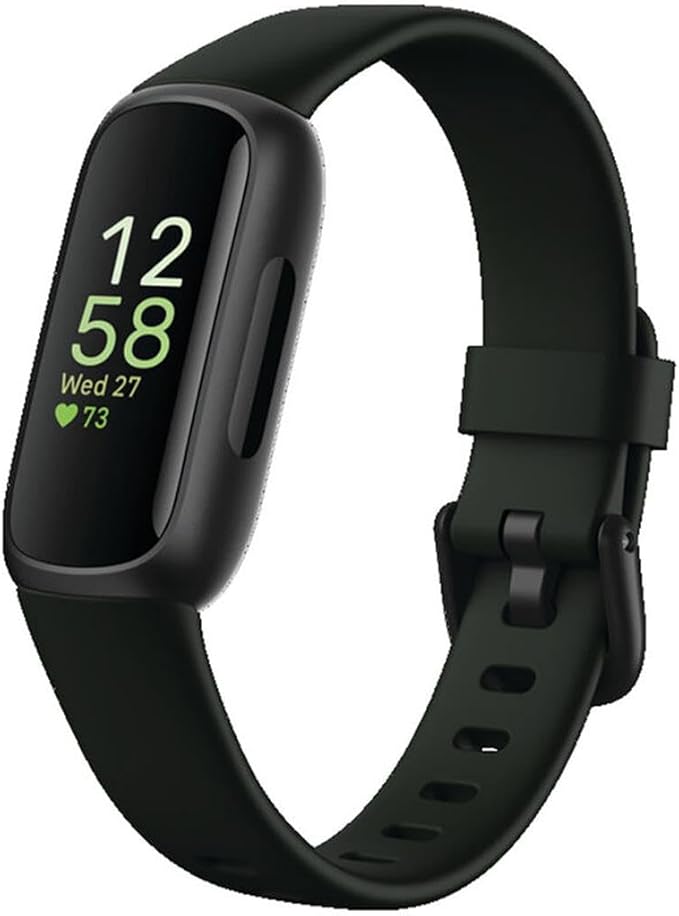
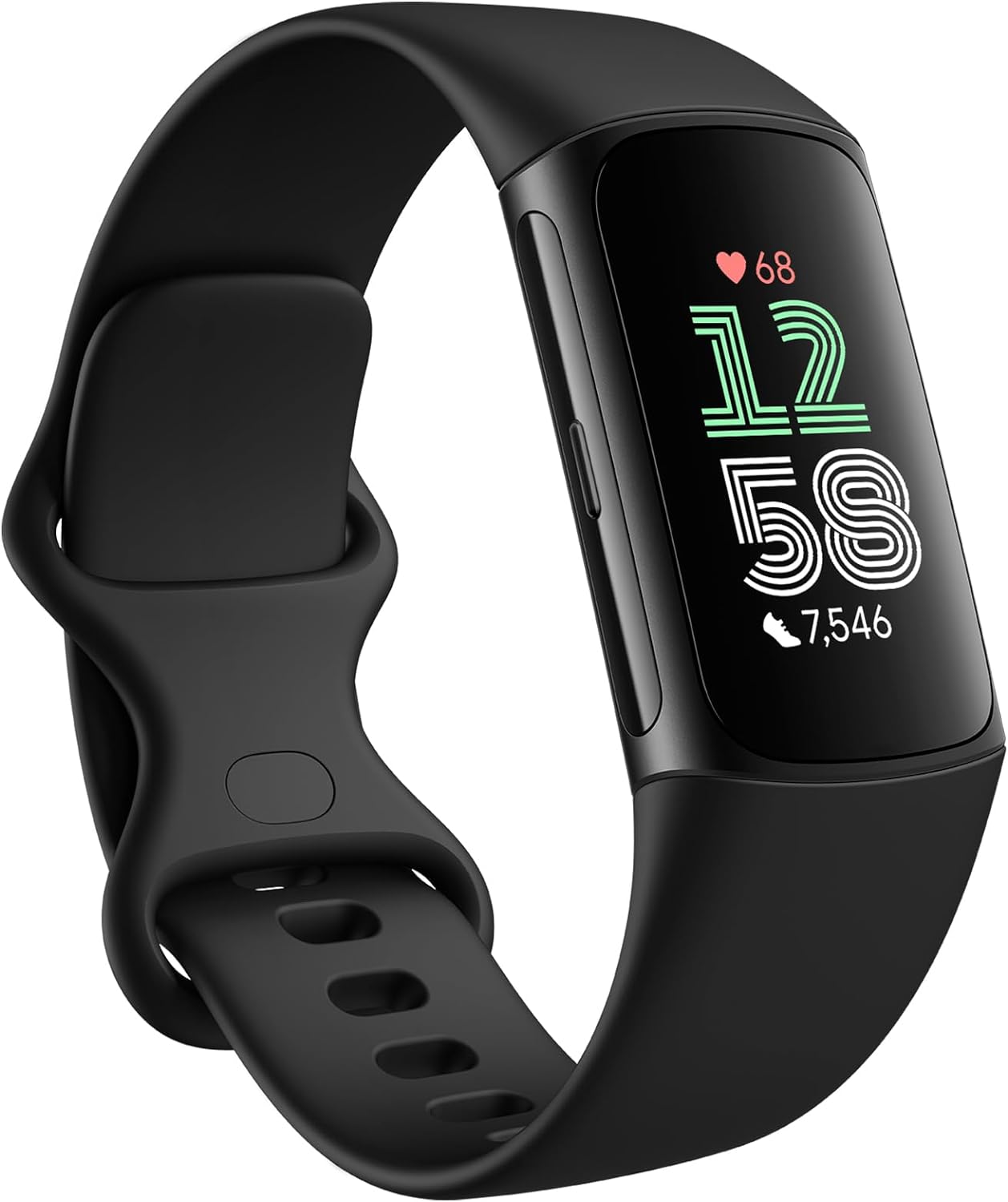
Fitbit Inspire 3 Health & Fitness Tracker
If WHOOP's subscription model isn't right for you, the Fitbit Inspire 3 offers a simpler, lower-cost path to nightly sleep-stage tracking with a 10-day battery option in its 2026 firmware. Its Sleep Score is intuitive at a glance — useful when you're too exhausted to parse charts and just want to know whether to ask for help today. See the Fitbit Inspire 3 on Amazon.
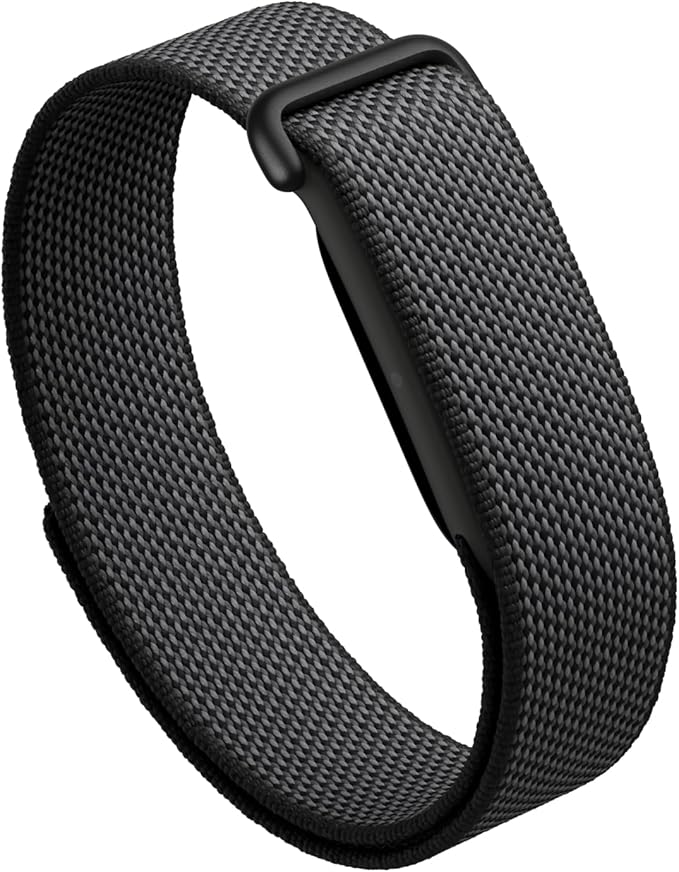
Google Fitbit Air Screenless Activity & Sleep Tracker
The 2026 Fitbit Air takes a screenless approach similar to WHOOP but without an ongoing subscription, making it a sensible choice for parents balancing NICU follow-up co-pays. Its minimalist design means no light leaks into the nursery during overnight feeds, and the long battery life means you can charge while baby naps rather than scrambling for an overnight window. View the Fitbit Air on Amazon.
Comparison: parental sleep trackers for NICU caregivers
| Tracker | Best For | Display | Subscription | Battery |
|---|---|---|---|---|
| WHOOP 5.0/MG | Deep recovery analytics | None (screenless) | Required | 14 days |
| Fitbit Inspire 3 | Simple Sleep Scores | Color OLED | Optional | 10 days |
| Fitbit Air | Subscription-free minimalism | None (screenless) | None | 10+ days |
Common mistakes that undo a good machine
Even parents who buy the right device often misuse it in ways that defeat the purpose. The three most common pitfalls:
Running it 24/7. Continuous exposure can delay auditory development. Use the machine for sleep onset and through known wake windows, but allow ambient quiet during alert play so your baby can practice discriminating speech sounds.
Putting it inside the crib or bassinet. The sound directly under the baby's ear can exceed 80 dB even on a "low" setting. Always keep the device on furniture at room-edge distance.
![Apple Watch Series 11 [GPS 46mm] Smartwatch with Jet Black Aluminum Case with Black Sport Band - M/L. Sleep Score, Fitness...](https://sleeptrackerhq.com/aimg/images/I/6129OfG4gfL._AC_SL1500_.jpg)
Pairing with a too-bright nightlight. NICU graduates are often light-sensitive after weeks under bili-lights or phototherapy. A bright nightlight nullifies the calming effect of the sound. Use red or amber light if any is needed for overnight care.
When to wean off the white noise machine
Most pediatric sleep specialists suggest weaning between 12 and 18 months for full-term babies, but NICU graduates may benefit from a slower taper because their nervous systems can take longer to mature. Begin by gradually lowering the volume by 1-2 dB per week once your baby is sleeping reliably for six-hour stretches. If they regress, hold steady for another month before continuing. Consult your developmental pediatrician at the 12- and 24-month NICU follow-up appointments — they can advise based on your specific child's auditory milestones and any ototoxic medication exposure in the NICU.
For more guidance on the transition home, see our companion guides on preemie sleep schedules by adjusted age, safe infant sound exposure levels, and the best baby sleep monitors for medically complex infants.
![Apple Watch SE 3 [GPS 40mm] Smartwatch with Starlight Aluminum Case with Starlight Sport Band - S/M. Fitness and Sleep Tra...](https://sleeptrackerhq.com/aimg/images/I/61xkvg-RStL._AC_SL1500_.jpg)
Frequently Asked Questions
What decibel level is safe for a NICU graduate baby?
The American Academy of Pediatrics recommends keeping continuous sleep sound below 50 dB measured at the crib mattress, and the WHO suggests 45 dB for prolonged infant exposure. Use a free smartphone decibel app to verify your specific machine-and-placement combination falls within that range — many parents are surprised to learn their "low" setting actually measures 65+ dB at the crib.
Is pink noise or white noise better for premature babies coming home from the NICU?
Pink and brown noise are generally better tolerated by NICU graduates because they emphasize lower frequencies that resemble both the intrauterine environment and the muffled ambient sound of an incubator. True white noise, with its higher-frequency energy, can sound brittle or harsh to babies whose auditory systems matured under different conditions.
Can a white noise machine cause hearing damage in NICU graduates?
Yes, if used incorrectly. Devices placed inside the crib or run at maximum volume can exceed 85 dB — louder than a vacuum cleaner — and prolonged exposure at that level can damage cochlear hair cells, which are already vulnerable in preemies who received ototoxic antibiotics like gentamicin during their NICU stay. Proper placement and a hard volume cap eliminate this risk.
How far from the crib should I place a white noise machine for NICU graduate baby use?
At least seven feet, per AAP guidance. The sound level falls roughly 6 dB each time the distance doubles, so moving from three feet to seven feet can cut the perceived loudness nearly in half. Never mount the machine on the crib rail, attach it to a bassinet, or tuck it under the mattress.
Should I use a white noise machine during the day too?
For sleep periods, yes — including naps. But avoid running it during alert, awake time, because uninterrupted background sound can delay the development of auditory discrimination skills. Many NICU follow-up clinics suggest a "sound on for sleep, sound off for play" rhythm starting at 2-3 months adjusted age.
Are smart sleep machines with app control safe for preemies?
Smart machines can be excellent if they offer remote decibel monitoring and lock features. Avoid any model whose app pushes "premium" higher-volume content as upgrades, and check whether the device's Wi-Fi radio sits within three feet of the crib (it shouldn't, per most pediatric EMF guidance). Look for models with verified 50 dB hardware caps rather than software-only limits that could be overridden by a firmware update.
When can my NICU graduate sleep without any white noise machine?
Most graduates can transition between 12 and 18 months adjusted age, though some sensitive sleepers benefit through age two. Wean gradually — 1-2 dB per week — and pause the taper if you see sleep regression. Discuss the timeline with your developmental pediatrician at routine NICU follow-up visits, especially if your baby had any documented auditory brainstem response (ABR) abnormalities at discharge.
Key Takeaways
- Choosing the right white noise machine for NICU graduate baby means matching capacity and output ports to your actual devices
- Always check actual watt-hours (Wh), not just watts — runtime depends on Wh, not peak output
- Also covers: preemie safe white noise
- Also covers: low decibel baby sound machine
- Also covers: NICU baby sleep sound machine
- Compare price-per-Wh across models to find the best value for your budget