For collegiate rowers grinding through 5:30 a.m. erg pieces and 4:00 p.m. on-water sessions, the whoop 4.0 collegiate rowers double day practice recovery workflow has become a quiet competitive edge. The Whoop 4.0 strap captures continuous heart rate variability (HRV), resting heart rate, respiratory rate, skin temperature, and sleep staging — the exact biomarkers that crater after a brutal 2k test or a long steady-state row. Because it has no screen, coaches don't flag it on the erg, and because the band is washable SuperKnit, it survives sweaty tanks and damp boathouse benches. In 2026, with the Whoop 5.0 platform now shipping, most varsity programs run a mixed fleet: legacy 4.0 straps for returning seniors and 5.0 hardware for incoming freshmen, all syncing into the same team dashboard.
This guide walks through how to actually use a Whoop for double-day recovery as a collegiate rower, what the data should look like across a typical training week, when to trust the Recovery score and when to override it, and which alternative wearables make sense if your athletic department won't reimburse the membership fee. We'll also compare the Whoop ecosystem with screenless Fitbit and smart-ring competitors that some lightweight squads have adopted.
Why Whoop 4.0 (and now 5.0) Fits Collegiate Rowing
Rowing is one of the few NCAA sports that routinely programs two hard sessions in the same day during fall base and spring racing block. A typical Tuesday might be a 75-minute steady state on the water at 6 a.m., classes until 3 p.m., then 6x1k on the erg at race pace by 4:30 p.m. That structure stacks aerobic load on top of neuromuscular load on top of caloric deficit — and the recovery signal coaches actually need is not soreness, it's autonomic readiness.
The Whoop 4.0 measures HRV during the final slow-wave sleep cycle of the night, which is the cleanest window for parasympathetic data. It then weights that HRV against your 14-day baseline, your resting heart rate, your respiratory rate, and your sleep performance, and produces a 0-100 Recovery score color-coded green, yellow, or red. For a collegiate rower, the meaningful pattern is not any single day's score — it's the trend across a microcycle. A green Monday that drops to yellow Wednesday and red Friday means the double-day load is exceeding adaptation, and the Saturday long row needs to be modulated before the athlete digs a hole that takes two weeks to climb out of.
What the Whoop Recovery Score Actually Tells a Rower
Recovery is not fitness. A nationally ranked lightweight can post a 32% red recovery the morning after a 2k test — that's expected and healthy. The score is telling you what your body has resources for today, not what shape you're in overall. For rowers, the three actionable thresholds are: above 67% (green) means clear to hit prescribed intensity on the PM session; 34-66% (yellow) means hit volume but cap the top-end watts; below 34% (red) for two consecutive days means talk to your coach about swapping the PM erg for a cross-train or recovery spin.
Setting Up Whoop for Double-Day Training
Out of the box, Whoop assumes a single training session per day. Collegiate rowers need to manually log both the AM water session and the PM erg piece as separate activities, otherwise the strain calculation undercounts the day. In the Whoop app, tag the AM session as 'Rowing' if on water and 'Rowing (Indoor)' for erg work — the algorithm uses different metabolic equivalents for each. Strain on a double-day for a varsity heavyweight typically lands between 17.5 and 20.5 out of 21; anything consistently above 19.5 across four consecutive days is a yellow flag for overreaching.
Sleep is where the Whoop earns its keep. The app's Sleep Coach will calculate a 'Sleep Need' based on the previous day's strain, accumulated sleep debt, recent naps, and time of day. For a rower who hit 19.2 strain on Tuesday, Sleep Need on Tuesday night will commonly read 9h 45m. Most collegiate athletes will not hit that — between problem sets, lab reports, and a 5 a.m. alarm, 7 hours is realistic. The point of the Sleep Need number isn't shame; it's calibrating expectations for Wednesday's Recovery score.
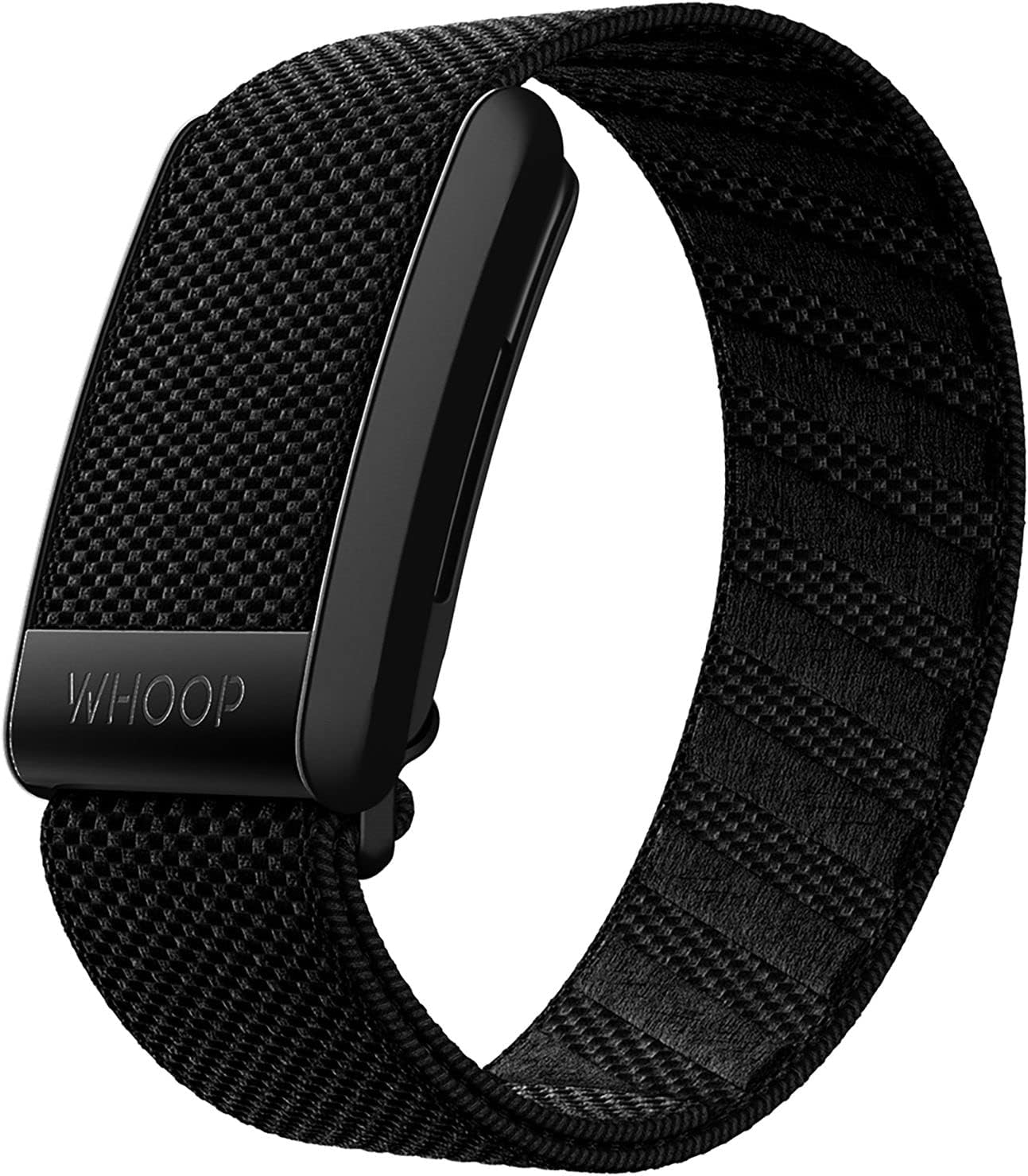
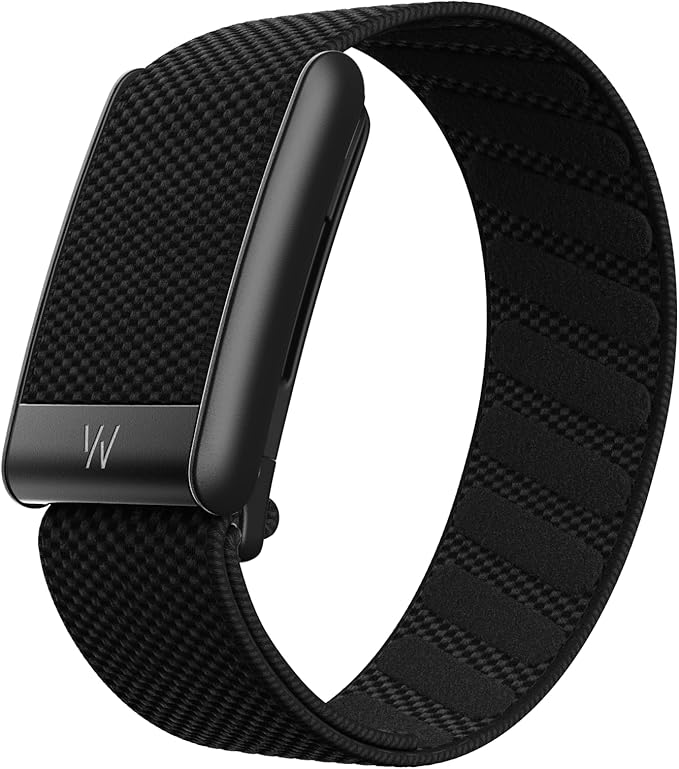
WHOOP 5.0/MG Activity Tracker with 12-Month Membership
If your 4.0 strap is reaching end-of-life or you're outfitting a new athlete, the WHOOP 5.0/MG is the direct successor and uses the same recovery algorithm framework that 4.0 users already know — just with a smaller sensor pack, longer battery life (14 days vs. 4-5), and a blood-pressure-trend feature that 4.0 lacked. The 12-month membership is bundled, which matters because Whoop hardware without membership is inert. For a collegiate rower, the longer battery means one charge can cover a full racing weekend including the Friday travel day, Saturday heats, and Sunday grand final without ever pulling the strap off. Check the WHOOP 5.0/MG with 12-month membership on Amazon.
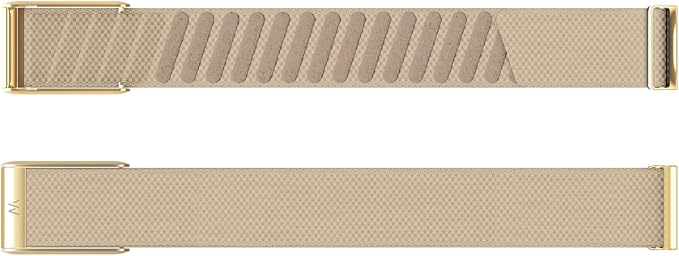
WHOOP 5.0/MG SuperKnit Luxe Performance Band
The stock band that ships with the strap is fine, but rowers destroy bands faster than any other sport because of the constant catch-release cycle pulling the wrist against the oar handle. The SuperKnit Luxe accessory band uses a denser weave that resists fraying at the buckle and dries faster after a wet practice. Keep one rotating spare in your boathouse locker so you always have a dry band for the PM session after a soaking AM row. See the SuperKnit Luxe band on Amazon.
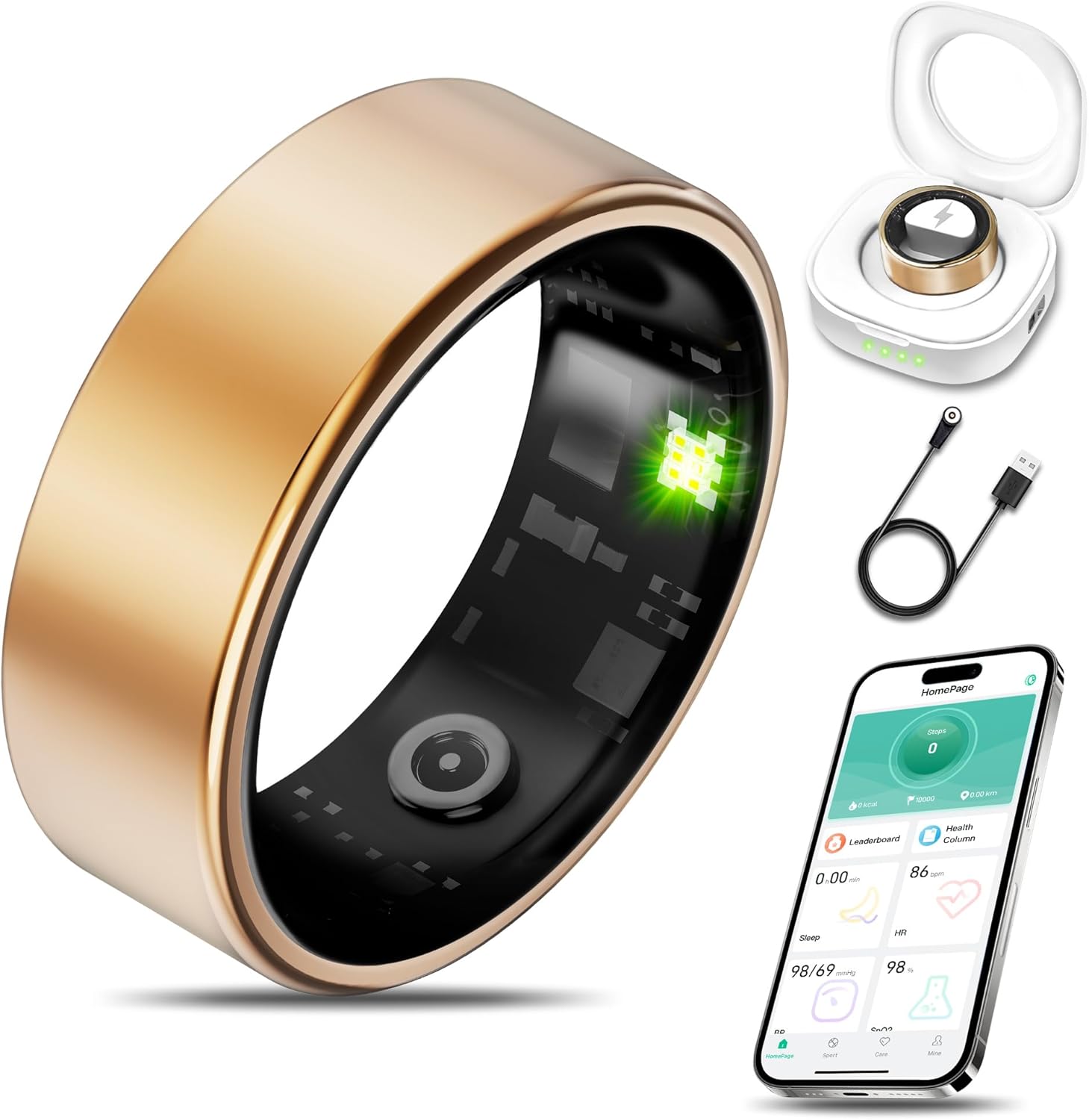
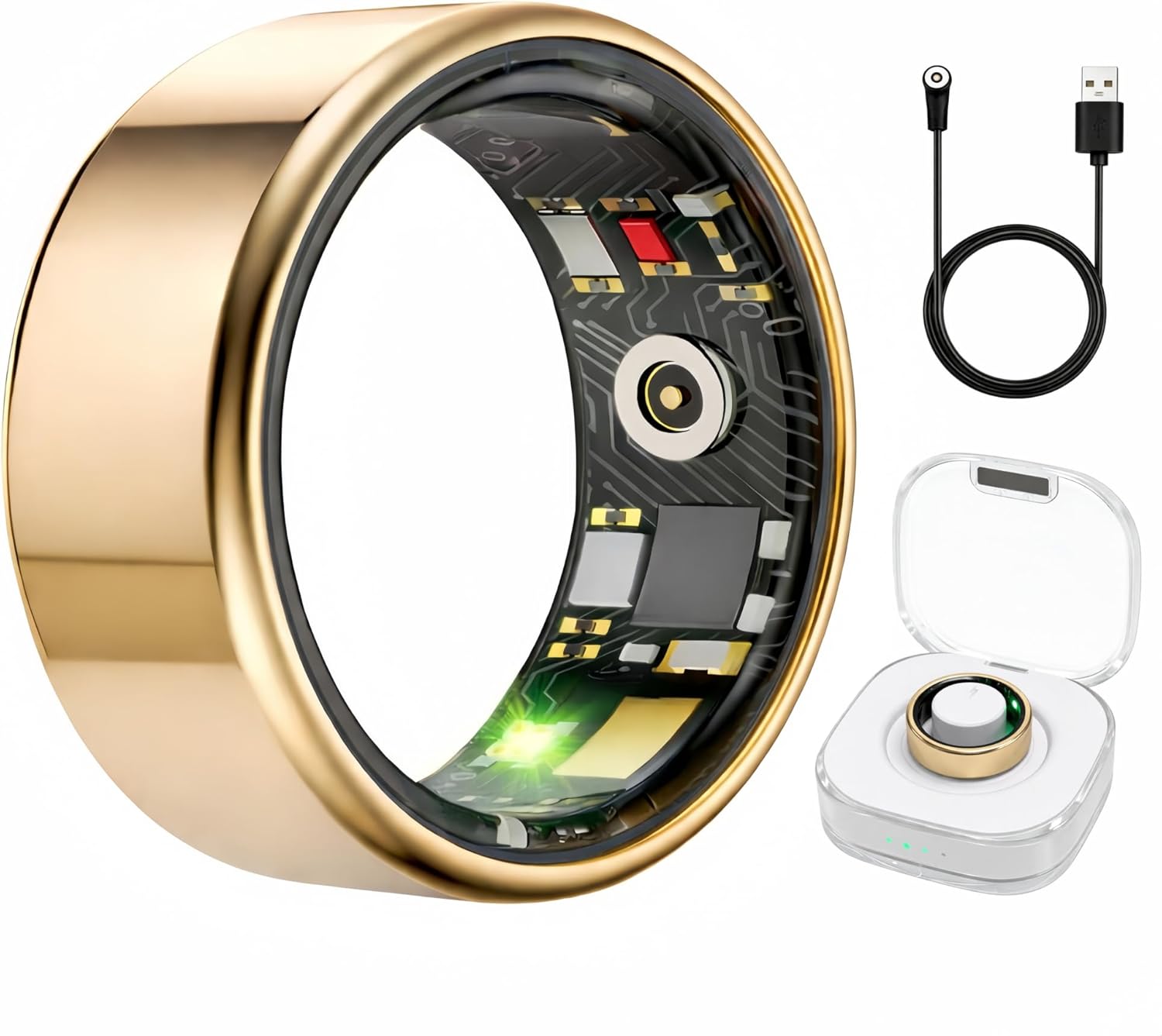
Comparison: Recovery Wearables for Collegiate Rowers
| Device | Form Factor | HRV-Based Recovery | Battery | Best For |
|---|---|---|---|---|
| WHOOP 5.0/MG | Screenless wrist strap | Yes, nightly score | ~14 days | Varsity rowers running full whoop 4.0 collegiate rowers double day practice recovery protocols |
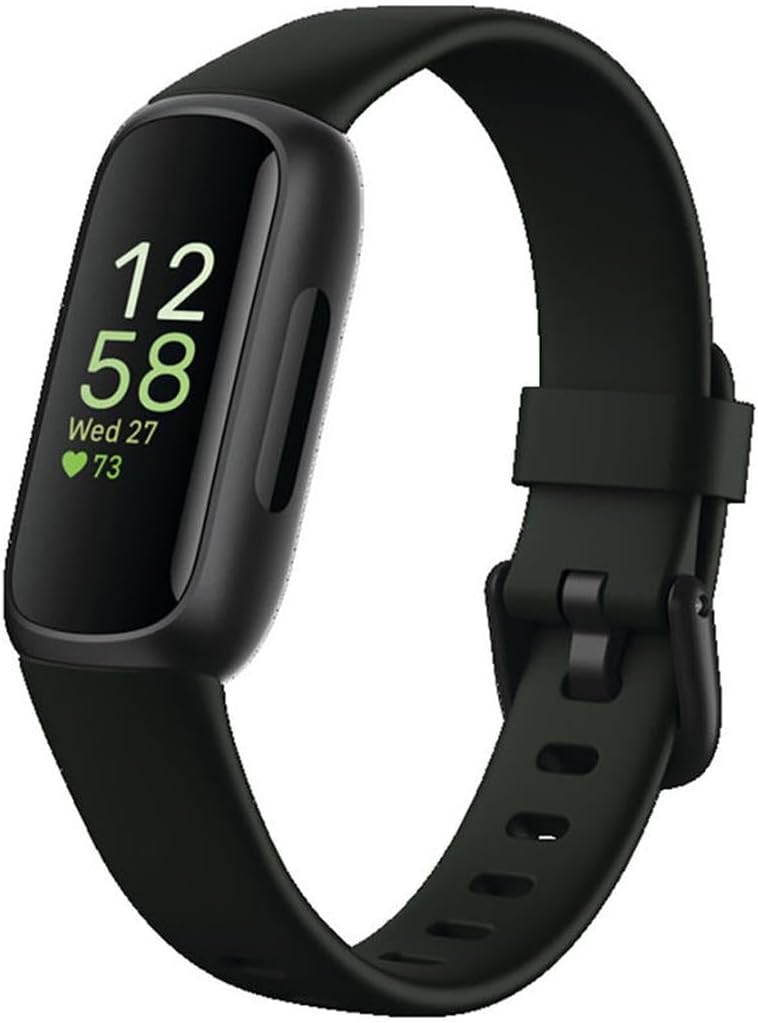
| Fitbit Inspire 3 | Slim wrist band with display | Daily Readiness (Premium) | ~10 days | Walk-ons and novices on a budget |
| Fitbit Air | Screenless clip/band | Daily Readiness (Premium) | ~7 days | Rowers who hate looking at a screen |
| RQZ Smart Ring | Ring | HR + sleep tracking | ~5-7 days | Rowers whose hands can't tolerate a wrist strap |
| WHOOP SuperKnit Luxe | Accessory band | N/A (accessory) | N/A | Spare for the boathouse locker |
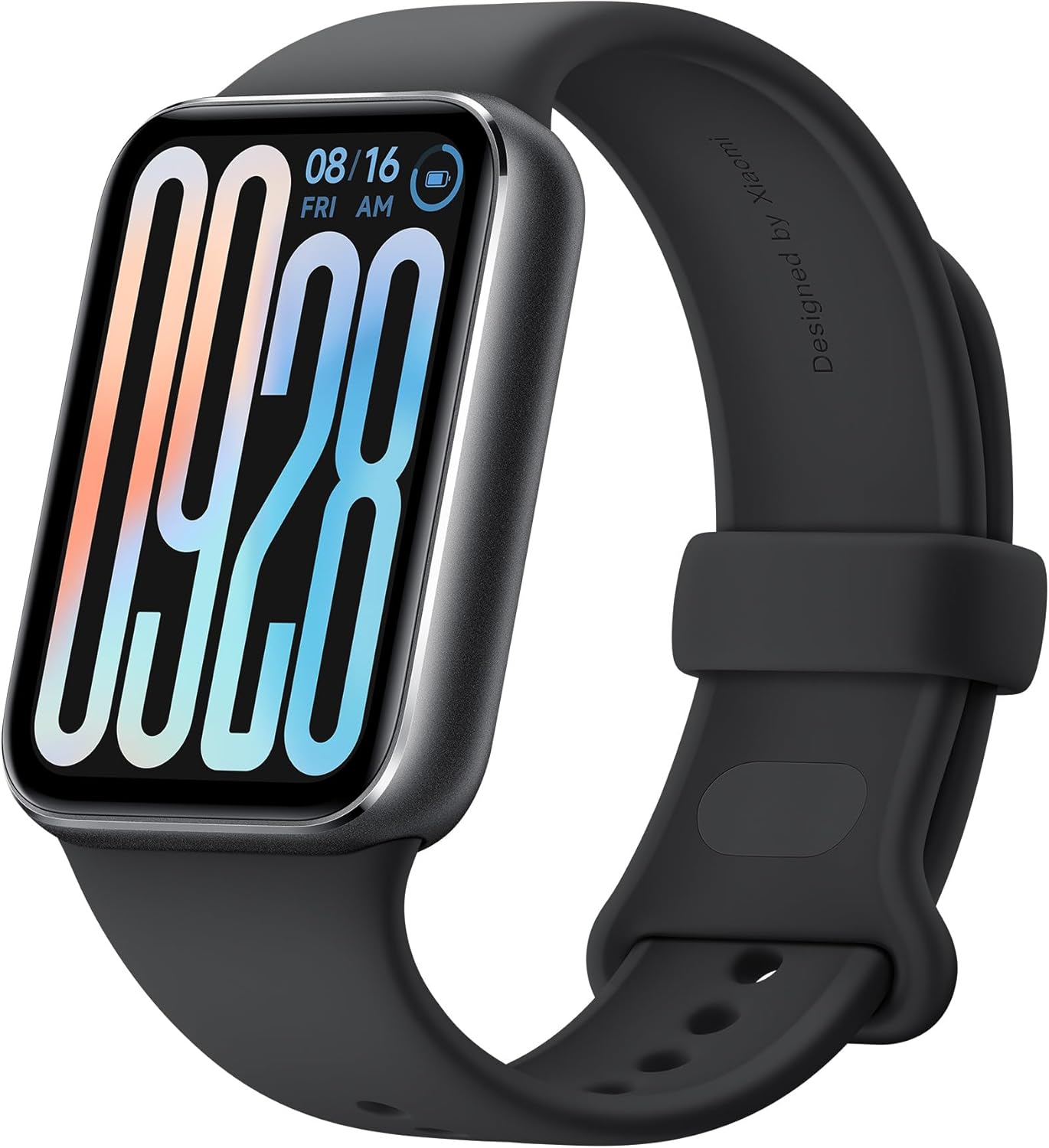
Fitbit Inspire 3 — Budget Alternative for Walk-Ons
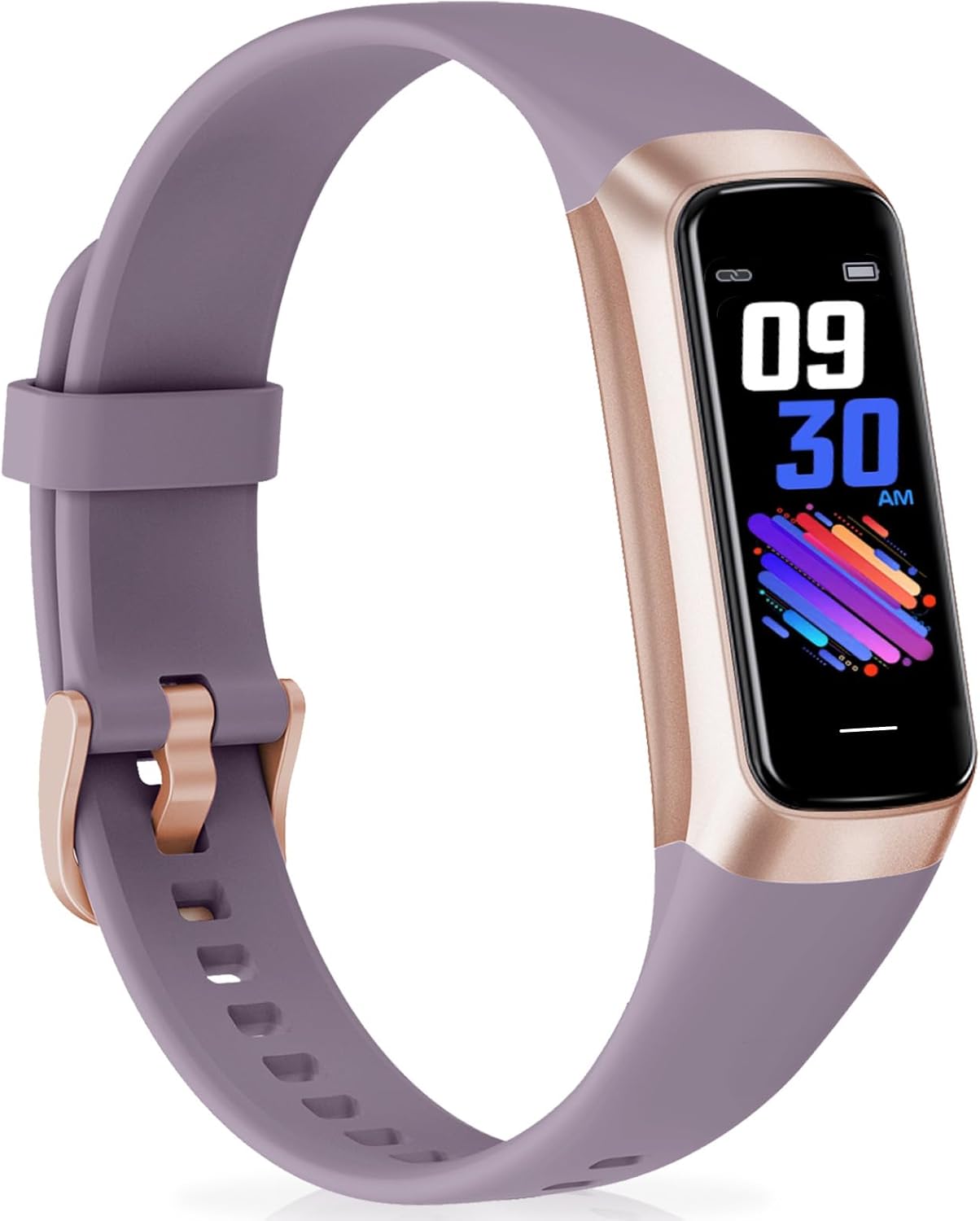
Not every collegiate rower can stomach a $239/year membership. The Fitbit Inspire 3 with Fitbit Premium gives you a Daily Readiness score that uses HRV, recent activity, and sleep — directionally similar to Whoop Recovery, though less granular for elite athletes. The Inspire 3 has a small AMOLED display, which is a double-edged sword: it shows split times during an erg piece (useful) but also means a coach can see you checking it (not always welcome). For a freshman who isn't sure yet whether they'll make varsity, this is the sensible entry point. View the Fitbit Inspire 3 on Amazon.
Google Fitbit Air — Screenless Option for Distraction-Free Training
The Fitbit Air is interesting for rowers specifically because it removes the screen entirely, mirroring the Whoop philosophy at a lower price point. You log a workout, you sleep, you check the app the next morning. It tracks all-day activity, sleep stages, and feeds into Fitbit's Daily Readiness when paired with Premium. Battery life is shorter than Whoop, but for a sport where you're often near a power outlet (dorm, library, boathouse), that's manageable. See the Fitbit Air on Amazon.
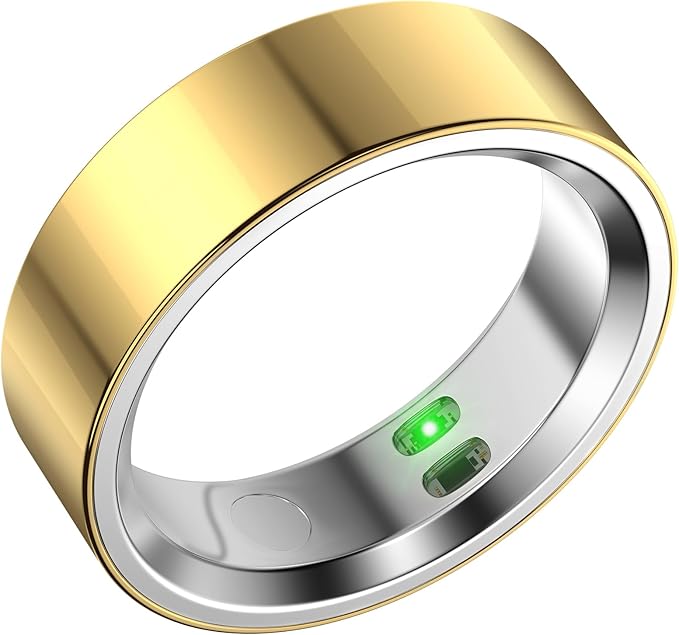
RQZ Smart Ring — Wrist-Free Option
Some rowers — particularly those with small hands or a history of wrist tendinopathy — find any wrist-worn device irritating against the oar handle on long pieces. A ring form factor solves that. The RQZ Smart Ring tracks heart rate, sleep stages, and basic activity without occupying the wrist. It's not a Whoop replacement for HRV-driven recovery — the algorithms are simpler — but it pairs well as a secondary device if you want sleep data without the band. Browse the RQZ Smart Ring on Amazon.
Reading the Data Across a Typical Race-Prep Week
Here's what a healthy whoop 4.0 collegiate rowers double day practice recovery pattern looks like during March race-prep. Monday: AM steady state, PM technical row, Recovery 71% green, Strain 14.8. Tuesday: AM 6x1k erg, PM weights, Recovery 58% yellow, Strain 18.9. Wednesday: AM steady state, PM 4x2k on water, Recovery 44% yellow, Strain 19.4. Thursday: AM technical, PM recovery spin, Recovery 39% yellow, Strain 11.2. Friday: AM short pre-race row, Recovery 68% green, Strain 8.5. Saturday: Race day, Recovery should be above 70% green.
The pattern to watch for is the downward drift across Wednesday and Thursday. If Recovery doesn't bounce back to green by Friday morning, that's the signal that Thursday's PM session was not actually a recovery session for this athlete — perhaps they're fighting off a cold, sleeping poorly, or carrying a hidden caloric deficit. Two consecutive race weeks where Friday Recovery fails to rebound is grounds for a sit-down with the coach and the athletic trainer.
When to Override the Recovery Score
Whoop's algorithm doesn't know you have a 2k test scheduled today. It doesn't know your seat is on the line for the varsity eight on Friday. There are three legitimate reasons a rower will train hard on a red day: a scheduled selection event, a race, or a coach-mandated session that can't be moved. The right approach is to log the override in the journal, note the perceived exertion afterward, and accept that recovery will take an extra 24-36 hours.
Conversely, a green Recovery score is not permission to add volume. If your coach prescribed 60 minutes of steady state, a 91% Recovery doesn't mean you should do 90 minutes. The score is a green light for the prescribed work, not a green light for freelancing.
For more on training around HRV in endurance sports, see our guide on HRV trends for marathon training, and for sleep-environment optimization specific to dorm rooms, see sleep environment for collegiate athletes.
Frequently Asked Questions
How accurate is Whoop 4.0 HRV data compared to a chest strap for rowers?
Whoop 4.0's overnight HRV measurement, taken during slow-wave sleep, correlates strongly (r > 0.85 in independent studies) with chest-strap RR-interval data when measured at rest. For rowers, the overnight window is actually more useful than a chest-strap morning reading because it removes the confound of morning movement, caffeine, and stress.
Should collegiate rowers wear Whoop during on-water practice?
Yes. Whoop 4.0 and 5.0 are waterproof to 10 meters and the SuperKnit band dries faster than a watch strap. The only consideration is rigging — make sure the buckle is positioned on the inside of the wrist so it doesn't catch on the oar handle during the drive.
Can a Whoop replace a coach's judgment on double-day load?
No, and any coach who claims it can is misusing the tool. Whoop data is one input among several — perceived exertion, technical quality, race timeline, academic load, and roster context all matter. The right use is to bring Whoop trends into the conversation with your coach, not to replace it.
What sleep duration should a collegiate rower target during double-day training blocks?
Whoop's Sleep Coach typically prescribes 8.5-9.5 hours for athletes in heavy training blocks. Realistic targets are 8 hours in bed for a 7-hour sleep duration, with a 20-30 minute afternoon nap on heavy-strain days. Naps under 30 minutes show up positively in the algorithm without disrupting overnight sleep architecture.
Is the Whoop 5.0 worth upgrading to from the 4.0 mid-season?
For collegiate rowers, no — mid-season is not the time to change baseline hardware. The 4.0 is still supported and produces high-quality data. Wait until the offseason (typically late May for spring squads) to migrate so the algorithm has time to rebuild a personalized baseline before fall training resumes.
How does Whoop handle a rest day during a heavy training block?
A true rest day with low strain (under 8.0) and good sleep typically produces a 15-20 point Recovery rebound the following morning. If your Recovery does not climb by at least 10 points after a rest day, that's a sign of accumulated fatigue, illness, or under-fueling that warrants attention.
Can lightweight rowers use Whoop Recovery to manage weight-cutting?
Whoop is a useful adjunct but not a primary tool here. HRV will suppress during caloric deficit even without training, so a red recovery during a cut doesn't necessarily mean the training was too hard. Pair Whoop data with bodyweight trend, morning thirst, and a registered sports dietitian — never cut weight based on wearable data alone.
Key Takeaways
- Choosing the right whoop 4.0 collegiate rowers double day practice recovery means matching capacity and output ports to your actual devices
- Always check actual watt-hours (Wh), not just watts — runtime depends on Wh, not peak output
- Also covers: whoop strap ncaa rowing recovery
- Also covers: two a day rowing practice sleep tracker
- Also covers: collegiate crew athlete whoop
- Compare price-per-Wh across models to find the best value for your budget