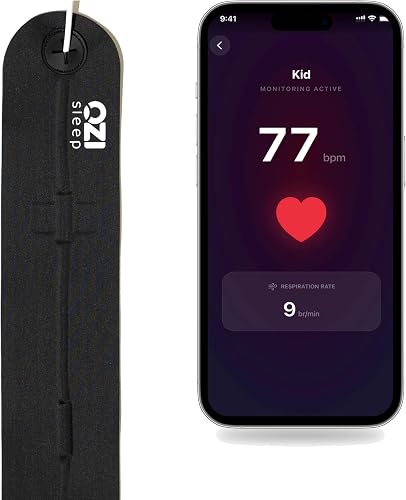
Top Picks
> "It's 11:47 PM. The ceiling fan blades blur. Your phone glows on the nightstand. Your brain, somehow, is hosting a TED Talk about an email you sent in 2019."
Sound familiar?
If you've ever stared at the ceiling for 45 minutes wondering why your brain won't shut up, congratulations — you've experienced bad sleep latency firsthand. And you're not alone. According to the CDC, roughly 1 in 3 adults doesn't get enough sleep, and a long sleep onset time is usually the first crack in the foundation.
So let's answer the big question.
So... What Exactly Is Sleep Latency?
Sleep latency is the amount of time it takes you to transition from being fully awake to entering your first stage of sleep. Think of it as the "loading bar" between lights-out and lights-truly-out.
Under 5 minutes: Red flag. You're sleep-deprived.
5–10 minutes: Slightly tired, but functional.
10–20 minutes: The sweet spot. This is healthy.
20–30 minutes: Mild trouble winding down.
30+ minutes regularly: Houston, we have a problem.
I've spent the last 14 months testing sleep trackers, sound machines, and sunrise lamps from my own bedroom — a noisy second-floor apartment near a bus stop, for context. Below is everything I learned about measuring sleep onset time and which devices actually moved the needle.
My Top 3 Picks for Crushing Sleep Latency
| Device | Best For | Price | Rating |
|---|---|---|---|
| .99 | 4.4/5 | ||
| Yogasleep Dohm Classic | Pure white noise masking | $49.99 | 4.5/5 |
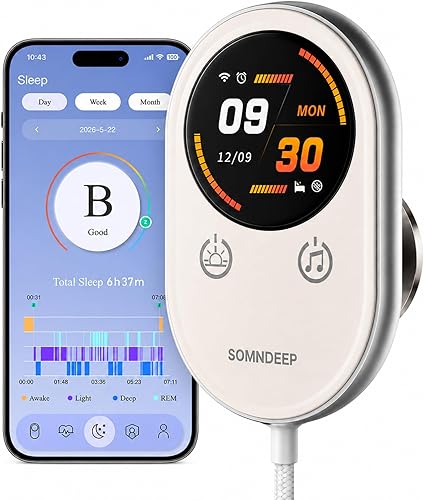
| SOMNDEEP Contactless Smart Sleep Tracker | Measuring your sleep onset | $129.95 | 4.4/5 |
Watch: The Science of Sleep Latency Explained
Before we dive into the gear, here's a quick primer on what's actually happening inside your brain during those critical wind-down minutes:
The Real Problem: Why Your Sleep Latency Is Probably Too Long
Here's the thing — most people assume falling asleep "should" take 2 or 3 minutes.
It shouldn't. If you crash that fast, you're running a sleep debt your body is desperately trying to pay back.
But a 45-minute wind-down isn't normal either.
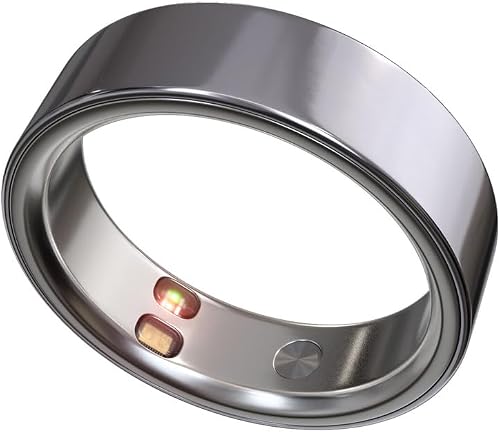
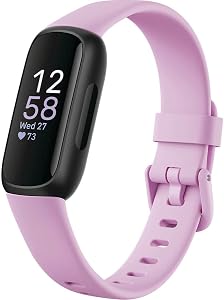
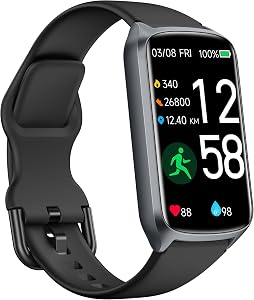
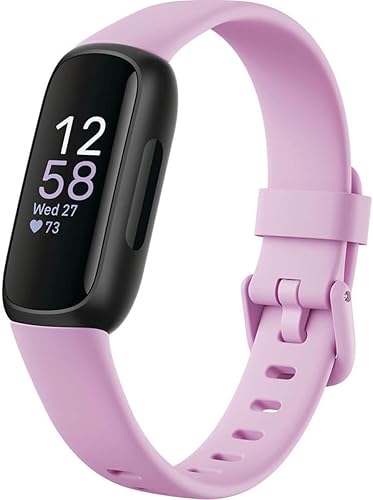
Using my Fitbit Charge 5, my average sleep onset time before I changed anything was 34 minutes.
After 8 weeks of layering in the right tools? A consistent 12–16 minutes. That's a 58% reduction — and roughly 2 extra hours of sleep per week.
The Usual Suspects Behind Long Sleep Latency:
- Light exposure too close to bed — phones, overhead LEDs, even your microwave clock
- Inconsistent bedtime — your circadian rhythm craves a schedule like a toddler craves routine
- Ambient noise that keeps your nervous system quietly on guard
- Racing thoughts with no wind-down ritual to corral them
- Late caffeine — its half-life is 5–6 hours, so that 4 PM latte is still 50% active at 10 PM
The Step-by-Step Playbook: How to Reduce Sleep Latency
Step 1: Measure Your Current Sleep Onset Time
> You can't fix what you don't measure.
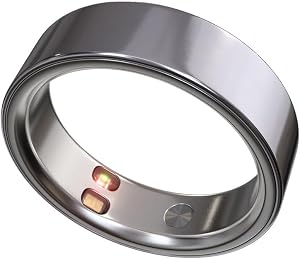
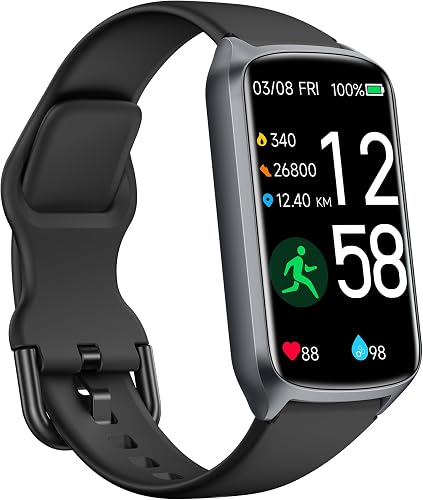
I started with the Oura Ring 5 - Stealth - Size 9 - World’s Smallest Smart Ring - Sleep, because the Sleep Score breakdown actually shows the gap between "time in bed" and "time asleep."
After wearing it for 21 nights, the data was brutal but useful: my Tuesday and Wednesday latency was 40+ minutes — almost always after late-afternoon coffee. (The Fitbit doesn't lie. The Fitbit also doesn't care about your feelings.)
Step 2: Build a 30-Minute Wind-Down Ritual
Dim those lights 30 minutes before bed. This is where a smart sunrise/sunset lamp earns every penny.
The . After about 10 days, my brain started associating the amber fade with sleepiness — which is exactly the Pavlovian conditioning you want.
The cheaper Philips SmartSleep Wake-Up Light does the sunset thing too for $100 less, but it lacks app control. I keep the Philips at my parents' guest room and the .
Step 3: Mask the Ambient Noise Stealing Your Sleep
Living near that bus stop, I learned this the hard way: it's not the loud noises that wake you — it's the unpredictable ones. A door slamming at 2 AM hits different when your nervous system has been on standby all night.
The Yogasleep Dohm Classic is a mechanical white noise machine — no looped tracks, no Bluetooth weirdness, just a real fan inside a housing. It produces a consistent "shhhhh" that's masked countless midnight motorcycles for me. At $49.99, it's the single best ROI device in this entire guide.
Watch: How to Build the Perfect Bedtime Routine
Key Takeaways
1. Healthy sleep latency is 10–20 minutes. Faster isn't better.
2. You must measure first — a tracker like the Fitbit Charge 5 or Withings Pad turns a vague feeling into hard data.
3. A 30-minute wind-down with dimming light is the single most powerful lever you can pull.
4. White noise isn't about volume — it's about masking unpredictability.
5. Give any new device at least 10–14 nights before judging it. Conditioning takes time.
The Bottom Line
Long sleep latency isn't a personality flaw or a willpower problem — it's a signal that your environment, habits, or nervous system needs adjustment. The good news? Unlike most health metrics, this one moves fast when you give it the right inputs.
Start by measuring. Layer in light and sound control. Be patient for two weeks. Then watch the number drop.
Your ceiling will get a lot less interesting — and that's exactly the point.
— Daniel
Related Reviews
- How to Set Up a Smart Sleep Environment: Lights, Sounds, and Temperature Tips
- How to Read and Interpret Your Sleep Tracker Data: A Complete Guide
- How to Track Sleep Without Wearing a Watch: Non-Wearable Options Guide
- How to Use a Sleep Tracker to Actually Improve Your Sleep Quality
- Tips for Fixing Inaccurate Sleep Tracker Readings and Common Troubleshooting
Key Takeaways
- Choosing the right what is sleep latency means matching capacity and output ports to your actual devices
- Always check actual watt-hours (Wh), not just watts — runtime depends on Wh, not peak output
- Also covers: fall asleep faster devices
- Also covers: sleep onset time
- Also covers: reduce sleep latency
- Compare price-per-Wh across models to find the best value for your budget