If you are a hotshot, engine crew member, or smokejumper trying to make whoop 4.0 wildland firefighter fire camp sleep tracking actually work on a 14-day roll, the short answer is yes, it can be done, but you need to plan for grit, sweat, smoke residue, and zero-outlet nights. The Whoop 4.0 (and its 2026 successor, the Whoop 5.0/MG) excels at fire camp because it has no screen to drain battery, charges with a slide-on battery pack you can top up at a generator or pickup-truck inverter, and silently logs HRV, respiratory rate, and sleep stages while you crash in a yurt or a personal tent on the line. Below we break down how to set it up for fire assignments, which band material survives ash and DEET, and the best alternates if a wrist strap is a no-go under your Nomex.
Why fire camp sleep is uniquely brutal on wearables
A typical Type 1 incident base camp runs around the clock. Generators hum, helicopters cycle, briefings start at 0500, and your tent neighbor on night ops is unzipping at 2200 just as you are trying to drop off. Add smoke inversions that drag PM2.5 into the 300s, ambient temps that swing 50 degrees between siesta and graveyard shifts, and the simple fact that you are sleeping in dirty Nomex on a half-inflated pad, and you have one of the harshest sleep environments any consumer wearable will ever see.
When shopping for whoop 4.0 wildland firefighter fire camp sleep tracking, it pays to compare specs, capacity, and real-world runtime before committing.
That environment punishes most smartwatches. OLED screens scratch when you snag a chainsaw bar. Silicone bands trap soot and chafe under a glove cuff. Lithium batteries hate the 100°F afternoon inside a closed crew buggy. And anything that needs daily phone-side charging is a non-starter when your phone is dead and the charging station outside the comms trailer has a 40-minute line. This is exactly the niche the Whoop platform was built for, and why so many wildland crews quietly run one under their watch.
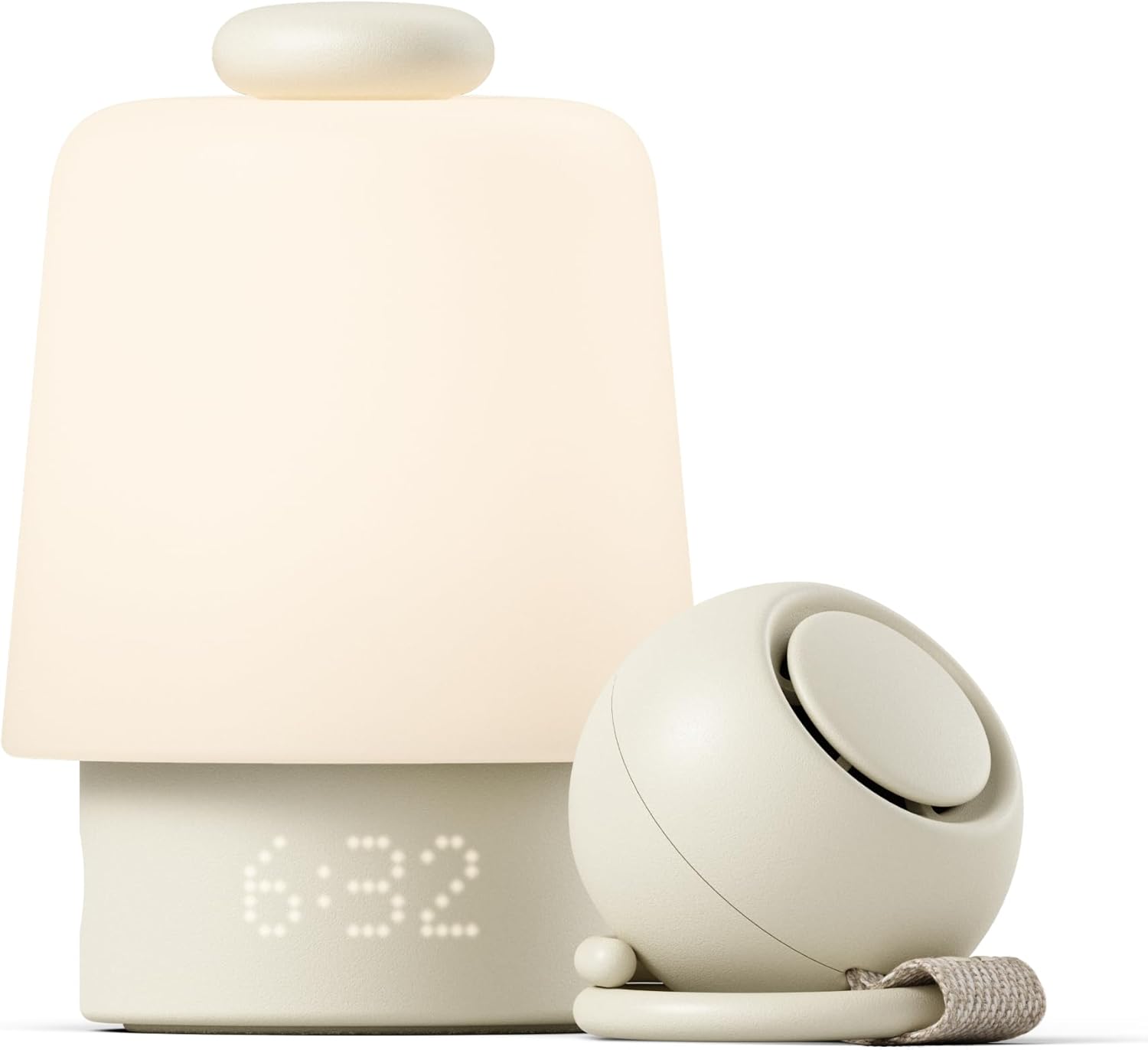
What the Whoop 4.0 (and 5.0/MG) actually does in fire camp
Whoop is a screenless strap that lives on your non-dominant wrist, bicep, or, with the right accessory, threaded into a sports bra band or boxer waistband. It samples heart rate, HRV, skin temperature, blood oxygen, and motion continuously, then crunches a nightly Recovery score and a daily Strain score. For wildland firefighter fire camp sleep tracking, the value proposition is simple: it tells you, in plain numbers, whether last night actually counted as rest or whether you are walking into the morning briefing already in the hole.
For a 21-day assignment, that data is gold. You can see whether the new earplugs helped, whether the second cup of camp coffee at 1500 wrecked your deep sleep, and whether your resting heart rate is creeping up—a classic early warning of an upper respiratory infection running through the crew. The Whoop app also flags respiratory rate spikes, which can be an early tell for smoke-induced inflammation. In 2026, the 5.0/MG model adds a longer-lasting battery pack and an ECG-capable upgrade tier, but the core sleep-tracking math is the same one Whoop 4.0 wearers have relied on for years.
Top picks for wildland firefighter fire camp sleep tracking
1. Whoop 5.0/MG (the current Whoop 4.0 successor) — best overall for hotshot crews
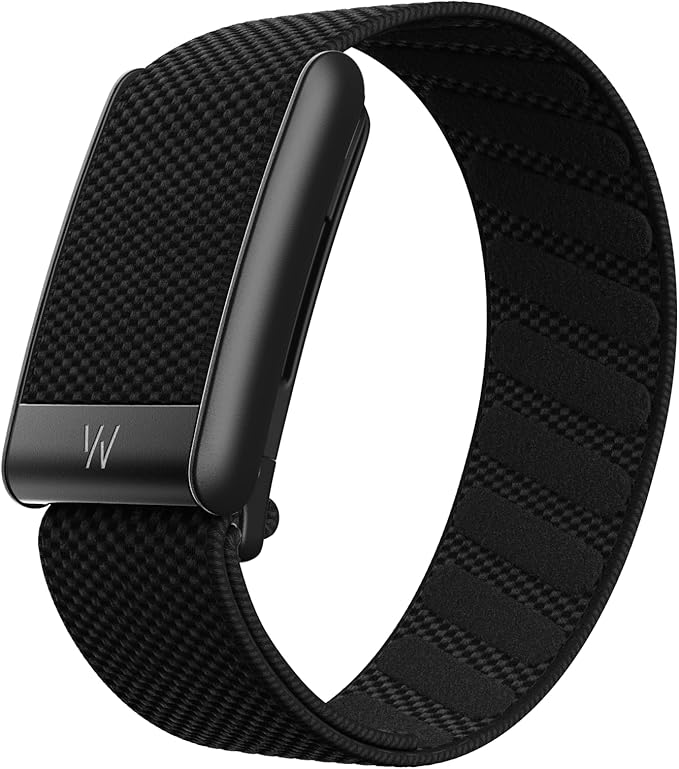
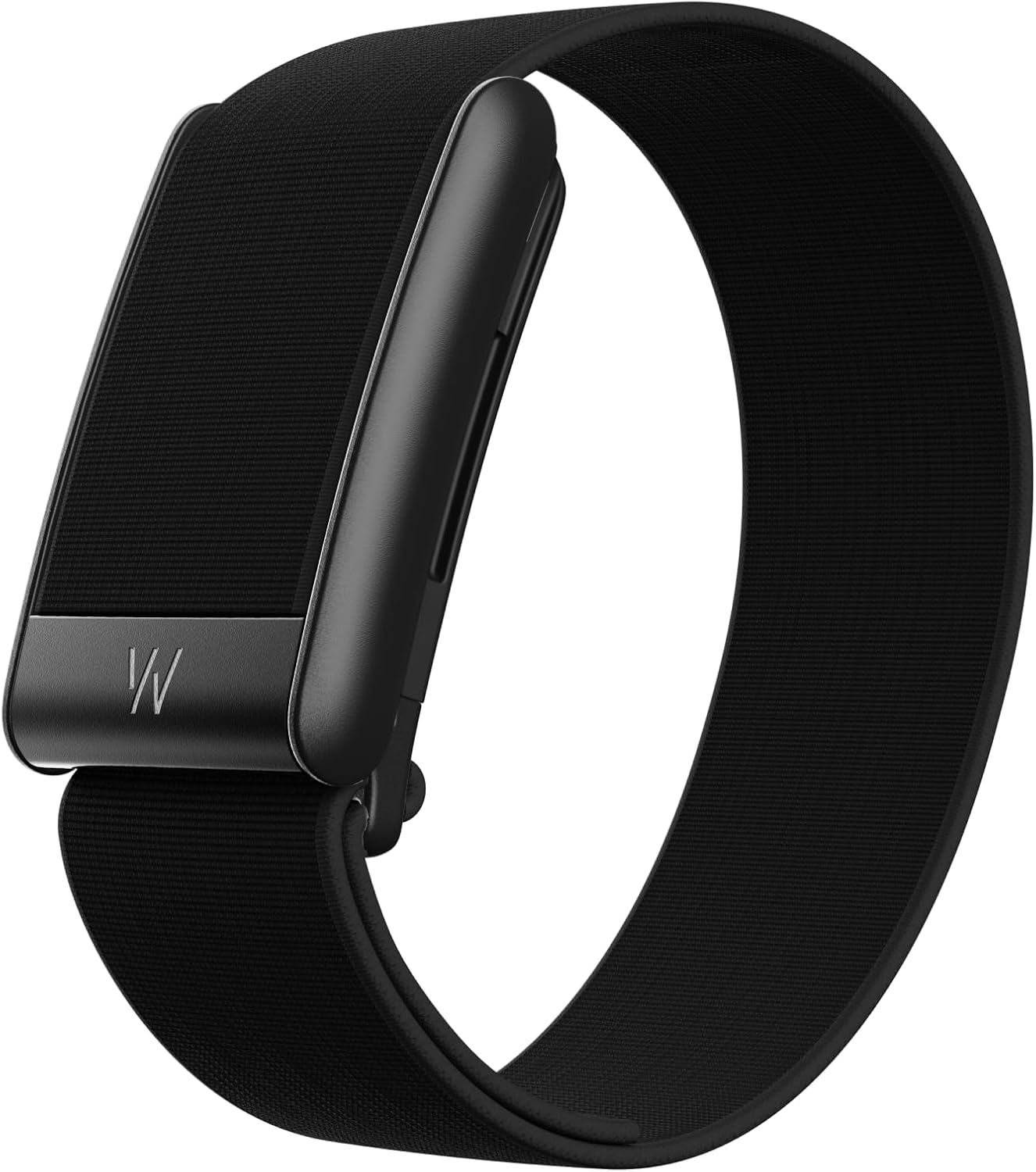
If you came here searching for Whoop 4.0, this is its 2026 replacement and the one you should actually buy. The Whoop 5.0/MG keeps everything that made 4.0 perfect for fire assignments—no screen, slide-on battery pack, waterproof to 10m, no daily phone sync required—and stretches battery life to roughly two weeks per charge. That means one pack swap can cover a full roll without you ever finding an outlet. The 12-month membership is bundled, and the haptic silent alarm is loud enough to wake you through earplugs without disturbing the tent next door. Check current price on Amazon.
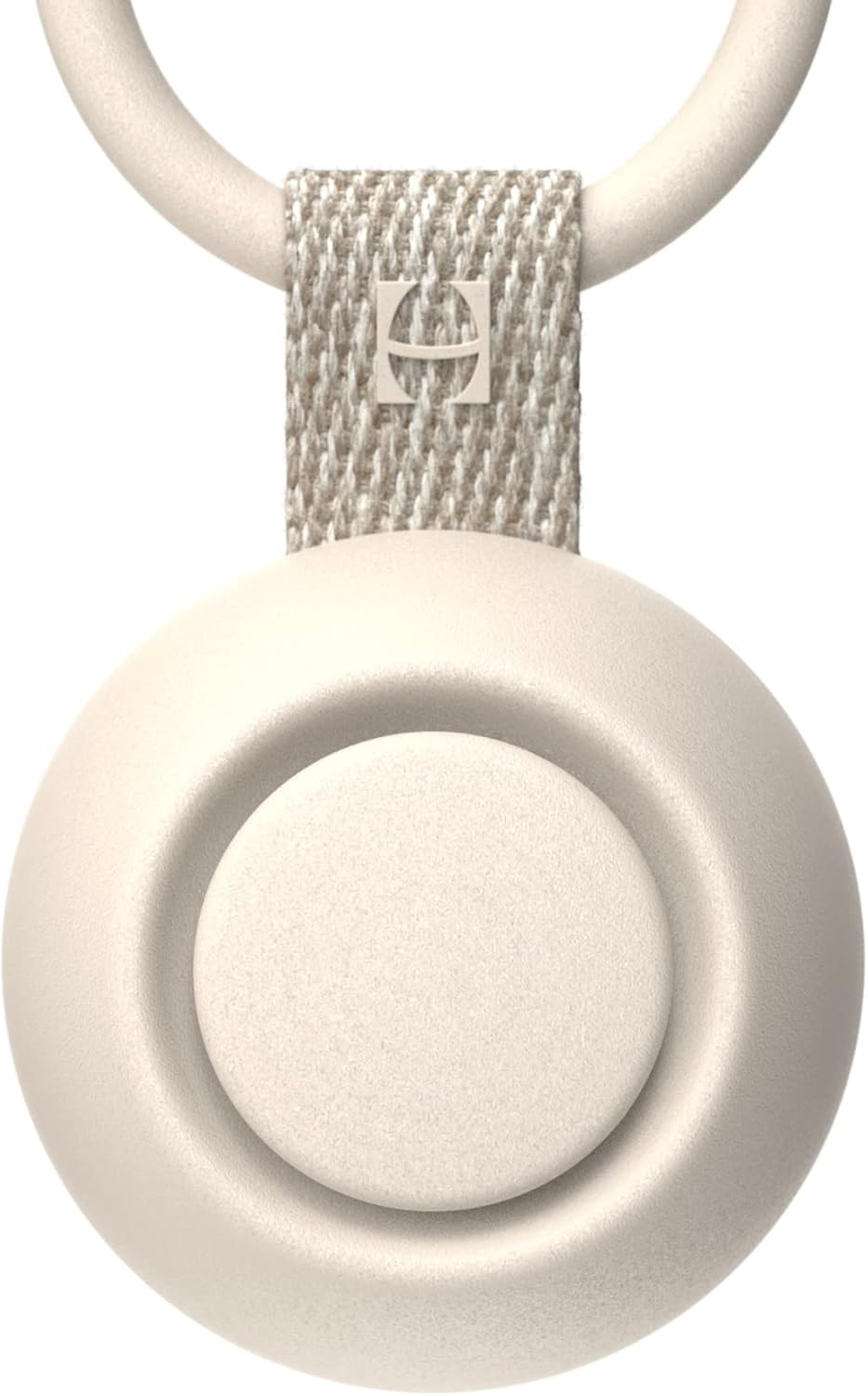
2. Whoop 5.0/MG SuperKnit Luxe band — best accessory for sweat and Nomex
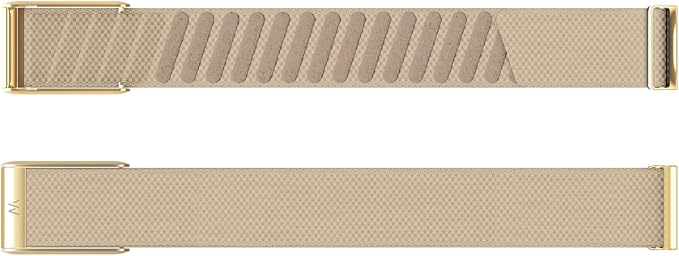
The stock band is fine, but ash and DEET will turn any silicone strap into a stiff, stained mess by the end of a hitch. The SuperKnit Luxe is a woven nylon-blend band that breathes, dries between shifts, and holds its tension when you sweat through your second baselayer of the day. It is also the only band most squad bosses can get away with under a glove cuff without rolling the sensor off-skin. Pack two so you can rotate a clean one while the dirty one airs out on your pack. See it on Amazon.
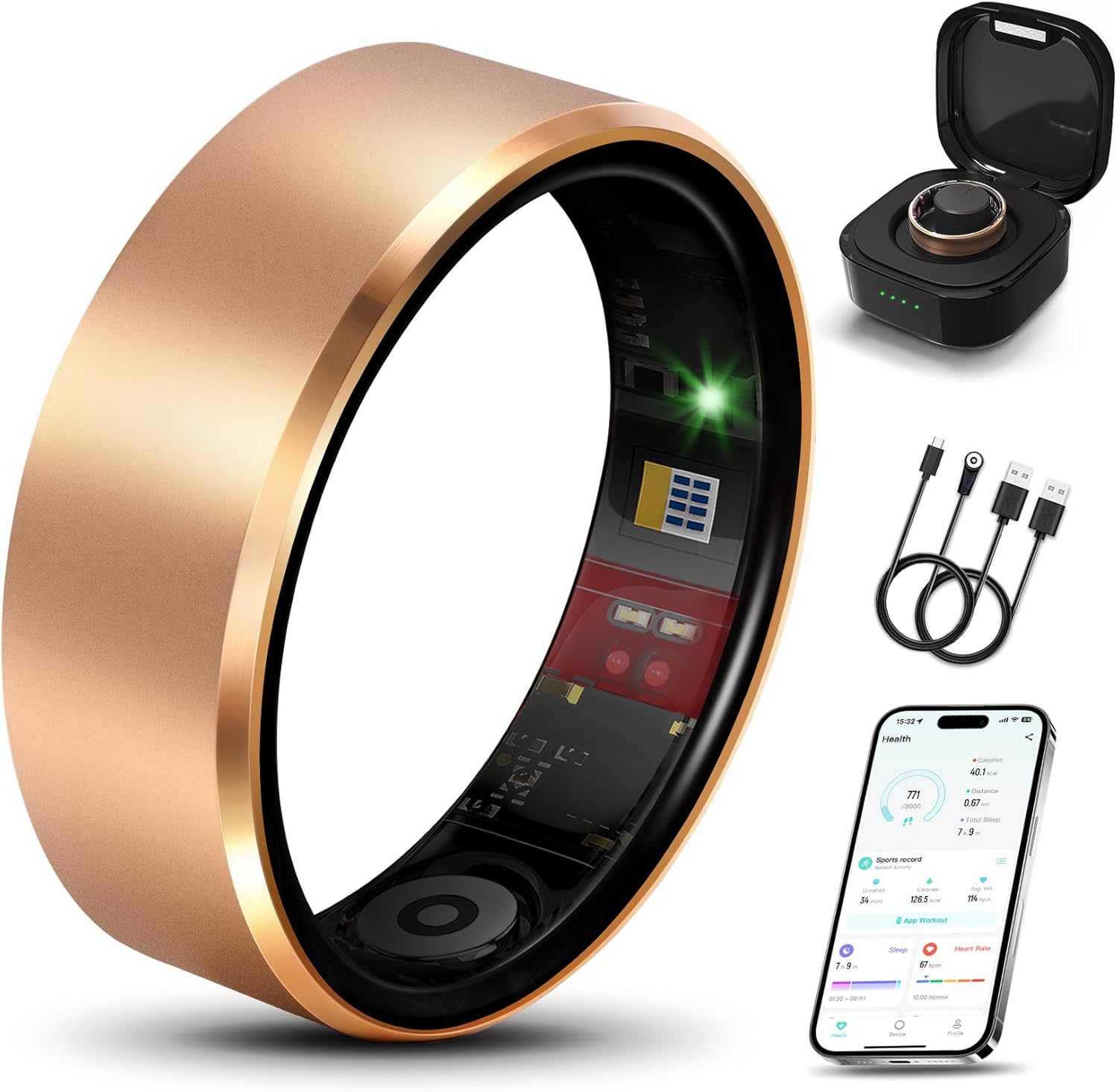
3. RQZ Smart Ring — best alternative if a wrist strap is out
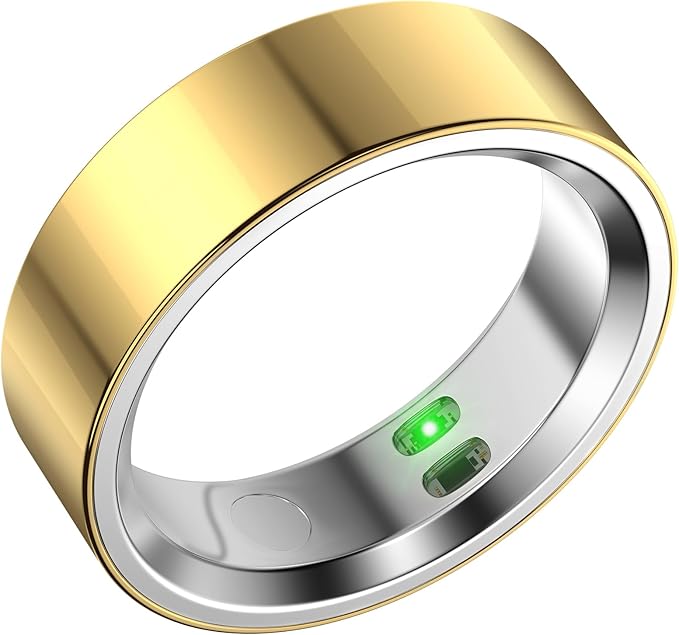
Some crews, sawyers especially, will not tolerate anything on the wrist because of glove fit and chainsaw kickback risk. A smart ring is the workaround. The RQZ ring tracks heart rate, HRV, and sleep stages from your finger, runs about a week per charge, and costs a fraction of the leading ring brands. It is not as accurate as Whoop for strain, but for pure sleep stage tracking in a tent, it is solid and disappears completely under leather gloves. View on Amazon.
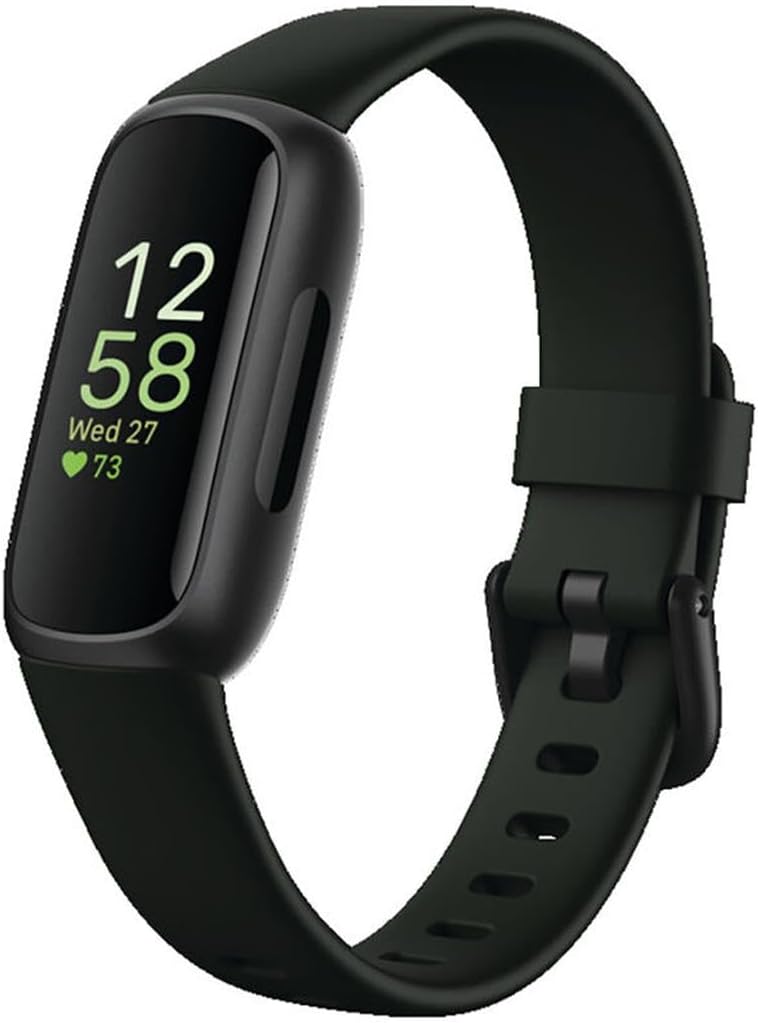
4. Fitbit Inspire 3 — best budget pick for new firefighters or rookies
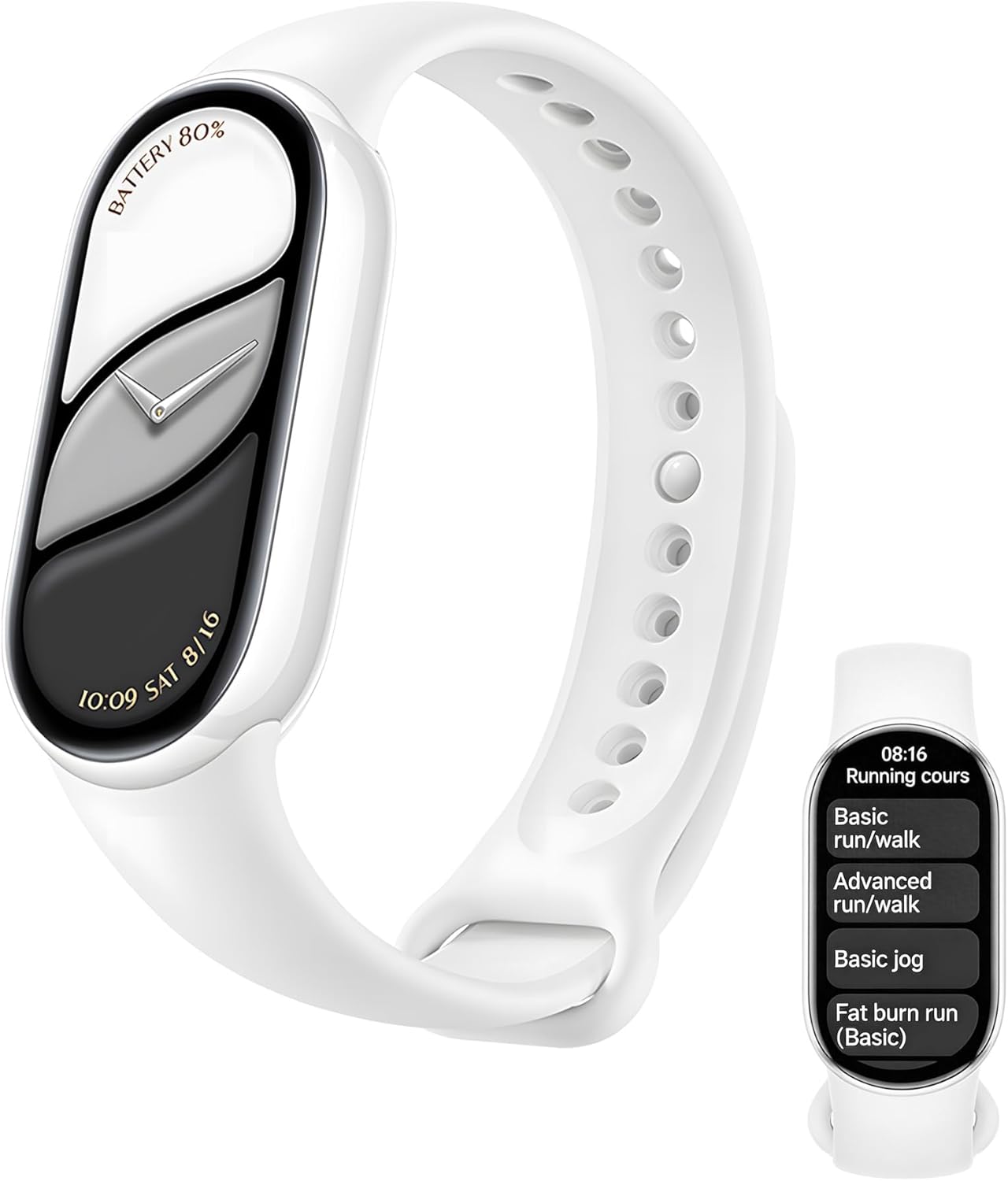
If you are a first-year on a Type 2 IA crew and not ready to commit to a Whoop membership, the Fitbit Inspire 3 gives you a 10-day battery, sleep stage tracking, SpO2, skin temperature, and a tiny screen for time and alarms. It is the simplest, cheapest way to see if data-driven recovery actually changes how you feel at day 10 of an assignment. It survives camp showers, and the band swaps are dirt cheap when one gets shredded on a barbed-wire fence. Check Amazon pricing.
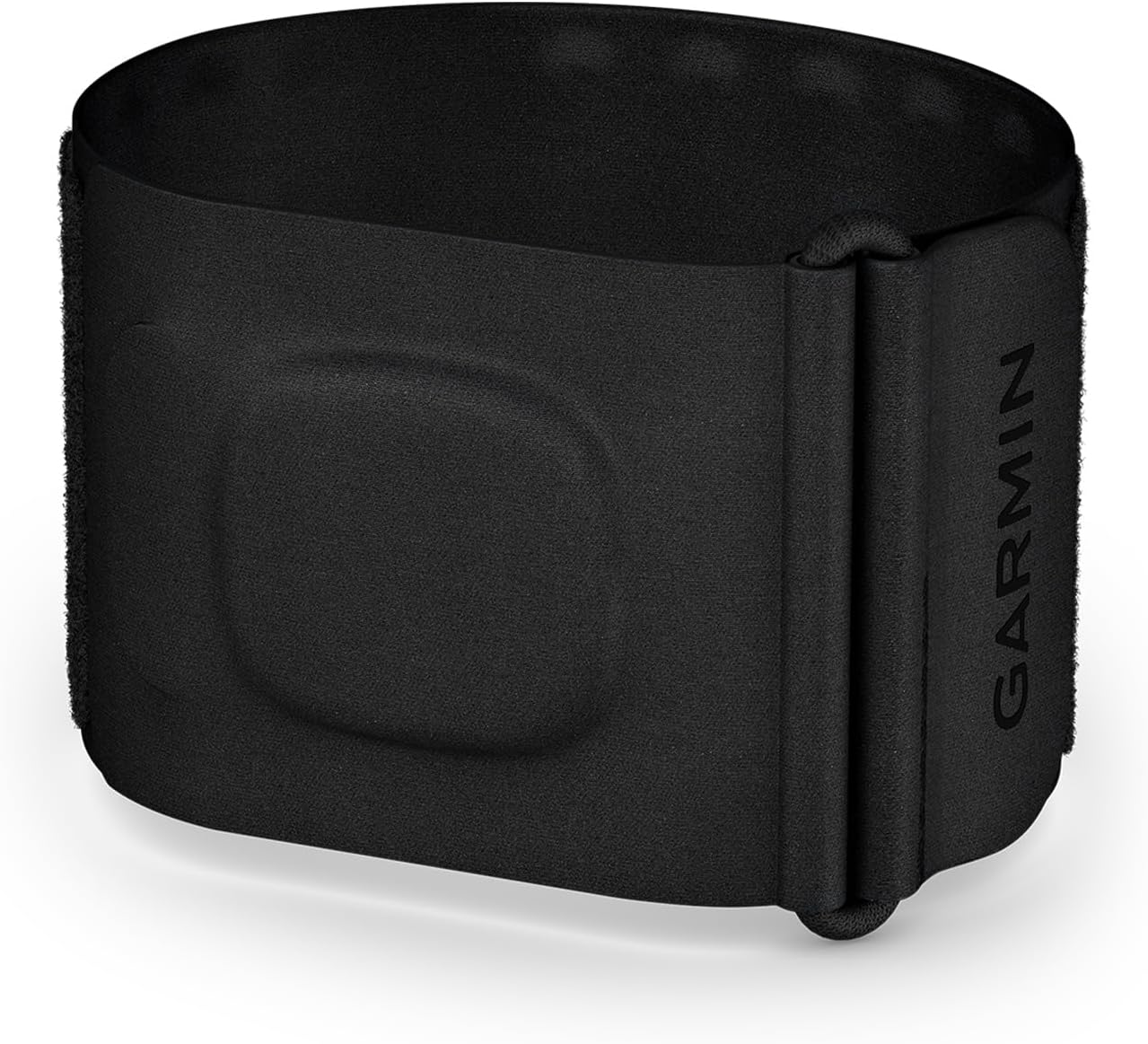
5. Google Fitbit Air — best screenless backup for camp crews and support
For camp crews, finance section, GIS, or anyone working the IMT side of the fence and not swinging a Pulaski, the screenless Fitbit Air is a low-distraction sleep tracker with a long battery, a clip-and-band combo, and Google account integration. It is not as athlete-tuned as Whoop, but for tracking how 12-hour computer shifts in a yurt are wrecking your sleep, it is honest and unobtrusive. See on Amazon.
Comparison table: wildland firefighter sleep trackers 2026
| Device | Battery life | Screen | Sleep stages | Best for |
|---|---|---|---|---|
| Whoop 5.0/MG | ~14 days | None | Yes, advanced | Hotshots, smokejumpers, multi-week rolls |
| RQZ Smart Ring | ~7 days | None | Yes | Sawyers, anyone allergic to wrist straps |
| Fitbit Inspire 3 | ~10 days | Small touch | Yes | Rookies, Type 2 IA, budget buyers |
| Fitbit Air | ~10 days | None | Basic | IMT, camp crew, support staff |
| Whoop SuperKnit Luxe | n/a (accessory) | n/a | n/a | Backup band for Whoop owners |
Setting up your Whoop for a 14-day fire assignment
A few hard-won field tips before you head to ICP. First, charge both your strap and the slide-on battery pack to 100% before you leave the station, then carry a third pack if you can afford it. The slide-on packs are USB-C and will trickle-charge off a vehicle inverter, a Jackery, or even a pocket-sized solar panel hooked to your pack during a hike-in spike camp. Second, set your sleep goal to "Perform" during shoulder days and "Get By" during peak burn weeks; the app will reduce nagging recovery alerts when you are physically unable to hit eight hours. Third, in the Whoop journal, log smoke exposure, DEET use, and earplug use every day. After a week you will see exactly which variable is wrecking your REM.
For the actual whoop 4.0 wildland firefighter fire camp sleep tracking workflow, most crews settle into a pattern: wear it on the wrist during shift, slide it to the bicep band under the Nomex sleeve if your glove cuff is rubbing the strap raw, and switch back to the wrist for sleep so the haptic alarm actually wakes you. Charge the strap while you eat dinner at the chow line—the slide-on pack means you never have to take the strap off.
Protecting your tracker from fire camp grime
Ash is abrasive. Soot is greasy. DEET dissolves plastics. All three are everywhere on the line. Rinse your strap under a potable water spigot every night before bed—thirty seconds is enough. Once a week, scrub the band with a drop of camp soap and an old toothbrush. Air-dry it on top of your sleeping bag, never inside a hot crew buggy where the silicone can warp. If you notice the sensor reading erratically, the optical window probably has dried sweat salt on it; a dab of water and a microfiber wipe restore it instantly. For more gear care tips check our wearable care during fire season guide.
Sleep hygiene tricks that actually work in fire camp
No tracker fixes bad sleep hygiene. The data just tells you which of your habits is sabotaging you. Earplugs are non-negotiable—foam disposables are fine, but a reusable filtered pair like the kind musicians use will let you still hear your tent neighbor saying "go time" without amplifying the generator. A sleep mask with a contoured eye cup will buy you an extra hour of melatonin production during early-summer evenings when the sun is still up at 2130. A small inflatable pillow with a pillowcase from home keeps your face out of synthetic plastic, which is a sleep-disrupting cocktail of off-gas chemicals. Combined with a Whoop on the wrist, you can A/B test these one at a time and see in the morning Recovery score what helped.
Caffeine is the other lever. Whoop will show you, in cold numbers, that a 1500 coffee cuts your deep sleep by 20 to 40 percent. On a long assignment that compounds. Many crews who track with Whoop end up moving their last caffeine to 1100 and using a brisk walk around camp at 1500 instead. Read our deeper dive in caffeine cutoff timing for shift workers.
What about Oura, Apple Watch, or Garmin?
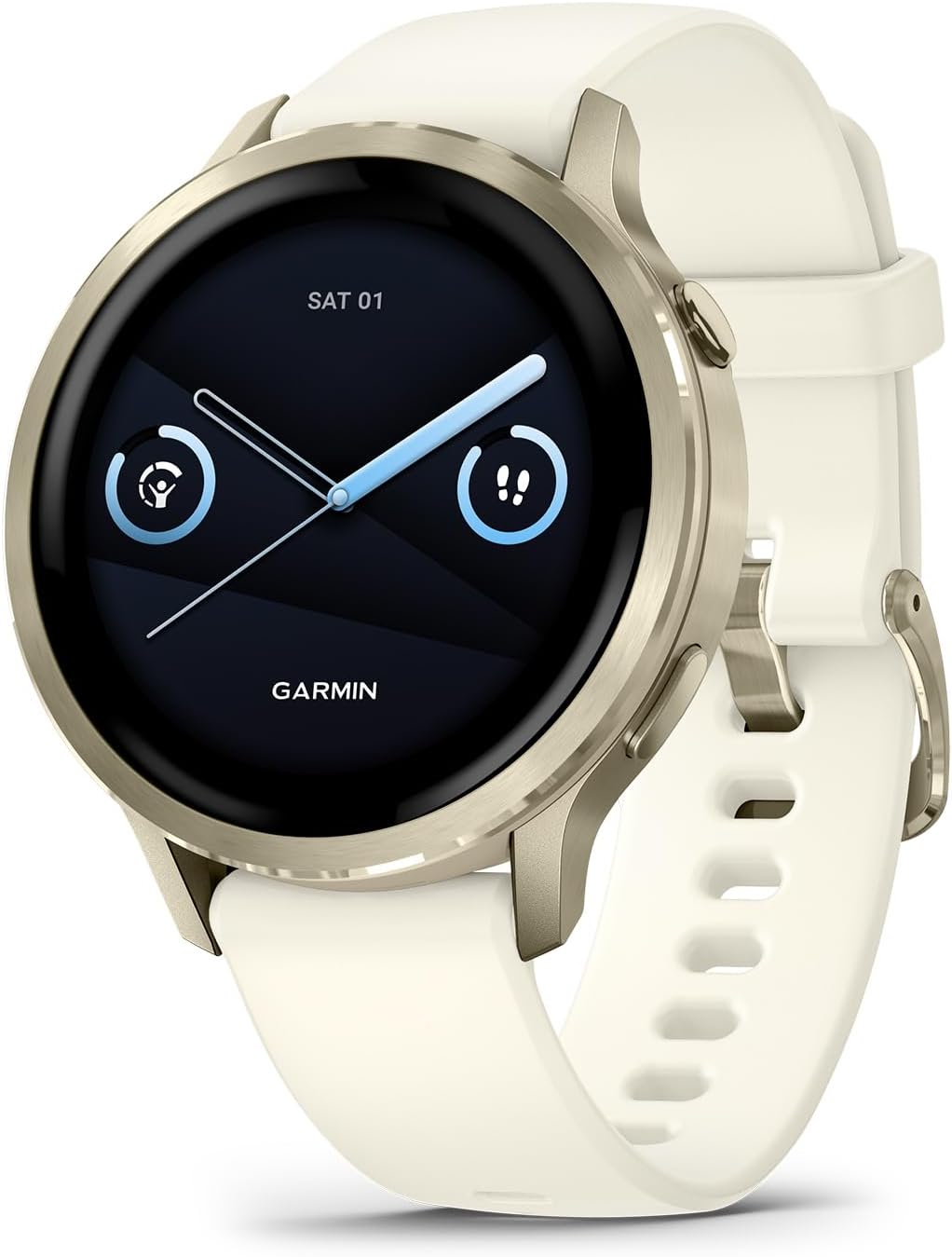
You will see all three on the line. Oura is excellent for sleep but the ring band can pinch under a chainsaw glove and the battery only lasts about a week. Apple Watch has the best alarms and music control, but the daily charge requirement is a deal-breaker for assignments without reliable power. Garmin Fenix is durable and lasts weeks, but the screen is a battery drain and the sleep algorithm is less refined than Whoop or Oura. If you already own one of these, run it and supplement with good earplugs. If you are buying for fire season specifically, Whoop 5.0/MG and the RQZ ring are the two devices built for the exact constraints of a wildland assignment.
For a side-by-side of the smartring market see our best smart rings of 2026 roundup.
Frequently Asked Questions
Does Whoop 4.0 still work in 2026, or do I need the 5.0?
Whoop 4.0 still works fine with an active membership and continues to receive firmware updates in 2026. The 5.0/MG is the current shipping model and offers longer battery life and an optional ECG tier, but if you already own a 4.0 strap from a previous season, there is no urgent reason to upgrade mid-assignment. New buyers will receive the 5.0/MG by default.
Can I wear a Whoop under Nomex without melting it?
Yes. Whoop straps and the sensor are rated to comfortably operate well above typical Nomex inside-temperatures. Direct flame contact would obviously damage it, but routine line work, prescribed burns, and mop-up will not. The bigger risk is abrasion at the glove cuff, which is why many crews rotate the strap to a bicep band during active shifts.
How do I charge a wearable on a 14-day fire assignment with no outlets?
The Whoop slide-on battery pack is the cleanest solution because the strap never leaves your wrist. Carry two or three packs, top them up off vehicle inverters, the comms trailer charging station, or a 20,000 mAh USB-C power bank. A small folding solar panel strapped to your pack on hike-ins can charge a pack during a single shift if the sky is clear of smoke.
Which smart ring survives fire camp best?
For pure durability and battery life, the RQZ Smart Ring is a practical choice because it is inexpensive enough to replace mid-season if you ding it on a tool handle. Titanium rings from premium brands survive longer but cost five to ten times more. Whichever ring you pick, size it slightly loose to account for hot, swollen fingers at the end of a shift.
Will smoke exposure mess up my heart rate or HRV readings?
Smoke exposure itself does not interfere with the optical sensor, but it absolutely affects the numbers it produces. Expect resting heart rate to climb 3 to 8 bpm and HRV to drop on heavy smoke days. That is the tracker correctly reporting the inflammatory load on your body. Log smoke level in the Whoop journal so you can see the trend after the assignment.
Is the Whoop subscription worth it for seasonal wildland firefighters?
For most career or returning seasonal firefighters, yes. The new device purchase in 2026 includes a 12-month membership, which covers a full fire season. After that, the monthly cost is comparable to a couple of gas station coffees per pay period. If you only deploy on a handful of fires per year, the Fitbit Inspire 3 or RQZ ring with no subscription is the more economical pick.
Can my crew share Whoop data for team recovery planning?
Yes. Whoop Teams lets a designated coach or squad boss view aggregated recovery scores across the crew. Some hotshot superintendents are starting to use this to balance assignments—putting the most recovered sawyer on the heaviest cutting that day. Buy-in from the crew is essential and individual sleep data should stay private; only the daily recovery color is typically shared.
Key Takeaways
- Choosing the right whoop 4.0 wildland firefighter fire camp sleep tracking means matching capacity and output ports to your actual devices
- Always check actual watt-hours (Wh), not just watts — runtime depends on Wh, not peak output
- Also covers: whoop strap fire camp tent sleep
- Also covers: wildland firefighter recovery wearable
- Also covers: whoop 4.0 smoke exposure sleep impact
- Compare price-per-Wh across models to find the best value for your budget